Side-by-Side: The Cognitive Profiles
The Cosmic Pet Pet IQ Lab's framework allows us to dissect the cognitive strengths and inclinations of these two charming Toy group breeds. Understanding their specific scores across five dimensions provides a clearer picture of their inherent abilities and how they interact with their environment and human companions.
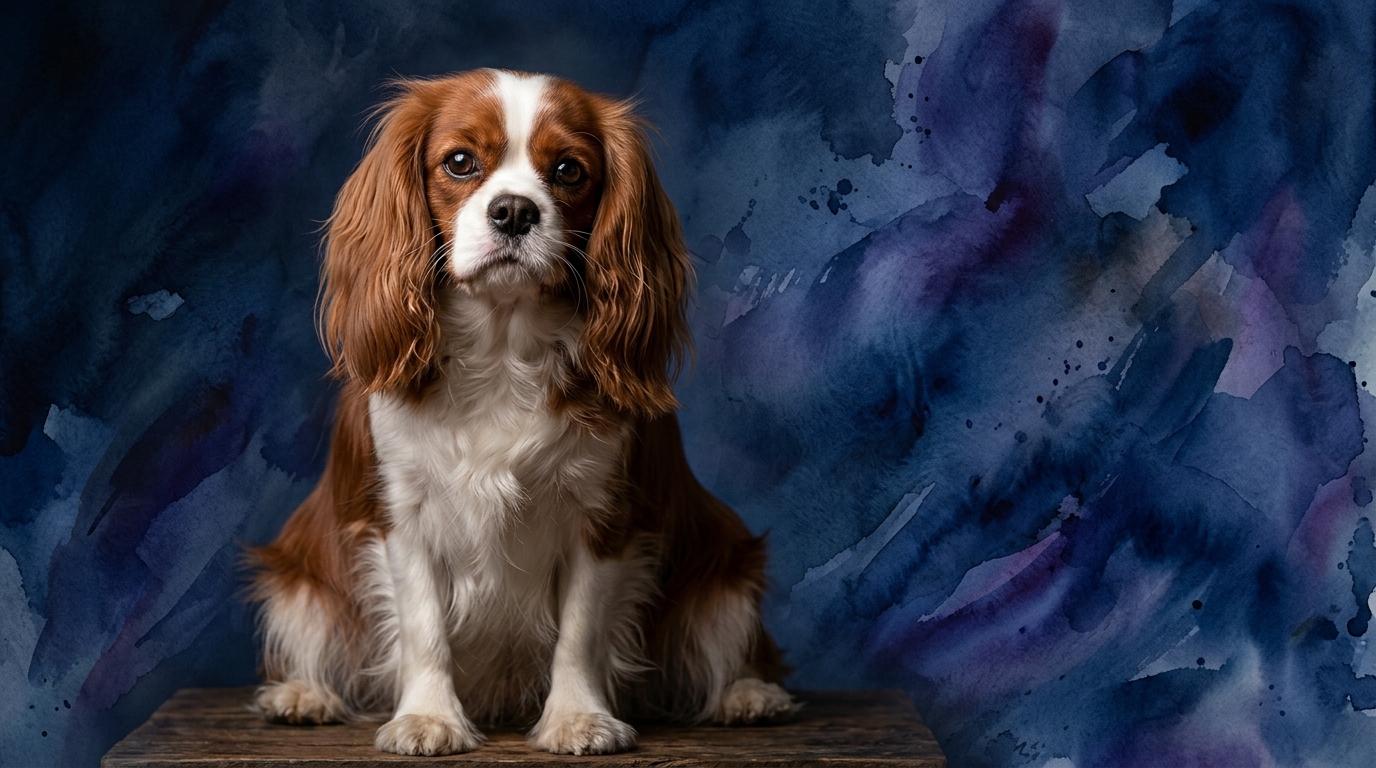
**Cavalier King Charles Spaniel (Coren rank #44):** This breed consistently earns admiration for its gentle nature, which is deeply rooted in its cognitive makeup.
**Problem Solving (3/5):** Cavaliers demonstrate a moderate aptitude for tackling novel challenges. They can figure out simple puzzles or navigate straightforward obstacles, often relying on their human companions for guidance or assistance when tasks become complex. Their problem-solving isn't their primary mode of interaction, but they possess enough practical smarts to manage daily life effectively, particularly when it involves navigating their home environment or retrieving a favorite toy.
**Training Speed (3/5):** This breed shows a respectable pace in learning new commands and routines. While not the quickest to grasp every concept instantly, their eagerness to please and strong bond with their owners make them receptive to consistent, positive reinforcement. They typically require a moderate number of repetitions to solidify new behaviors, responding well to praise and gentle encouragement.
**Social Intelligence (5/5):** This is where the Cavalier truly shines. Their capacity to understand human emotions, intentions, and social cues is exceptional. They are highly attuned to their family's moods, often offering comfort or seeking interaction based on subtle non-verbal signals. This profound social awareness makes them incredibly empathetic and adaptable family members, often anticipating needs and reacting with remarkable sensitivity.
**Instinctive Drive (3/5):** Cavaliers possess a moderate level of inherent drives. While they retain some hunting instincts, particularly for small birds, these are generally not overwhelming and are easily managed. Their drive for play is present, but often geared towards interaction with people rather than independent pursuit. Their overall drive profile is balanced, making them adaptable companions for various domestic settings.
**Memory (3/5):** Their memory serves them well for recalling learned commands, routines, and familiar faces. While they won't remember every minor detail of every interaction, they effectively retain crucial information that helps them navigate their environment and maintain their bond with their family, remembering specific places for treats or preferred sleeping spots.
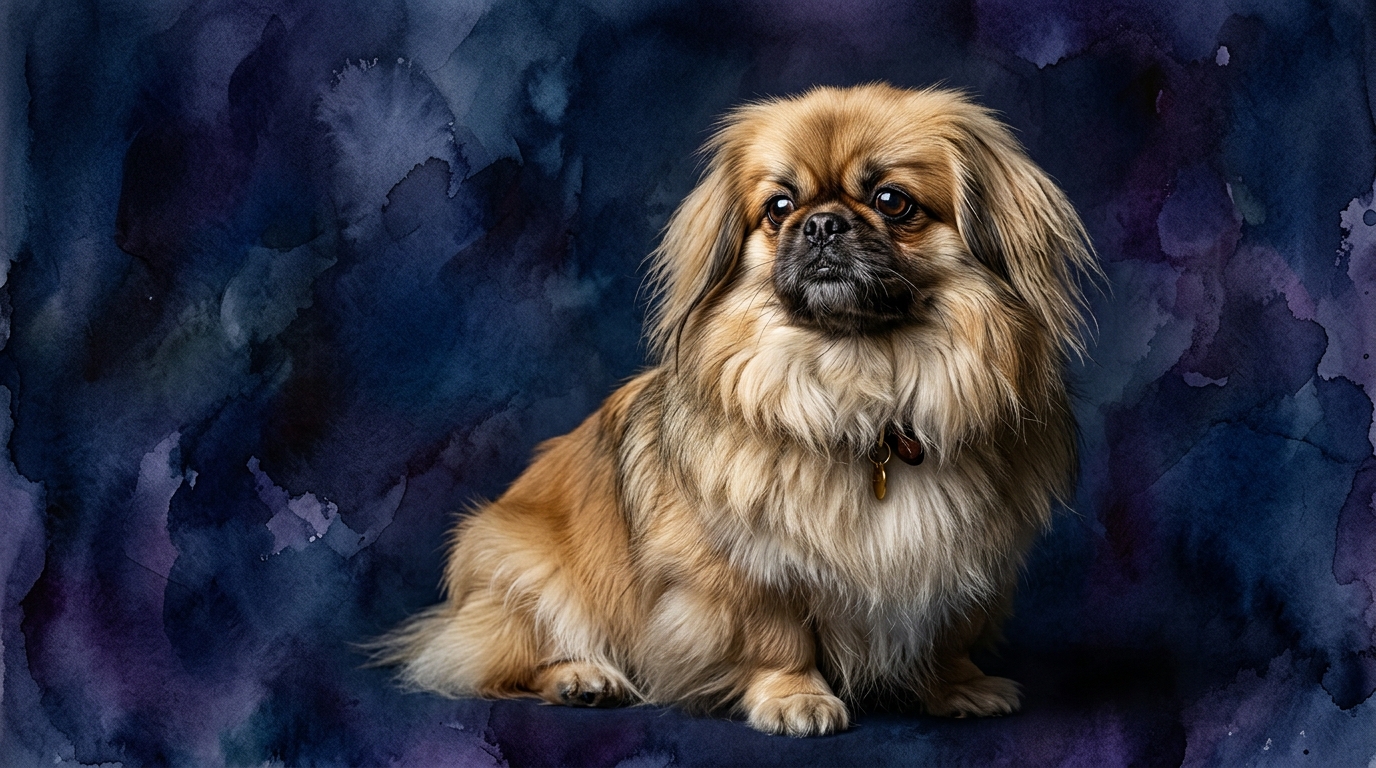
**Pekingese (Coren rank #77):** The Pekingese carries an air of ancient dignity, a characteristic reflected in its cognitive leanings.
**Problem Solving (3/5):** Pekingese exhibit a comparable problem-solving ability to Cavaliers, capable of navigating everyday challenges and simple puzzles. However, their approach is often characterized by a more independent and sometimes stubborn streak. They might figure things out on their own terms rather than seeking immediate human assistance, preferring to observe and then act.
**Training Speed (3/5):** Similar to Cavaliers, Pekingese learn at a moderate pace. Their training journey can be influenced by their independent nature; while they understand what's being asked, they might not always be motivated by eagerness to please in the same way. Consistency and finding the right high-value motivators are key to their learning success, as they respond best when they perceive a clear benefit.
**Social Intelligence (3/5):** The Pekingese displays a moderate level of social intelligence. They certainly form strong, devoted bonds with their chosen humans, but their expression of this connection is often more reserved and less overtly demonstrative than a Cavalier's. They are observant of their surroundings but may not be as deeply attuned to subtle human emotional shifts, preferring a more dignified and less intrusive interaction.
**Instinctive Drive (3/5):** Pekingese also possess a moderate instinctive drive. Historically bred for companionship and guarding, their protective instincts can be present, leading to a watchful demeanor and a tendency to alert to strangers. Their play drive is generally moderate, often preferring short bursts of activity or quiet companionship over prolonged, intense engagement, content with a leisurely stroll or a favorite toy.
**Memory (3/5):** Pekingese have a functional memory for routines, commands, and the people they recognize as their family. They will remember who belongs and who doesn't, and recall the boundaries established in their home. Their memory is sufficient for a comfortable existence, enabling them to navigate their familiar world with confidence and recall established patterns.
Cavalier King Charles Spaniel: A Social Maestro
The Cavalier King Charles Spaniel's standout cognitive strength lies unequivocally in its exceptional social intelligence, scoring a perfect 5/5 in this dimension. This isn't just about being friendly; it reflects a profound capacity to read and respond to human emotional states and intentions. A Cavalier can often sense when their owner is feeling down, offering a gentle nudge or a comforting presence without being prompted. They excel at picking up subtle cues in tone of voice, body language, and facial expressions, making them extraordinarily empathetic companions. This deep understanding of the human-animal bond allows them to integrate seamlessly into family life, adapting their behavior to suit the mood of the household, whether it's a quiet evening or a lively gathering. Their cognitive advantage here means they are inherently predisposed to harmonious cohabitation, often anticipating needs and reacting with remarkable sensitivity, fostering an almost intuitive connection with their people. This makes them highly adaptable and remarkably easy to live with, as they naturally align their behavior with the social rhythm of their home.
Pekingese: Independent Thinkers, Distinct Charms
While the Pekingese does not outscore the Cavalier in any specific cognitive dimension based on our metrics, their unique combination of scores, particularly their moderate social intelligence paired with their inherent dignity, creates a distinct cognitive charm. Their problem-solving (3/5) and training speed (3/5) are on par with the Cavalier, but their approach is often filtered through a more self-assured and discerning lens. A Pekingese might solve a puzzle or learn a command not out of an overwhelming desire to please, but because it aligns with their own perceived benefit or because they've decided it's worth their effort. Their moderate social intelligence means they are affectionate on their own terms, offering a devoted but less overtly effusive companionship. This independence, while sometimes misinterpreted as aloofness, is a cognitive strength for owners who appreciate a dog with a strong sense of self and a unique, often regal, personality. They provide steadfast companionship without the constant need for validation or deep emotional mirroring, making them perfect for those who admire a dog with a distinct individual spirit and a quiet, confident presence.
Training Dynamics: A Tale of Two Approaches
When it comes to ease of training, the Cavalier King Charles Spaniel generally presents a smoother journey for most owners, primarily due to their superior social intelligence (5/5). Their innate desire to connect and please their human companions acts as a powerful motivator. A Cavalier is often eager to understand what is expected and readily responds to positive reinforcement, viewing training as another form of engaging interaction. Their high social aptitude means they are more likely to make eye contact, pay attention to verbal cues, and adjust their behavior based on human feedback, leading to quicker comprehension and retention of commands. This behavioral trait of seeking approval makes them highly responsive to positive reinforcement methods and less prone to stubbornness during lessons.
In contrast, the Pekingese, with its moderate social intelligence (3/5), approaches training with a more discerning attitude. While capable of learning at a similar pace (3/5 training speed), their independent nature means they may require more consistent, creative motivation. They aren't necessarily trying to be difficult, but they possess a stronger sense of self-will and a lower inherent drive to please purely for the sake of it. Training a Pekingese often involves finding what truly motivates them, be it a specific high-value treat, a favorite toy, or a comfortable resting spot, and presenting commands in a way that appeals to their dignified sensibility. Their training success hinges less on an inherent desire to please and more on building a respectful partnership where the dog sees the value in cooperation, making the process potentially more challenging for novice trainers seeking immediate compliance. Patience and a deep understanding of their unique personality are paramount.
Lifestyle Fit: Who Thrives With Whom?
Considering their cognitive profiles, these two breeds align with different owner lifestyles. The Cavalier King Charles Spaniel, with its exceptional social intelligence and balanced instinctive drive, is an ideal fit for owners who desire a deeply integrated, emotionally responsive companion. Their moderate activity needs mean they enjoy daily walks and playtime but are equally content snuggling on the couch for extended periods. They thrive in environments where they receive consistent human interaction and are involved in family activities, often becoming a gentle shadow. They are excellent for first-time dog owners or families seeking a gentle, adaptable pet who will readily become a loving member of the household. For active owners, they can certainly keep up with moderate adventures like hikes or long park visits, but their primary fulfillment comes from connection, not intense physical exertion. Their adaptability makes them suitable for various living situations, provided they are not left alone for prolonged periods.
Conversely, the Pekingese, with its moderate social intelligence and a more reserved demeanor, is better suited for owners who appreciate a dog with a strong independent streak and a more relaxed, self-contained presence. While they enjoy companionship, they are less demanding of constant attention and are often content to observe from a comfortable spot rather than constantly seeking interaction. Their lower energy levels and less intense desire for constant engagement make them excellent companions for more relaxed owners, seniors, or individuals living in smaller spaces who prefer a calm, dignified presence. They require less active engagement but still benefit from regular, gentle walks and mental stimulation that respects their independent spirit. They offer devotion but on their own terms, appealing to those who value a dog with distinct character and quiet charm, and who are comfortable with a companion that isn't always at their heel.
The Verdict
Choose a Cavalier King Charles Spaniel if you seek an exceptionally empathetic, highly social companion who thrives on deep connection and readily integrates into all aspects of family life, offering gentle affection and adaptability.
Opt for a Pekingese if you appreciate a dignified, independent companion who offers steadfast affection on their own terms, preferring a more relaxed pace and a less overtly demonstrative bond, perfect for a calm household.
🧠 Find Your Pet's IQ Score
Our Pet IQ Lab assessment covers 25+ tests across 5 cognitive dimensions — personalized to your breed.
Take the Full IQ Test →Frequently Asked Questions
Is a Cavalier King Charles Spaniel easier to house train than a Pekingese?
Generally, the Cavalier's higher social intelligence and eagerness to please can make house training a bit smoother, as they are often more receptive to understanding owner expectations and routines. The Pekingese's independent nature might require more consistent, patient reinforcement, but both breeds are certainly trainable with dedication and a clear, positive approach.
Which breed is better with children, considering their social intelligence?
The Cavalier King Charles Spaniel, with its 5/5 social intelligence, typically excels with children, showing remarkable patience and adaptability to family dynamics, often forming strong bonds. The Pekingese, while capable of bonding, might prefer older, more respectful children due to their more reserved and sometimes less tolerant nature towards boisterous or intrusive play, preferring calm interactions.
Do either of these breeds require extensive mental stimulation to prevent boredom?
Both breeds have moderate problem-solving and memory scores, meaning they benefit from some mental enrichment, but neither requires extensive, complex stimulation like some working breeds. Interactive toys, short, engaging training sessions, and varied environments during walks are usually sufficient to keep their minds engaged and prevent boredom, aligning with their moderate cognitive demands.