Side-by-Side IQ Profile
The Cosmic Pet Pet IQ Lab employs a five-dimensional framework to assess canine cognition, offering a nuanced look at how different breeds process information and interact with their environment. Let's delve into the specific profiles of the Cavalier King Charles Spaniel and the Skye Terrier.
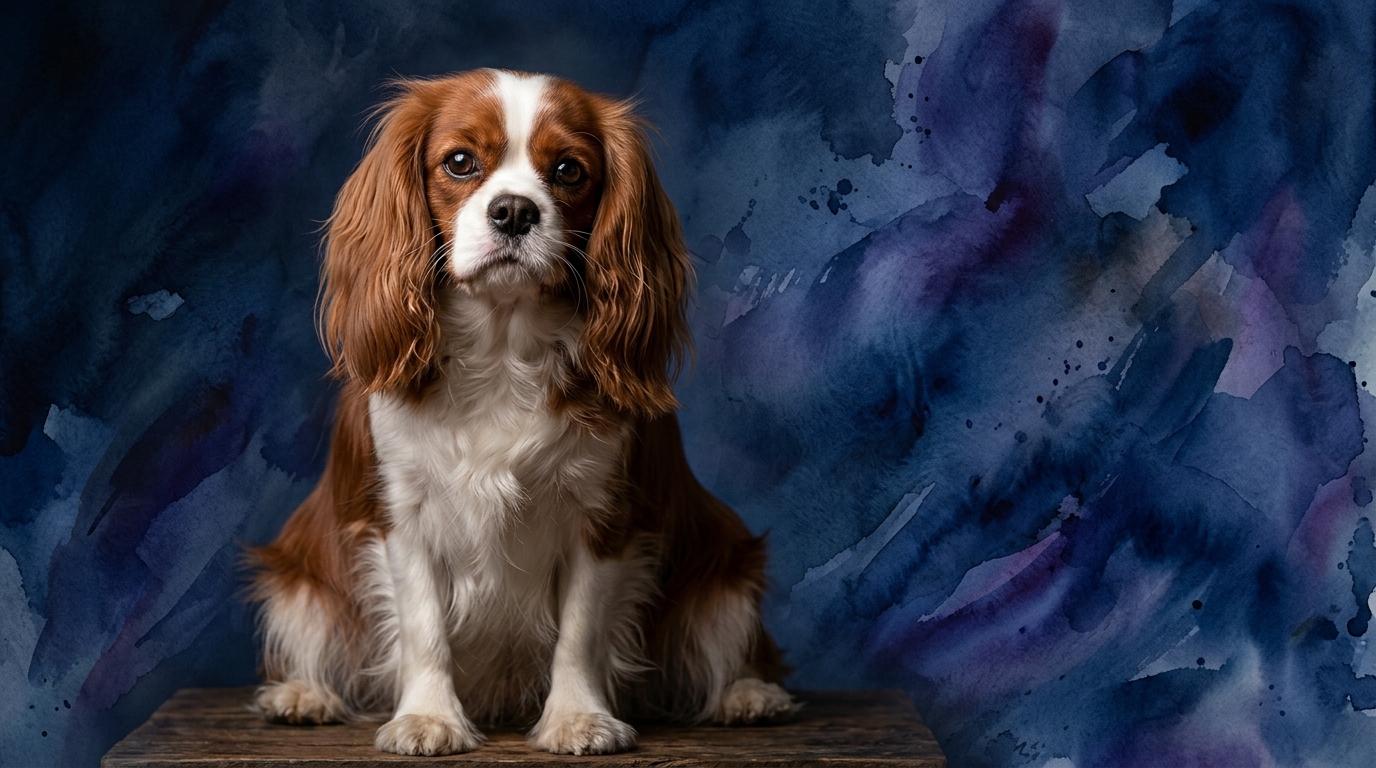
The Cavalier King Charles Spaniel, ranked #44 by Coren, demonstrates a balanced cognitive profile geared towards companionship. Their Problem Solving score of 3/5 indicates a moderate capacity for navigating simple challenges, often seeking human assistance rather than prolonged independent effort. Training Speed, also at 3/5, suggests they learn new commands at a steady, moderate pace, benefiting greatly from consistent positive reinforcement. Where Cavaliers truly excel is in Social Intelligence, scoring an impressive 5/5; they possess an exceptional ability to read human emotions, intentions, and social cues, making them profoundly empathetic and attuned companions. Their Instinctive Drive is a moderate 3/5, manifesting as mild interest in scent or prey but primarily focused on social engagement. Finally, their Memory, rated 3/5, allows them to reliably recall routines and learned behaviors, sufficient for daily life and basic training retention.
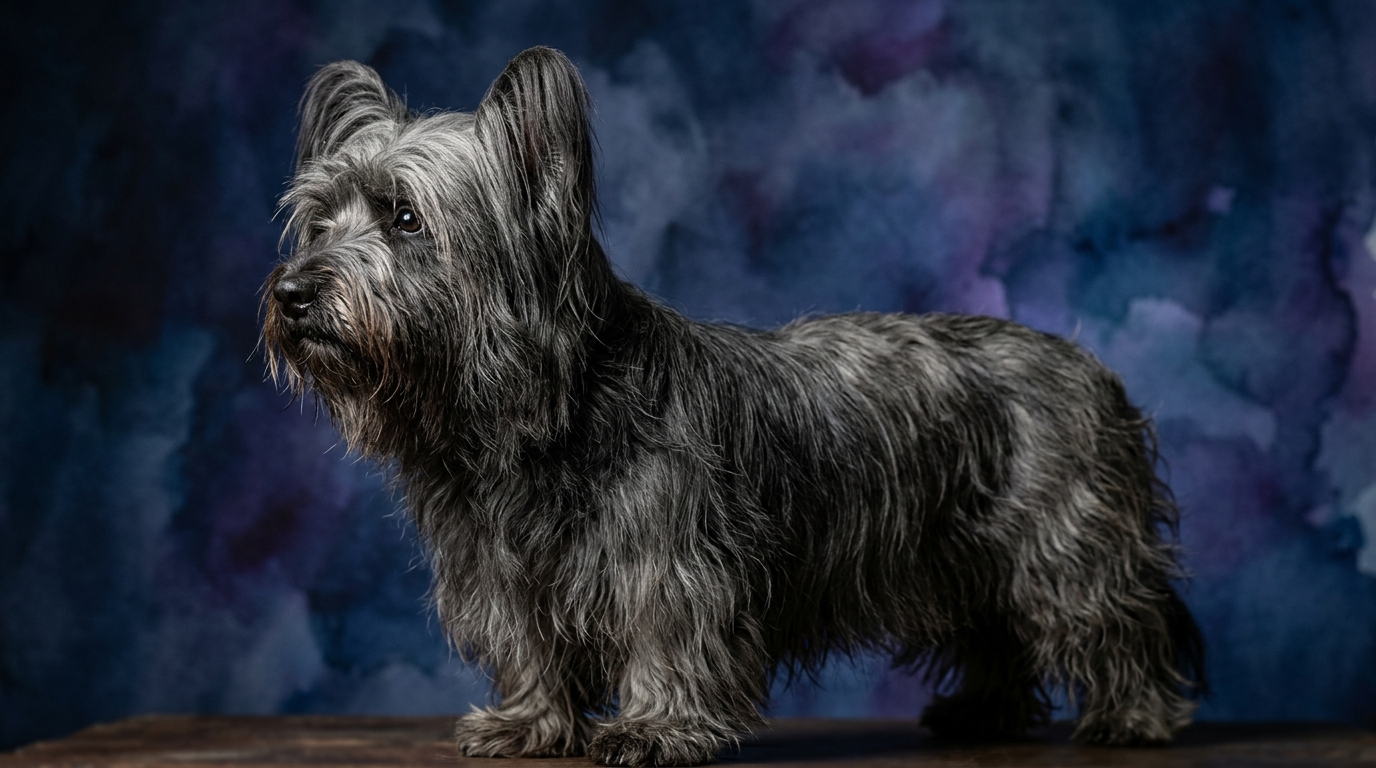
The Skye Terrier, while not Coren-ranked, presents a cognitive profile rooted in its tenacious terrier heritage. Their Problem Solving ability is rated 3/5, but this manifests as persistent, independent effort, often driven by their own motivations to overcome obstacles or achieve a goal. Training Speed, like the Cavalier, stands at 3/5; however, their independent nature can make the training process feel more challenging, requiring patience and creative methods to encourage cooperation. Social Intelligence for the Skye Terrier is 3/5, indicating loyalty to their family but a more reserved demeanor with strangers and less overt emotional attunement than a Cavalier. Their Instinctive Drive, also 3/5, is distinctively terrier, encompassing a strong prey drive, keen scenting ability, and an inclination to dig and investigate, requiring thoughtful outlets. Their Memory, at 3/5, supports their independent decision-making and allows them to retain learned experiences and commands effectively.
Where Cavalier King Charles Spaniel Wins Cognitively
The Cavalier King Charles Spaniel's undeniable cognitive strength lies in its exceptional Social Intelligence, scoring a perfect 5/5. This isn't merely about being friendly; it's a deep-seated ability to understand and respond to human emotional states, intentions, and subtle social cues. A Cavalier can often anticipate its owner's needs, offering comfort during distress or initiating play during moments of joy, making them incredibly intuitive companions. This profound attunement fosters a seamless bond, allowing them to integrate effortlessly into family life and adapt to various social settings with grace and enthusiasm. Their cognitive framework prioritizes connection, making them masters of empathetic interaction.
Where Skye Terrier Wins Cognitively
While not boasting a higher numerical score in any category, the Skye Terrier's distinct cognitive profile showcases strengths rooted in its terrier heritage, particularly in its application of Problem Solving and Instinctive Drive. Their 3/5 problem-solving ability is often characterized by tenacious, independent thought; a Skye might methodically work to open a gate or unearth a buried treasure, driven by their own curiosity and persistence rather than seeking human direction. Coupled with their inherent terrier Instinctive Drive, which, though rated 3/5, manifests as a focused, determined drive to explore, scent, and 'work,' they excel in tasks requiring self-reliance, observation, and follow-through. This translates into a dog capable of making independent decisions and pursuing objectives with remarkable grit, a valuable trait for owners who appreciate a dog with a strong sense of self.
Which is Easier to Train and Why
Between the two, the Cavalier King Charles Spaniel is generally perceived as easier to train, primarily due to its superior Social Intelligence (5/5 compared to Skye's 3/5). While both breeds share a 3/5 Training Speed score, the Cavalier's innate desire to please its human and its acute awareness of social cues make it highly motivated by positive reinforcement and praise. They are eager to cooperate and quick to understand what is expected of them in a social context, often striving to maintain harmony. In contrast, the Skye Terrier, with its lower social intelligence and strong independent streak, requires more patience and consistency. A Skye will learn commands at a moderate pace, but their willingness to execute them often depends on their own assessment of the situation and their personal motivation. They respond best to clear, firm, and fair leadership, and training often involves convincing them that cooperation is their idea, or at least highly beneficial to them.
Which Suits Active Owners vs. Relaxed Owners
For owners seeking a more relaxed, adaptable companion content with a moderate lifestyle, the Cavalier King Charles Spaniel is often the ideal choice. Their exceptional social intelligence means they thrive on companionship and are happiest when integrated into family activities, whether that's a gentle walk, a quiet evening on the sofa, or social outings. While they enjoy play, their exercise needs are modest, making them suitable for apartment living or less active households. The Skye Terrier, conversely, while not a hyperactive breed, suits owners who appreciate and can manage a dog with a distinctive independent spirit and underlying working drive. They require consistent mental stimulation, engaging walks that allow for sniffing and exploration, and clear boundaries. Their tenacity and moderate instinctive drive mean they benefit from activities that challenge their minds, such as scent work or structured training, making them a better fit for owners who are active in a cerebral sense and enjoy dedicated engagement with their dog's unique terrier personality.
The Verdict
For those prioritizing an intuitively connected, emotionally responsive companion dog that seamlessly integrates into family life with moderate activity needs, the Cavalier King Charles Spaniel is the clear choice.
If you appreciate a dog with independent thought, tenacious problem-solving, and a distinct working heritage that requires thoughtful engagement and consistent guidance, the Skye Terrier will be a rewarding, albeit more demanding, companion.
🧠 Find Your Pet's IQ Score
Our Pet IQ Lab assessment covers 25+ tests across 5 cognitive dimensions — personalized to your breed.
Take the Full IQ Test →Frequently Asked Questions
Do Cavaliers or Skye Terriers bark a lot?
Cavaliers tend to be moderate barkers, typically vocalizing to greet, alert to visitors, or express excitement. Skye Terriers can be more prone to barking, especially if bored or left alone, using their voice to alert or express their independent opinions.
Are Skye Terriers good with children?
Skye Terriers can be good with respectful, older children who understand how to interact with a dog that values its personal space. Their independent nature means they may not tolerate rough play as readily as a more overtly social breed like the Cavalier, requiring supervision and early socialization.
How much exercise do these breeds need daily?
Cavaliers require moderate daily exercise, typically two short walks or playtime sessions to keep them healthy and engaged. Skye Terriers also need moderate exercise but benefit more from varied walks that allow for exploration and mental stimulation, rather than just physical exertion, to satisfy their instinctive drive.