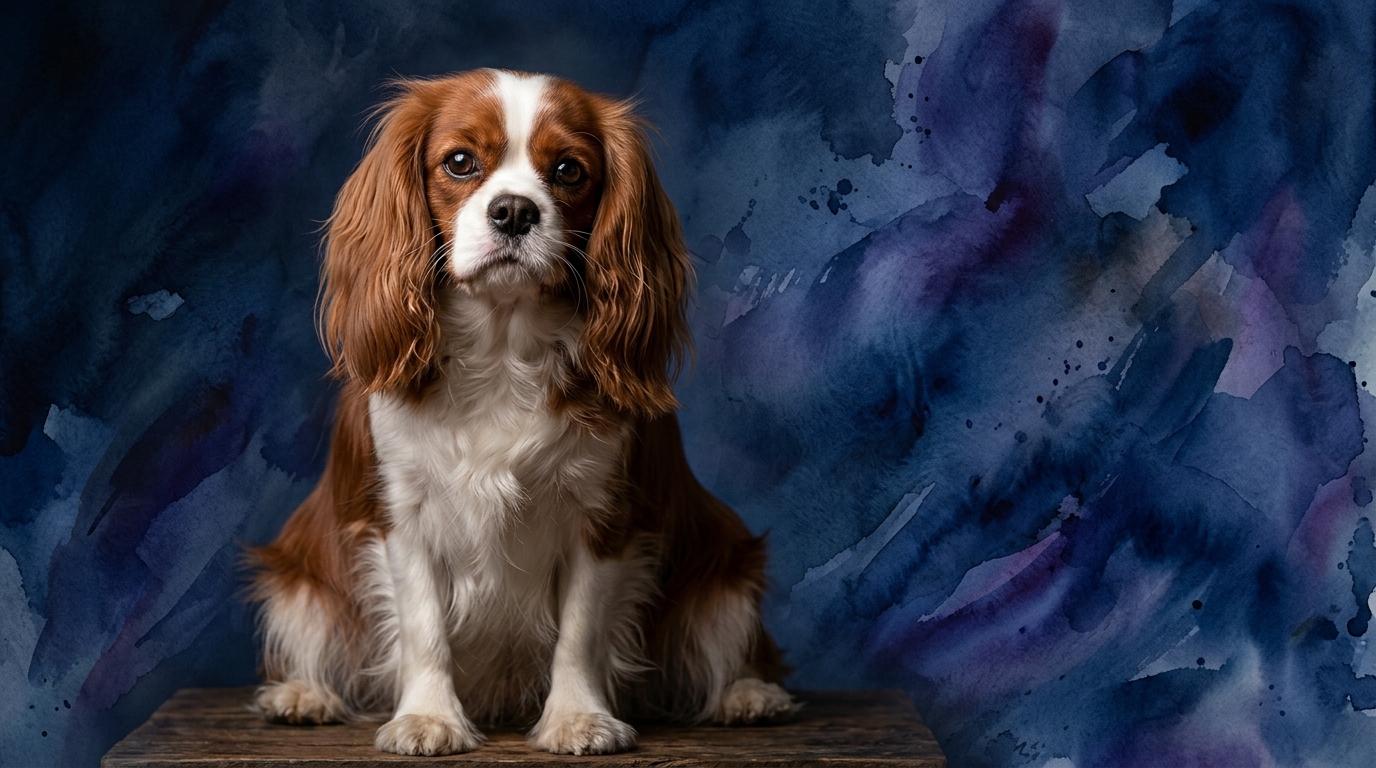
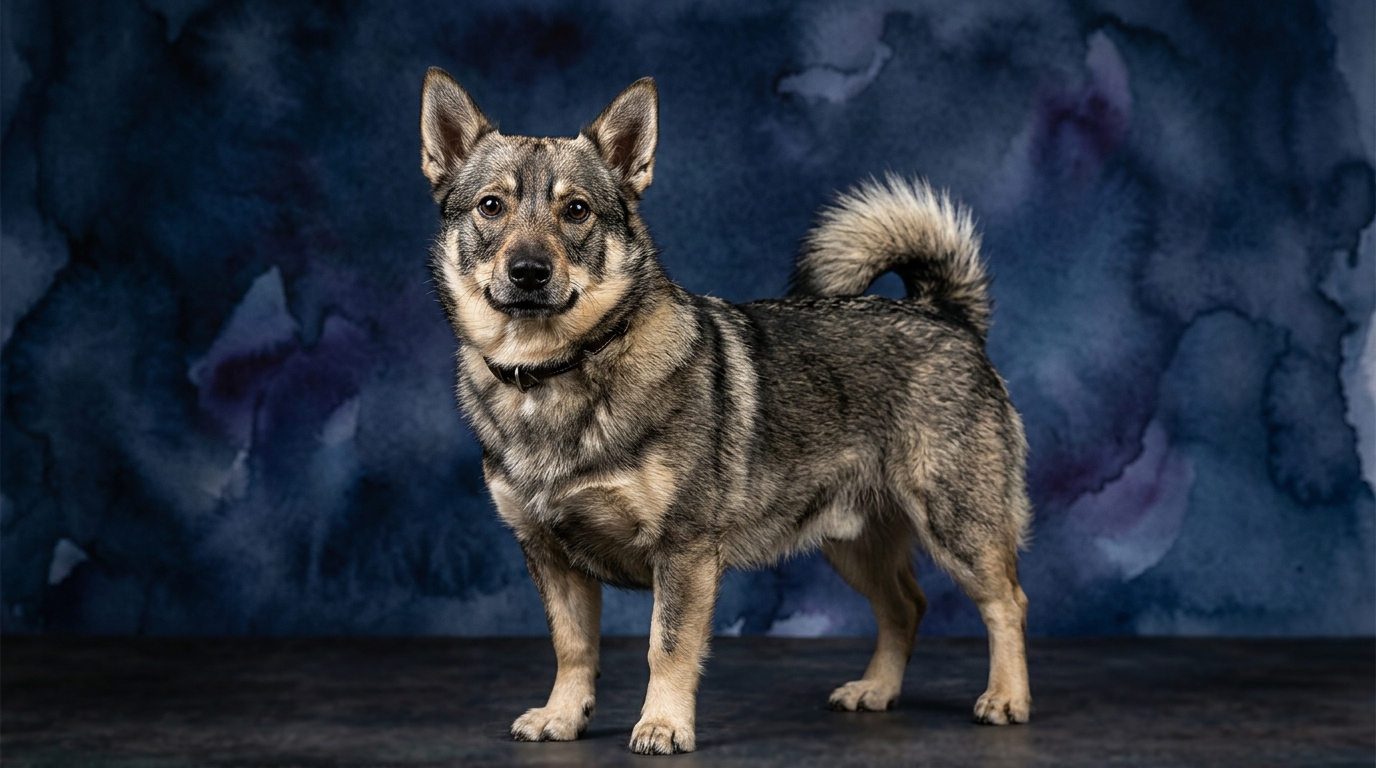
Side-by-Side Cognitive Profile
The Cosmic Pet Pet IQ Lab assesses canine intelligence across five crucial dimensions, providing a granular view of how breeds process and interact with their world. For the Cavalier King Charles Spaniel, a Toy breed ranked #44 by Coren, and the Swedish Vallhund, a Herding breed without a Coren ranking, these profiles offer clarity.
Cavalier King Charles Spaniel (Toy, Coren #44): Problem Solving (3/5): Cavaliers show moderate capacity for novel situations, often seeking human guidance. They can learn simple puzzles but aren't typically independent strategists, tending to rely on human assistance for complex issues. Training Speed (3/5): They learn new commands at a moderate pace, benefiting from consistent, positive reinforcement. Their inherent eagerness to interact generally makes them willing participants in gentle training sessions. Social Intelligence (5/5): This is the Cavalier's standout trait—an exceptional ability to read human emotions and subtle cues, adapting their behavior for harmony. Their profound empathy makes them highly attuned companions, often anticipating needs and offering comfort. Instinctive Drive (3/5): Their primary drive centers on companionship and comfort, with any chase instinct typically secondary to their desire for human proximity. They are driven by social connection, not strong working urges. Memory (3/5): Cavaliers retain learned behaviors, familiar people, and routines reasonably well, with occasional refreshers aiding long-term recall for daily life and basic obedience.
Swedish Vallhund (Herding, Not Coren-Ranked): Problem Solving (3/5): Vallhunds also possess moderate problem-solving capacity, often finding practical solutions related to their immediate environment or perceived tasks. They are resourceful but less prone to abstract thought, preferring concrete actions. Training Speed (3/5): Similar to Cavaliers, Vallhunds learn commands at a moderate rate. Their working heritage brings focus when motivated, but their independent streak can require structured, engaging training to maintain attention. Social Intelligence (3/5): Vallhunds have moderate social intelligence, forming strong family bonds but generally less overtly empathetic or focused on subtle human emotional states than Cavaliers. Their interactions are often more direct and less nuanced. Instinctive Drive (3/5): Their drive is rooted in herding, manifesting as a desire to "gather," vigilance, and an interest in movement. Though rated 3/5, this drive is distinct from a Cavalier's, focusing on purpose and activity rather than comfort. Memory (3/5): Vallhunds have a good memory for commands, routines, and boundaries, which is beneficial for their role as watchful companions and adaptable working dogs.
Where the Cavalier King Charles Spaniel Wins Cognitively
The Cavalier King Charles Spaniel's undeniable cognitive strength lies in their exceptional Social Intelligence, scoring a perfect 5/5. This reflects a profound capacity for emotional attunement and complex interspecies communication. Cavaliers are masters at reading human body language, facial expressions, and vocal tones, often appearing to anticipate their owner's moods or needs. This translates into an unparalleled ability to offer comfort during distress or share in moments of joy, making them intuitive emotional anchors. Their high social IQ means they excel in environments where harmony and close human interaction are paramount, fostering a remarkably smooth cohabitation experience by reducing misunderstandings and promoting deep connection.
Where the Swedish Vallhund Wins Cognitively
While the Swedish Vallhund shares similar numerical scores in Problem Solving (3/5) and Instinctive Drive (3/5) with the Cavalier, the *application* and *nature* of these cognitive functions are distinct. Their herding heritage imbues their Problem Solving with a practical, independent edge focused on environmental interaction and task completion. A Vallhund's 3/5 in Problem Solving manifests as resourcefulness in navigating surroundings or figuring out how to access interesting stimuli. Their Instinctive Drive, though rated 3/5, is geared towards vigilance, organization, and a desire to patrol or "manage" their territory and family unit. This translates into keen environmental awareness, excellent spatial reasoning, and a natural inclination to observe and react to changes. This cognitive predisposition makes them highly adaptable to structured activities like agility or herding games, where their focused attention can be put to good use.
Which is Easier to Train, and Why
When comparing ease of training, the Cavalier King Charles Spaniel often presents a more straightforward experience for the average owner, despite both breeds having a Training Speed score of 3/5. The key differentiator lies in the Cavalier's superior Social Intelligence (5/5). This profound desire to please and connect with their human companions acts as a powerful intrinsic motivator. Cavaliers are highly receptive to positive reinforcement, praise, and physical affection, which they deeply value. Their empathy means they pick up on an owner's frustration or approval quickly, making them eager to comply to maintain harmony. They are less likely to challenge commands or exhibit independent stubbornness because their primary goal is often to strengthen the bond with their person.
The Swedish Vallhund, with its 3/5 Social Intelligence and inherent working drive, requires a different training approach. While equally capable of learning at a moderate pace, Vallhunds can be more independent thinkers. Their motivation stems more from the inherent satisfaction of a task well done or from clear, consistent leadership rather than an overwhelming desire to please. Training a Vallhund requires an owner to be patient, consistent, and creative in making training sessions engaging and purposeful, often tapping into their natural herding instincts. They might occasionally test boundaries or try to "herd" their owners, requiring clear communication and firm, fair guidance. For an owner seeking a dog that inherently seeks to align with their wishes, the Cavalier often feels "easier" due to its social predisposition.
Suitability for Active vs. Relaxed Owners
The cognitive and innate drives of these two breeds clearly delineate their suitability for different owner lifestyles. The Cavalier King Charles Spaniel is an ideal match for more relaxed owners who prioritize companionship and gentle interaction. Their moderate Instinctive Drive (3/5) and deep Social Intelligence (5/5) mean their energy needs are relatively low-key, centering on shared experiences like short walks, cuddles on the couch, or quiet playtime. They are content to be a shadow, following their owner from room to room, and do not typically demand extensive physical or mental exertion to remain content. Their placid nature and desire for comfort make them perfect for individuals or families seeking a warm, affectionate presence without the need for rigorous activity schedules.
Conversely, the Swedish Vallhund is best suited for active owners who can provide consistent engagement and mental stimulation. Despite a moderate Instinctive Drive (3/5), its *herding nature* means this drive manifests as a need for purpose and activity. Vallhunds possess a keen intellect and a desire to "work," whether that involves learning complex tricks, participating in dog sports like agility or rally, or accompanying owners on long, exploratory hikes. Their Problem Solving (3/5) and vigilant nature mean they benefit greatly from challenges that engage their minds and bodies. Owners who enjoy an active outdoor lifestyle or are willing to dedicate significant time to structured training and brain games will find a highly rewarding partnership. They are not content to merely observe; they want to participate and contribute, making them a poor fit for sedentary households.
The Verdict
Choose a Cavalier King Charles Spaniel if your lifestyle is more relaxed and you seek a deeply empathetic, emotionally responsive companion whose primary cognitive drive is attuned to human connection and comfort.
Opt for a Swedish Vallhund if you are an active owner prepared to provide consistent mental and physical engagement, appreciating a resourceful, purposeful companion with a keen, independent intellect rooted in its working heritage.
🧠 Find Your Pet's IQ Score
Our Pet IQ Lab assessment covers 25+ tests across 5 cognitive dimensions — personalized to your breed.
Take the Full IQ Test →Frequently Asked Questions
Do Cavalier King Charles Spaniels get along well with other pets?
Yes, their high social intelligence (5/5) and low instinctive drive for conflict make Cavaliers generally very adaptable and friendly with other pets, often seeking harmonious cohabitation. They are typically non-confrontational and enjoy company rather than conflict.
Are Swedish Vallhunds prone to barking?
Due to their herding and vigilant instincts, Swedish Vallhunds can be prone to barking as a way to "alert" or "gather." Consistent training and early socialization can help manage this tendency, but their watchful nature means they'll often vocalize to perceived changes in their environment.
How much mental stimulation do these breeds need daily?
A Cavalier benefits from moderate mental stimulation, such as short training sessions or puzzle toys, largely satisfied by social interaction. A Swedish Vallhund, however, requires significant daily mental challenges, including structured training, problem-solving games, and engaging activities to satisfy its working intellect and prevent boredom.