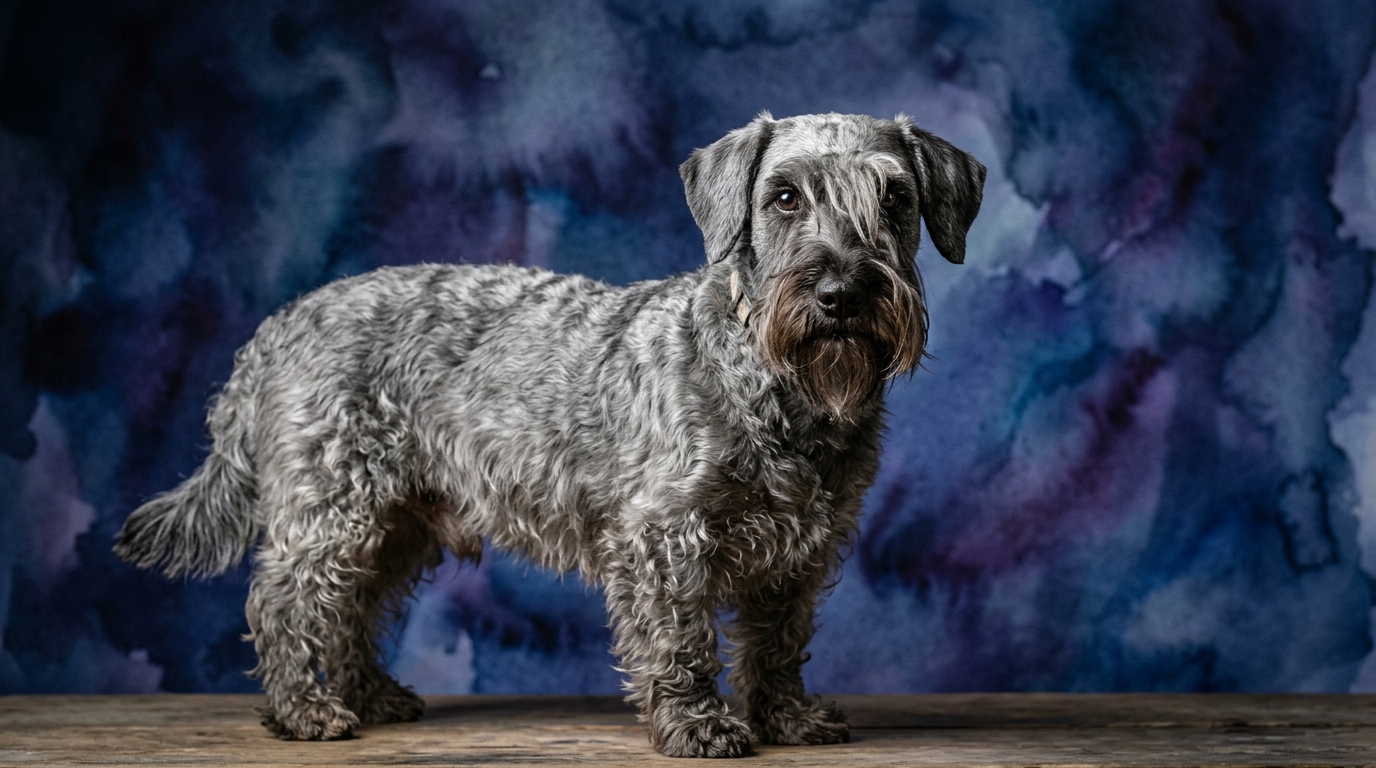
Side-by-Side IQ Profile: Cesky Terrier
For the Cesky Terrier, a Problem Solving score of 3/5 reflects a practical, independent approach. Bred to hunt small game, they excel at figuring out how to navigate tight spaces or overcome obstacles to reach a goal, often relying on their own initiative rather than waiting for human direction. Their solutions are typically direct and tenacious. A 3/5 in Training Speed indicates they grasp concepts at a moderate pace; while capable of learning a wide array of commands, their terrier independence means they might require consistent, patient, and highly engaging methods to maintain focus and compliance. They learn best when training feels like a partnership, not a command-and-obey dynamic. Ceskys exhibit a balanced Social Intelligence (3/5); they are generally amiable with their family and known companions, understanding social cues within their established pack, but their reserved nature with strangers and other animals means they might not always seek broad social interaction, preferring a close circle and clear boundaries. Their Instinctive Drive, also a 3/5, is moderately strong and deeply rooted in their terrier heritage, manifesting as a desire to dig, chase, and explore, particularly small moving objects; this drive requires thoughtful management and appropriate outlets. Finally, a Cesky's Memory at 3/5 means they retain learned information and experiences reasonably well, remembering routines, commands, and past interactions, both positive and negative, which aids in consistent training but also means they can hold onto unpleasant experiences if not properly managed.
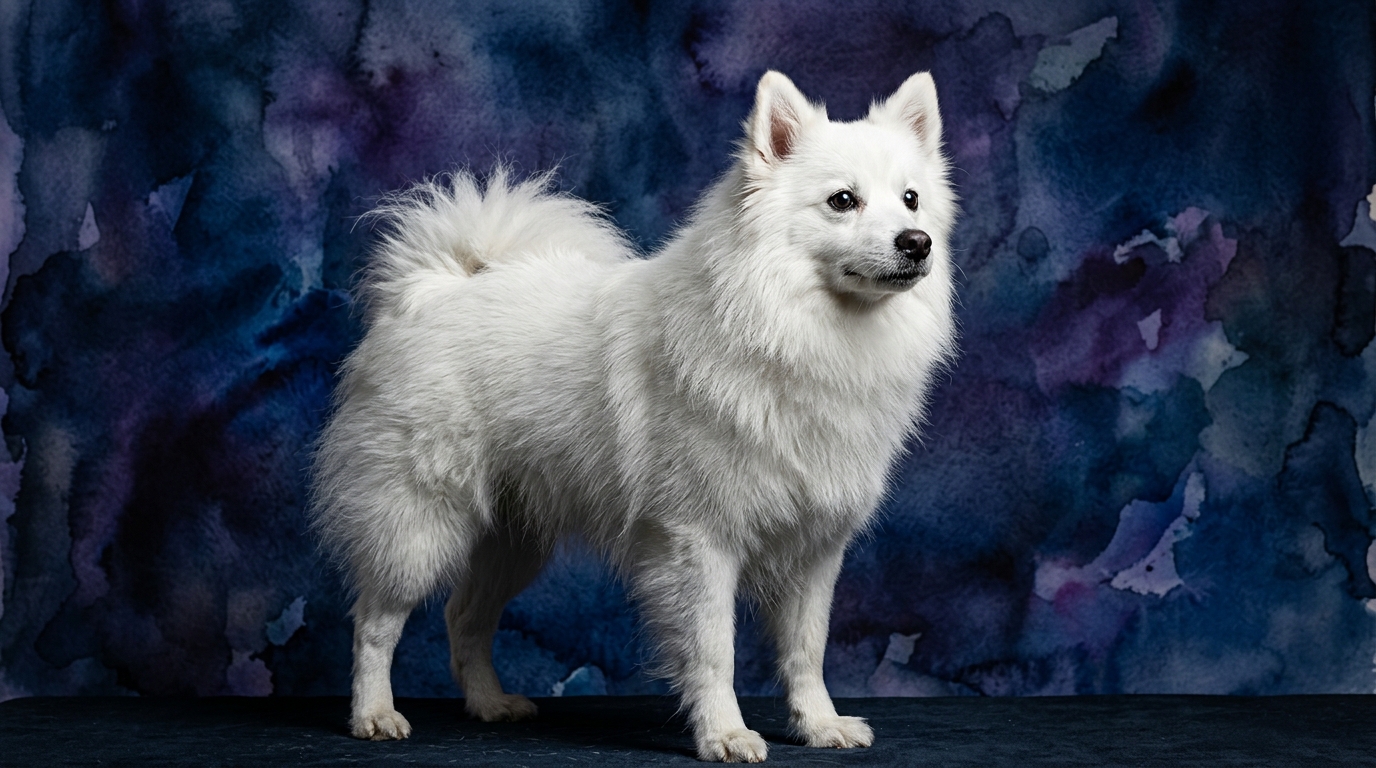
Side-by-Side IQ Profile: American Eskimo Dog
For the American Eskimo Dog, a 3/5 in Problem Solving often translates to an ability to figure out how to get what they want through observation and cleverness, especially if it involves human interaction; they might devise strategies to gain attention or access forbidden areas, often using their vocalizations or charming antics, with solutions that are more socially oriented. A 3/5 for Training Speed indicates they learn new tasks at a good pace, often eager to please their human companions; they respond well to positive reinforcement and consistency, thriving on the mental engagement that training provides, though they can have a stubborn streak if not motivated. Eskies possess a keen Social Intelligence (3/5), particularly attuned to human emotions and family dynamics; they are excellent communicators, using a variety of barks, yips, and body language to express themselves, thriving on being part of the family unit. The Eskie's Instinctive Drive, also a 3/5, is moderate but leans more towards guarding and performing than hunting; they have a natural inclination to alert their owners to new sights or sounds and enjoy activities that involve showing off their agility and cleverness, driven by their 'pack' mentality. An American Eskimo Dog's Memory at 3/5 is quite robust; they remember people, places, and commands effectively, and can recall complex sequences of tricks or routines, with this strong memory contributing to their trainability and their ability to form deep, lasting bonds with their families.
Where the Cesky Terrier Wins Cognitively
The Cesky Terrier, with its historical role as a small game hunter, exhibits a distinct cognitive edge in scenarios demanding independent thought and tenacious pursuit of a goal. Their Problem Solving score of 3/5, while numerically matching the Eskie, often manifests as a more self-directed approach; a Cesky will typically analyze a physical obstacle, like a burrow or a puzzle toy, and systematically work through solutions without constant human prompting. Their Instinctive Drive, also a 3/5, fuels a focused determination that allows them to persist at tasks, especially those involving scent work or retrieving, long after other breeds might lose interest. This independent drive means they are adept at making decisions in dynamic environments, relying on their own assessment rather than waiting for a cue, which can be invaluable in certain problem-solving contexts.
Where the American Eskimo Dog Wins Cognitively
The American Eskimo Dog, rooted in a history of companionship and performance, shows a cognitive advantage in areas requiring social attunement and expressive communication. Their Social Intelligence score of 3/5, though numerically similar, translates into a sophisticated understanding of human social cues and emotional states; an Eskie is often quicker to pick up on subtle changes in their owner's mood or intentions and will adapt their behavior accordingly, whether offering comfort or seeking engagement. Their Problem Solving, also 3/5, frequently involves human interaction; they are skilled at 'working' their people to achieve a desired outcome, often employing vocalizations and charming antics. This breed's memory (3/5) also shines in retaining complex sequences of tricks or routines, demonstrating a cognitive flexibility geared towards collaborative learning and performance.
Which is Easier to Train and Why
Determining which breed is 'easier' to train hinges significantly on an owner's approach and understanding of breed-specific motivations. The American Eskimo Dog often appears more readily trainable for the average owner due to their inherent eagerness to please and strong desire for companionship, reflected in their Social Intelligence and Training Speed scores of 3/5. They thrive on positive reinforcement and enjoy the mental stimulation of learning new commands and tricks, often viewing training as a fun, collaborative activity. Their vocal nature also makes them adept at communicating their needs or understanding. In contrast, the Cesky Terrier, while equally capable with a 3/5 in Training Speed, possesses a more independent and sometimes stubborn streak, characteristic of many terriers. They learn quickly but might question the necessity of a command or prefer to solve problems their own way. Training a Cesky requires creativity, patience, and making the process highly engaging to overcome their independent nature, whereas an Eskie often brings a natural enthusiasm to the training ring.
Which Suits Active Owners vs. Relaxed Owners
When considering lifestyle, both breeds require regular engagement, but their preferred activities differ. The Cesky Terrier, with its moderate Instinctive Drive (3/5) and independent problem-solving skills, thrives with owners who can provide purposeful activities that engage their mind and body. This means more than just a walk; they benefit from scent games, earthdog trials, agility, or puzzle toys that challenge their innate hunting instincts and problem-solving abilities. They are suitable for active owners who enjoy structured outdoor adventures and are prepared to channel their terrier drive into productive outlets. For relaxed owners, a Cesky might prove challenging if their mental and physical needs aren't met, potentially leading to boredom-induced behaviors. The American Eskimo Dog, while also possessing a 3/5 Instinctive Drive, channels this into social interaction and performance. They are excellent companions for active owners who enjoy walks, runs, or dog sports like obedience and agility, where they can work closely with their human. However, their strong social intelligence and adaptability also make them a good fit for more relaxed owners, provided they receive ample companionship, mental stimulation through training, and regular, moderate exercise. Their happiness often stems from being an integral part of family life, making them quite versatile for various lifestyles as long as their need for connection is met.
The Verdict
Choose the Cesky Terrier if you appreciate an independent, tenacious companion eager to engage in purposeful, scent-driven activities and problem-solving challenges, and you are prepared for a dog that sometimes prefers to think for itself.
Choose the American Eskimo Dog if you desire a highly social, communicative, and eager-to-please companion who thrives on close family interaction, enjoys learning tricks, and is adaptable to various activity levels as long as they are involved.
🧠 Find Your Pet's IQ Score
Our Pet IQ Lab assessment covers 25+ tests across 5 cognitive dimensions — personalized to your breed.
Take the Full IQ Test →Frequently Asked Questions
Do Cesky Terriers and American Eskimo Dogs get along with other pets?
Cesky Terriers, stemming from a hunting background, can have a moderate prey drive (Instinctive Drive 3/5) and may require careful, early socialization with other pets, especially smaller ones. American Eskimo Dogs, with their strong social intelligence (3/5), generally adapt well to other household pets if introduced properly, though they may try to 'herd' them.
Are either of these breeds good for first-time dog owners?
The American Eskimo Dog, due to its eagerness to please and social intelligence (both 3/5), can be a good choice for committed first-time owners who are prepared for consistent training and socialization. The Cesky Terrier's independent nature (Problem Solving 3/5, Training Speed 3/5) might present more of a challenge for novice owners, requiring a dedicated approach to training and managing their terrier traits.
What kind of mental stimulation do these breeds need?
Both breeds benefit from mental stimulation, scoring 3/5 across cognitive dimensions. Cesky Terriers thrive on puzzle toys, scent work, and activities that allow them to use their natural problem-solving and hunting instincts. American Eskimo Dogs enjoy learning new tricks, interactive games, and activities that involve close interaction with their owners, leveraging their strong social intelligence and memory.