Side-by-Side IQ Profile: Cesky Terrier vs. Coton de Tuléar
The Cosmic Pet Pet IQ Lab assesses five key dimensions of canine intelligence, offering a nuanced view beyond simplistic labels. For both the Cesky Terrier and the Coton de Tuléar, each dimension scores a competent 3/5, indicating a solid, functional intellect, but how these scores manifest differs significantly due to their distinct breed histories.
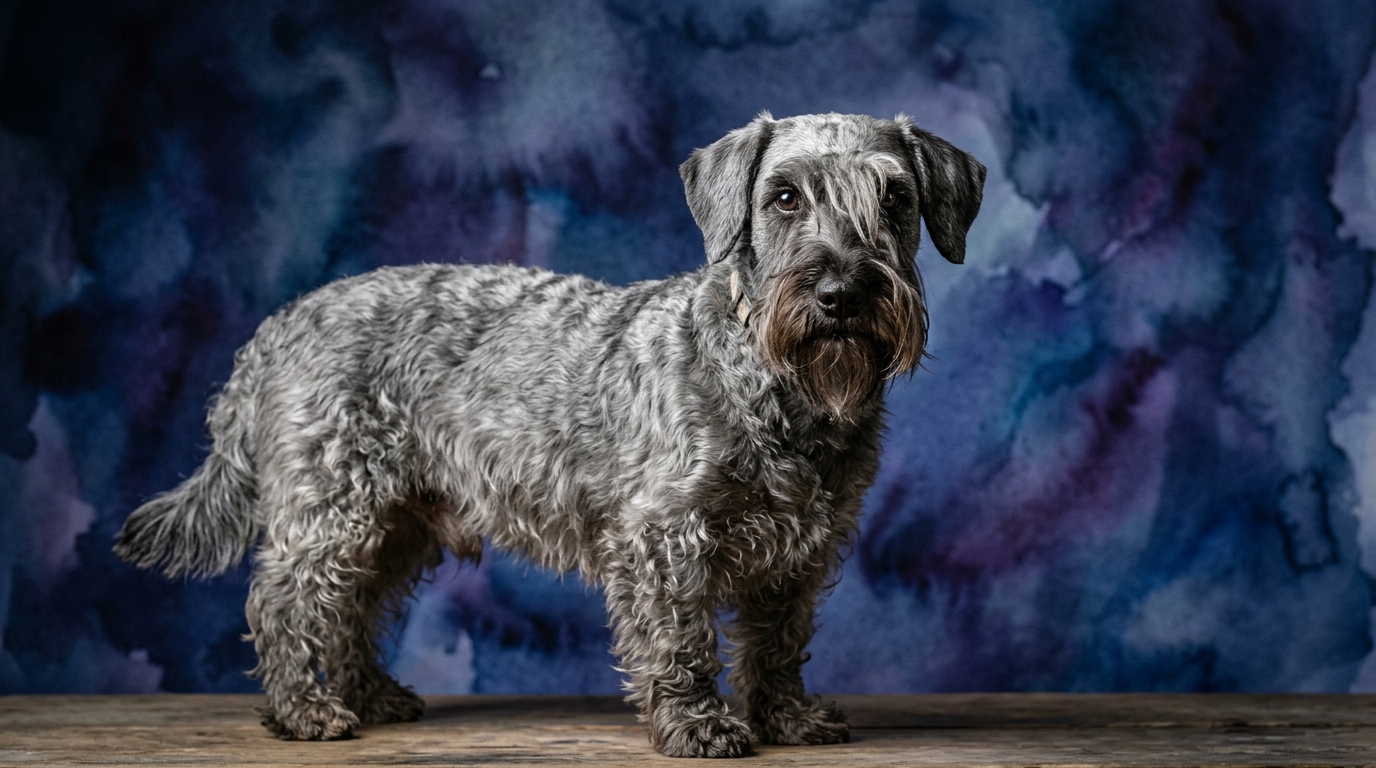
The Cesky Terrier, originating from Czechoslovakia as a versatile hunter of small game, embodies a practical, independent intelligence. Its Problem Solving (3/5) is characterized by tenacity and self-reliance, often involving figuring out how to navigate complex terrain or access a hidden scent without direct human intervention. Training Speed (3/5) is moderate; they learn, but their terrier independence means consistency is paramount. Their Social Intelligence (3/5) focuses more on understanding their family unit's dynamics, often displaying a reserved but loyal affection. The Instinctive Drive (3/5) is strong, geared towards digging, chasing, and environmental exploration, reflecting their hunting heritage. Memory (3/5) is reliable for routines, commands, and experiences, particularly those tied to their independent pursuits.
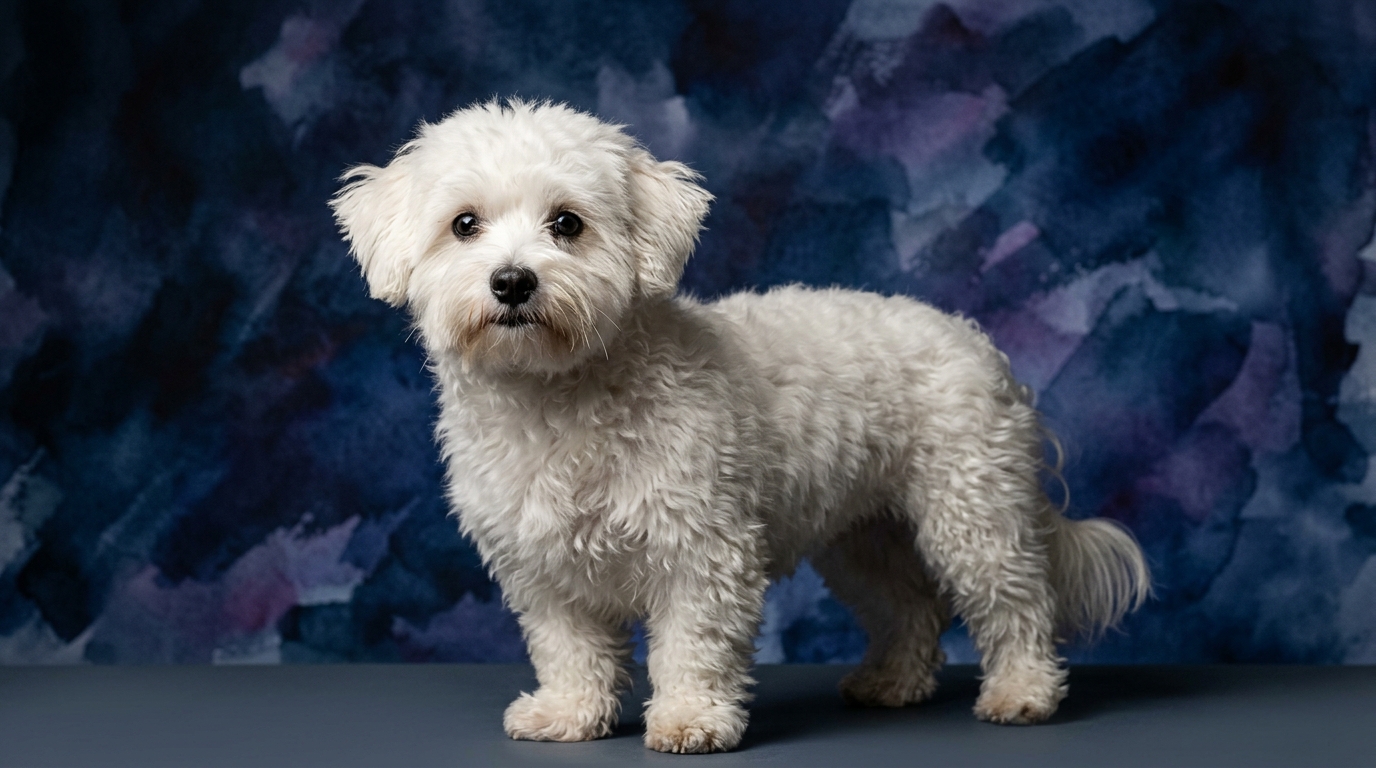
In contrast, the Coton de Tuléar, a beloved companion dog from Madagascar, expresses its intelligence through social acumen and adaptability. Its Problem Solving (3/5) often manifests in clever ways to gain human attention or comfort, such as manipulating objects or situations to be closer to their people. Training Speed (3/5) is also moderate, but their eagerness to please and desire for interaction often make them highly responsive to positive, engaging training methods. Their Social Intelligence (3/5) is a standout, allowing them to read human emotions and intentions with remarkable accuracy, fostering deep bonds. The Instinctive Drive (3/5) is primarily directed towards companionship, play, and following their owner, rather than independent tasks. Memory (3/5) is robust, aiding their ability to remember people, routines, and training cues, which is crucial for their role as a devoted family member.
Where the Cesky Terrier Wins Cognitively
Despite identical 3/5 scores, the Cesky Terrier exhibits a particular cognitive strength in practical, self-directed problem-solving, especially when tasks mimic their ancestral hunting role. Their 3/5 Problem Solving is often demonstrated through persistent ingenuity in navigating physical obstacles or retrieving objects, where a terrier's determination to achieve an objective without constant human guidance comes to the fore. This breed shows a distinct advantage in activities requiring independent thought and sustained effort, such as scent work or earthdog trials, where their keen senses and tenacity are invaluable. Their 3/5 Instinctive Drive, while not exceptional, is channeled into a focused, purposeful engagement with their environment, making them highly effective when a task requires a dog to independently pursue a goal, such as tracking a scent or flushing out a 'quarry.'
Where the Coton de Tuléar Wins Cognitively
The Coton de Tuléar, with its consistent 3/5 scores, shines brightly in cognitive areas that enhance social bonding and adaptability within a human household. Their 3/5 Social Intelligence is particularly pronounced in their ability to interpret subtle human cues, emotional states, and household dynamics, allowing them to seamlessly integrate into family life and anticipate needs. This nuanced understanding enables them to offer comfort, initiate play at appropriate times, or simply adjust their behavior to maintain harmony. Their 3/5 Problem Solving often manifests as creative strategies to achieve social proximity or gain attention, such as cleverly 'asking' for a lap or using vocalizations to engage their owners, demonstrating a sophisticated understanding of their human companions' responses and routines.
Which is Easier to Train and Why
When evaluating ease of training, the Coton de Tuléar generally offers a more straightforward experience for the typical owner. Their 3/5 Training Speed is significantly bolstered by their highly developed 3/5 Social Intelligence and an innate desire to please, making them exceptionally receptive to human feedback and eager to participate in interactive learning sessions. Cotons thrive on positive reinforcement, responding enthusiastically to praise, treats, and the opportunity for shared activity with their owner, which makes training feel like a collaborative game. This intrinsic motivation for companionship often translates into quicker retention and a more willing compliance.
The Cesky Terrier, while also scoring 3/5 in Training Speed, can present more challenges due to its terrier independence and strong 3/5 Instinctive Drive. They learn competently, but their problem-solving nature sometimes leads them to prioritize their own investigations or interests over a human command, especially if the command isn't immediately engaging or rewarding. Training a Cesky demands consistent, firm, but fair leadership, coupled with engaging methods that respect their working dog heritage. Owners must be patient and understand that a Cesky might need more convincing to perform a task if it doesn't align with their intrinsic drives, making them potentially less 'easy' for a novice trainer compared to the Coton's eager-to-please disposition.
Which Suits Active Owners vs. Relaxed Owners
For active owners seeking a canine partner for engaging outdoor pursuits and structured activities, the Cesky Terrier often proves to be the more fitting choice. Their 3/5 Instinctive Drive fuels a genuine enthusiasm for exploration, scent work, and vigorous play, making them excellent companions for hiking, earthdog trials, or agility. Ceskys possess a sturdy build and a tenacious spirit that thrives on having a 'job' or a purpose-driven activity, aligning perfectly with owners who enjoy a dynamic lifestyle and can provide consistent mental and physical stimulation to prevent boredom and channeling their energy productively. Their independent problem-solving skills make them adept at navigating varied environments and embracing new challenges.
Conversely, the Coton de Tuléar, while certainly enjoying walks and playtime, is better suited for more relaxed owners or those whose primary focus is companionship and indoor comfort. Their 3/5 Instinctive Drive is more oriented towards social interaction and being close to their people, making them content with moderate daily exercise and ample cuddle time. Cotons are highly adaptable to apartment living and thrive on being an integral, cherished part of family life, often following their owners from room to room. They are ideal for individuals or families seeking a devoted, less physically demanding companion who excels at emotional support and harmonious cohabitation, valuing consistent social engagement above rigorous physical activity.
The Verdict
Choose the Cesky Terrier if you appreciate a dog with independent problem-solving skills and a focused drive for exploration, thriving in an active household that can engage its terrier instincts.
Opt for the Coton de Tuléar if you desire a highly socially intelligent companion, eager to please and adapt to family life, perfect for owners who value close emotional bonds and moderate activity.
🧠 Find Your Pet's IQ Score
Our Pet IQ Lab assessment covers 25+ tests across 5 cognitive dimensions — personalized to your breed.
Take the Full IQ Test →Frequently Asked Questions
Do Cesky Terriers get along with other pets?
Cesky Terriers can coexist with other pets, especially if socialized from a young age, but their 3/5 instinctive drive means they may retain a strong prey drive towards smaller animals. Careful introductions and supervision are always recommended to ensure harmony and prevent issues.
Are Coton de Tuléars prone to separation anxiety?
Coton de Tuléars, with their 3/5 social intelligence and strong bond with their owners, can be prone to separation anxiety if left alone for extended periods. They thrive on companionship and prefer to be an active participant in family life, so consistent training and enrichment are vital to prevent distress.
How much exercise do these breeds need daily?
The Cesky Terrier, with its 3/5 instinctive drive and sturdy build, benefits from 30-60 minutes of varied, engaging exercise daily, including walks, play, and mental challenges. The Coton de Tuléar, while active, typically requires 20-30 minutes of moderate exercise, such as walks and indoor play, content with being close to its human companions.