Side-by-Side IQ Profile: Chartreux vs. Japanese Bobtail
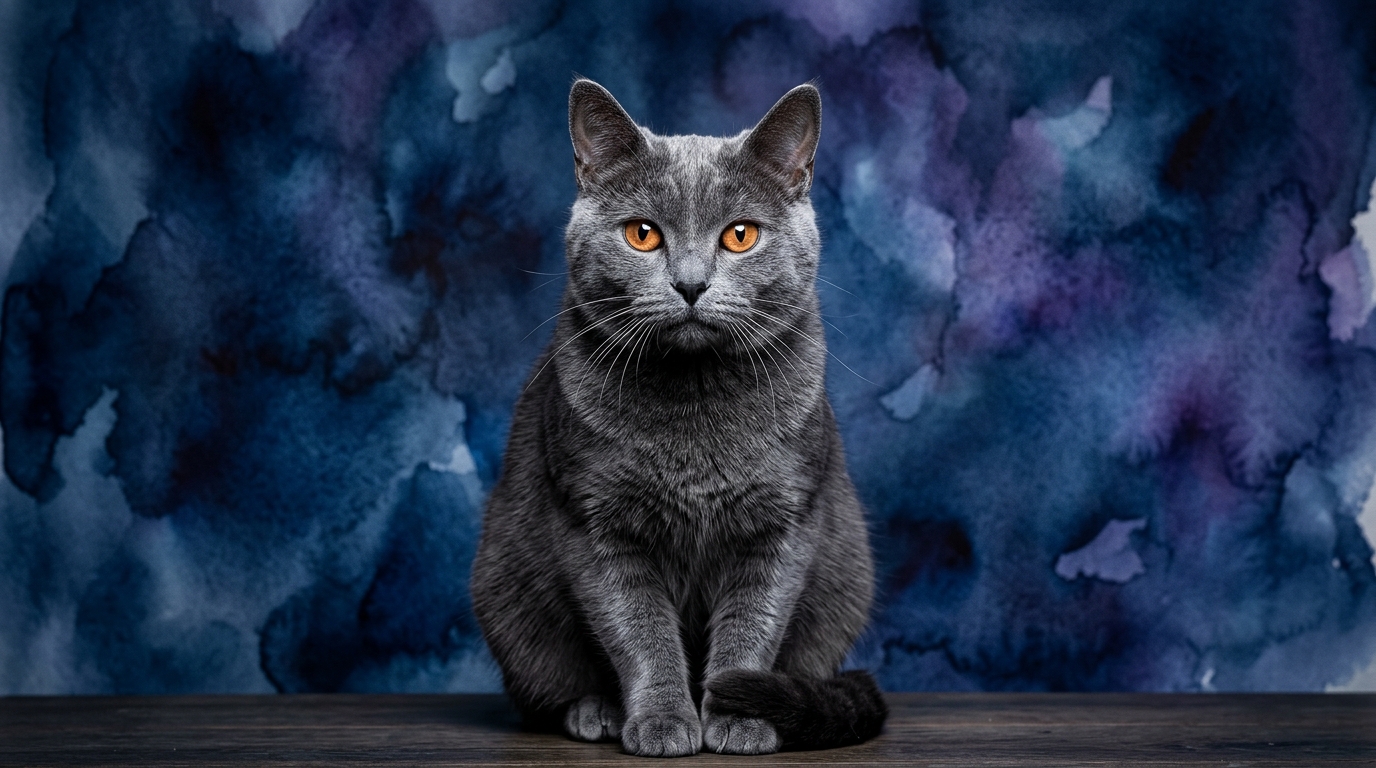
The Cosmic Pet Pet IQ Lab provides a unique lens through which to compare feline cognition, breaking down intelligence into five core dimensions. For the Chartreux, we observe a robust cognitive profile: Problem Solving 4/5, Training Speed 3/5, Social Intelligence 4/5, Instinctive Drive 4/5, and Memory 4/5. This indicates a cat that is generally adept at navigating challenges, deeply engaged with its human companions, and possesses a strong recall.
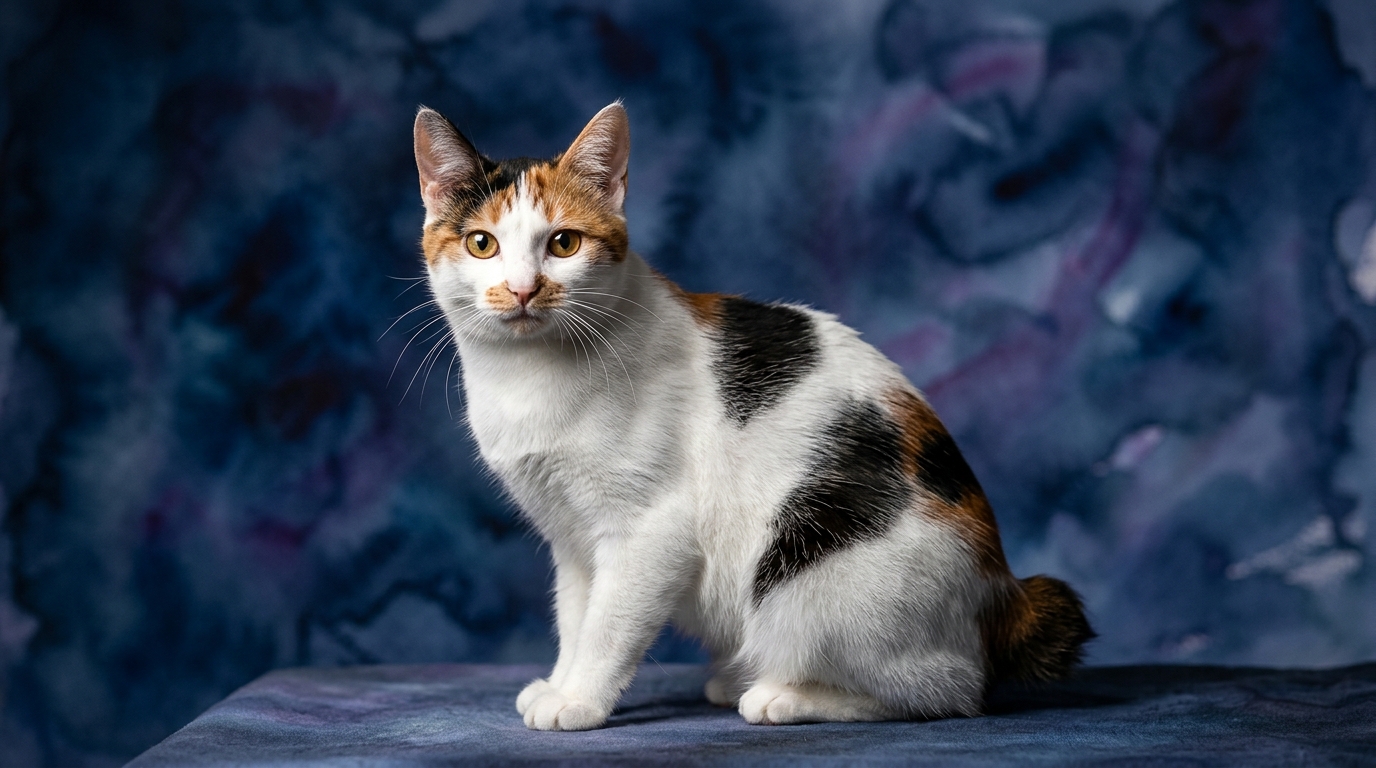
In contrast, the Japanese Bobtail presents a consistently balanced profile: Problem Solving 3/5, Training Speed 3/5, Social Intelligence 3/5, Instinctive Drive 3/5, and Memory 3/5. While not reaching the Chartreux's peaks in specific areas, this consistent scoring suggests a well-rounded and adaptable cognitive experience, making them capable and engaging companions in a distinctly different manner.
Delving into the Chartreux's scores, their 4/5 in Problem Solving points to a cat that readily figures out how to access treats, open simple latches, or manipulate interactive toys to achieve a desired outcome. Their 4/5 Social Intelligence means they are often attuned to human moods and cues, frequently seeking interaction and offering comfort. A 4/5 Instinctive Drive translates to a cat that likely enjoys vigorous play sessions, chasing toys with enthusiasm, and perhaps a keen interest in bird-watching. Finally, their 4/5 Memory suggests they retain routines, remember specific people or places over long periods, and learn from past experiences effectively.
For the Japanese Bobtail, the consistent 3/5 scores across the board paint a picture of a capable and steady feline mind. Their 3/5 in Problem Solving indicates they can tackle moderately complex puzzles and learn through trial and error, though perhaps with less initial ingenuity than a Chartreux. A 3/5 Social Intelligence means they are amiable and enjoy human company, participating in household activities without necessarily demanding constant, intense interaction. Their 3/5 Instinctive Drive suggests they enjoy play and interaction, but might not possess the relentless energy of a breed with a higher score, making them content with regular but not overwhelming play sessions. A 3/5 Memory indicates they remember routines, familiar faces, and learned behaviors reliably, contributing to their adaptable nature.
Where the Chartreux Outperforms Cognitively
The Chartreux demonstrates a distinct edge in several cognitive dimensions, particularly in Problem Solving, Social Intelligence, Instinctive Drive, and Memory, each rated at 4/5 compared to the Bobtail's 3/5. This means a Chartreux is often more adept at intricate environmental manipulation; they might more quickly deduce how to open a child-proof cabinet or master a multi-stage puzzle feeder. Their heightened problem-solving capacity suggests they approach novel situations with a more analytical curiosity, attempting various solutions until they succeed.
In terms of social engagement, the Chartreux's 4/5 Social Intelligence suggests a deeper attunement to human emotional states and a more pronounced desire for interactive companionship. An owner might observe a Chartreux offering comfort when they are upset or consistently initiating nuanced interactions, perhaps by gently nudging for attention or following them from room to room with a watchful gaze. Their robust Instinctive Drive means they bring a more intense and focused energy to play, often demonstrating impressive agility and strategic thinking during a chase, which can be particularly engaging for owners who enjoy interactive games. Furthermore, their superior Memory means a Chartreux is more likely to recall specific events, recognize individuals after extended absences, or remember complex sequences of actions, making them highly predictable within established routines and quick to learn new ones.
Where the Japanese Bobtail's Balanced Approach Shines
While the Chartreux shows higher scores in specific areas, the Japanese Bobtail's consistent 3/5 across all cognitive dimensions offers a unique and equally valuable profile. This balanced approach suggests a cat that is consistently capable, adaptable, and less prone to extremes in any single cognitive trait. Owners often find this consistent cognitive baseline translates into a predictable and generally easygoing companion, one that integrates smoothly into various household dynamics without demanding intense mental stimulation or highly specific social interactions.
Their 3/5 Problem Solving means they are still capable of learning and adapting, but perhaps with a more straightforward approach, less likely to become overly fixated on complex challenges that might frustrate a cat with a higher score if not quickly solved. The Japanese Bobtail's 3/5 Social Intelligence allows them to be affectionate and engaged with their human family without being overly demanding or reliant on constant interaction, making them a comfortable presence that enjoys company but respects personal space. Similarly, their 3/5 Instinctive Drive ensures they enjoy play and interaction, but might be less prone to destructive behaviors if their hunting instincts aren't constantly channeled, offering a more moderate and manageable energy level for daily life. This breed's consistent cognitive profile can be a significant advantage for owners seeking a reliably amiable and capable feline friend who thrives on a steady routine and moderate engagement.
Which is Easier to Train and Why?
Both the Chartreux and the Japanese Bobtail share a Training Speed score of 3/5, suggesting they learn new behaviors at a consistent and moderate pace. However, their differing scores in other cognitive dimensions can influence the *experience* of training. The Chartreux, with its 4/5 Problem Solving and 4/5 Memory, might demonstrate a greater capacity for understanding the 'why' behind a command or generalizing a learned behavior to new contexts more quickly. For instance, a Chartreux might more readily apply the concept of 'sit' learned for treats to a 'sit' before going outside, due to their robust memory and ability to connect cause and effect across situations. Their higher Social Intelligence also means they are likely very responsive to positive reinforcement and praise, eager to please their human companions.
The Japanese Bobtail, while also a 3/5 in Training Speed, might benefit from a more consistent, step-by-step training approach, relying on their steady memory and moderate problem-solving skills to build habits. They are less likely to overthink a command or try to find a 'shortcut,' making them reliably trainable for basic commands and litterbox habits. Their 3/5 Social Intelligence means they enjoy interaction during training but might not be as deeply motivated by social cues alone as a Chartreux, potentially responding best to clear, consistent rewards. Ultimately, both breeds are trainable, but the Chartreux might offer more opportunities for advanced trick training or complex behavioral shaping due to its higher cognitive scores in related areas, while the Japanese Bobtail provides a steady and reliable learning partner for foundational training.
Which Suits Active Owners vs. Relaxed Owners?
For owners with an active lifestyle who enjoy engaging deeply with their pets, the Chartreux presents an ideal companion. Their 4/5 Problem Solving means they thrive on mental stimulation through puzzle toys, interactive games, and even learning complex tricks. Their 4/5 Instinctive Drive translates into a love for vigorous play sessions, requiring an owner who is willing to provide ample opportunities for chasing, pouncing, and exploring. Furthermore, their 4/5 Social Intelligence means they often seek out interaction and form strong bonds, making them well-suited for owners who appreciate a cat that is highly present and involved in daily activities, almost like a shadow companion.
Conversely, the Japanese Bobtail, with its consistently balanced 3/5 scores, is an excellent fit for owners who prefer a more relaxed yet still engaging feline companion. While they enjoy play and interaction, their 3/5 Instinctive Drive means they might not demand constant, intense activity, making them content with moderate play sessions and independent exploration. Their 3/5 Social Intelligence ensures they are affectionate and enjoy companionship without being overly demanding of attention, making them adaptable to households with varying levels of activity. For an owner who appreciates a cat that is amiable, reliably present, and capable without requiring extensive daily mental challenges or intense physical exercise, the Japanese Bobtail offers a wonderfully harmonious presence.
The Verdict
Choose a Chartreux if you desire a feline companion that thrives on mental challenges, enjoys deep social interaction, and brings a vibrant, curious energy to your home.
Opt for a Japanese Bobtail if you seek a consistently amiable, adaptable, and capable cat that offers a balanced cognitive profile and integrates smoothly into a variety of relaxed home environments.
🧠 Find Your Pet's IQ Score
Our Pet IQ Lab assessment covers 25+ tests across 5 cognitive dimensions — personalized to your breed.
Take the Full IQ Test →Frequently Asked Questions
Are Chartreux cats good with children?
With a Social Intelligence score of 4/5, Chartreux cats are generally very good with children, often forming strong bonds and enjoying interactive play. Their patient and observant nature allows them to adapt well to the dynamics of a family environment.
Do Japanese Bobtails require a lot of grooming?
Japanese Bobtails typically have a single coat with minimal undercoat, meaning they require relatively little grooming. Their short, bobbed tail is a natural trait and doesn't require special care, making them a low-maintenance choice in terms of coat upkeep.
Can Chartreux cats be trained to walk on a leash?
Given their 3/5 Training Speed and 4/5 Problem Solving and Memory, Chartreux cats can certainly be trained to walk on a leash with patience and positive reinforcement. Their curious nature and strong bond with their owners often make them receptive to exploring the outdoors safely alongside their human companions.