Side-by-Side Cognitive Profiles
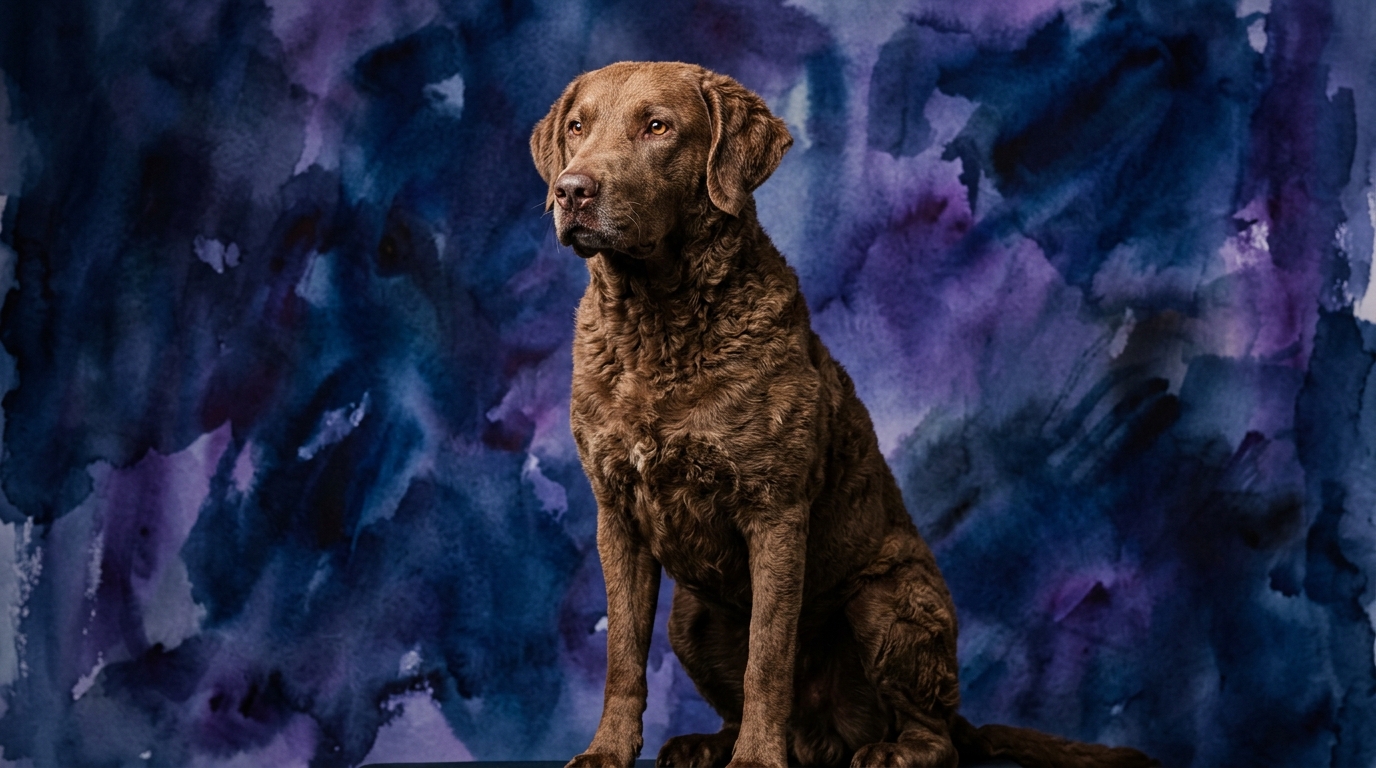
The Chesapeake Bay Retriever (Coren Rank #27), a robust waterfowl hunter, exhibits a powerful cognitive toolkit. With Problem Solving at 4/5, they demonstrate a significant capacity for independent thought, adeptly navigating complex environmental challenges and strategizing effective solutions in the field. Their Training Speed, also 4/5, indicates a quick grasp of new commands and routines, though this speed is often coupled with a strong, independent will that requires consistent, engaging methods to channel effectively. Social Intelligence, rated 3/5, means they form deep, loyal bonds with their chosen family but are typically reserved with strangers. Their Instinctive Drive, at 3/5, reflects a potent prey drive, particularly for retrieving, demanding ample outlets. Finally, a Memory score of 4/5 ensures they recall complex sequences, retrieve locations, and learned behaviors with impressive accuracy, vital for their demanding work.
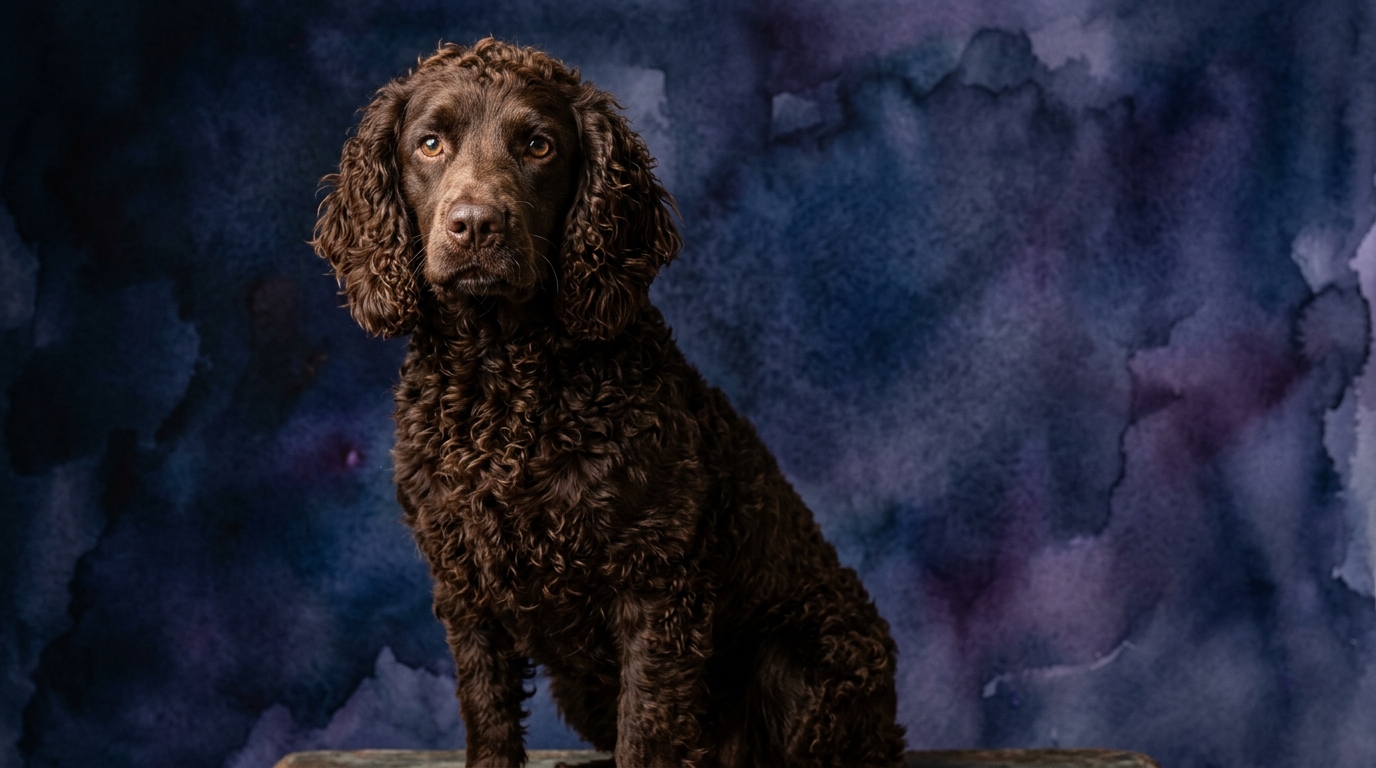
The American Water Spaniel (Coren Rank #44), a versatile retriever and flusher, presents a distinct cognitive profile. Their Problem Solving scores 3/5, indicating competence in navigating routine challenges and adapting to familiar situations, often looking to their owner for guidance in novel scenarios. Training Speed, at 3/5, means they are eager to please and respond well to positive reinforcement, though they may require more repetition to solidify new concepts compared to faster learners. Social Intelligence, matching the Chessie at 3/5, describes a friendly, adaptable, and enthusiastic companion, typically good-natured in various social settings. Their Instinctive Drive, also 3/5, manifests as a keen desire to hunt and retrieve, often with a softer, more cooperative approach than some larger retrievers. A standout trait is their Memory, rated 4/5, allowing them to retain learned commands, hunting patterns, and household routines effectively, a testament to their history as reliable and consistent working partners.
Where the Chesapeake Bay Retriever Excels Cognitively
The Chesapeake Bay Retriever’s cognitive strengths are particularly evident in its superior Problem Solving ability (4/5) and faster Training Speed (4/5). This combination means a Chessie can more readily figure out how to overcome obstacles in their environment, whether it's navigating dense cover to find a downed bird or strategizing the most efficient path through choppy water. Their quicker training acquisition means they can master complex multi-step commands and sequences in fewer repetitions, making them highly efficient partners for advanced fieldwork or competitive dog sports requiring intricate routines. This breed’s robust memory (4/5) further enhances these strengths, ensuring that once a solution is found or a command is learned, it is retained with impressive fidelity, allowing for consistent performance in demanding situations.
Where the American Water Spaniel Shines Cognitively
While the American Water Spaniel’s problem-solving and training speed scores are slightly lower, its cognitive strengths emerge through its specific blend of traits. Its 4/5 Memory stands as a prominent asset, matching the Chessie's capacity for recall, which is vital for remembering complex hunting patterns, specific commands, and the locations of game. This robust memory, coupled with its 3/5 Social Intelligence, often manifests as a highly adaptable and emotionally perceptive companion. They excel at reading human cues and adapting their behavior within a family unit, sometimes making them feel more 'tuned in' to their owner's emotional state despite an equal social intelligence score. Their balanced instinctive drive (3/5) ensures a persistent yet often more cooperative approach to retrieving, making their application of intellect in fieldwork feel less independent and more collaborative.
Training Dynamics: Chesapeake Bay Retriever vs. American Water Spaniel
When evaluating ease of training, the Chesapeake Bay Retriever, with its 4/5 Training Speed, generally picks up new commands and concepts more quickly. However, this speed is often paired with a strong, independent will, meaning that while they learn fast, they also require a trainer who can provide firm, consistent, and engaging leadership. Behavioral differences include their potential for stubbornness if not properly motivated, necessitating varied training techniques and a clear understanding of boundaries. Conversely, the American Water Spaniel, with a 3/5 Training Speed, may require more repetitions to solidify new behaviors. Yet, their eager-to-please nature and typically softer temperament make them highly responsive to positive reinforcement and less prone to outright defiance. Training an AWS often feels more like a collaborative effort, with their enthusiasm making up for a slightly slower initial learning curve, resulting in a dog that is generally more biddable and less challenging for novice trainers.
Activity Levels and Owner Suitability
For owners seeking an active lifestyle companion, both breeds are excellent choices, but their energy expression differs. The Chesapeake Bay Retriever, with its powerful build and 3/5 Instinctive Drive, thrives with challenging, rigorous activity. They require substantial daily exercise that engages both their body and their problem-solving mind, such as long retrieves, scent work, or demanding hikes. This breed is best suited for highly active individuals or families who can dedicate significant time to outdoor adventures and structured training, channeling their intelligence and drive into productive outlets. A less active home might find a Chessie becoming restless or destructive. The American Water Spaniel, while also an active sporting dog with a 3/5 Instinctive Drive, is often more adaptable to varying activity levels. They certainly need regular exercise and mental stimulation, but their smaller size and slightly less intense drive mean they can be content with vigorous daily walks, swimming sessions, and interactive play, alongside ample family time. They are well-suited for active owners who enjoy outdoor pursuits but might also appreciate a dog that can settle down more readily indoors, making them potentially a better fit for moderately active families or those with slightly less extensive outdoor demands.
The Verdict
Choose the Chesapeake Bay Retriever if you are an experienced dog owner seeking a highly capable, independent working partner for demanding outdoor activities and enjoy the challenge of training a quick but strong-willed intellect.
Opt for the American Water Spaniel if you desire a versatile, eager-to-please companion for moderately active outdoor pursuits and appreciate a dog that is generally more biddable and adaptable to family life.
🧠 Find Your Pet's IQ Score
Our Pet IQ Lab assessment covers 25+ tests across 5 cognitive dimensions — personalized to your breed.
Take the Full IQ Test →Frequently Asked Questions
Are Chesapeake Bay Retrievers harder to manage due to their independence?
Their independence (Problem Solving 4/5) and strong will can make them more challenging for inexperienced owners. Consistent training, early socialization, and clear boundaries are crucial to channel their capabilities effectively and prevent behavioral issues.
How does the American Water Spaniel's memory benefit owners?
The AWS's 4/5 memory ensures they reliably recall commands and routines, making them consistent performers in tasks like retrieving or agility. This strong recall also aids in house-training and remembering household rules, contributing to a well-adjusted companion.
Which breed is better for a multi-pet household?
Both breeds have a Social Intelligence of 3/5. The American Water Spaniel's generally more adaptable and cheerful demeanor might make introductions smoother in a multi-pet household, though early socialization is vital for both to foster positive relationships with other animals.