Side-by-Side IQ Profile
The Cosmic Pet Pet IQ Lab employs a five-dimensional framework to assess canine intelligence, offering a nuanced view beyond simple obedience. Let's apply this lens to the Chesapeake Bay Retriever and the Black and Tan Coonhound.
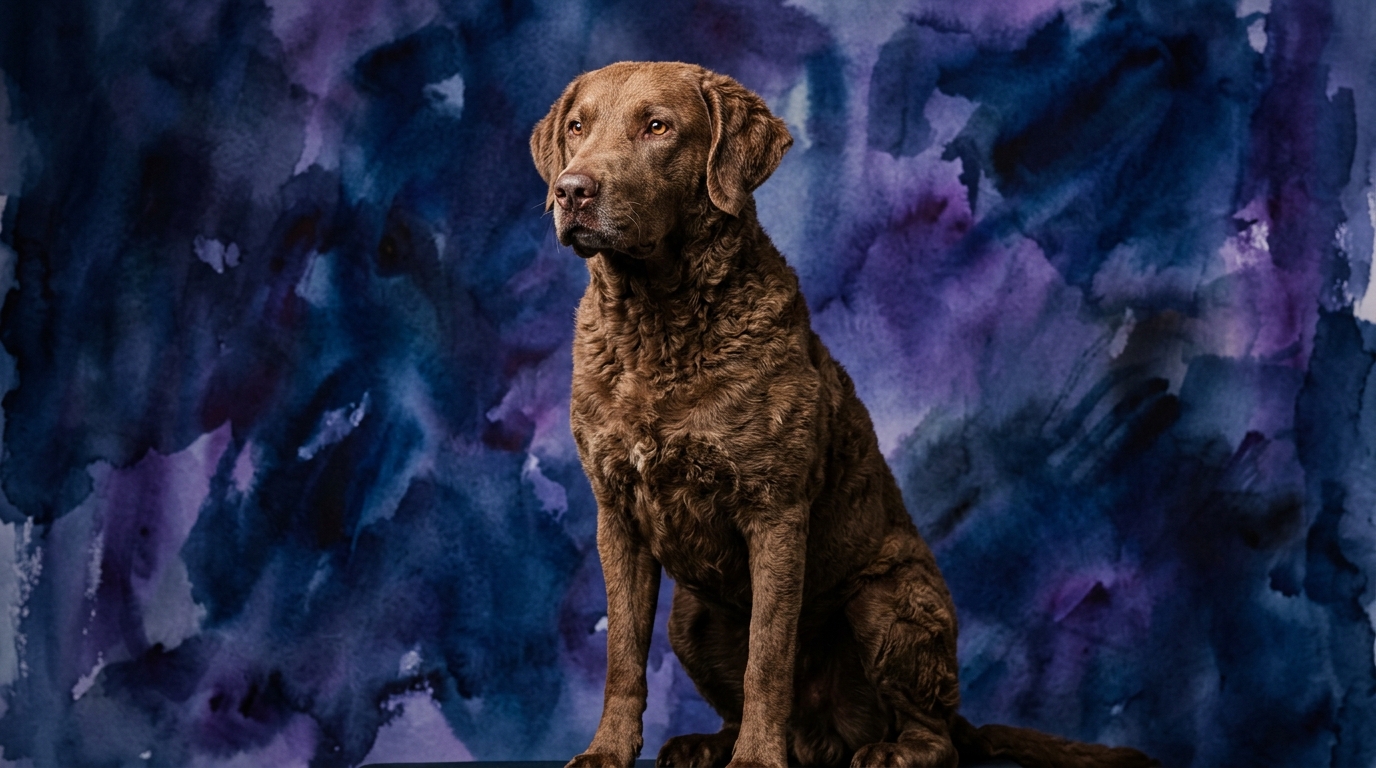
Chesapeake Bay Retriever:
Problem Solving (4/5): Chessies show a strong capacity for understanding complex scenarios, particularly in retrieving tasks. They can independently assess situations, like navigating obstacles to reach a downed bird, adapting their approach effectively.
Training Speed (4/5): These dogs typically grasp new commands and routines with impressive quickness. Their eagerness to engage and work alongside a handler contributes to rapid learning in structured training environments.
Social Intelligence (3/5): While forming deep bonds with family, Chessies can be reserved with strangers. They understand human cues within their trusted circle but may not seek broad social interaction.
Instinctive Drive (3/5): Their primary drive lies in retrieving, characterized by a persistent desire to work in and around water. This instinct is efficiently channeled into specific tasks.
Memory (4/5): Chessies excel at recalling learned commands, complex sequences, and specific locations. This strong memory is crucial for their role in hunting, remembering fall zones and routes.
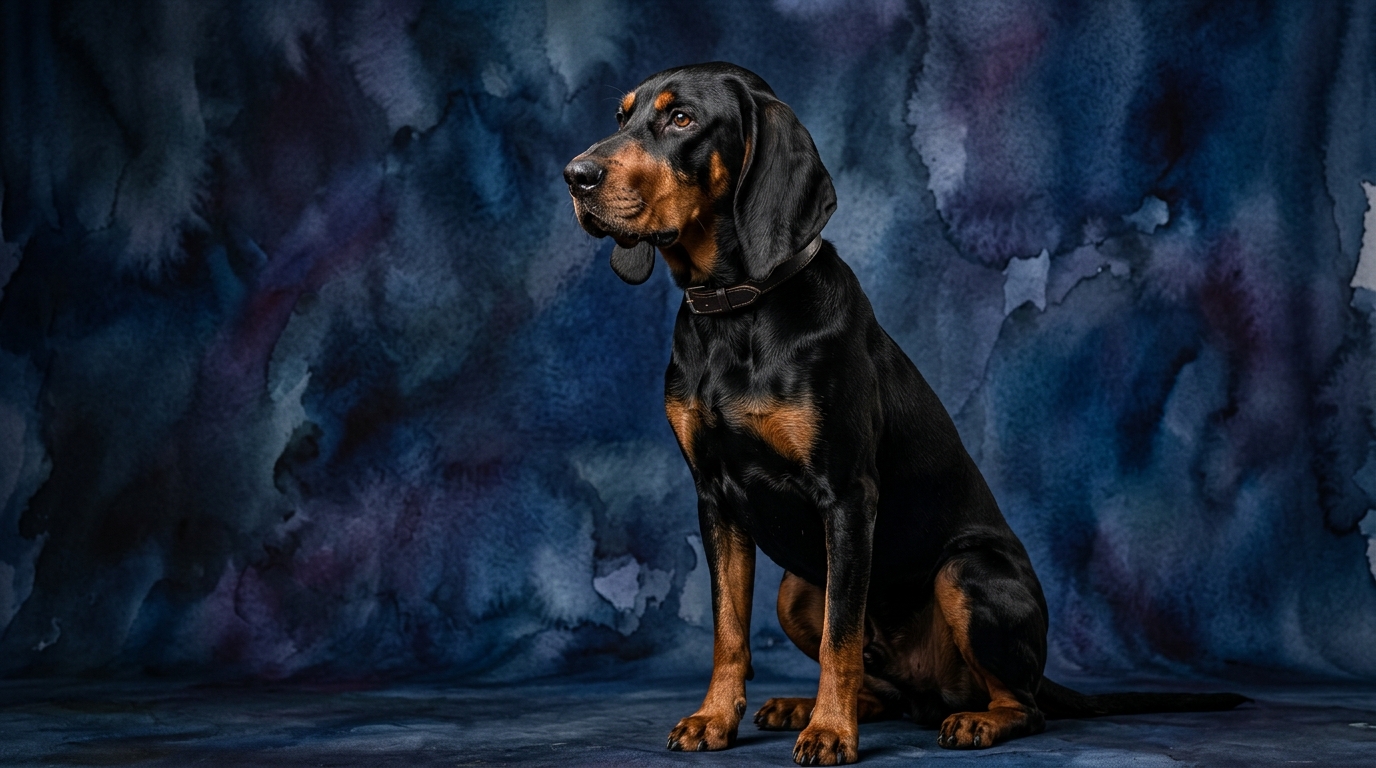
Black and Tan Coonhound:
Problem Solving (3/5): The Coonhound's problem-solving is specialized for trailing. They adeptly decipher scent puzzles in varied environments, but abstract, human-directed tasks might be less intuitive.
Training Speed (3/5): Coonhounds require consistent, patient training. Their independent nature and powerful scent focus can make them less eager to comply with general obedience when a compelling scent is present.
Social Intelligence (3/5): Generally amiable and affectionate with family, their social awareness can be overridden by their primary drive. On a scent, they may seem oblivious to external social cues.
Instinctive Drive (3/5): The Coonhound embodies a powerful, singular drive: tracking a scent. This is all-consuming when activated, leading to unwavering pursuit that can overshadow other behaviors.
Memory (3/5): Their memory is acute for scents and trails, allowing them to follow complex paths and recall scent signatures. General obedience memory, while present, may not be as robust or consistently applied.
Where Chesapeake Bay Retriever Wins Cognitively
The Chesapeake Bay Retriever, with its Coren rank of 27, demonstrates a pronounced cognitive advantage in versatile application of learned behaviors and independent decision-making beyond a singular instinct. Their problem-solving score of 4/5 reflects an aptitude for navigating complex environments and adapting strategies to achieve goals, like retrieving from challenging cover. They are adept at understanding and executing multi-step commands, showcasing a superior ability to process diverse instructions. Their rapid training speed (4/5) signifies a dog that quickly forms associations, making them highly responsive in dynamic work or sport settings. This enables them to excel in a broader spectrum of activities, from competitive obedience to search and rescue, where adaptability and partnership are paramount.
Where Black and Tan Coonhound Wins Cognitively
While the Chesapeake Bay Retriever excels in generalist problem-solving, the Black and Tan Coonhound's cognitive strengths are profoundly specialized and exceptionally effective within its domain. Their instinctive drive (3/5) is entirely dedicated to the intricate art of trailing, demanding unparalleled sensory discrimination and unwavering focus. What appears as a lower problem-solving score (3/5) actually belies an extraordinary ability to solve complex 'scent puzzles.' A Coonhound can differentiate myriad odors, follow faint, aged trails over diverse terrains, and ignore countless distractions, all while maintaining relentless pursuit. Their memory (3/5) is specialized to recall specific scent profiles and intricate trail patterns, allowing them to retrace steps with remarkable precision. This single-minded dedication represents a pinnacle of canine cognitive specialization.
Which Is Easier to Train and Why
When considering ease of training, the Chesapeake Bay Retriever generally presents a more straightforward experience. Their training speed (4/5) is significantly higher than the Black and Tan Coonhound's (3/5), meaning they typically pick up commands and routines more quickly. Chessies possess a strong desire to work cooperatively with their human partners, often displaying keen attentiveness during training. This responsiveness stems from their heritage as a working retriever. In contrast, the Coonhound’s training journey often requires greater patience and creativity. Their powerful instinctive drive (3/5) to follow a scent can be an overwhelming distraction, making it challenging to maintain focus on obedience commands. A Coonhound might understand a command but prioritize an intriguing scent, leading to perceived stubbornness. Their independent nature means they are less inherently inclined to seek constant direction.
Which Suits Active Owners vs. Relaxed Owners
Both breeds are ill-suited for truly sedentary owners, possessing significant energy and specific mental needs. However, their activity profiles diverge. The Chesapeake Bay Retriever is an excellent match for active owners who enjoy structured outdoor activities. Their need for physical exercise is considerable, thriving when engaged in purposeful work like retrieving, swimming, or dog sports such as obedience or agility. They require consistent mental stimulation through training and tasks to prevent boredom. For owners prepared to integrate their dog into a structured, active lifestyle involving regular, vigorous exercise and mental challenges, a Chessie will flourish. The Black and Tan Coonhound, while also requiring an active owner, suits a different kind of activity. They are ideal for individuals who appreciate long, exploratory walks or hikes where the dog can indulge its powerful scenting instincts. These hounds need ample opportunities to 'work their nose,' meaning allowing them to follow interesting trails at their own pace in secure areas. They are less about fast-paced sports and more about endurance and olfactory exploration.
The Verdict
Opt for a Chesapeake Bay Retriever if you seek a versatile working partner eager for structured training, dog sports, and a close, cooperative bond. Their problem-solving and memory skills make them adept at a wide range of tasks beyond their core retrieving instincts.
Select a Black and Tan Coonhound if you value a specialized scenting companion and enjoy long, exploratory outdoor adventures where their powerful nose can lead. Be prepared for a patient training approach and an independent spirit that thrives on olfactory challenges.
🧠 Find Your Pet's IQ Score
Our Pet IQ Lab assessment covers 25+ tests across 5 cognitive dimensions — personalized to your breed.
Take the Full IQ Test →Frequently Asked Questions
Are Black and Tan Coonhounds difficult to train?
Black and Tan Coonhounds can be more challenging to train than some breeds due to their independent nature and strong scent drive. They require consistent, patient training and positive reinforcement, as their focus can easily be diverted by an interesting smell.
Do Chesapeake Bay Retrievers require a lot of exercise?
Yes, Chesapeake Bay Retrievers are an active breed with significant exercise needs. They thrive on vigorous daily activity, including swimming, running, and retrieving, along with mental stimulation through training and purposeful tasks.
Can a Black and Tan Coonhound be a good family pet?
Yes, Black and Tan Coonhounds are generally amiable and affectionate with their families, making them good companions. However, their strong hunting instincts and need for specific types of exercise mean they thrive best in homes that can accommodate their unique needs and provide ample outdoor time.