Side-by-Side IQ Profile: Chesapeake Bay Retriever vs. Chow Chow
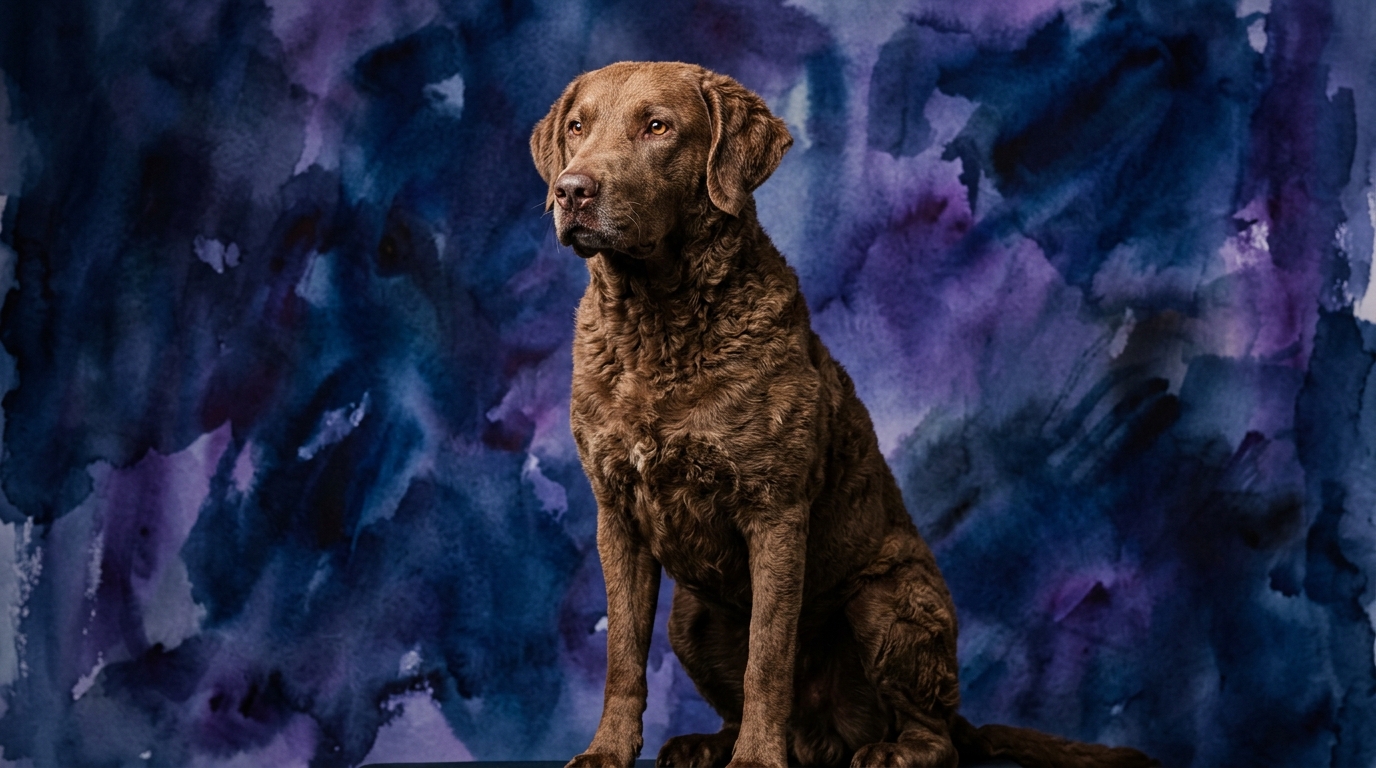
The Cosmic Pet Pet IQ Lab assesses canine intelligence across five key dimensions, providing a nuanced look at how each breed processes the world. For the Chesapeake Bay Retriever, a breed ranked #27 by Coren, their profile reflects a sharp, engaged mind: Problem Solving 4/5, Training Speed 4/5, Social Intelligence 3/5, Instinctive Drive 3/5, and Memory 4/5. This combination paints a picture of a dog adept at understanding complex situations, learning quickly, and recalling information with precision, all while maintaining a balanced social awareness and a purpose-driven instinctive drive.
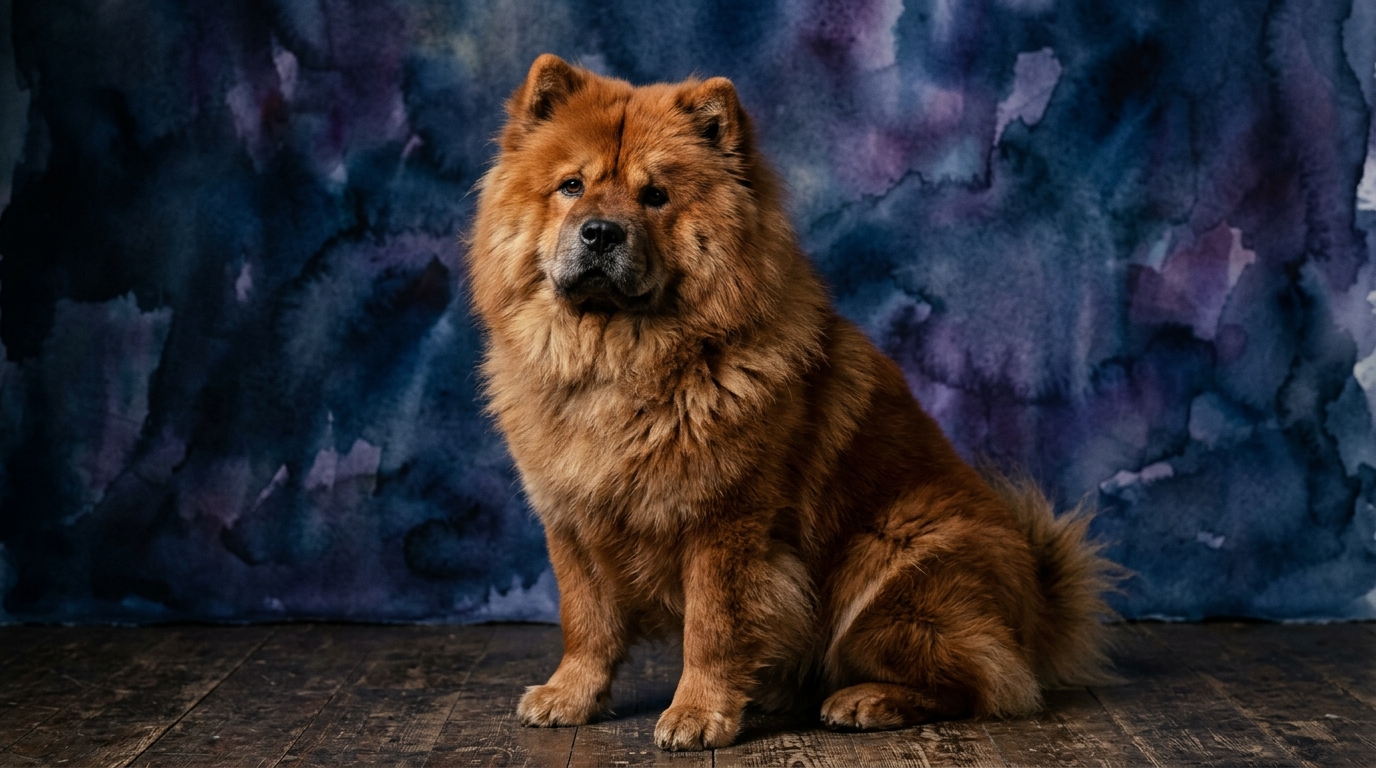
In contrast, the Chow Chow, holding Coren's #76 rank, presents a different cognitive blueprint: Problem Solving 3/5, Training Speed 3/5, Social Intelligence 3/5, Instinctive Drive 3/5, and Memory 3/5. These scores suggest a capable but more self-reliant intellect. The Chow Chow is competent in problem-solving and learning, but often approaches tasks with a distinct independence. Their social intelligence is discerning, and their instinctive drive, while present, is typically channeled differently than that of a working retriever, contributing to their unique, often reserved, character.
Where the Chesapeake Bay Retriever Shines Cognitively
The Chesapeake Bay Retriever's cognitive strengths are evident in their higher scores, particularly in areas crucial for their working heritage. Their Problem Solving at 4/5 indicates a significant capacity for analytical thought and adaptation. This means a Chessie can efficiently navigate complex environments, figure out how to retrieve objects from challenging locations, or understand multi-step commands that require sequential execution. They are adept at interpreting subtle cues and adjusting their approach to achieve a desired outcome, a mental flexibility that is a hallmark of their breed.
Furthermore, their Training Speed (4/5) and Memory (4/5) are interconnected cognitive advantages. A Chessie rapidly grasps new concepts and commands, often requiring fewer repetitions than many other breeds. This quick uptake is supported by an excellent memory, allowing them to retain a vast repertoire of learned behaviors, intricate routines, and specific locations or scents over extended periods. This combination makes them highly responsive and consistent partners in demanding activities, from field trials to complex obedience tasks, showcasing a mind built for engagement and recall.
Cognitive Strengths of the Chow Chow
While the Chow Chow's numerical scores are generally moderate, their cognitive profile fosters a distinctive sense of self-reliance and discerning judgment that can be considered a strength in specific contexts. Their Problem Solving (3/5) and Training Speed (3/5) indicate a capacity to learn and resolve issues, but often on their own terms. This independence means they are less inclined to blindly follow commands and more likely to evaluate a situation, making decisions based on their internal logic, which can be a valuable trait for owners who appreciate a dog with a strong individual character.
The Chow Chow's Social Intelligence (3/5) and Instinctive Drive (3/5), though not numerically superior, are expressed as a profound, albeit reserved, loyalty to their chosen family unit. Their cognitive energy is often directed towards observation and protection of their immediate circle, rather than broad social engagement or seeking external tasks. This self-contained nature means they can be less prone to separation anxiety and are content with quiet companionship, a cognitive trait that aligns well with a more relaxed household setting. Their memory (3/5) supports this by enabling them to remember routines and family members with steadfast devotion.
Training Dynamics: Which Breed is Easier?
When it comes to ease of training, the Chesapeake Bay Retriever generally presents a more straightforward path. Their 4/5 Training Speed and 4/5 Problem Solving, coupled with a strong desire to collaborate with their handler, mean they are eager to learn and quick to pick up new commands. They thrive on structured training, positive reinforcement, and consistent engagement, often excelling in dog sports, obedience, and working roles. Their inherent drive to retrieve and please makes them highly motivated students, readily forming strong working partnerships.
The Chow Chow, conversely, can be more challenging to train due to their 3/5 Training Speed and pronounced independent streak. While capable of learning, their motivation often differs; they are less driven by a desire to please and more by what makes sense to them. Training a Chow Chow requires immense patience, consistency, and a deep understanding of their unique personality. Early and thorough socialization is paramount to channel their moderate social intelligence into appropriate responses, and training must be engaging and positive to counteract their inclination towards self-direction rather than strict compliance.
Matching Breeds to Lifestyles: Active vs. Relaxed Owners
For active owners seeking a canine partner for demanding activities, the Chesapeake Bay Retriever is an excellent choice. Their high scores in problem-solving, training speed, and memory make them ideal companions for outdoor adventures, hunting, competitive dog sports, and any lifestyle requiring significant mental and physical engagement. They flourish when given a 'job' to do and thrive on consistent interaction and intellectual challenges, making them perfect for individuals or families who embrace an energetic and participatory lifestyle.
The Chow Chow is better suited for owners who appreciate a more self-contained and less overtly demanding companion. While they still require mental stimulation and regular exercise, their cognitive independence means they are content with quiet companionship and less inclined towards constant, high-energy interaction. They fit well into a home where their discerning nature and reserved affection are understood and respected, offering a dignified presence for owners who prioritize a calmer, yet deeply bonded, relationship.
The Verdict
If you seek a highly engaged, collaborative canine partner eager to learn complex tasks and participate in active pursuits, the Chesapeake Bay Retriever's sharp problem-solving and rapid training speed make them an excellent match.
Opt for the Chow Chow if you value an independent, discerning companion with a deep, reserved loyalty, and are prepared to invest consistent, patient effort into training a self-reliant mind.
🧠 Find Your Pet's IQ Score
Our Pet IQ Lab assessment covers 25+ tests across 5 cognitive dimensions — personalized to your breed.
Take the Full IQ Test →Frequently Asked Questions
Do Chesapeake Bay Retrievers need a lot of mental stimulation?
Yes, their high problem-solving and memory scores indicate a significant need for consistent mental challenges. Without adequate engagement through training, games, or work, Chessies can become bored and potentially develop undesirable behaviors due to their unchanneled cognitive energy.
Is a Chow Chow difficult to socialize?
Chow Chows have moderate social intelligence and a discerning nature, meaning early and consistent socialization is crucial. It helps them develop appropriate responses to new people and situations without becoming overly reserved or wary, fostering a well-adjusted, confident demeanor.
Which breed is better for first-time dog owners?
The Chesapeake Bay Retriever, with its higher training speed and eagerness to work, is generally more forgiving and responsive for first-time owners committed to active engagement. The Chow Chow's independent streak and requirement for patient, consistent training can be more challenging for those without prior experience with self-reliant breeds.