
Side-by-Side Cognitive Profiles: A Cosmic Pet IQ Lab Analysis
The Cosmic Pet Pet IQ Lab evaluates canine intelligence across five key dimensions, offering a nuanced understanding of each breed's mental capabilities. Let's examine how the Chesapeake Bay Retriever and the English Foxhound stack up.
**Chesapeake Bay Retriever (Sporting Group, Coren Rank #27):** This breed’s cognitive makeup is geared towards complex tasks and collaborative work. Their Problem Solving score of 4/5 indicates a strong capacity for analytical thought, allowing them to figure out how to retrieve objects from challenging environments or navigate intricate scenarios. Training Speed, also at 4/5, highlights their quick grasp of new commands and routines, often showing a keen desire to cooperate and learn new skills. Social Intelligence, rated 3/5, suggests they form deep bonds and are loyal to their primary handlers, though they might be more reserved with strangers or other dogs. Their Instinctive Drive, at 3/5, is specifically channeled into persistent retrieving, demonstrating an innate understanding of their working role in the field. Finally, a Memory score of 4/5 means they can recall complex sequences, specific locations, and learned behaviors with impressive accuracy over extended periods.
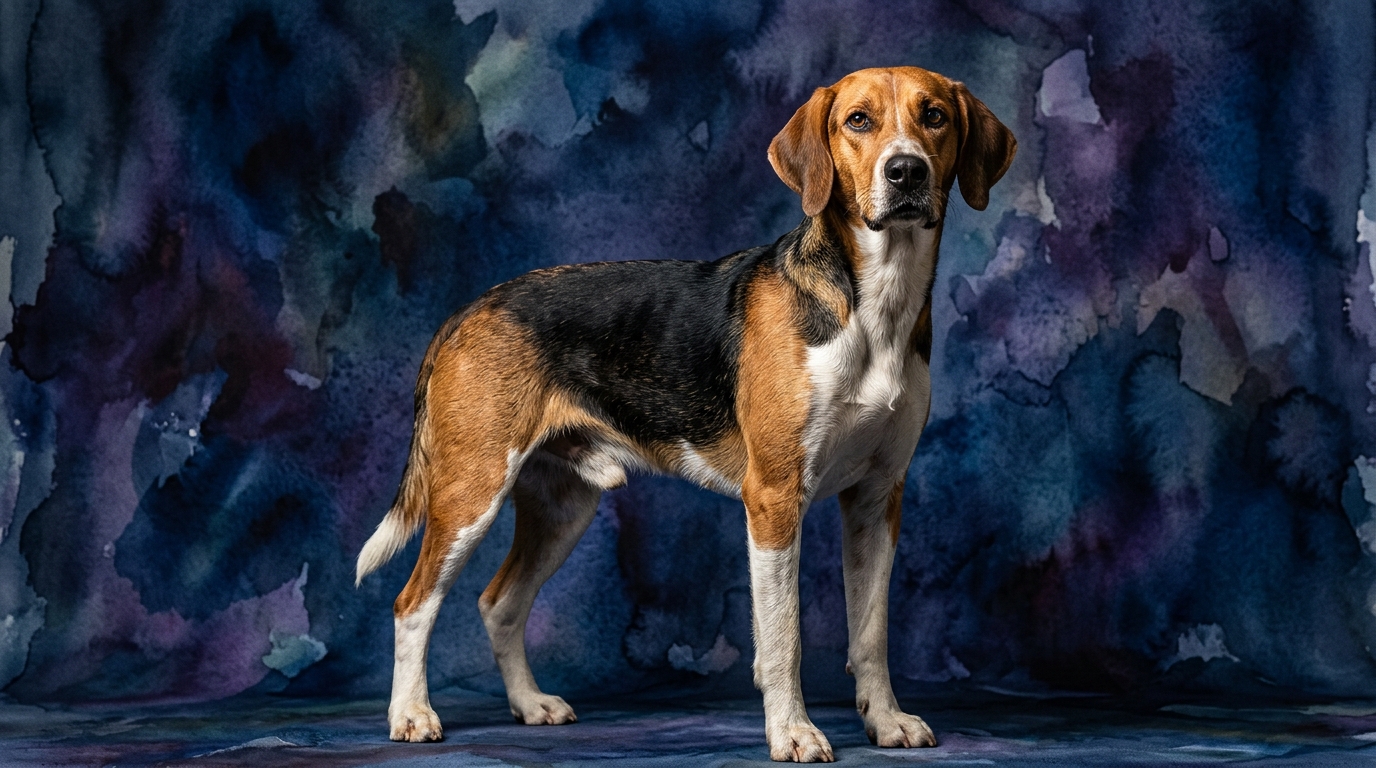
**English Foxhound (Hound Group, Not Coren-Ranked):** The English Foxhound's intelligence is specialized for endurance and scent work, reflecting their historical purpose. Their Problem Solving score of 3/5 signifies practical intelligence within their tracking context, such as efficiently following a scent trail through varied terrain, rather than abstract problem-solving. Training Speed, also 3/5, suggests they are capable learners but often require consistent, patient, and highly motivating methods due to their independent and focused nature. Social Intelligence, rated 3/5, is primarily geared towards pack cooperation and hierarchy, allowing them to work effectively in a group, which translates to a more independent but generally amiable social dynamic with humans. Their Instinctive Drive, at 3/5, is profoundly rooted in their scenting abilities, enabling an unwavering focus and stamina when on a trail, often to the exclusion of other stimuli. Their Memory score of 3/5 indicates a practical recall for established routines, familiar environments, and scent patterns, though they may not retain complex, multi-step commands as readily as breeds with higher training speed.
Where the Chesapeake Bay Retriever Excels Cognitively
The Chesapeake Bay Retriever's cognitive strengths truly shine in areas demanding analytical thought, strategic planning, and sequential learning. Their 4/5 problem-solving score means they are adept at strategizing to overcome obstacles, such as figuring out the most efficient path to retrieve a decoy from dense cover or navigating a complex agility course with precision. This represents a more deliberate, analytical approach to challenges compared to the English Foxhound's instinct-driven method.
Furthermore, the Chessie’s 4/5 memory allows them to retain intricate command sequences and recall specific locations or tasks with impressive accuracy. This robust recall is invaluable in demanding working roles that require consistent, precise execution of multiple steps, making them highly effective partners in activities like advanced obedience, field trials, or search and rescue where reliability is paramount. They tend to process and apply learned information more rapidly and reliably across varied scenarios, demonstrating a flexible cognitive adaptability.
Where the English Foxhound Demonstrates Unique Cognitive Strengths
While the English Foxhound may not outscore the Chesapeake Bay Retriever in traditional measures of problem-solving or training speed, their cognitive profile is exquisitely specialized for their historical purpose, revealing a different kind of mental prowess. Their 3/5 instinctive drive, while numerically similar to the Chessie's, manifests as an unparalleled, tenacious focus on scent work. This isn't merely a physical attribute; it's a profound cognitive strength that allows them to process and prioritize olfactory information above all else, maintaining incredible concentration and endurance over vast distances and long durations while following a trail.
Their social intelligence, also rated 3/5, is finely tuned for pack dynamics, enabling seamless cooperation within a group of hounds. This collective intelligence, allowing for coordinated pursuit and communication within a hunting unit, is a distinct advantage over the more individually focused retriever when working in a collective setting. This specialized cognitive resilience, unwavering focus on a primary task, and inherent pack awareness represent a unique and highly effective form of mental capability tailored to their specific role.
Training Dynamics: Which Breed is Easier to Shape?
When it comes to training, the Chesapeake Bay Retriever generally presents as the more straightforward breed to teach a wide array of tasks. Their 4/5 training speed, coupled with their 4/5 problem-solving ability, indicates a cognitive makeup that includes a strong desire to engage with their human partners and a capacity to quickly understand and execute commands. Chessies respond well to positive reinforcement and consistent methods, often thriving on the mental stimulation of learning new behaviors and solving puzzles. Their robust memory ensures that once a command is mastered, it tends to stick, making retraining less frequent.
The English Foxhound, with its 3/5 training speed, requires a more patient and nuanced approach. Their deeply ingrained instinctive drive for scenting can make them less immediately compliant, as their nose often dictates their priorities, leading them to be easily distracted by interesting smells. Training an English Foxhound involves significant consistency, creativity, and finding motivations that can effectively compete with the allure of a compelling scent trail. They often respond best to training methods that leverage their natural instincts, such as scent games or long-lead tracking exercises, rather than purely obedience-focused drills. Their independence means that while they are trainable, the process demands a dedicated owner who understands and respects their unique motivations.
Matching Breeds to Lifestyles: Active Engagement vs. Independent Exploration
Both the Chesapeake Bay Retriever and the English Foxhound are active breeds, yet their ideal activity needs differ significantly in nature. The Chesapeake Bay Retriever thrives with active owners who enjoy engaging in structured activities, such as retrieving sports, obedience competitions, agility, or extensive hiking. Their cognitive desire for purpose and their physical stamina mean they need regular, mentally stimulating exercise that involves problem-solving and collaboration with their human. An owner who enjoys teaching new skills and actively participating in dog sports or a consistent working role will find a highly rewarding partnership with a Chessie.
The English Foxhound also requires a very active owner, but one who appreciates their independent spirit and scent-driven pursuits. They need vast amounts of exercise, often covering significant ground, but their preference is for long, exploratory walks or runs where they can follow intriguing scents, often with their nose to the ground. They are less suited for owners seeking a dog for intricate obedience work or highly structured activities that don't involve a scenting component. Instead, they excel with owners who can provide secure, expansive spaces for them to roam and track, or who enjoy long-distance running or hiking alongside a determined, independent companion. A truly relaxed owner, who cannot commit to significant daily activity, would struggle to meet the substantial physical and mental stimulation needs of either breed.
The Verdict
Opt for a Chesapeake Bay Retriever if you seek a highly engaged canine partner eager to learn complex tasks, participate in various dog sports, and form a deep, collaborative bond, thriving on structured mental and physical challenges.
Select an English Foxhound if you are an active individual who values independence, possesses immense patience for training, and enjoys long, exploratory outings where a dog's unwavering scent drive and endurance are celebrated.
🧠 Find Your Pet's IQ Score
Our Pet IQ Lab assessment covers 25+ tests across 5 cognitive dimensions — personalized to your breed.
Take the Full IQ Test →Frequently Asked Questions
Is the Chesapeake Bay Retriever good for first-time dog owners?
A Chesapeake Bay Retriever can be suitable for a dedicated first-time owner who is committed to consistent training, early socialization, and meeting their significant exercise and mental stimulation needs, especially given their strong will and loyalty, which require firm but fair guidance.
Do English Foxhounds make good family pets despite their hunting background?
English Foxhounds can be good family pets for active families who understand their need for extensive exercise, consistent training, and are prepared for their independent, scent-driven nature, as they generally get along well with children and other dogs when properly socialized.
How do their social intelligence scores of 3/5 manifest differently in each breed?
For the Chesapeake Bay Retriever, a 3/5 social intelligence often means a reserved loyalty primarily towards their family unit, while for the English Foxhound, it reflects their ability to function cooperatively within a pack, translating to a more independent but generally amiable disposition in a home setting, often enjoying the company of other dogs.