
Side-by-side IQ Profile
The Cosmic Pet Pet IQ Lab employs a five-dimensional framework to map canine cognition, offering a granular view beyond generic labels. For the Chesapeake Bay Retriever, a Sporting breed, its profile shows impressive Problem Solving at 4/5, indicating a strong capacity for navigating complex situations and devising solutions. Its Training Speed, also 4/5, suggests a quick grasp of new commands and routines, making it a responsive pupil. Social Intelligence stands at 3/5, meaning it can effectively interpret human cues and interact within a family unit, though often with a reserved independence. Instinctive Drive is rated 3/5, reflecting its potent drive for retrieving and working in challenging environments, a core part of its heritage. Finally, its Memory, at 4/5, points to excellent retention of learned behaviors and experiences, crucial for its working roles.
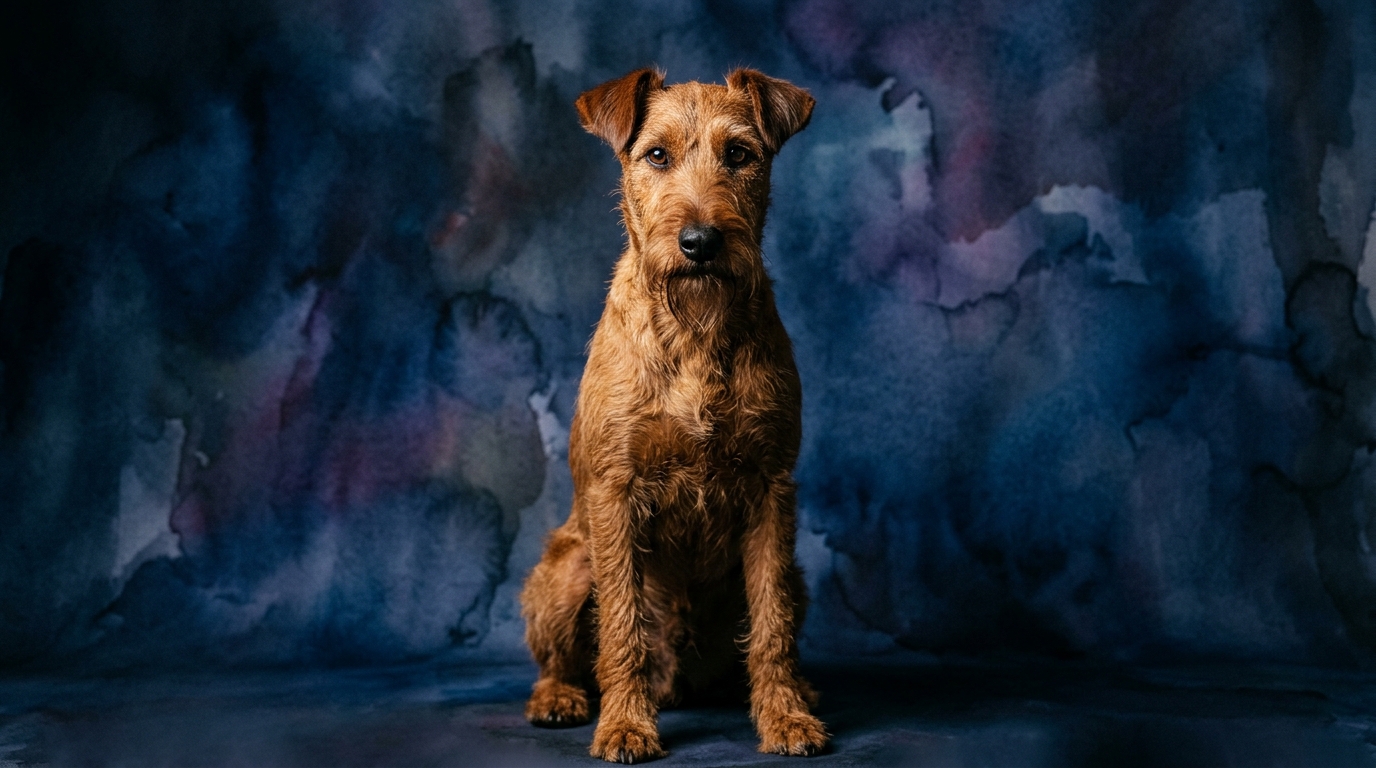
In contrast, the Irish Terrier, a robust Terrier breed, presents a consistent 3/5 across all five cognitive dimensions. Its Problem Solving at 3/5 signifies a capable mind, adept at figuring things out, often with characteristic terrier tenacity, though perhaps not with the same multi-step analysis as some Sporting breeds. Training Speed at 3/5 suggests it learns at a steady pace, requiring consistent, engaging methods to hold its attention. Social Intelligence, also 3/5, indicates it forms strong bonds and understands its human companions, but might display typical terrier independence. Its Instinctive Drive at 3/5 is powerfully geared towards hunting and vigilance, showcasing focused determination inherent to its breed purpose. Memory at 3/5 means it retains information adequately, but might benefit from regular reinforcement.
Where Chesapeake Bay Retriever Wins Cognitively
The Chesapeake Bay Retriever clearly distinguishes itself with its superior Problem Solving and Memory, both rated 4/5. This breed exhibits a remarkable capacity for analyzing environmental challenges, such as locating hidden retrieves in complex terrain or understanding intricate scent trails. Their cognitive strength lies in processing information efficiently and applying learned solutions to novel situations, demonstrating a flexible and adaptive intellect. Furthermore, their 4/5 Training Speed means they not only grasp new concepts quickly but commit them to memory with impressive durability, leading to reliable performance even after extended breaks. This robust memory and rapid learning curve make them exceptional candidates for advanced obedience, field trials, and service work where consistent recall and complex task execution are paramount.
Where Irish Terrier Wins Cognitively
While the Irish Terrier's consistent 3/5 scores might appear modest, their cognitive strengths are uniquely tailored to their terrier heritage. Their 3/5 Problem Solving reflects an astute, independent mind, capable of devising creative, often self-directed, solutions to challenges, particularly those involving pursuit or investigation. This isn't about following intricate commands as much as it is about achieving *its* goals, whether outsmarting a critter or navigating a tricky fence. Their 3/5 Instinctive Drive is a powerful, focused mental engine, enabling relentless determination and concentration on tasks they deem important, such as guarding or vigorous play. This drive, coupled with their specific brand of Social Intelligence (3/5), allows them to form deep, discerning bonds, often exhibiting a keen perception of their owner's emotions, even if they choose to respond with characteristic terrier self-assurance. Their wins lie in their resilient spirit, quick wit, and self-reliance, which are powerful cognitive assets in their own right.
Which is Easier to Train and Why
Based on their IQ profiles, the Chesapeake Bay Retriever is generally easier to train. Its 4/5 Training Speed and 4/5 Memory mean it absorbs new commands rapidly and retains them effectively, making for a smooth and rewarding experience. Chessies are typically eager to please and highly motivated by food or retrieve work, further enhancing their trainability. They thrive on structured learning and consistent routines, quickly understanding expectations and executing tasks with precision. In contrast, the Irish Terrier's 3/5 Training Speed and Memory, combined with its independent Problem Solving and Instinctive Drive, can make training a nuanced endeavor. While capable of learning, the Irish Terrier often requires more patience, creativity, and a strong understanding of terrier psychology. They might question commands or try to find their own solutions, demanding consistent, engaging, and fair methods to keep them motivated and focused, avoiding rote repetition which can bore them.
Which Suits Active Owners vs Relaxed Owners
Both the Chesapeake Bay Retriever and the Irish Terrier are breeds requiring active engagement, making neither suitable for truly relaxed owners. The Chesapeake Bay Retriever, with its strong retrieving drive and problem-solving acumen, thrives with owners who can provide structured, goal-oriented activities like hunting, dock diving, obedience trials, or long hikes with a purpose. They need consistent physical exercise combined with mental challenges that engage their analytical mind and exceptional memory. Their ideal owner is committed to regular training, outdoor adventures, and perhaps even canine sports. The Irish Terrier, while equally energetic, leans towards owners who appreciate a more spontaneous and varied approach to activity. Their keen instinctive drive and independent problem-solving mean they excel with owners who can offer diverse outlets for their energy, such as earthdog trials, agility, long exploratory walks, or engaging puzzle toys. They need mental stimulation that allows for some self-direction and investigation, rather than just repetitive tasks. An Irish Terrier owner should be prepared for an active lifestyle catering to a spirited, often mischievous, companion who needs to feel engaged and mentally stimulated creatively.
The Verdict
Choose Chesapeake Bay Retriever if: You seek a highly trainable, dedicated working companion eager for structured tasks, complex problem-solving, and reliable performance in activities like retrieving, obedience, or service work, and you appreciate their focused intellectual prowess.
Choose Irish Terrier if: You are drawn to an independent, tenacious, and witty companion who excels at self-directed problem-solving, thrives on varied mental stimulation, and you appreciate a dog with a spirited personality and a discerning social intelligence that requires engaging partnership.
🧠 Find Your Pet's IQ Score
Our Pet IQ Lab assessment covers 25+ tests across 5 cognitive dimensions — personalized to your breed.
Take the Full IQ Test →Frequently Asked Questions
Do Chesapeake Bay Retrievers make good family dogs?
Yes, with their 3/5 Social Intelligence, Chessies can be devoted family members, often forming strong bonds. However, their reserved nature means they may not be overtly demonstrative with strangers and benefit from early socialization to ensure they are comfortable in various situations.
Are Irish Terriers difficult to live with due to their independence?
While their independent problem-solving and strong drive require consistent training and engagement, Irish Terriers are generally adaptable and form deep connections with their families. Owners who understand and appreciate their terrier spirit find them to be spirited, loyal, and engaging companions, not difficult.
How much exercise do these breeds require daily?
Both breeds require substantial daily exercise to thrive mentally and physically. A Chesapeake Bay Retriever needs at least 60-90 minutes of vigorous activity, often involving swimming or retrieving. An Irish Terrier similarly requires 60-90 minutes of varied, engaging exercise, including walks, play, and mental challenges to satisfy their investigative nature.