
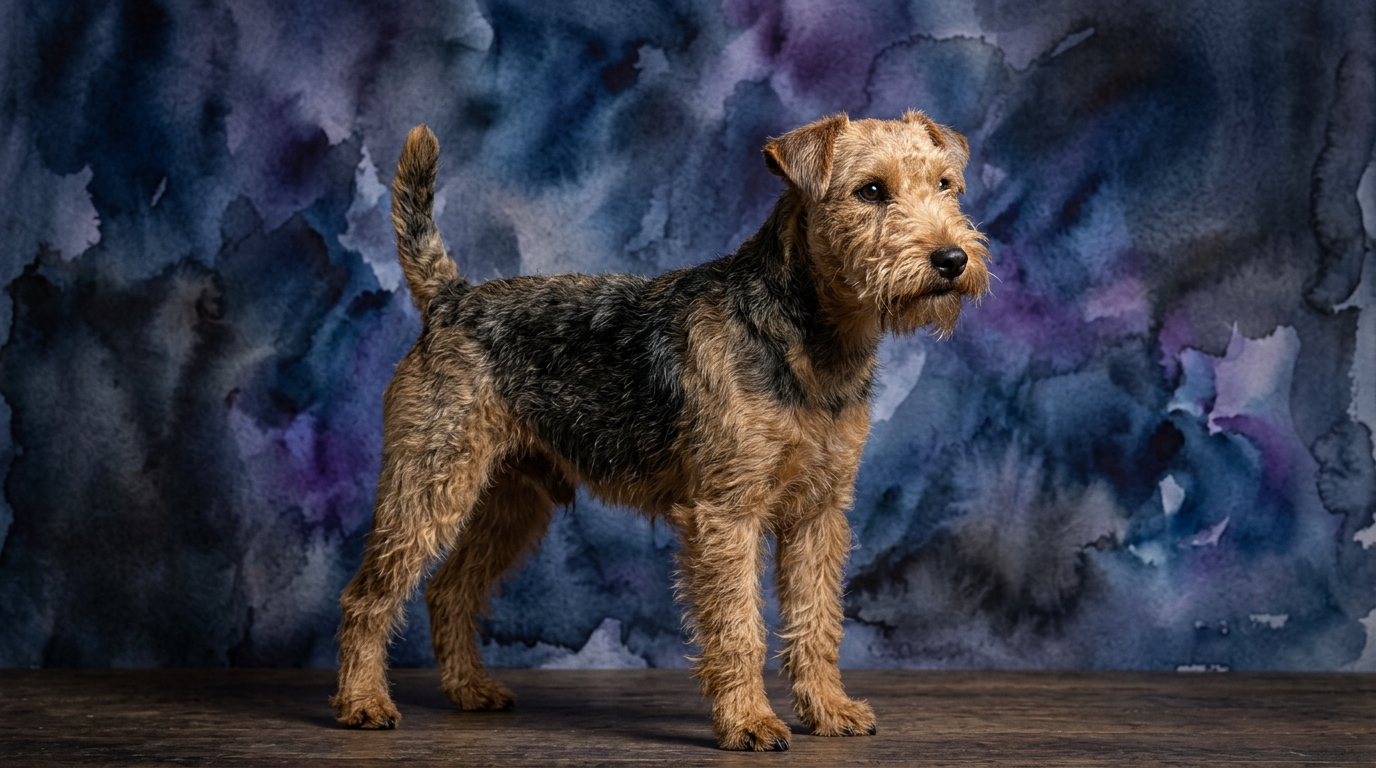
Side-by-Side Cognitive Profiles
The Cosmic Pet Pet IQ Lab offers a unique lens through which to compare canine cognitive strengths. For the Chesapeake Bay Retriever, a Sporting group member, its profile reflects a history of working closely with humans on complex tasks. Its Problem Solving is rated at 4/5, indicating a strong capacity to analyze situations and devise effective solutions, often in dynamic outdoor environments. Training Speed also scores 4/5, underscoring its readiness and ability to absorb new commands and routines with efficiency. Social Intelligence is 3/5, suggesting a good understanding of human cues and pack dynamics, though they can be reserved with strangers. Instinctive Drive, at 3/5, highlights a focused retrieving instinct rather than a broad, unfocused prey drive, making it a dedicated partner in its specific work. Finally, its Memory is a robust 4/5, allowing it to retain vast amounts of information, from complex retrieves to established routines, over long periods. This breed's Coren rank of #27 further solidifies its position among breeds demonstrating high obedience and working intelligence.
In contrast, the Lakeland Terrier, a member of the Terrier group, presents a different cognitive blueprint, shaped by its role as an independent vermin hunter. Its Problem Solving stands at 3/5, demonstrating competence in navigating challenges, particularly those related to its hunting instincts, often through persistent, self-directed efforts. Training Speed is also 3/5, indicating a moderate learning pace that can be influenced by its independent streak, requiring more engaging and consistent methods. Its Social Intelligence, at 3/5, suggests an awareness of its social environment, but often with a strong sense of self and less overt deference. The Lakeland's Instinctive Drive is 3/5, reflecting a powerful, focused drive to pursue and dispatch small game, which defines much of its behavioral repertoire. Memory scores 3/5, enabling it to recall learned behaviors and experiences, though perhaps with less emphasis on broad, complex sequences compared to a retriever. The Lakeland Terrier is not Coren-ranked, which is common for breeds whose primary working function emphasizes independent action over strict obedience.
Where the Chesapeake Bay Retriever Excels Cognitively
The Chesapeake Bay Retriever's cognitive strengths are particularly evident in its capacity for adaptive problem-solving and rapid skill acquisition. Its 4/5 rating in Problem Solving means it doesn't just follow instructions; it actively processes its environment to achieve a goal. Imagine a Chessie navigating dense cover and icy water to retrieve a downed bird, assessing terrain, currents, and wind direction to formulate the most efficient path—this isn't rote behavior, but active strategic thinking. This ability extends beyond the field, allowing them to adapt quickly to new training exercises or household routines.
Furthermore, the Chesapeake's 4/5 Training Speed is a significant advantage. These dogs absorb commands and learn new tasks with remarkable efficiency, often requiring fewer repetitions than many other breeds. This rapid uptake is coupled with a 4/5 Memory, ensuring that once a skill is learned, it's retained reliably. This potent combination makes them exceptionally well-suited for advanced obedience, intricate scent work, or any discipline requiring a broad and consistently recalled behavioral repertoire. Their cognitive profile points to a dog that thrives on partnership, seeking to understand and execute human directives with precision and enthusiasm.
Where the Lakeland Terrier's Cognition Shines
While the Lakeland Terrier's scores might appear lower in direct comparison, its cognitive profile represents a specialized form of intelligence honed for independent action. Its 3/5 Problem Solving rating, when understood in the context of its breed purpose, highlights a tenacious and self-reliant approach. A Lakeland isn't looking for human direction to solve the problem of a burrowing creature; it's employing its own keen senses, deductive reasoning, and unwavering determination to locate and extract its quarry. This isn't about broad adaptability, but intense, focused application of cognitive resources to a specific, instinctual task. They are persistent strategists in their own right, often trying multiple approaches until a challenge is overcome.
The Lakeland's 3/5 Instinctive Drive, though numerically equal, represents a distinct cognitive advantage in its niche. This drive is a powerful, hardwired mechanism for independent hunting, requiring the dog to make swift, autonomous decisions in the field without constant handler input. Its moderate Social Intelligence (3/5) allows it to read human cues but also maintain a degree of self-sufficiency, making it less prone to 'learned helplessness' and more likely to initiate its own solutions. This combination of focused drive and independent thought means that while they may not always seek to please in a traditional sense, they possess a formidable capacity for self-directed work and problem-solving when their instincts are engaged.
Training Dynamics: Biddable Partner vs. Independent Thinker
When it comes to ease of training, the Chesapeake Bay Retriever generally presents a more straightforward path for most owners. Its 4/5 Training Speed, coupled with a strong desire to work with its handler, means Chessies typically pick up commands quickly and respond enthusiastically to positive reinforcement. They thrive on structured training sessions, viewing them as opportunities for partnership and engagement. Their inherent retrieve drive provides a built-in motivation, making fetch and similar games excellent tools for teaching complex sequences and building rapport. They are often described as 'biddable,' meaning they are eager to comply and follow directions, making foundational obedience and advanced tasks a rewarding experience.
The Lakeland Terrier, with its 3/5 Training Speed, requires a different approach. Their independent nature, a hallmark of the terrier group, means they are often less inclined to blindly follow commands if their instincts suggest an alternative. Training a Lakeland demands creativity, consistency, and a deep understanding of what motivates them. Making training feel like a game, incorporating their prey drive into exercises (e.g., chasing a lure instead of a bird), and ensuring high-value rewards are crucial. While they are capable learners, their problem-solving tends to be self-directed, and their social intelligence allows them to assert their own agenda. Owners must be prepared for a dog that will question, test boundaries, and require patience to channel its tenacious spirit effectively, rather than simply suppressing it.
Lifestyle Match: Structured Engagement vs. Instinctive Outlets
For owners seeking a companion for structured, goal-oriented activities, the Chesapeake Bay Retriever is an ideal match. Their strong Problem Solving, rapid Training Speed, and excellent Memory mean they thrive with consistent mental stimulation and physical exercise. They excel in dog sports like obedience, agility, dock diving, and field trials, where their cognitive abilities are fully engaged in complex tasks alongside their human partner. A Chessie needs a purpose, and without sufficient outlets for their intelligent drive, they can become bored and potentially destructive. They demand an active owner who is committed to providing regular, engaging training and exercise sessions that challenge both their bodies and minds.
The Lakeland Terrier also requires an active owner, but one who understands and respects its instinct-driven nature. While they can participate in dog sports like agility, their primary cognitive and physical needs revolve around outlets for their strong terrier drives. Owners must be prepared for vigorous play, opportunities for safe digging, and activities that engage their scenting and hunting instincts, such as earthdog trials or scent work. A Lakeland might not always seek a human-directed 'job' in the same way a retriever does; instead, their mental stimulation comes from independently exploring, problem-solving, and pursuing perceived 'prey.' A relaxed owner who cannot provide these specific outlets might find the Lakeland's focused energy and independent thought challenging to manage, leading to frustration for both dog and human.
The Verdict
Choose the Chesapeake Bay Retriever if you desire a highly biddable, intelligent working companion eager for structured training, complex tasks, and a strong partnership in varied activities. Their robust memory and quick learning make them exceptional partners for dedicated owners.
Opt for the Lakeland Terrier if you appreciate an independent, tenacious thinker with a keen problem-solving ability focused on instinctual tasks, and are prepared to engage their unique terrier drives with creative, consistent training and plenty of vigorous activity.
🧠 Find Your Pet's IQ Score
Our Pet IQ Lab assessment covers 25+ tests across 5 cognitive dimensions — personalized to your breed.
Take the Full IQ Test →Frequently Asked Questions
Are Lakeland Terriers good family dogs?
Lakeland Terriers can be wonderful family dogs, known for being playful and affectionate with their own people. However, their strong prey drive and independent nature mean they generally do best with older, respectful children and require early socialization to other pets.
Do Chesapeake Bay Retrievers shed a lot?
Yes, Chesapeake Bay Retrievers have a dense, oily double coat that sheds moderately year-round, with heavier shedding periods seasonally. Regular brushing, at least once or twice a week, is essential to manage loose hair and maintain coat health.
How much exercise does a Lakeland Terrier need?
Lakeland Terriers are energetic dogs requiring at least 60 minutes of vigorous exercise daily, ideally split into several sessions. This should include walks, playtime, and activities that engage their strong hunting instincts, such as earthdog trials or agility.