
Side-by-Side IQ Profile
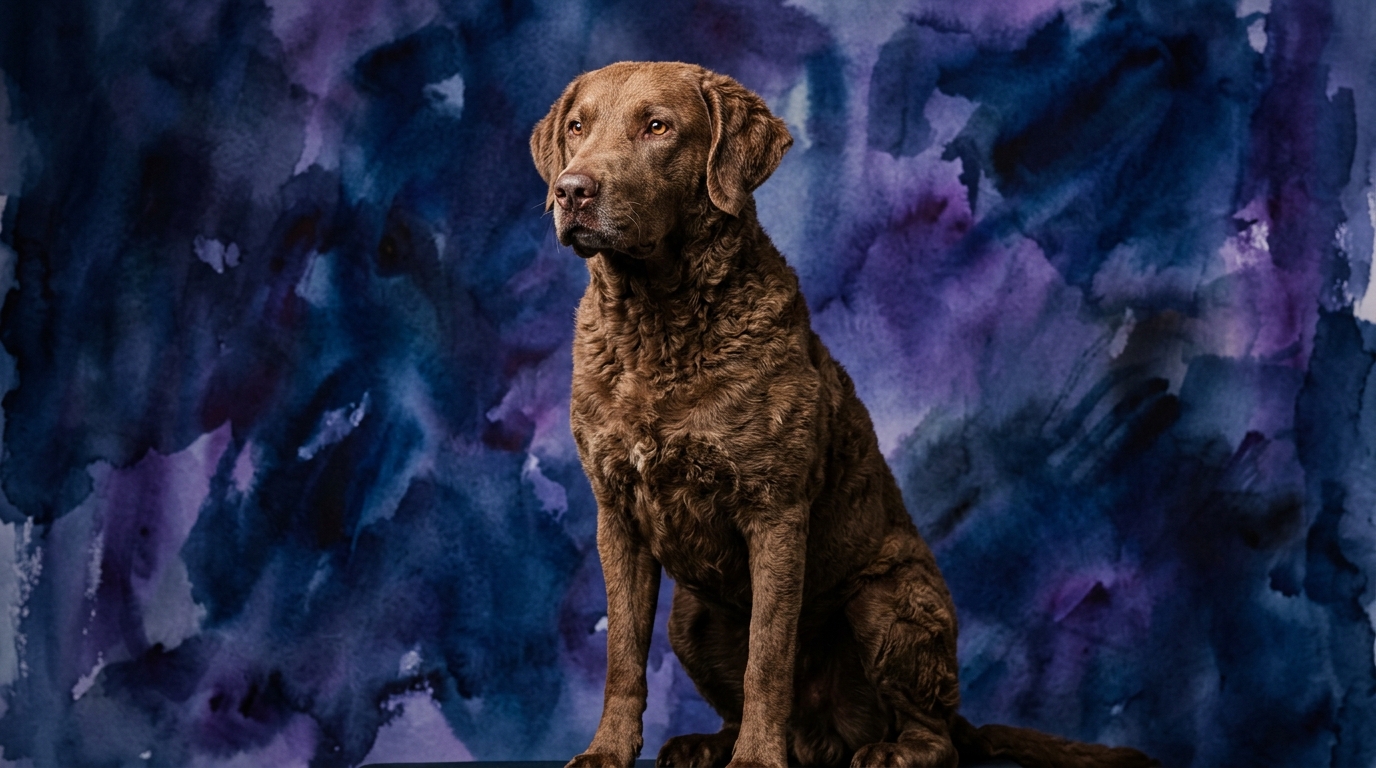
The Chesapeake Bay Retriever (Sporting Group, Coren Rank #27) showcases a robust cognitive toolkit tailored for its working heritage. Its Problem Solving at 4/5 indicates a strong capacity for independent thought and navigating complex situations, such as figuring out how to retrieve an object from a challenging environment. Training Speed, also at 4/5, suggests a quick grasp of new commands and routines, making them responsive learners. Social Intelligence, rated 3/5, implies a moderate aptitude for understanding human cues and integrating into family dynamics, though perhaps with a characteristic independence. An Instinctive Drive of 3/5 highlights a present but not overwhelming urge to perform breed-specific tasks, such as retrieving. Finally, Memory at 4/5 signifies an impressive ability to recall learned behaviors, locations, and experiences over time.
The Lhasa Apso (Non-Sporting Group, Coren Rank #68) presents a more uniformly balanced cognitive profile, reflecting its role as an alert companion and sentinel. Its Problem Solving ability stands at 3/5, meaning it can navigate everyday challenges with reasonable success, but might not seek out complex puzzles to solve. A Training Speed of 3/5 indicates a steady, if not rapid, learning pace; they absorb commands consistently with patient, positive reinforcement. Social Intelligence, also 3/5, suggests an adequate capacity to interpret human emotions and intentions, often forming deep bonds with their chosen few. The Instinctive Drive at 3/5 points to a moderate inherent impulse for activities like guarding or observing, without the intense drive seen in some working breeds. Memory, rated 3/5, allows them to retain training and routines reliably, though perhaps not with the same expansive recall as some higher-scoring breeds.
Where Chesapeake Bay Retriever Wins Cognitively
The Chesapeake Bay Retriever clearly demonstrates a cognitive edge in areas demanding swift learning, intricate problem-solving, and robust recall. Its 4/5 score in Problem Solving means a Chessie is more inclined to analyze a situation, like how to open a gate or find a hidden toy, and devise a solution rather than waiting for assistance. This isn't just about simple tasks; it extends to understanding sequences and adapting strategies in new environments. Furthermore, its 4/5 Training Speed means commands stick quickly, requiring fewer repetitions than a breed with a 3/5 score, which translates into a more efficient training process for complex obedience or sport tasks. The impressive 4/5 Memory score ensures that once a Chessie learns something, whether it's a specific route, a trick, or a house rule, it's likely to remember it for the long term, making them reliably consistent in their learned behaviors. This combination makes them particularly adept at advanced obedience, field trials, or any activity requiring sustained mental engagement and precise execution.
Where Lhasa Apso Wins Cognitively
While the Lhasa Apso's scores are consistently 3/5 across the board, this balanced profile offers its own distinct cognitive advantages, particularly for specific lifestyles. Its moderate 3/5 Instinctive Drive, for example, means it possesses sufficient alertness to act as a watchful companion without the intense, demanding drive for specific work that a retriever might exhibit. This can be a "win" for owners seeking a companion less driven by an innate urge to retrieve or herd, leading to a more adaptable and less constantly 'on-duty' pet. The Lhasa Apso’s 3/5 Social Intelligence, combined with its historical role as a companion and sentinel, means it excels at forming strong, discerning bonds and can be keenly observant of its immediate family, often demonstrating a shrewd understanding of household dynamics. This breed's consistent 3/5 Memory and Problem Solving, while not top-tier, are perfectly adequate for navigating a home environment, learning routines, and providing devoted, if sometimes independent, companionship without requiring constant, complex mental stimulation to prevent boredom. Their cognitive makeup is highly effective for their intended purpose: a resilient, observant, and devoted companion.
Which Is Easier to Train and Why
Based on The Cosmic Pet Pet IQ Lab's metrics, the Chesapeake Bay Retriever, with its Training Speed score of 4/5, is generally easier to train compared to the Lhasa Apso, which scores 3/5. A Chessie’s higher training speed means it processes and internalizes new commands and routines more rapidly, often requiring fewer repetitions to achieve proficiency. This efficiency stems from a strong desire to engage and a quicker cognitive uptake, making them responsive to direction and eager to perform tasks. In practical terms, a Chessie learns a new trick or a complex obedience sequence in fewer sessions and maintains that knowledge with greater consistency. The Lhasa Apso, while certainly trainable with its 3/5 score, demands a more patient and consistent approach. They learn steadily but may take more repetitions to solidify a command, and their independent streak might require more persuasive motivation to comply. Their training journey is more about consistent reinforcement and building trust over time, whereas the Chessie often demonstrates an innate enthusiasm for the learning process itself.
Which Suits Active Owners vs Relaxed Owners
The cognitive profiles of these two breeds distinctly align with different owner lifestyles. The Chesapeake Bay Retriever, with its higher problem-solving abilities (4/5), faster training speed (4/5), and strong memory (4/5), thrives with active owners who can provide ample mental and physical engagement. These dogs need opportunities to use their brains, whether through advanced training, dog sports, or challenging outdoor activities that mimic their retrieving heritage. Owners who enjoy hiking, swimming, competitive obedience, or field work will find the Chessie an eager and capable partner, benefiting greatly from consistent mental stimulation to prevent boredom and channel their energy constructively.
Conversely, the Lhasa Apso, with its uniform 3/5 scores across most dimensions, is better suited for more relaxed owners who appreciate a companion that is observant and independent without demanding constant, high-intensity mental tasks. While they still require regular walks and engagement, their cognitive makeup doesn't necessitate the same level of complex problem-solving or rigorous training regimen as a Chessie. Owners who enjoy a more sedate pace, value a watchful presence, and are prepared for a breed with a confident, sometimes aloof, personality will find the Lhasa Apso an ideal fit. Their moderate instinctive drive means they are content with a comfortable home life, offering devoted companionship without the intense need for a 'job'.
The Verdict
Opt for a Chesapeake Bay Retriever if you are an active individual or family seeking a highly trainable, mentally agile partner for sports, complex tasks, or extensive outdoor adventures. This breed excels when given opportunities to problem-solve, learn quickly, and apply its impressive memory in challenging, engaging environments.
Select a Lhasa Apso if you desire a steadfast, observant companion with a balanced cognitive profile that thrives in a more relaxed home environment, offering devoted companionship without the intense demands for constant, high-level mental and physical exertion. This breed offers a unique blend of independence and loyalty, perfect for those who appreciate a dog with a discerning personality and steady learning pace.
🧠 Find Your Pet's IQ Score
Our Pet IQ Lab assessment covers 25+ tests across 5 cognitive dimensions — personalized to your breed.
Take the Full IQ Test →Frequently Asked Questions
Does a higher Coren rank always mean a "smarter" dog?
The Coren rank primarily reflects a breed's working and obedience intelligence, indicating how quickly they learn and obey commands. It doesn't encompass the full spectrum of cognitive abilities, such as social intelligence or problem-solving in novel situations, which are better reflected in the detailed IQ lab scores.
Can a Lhasa Apso still excel at training despite its 3/5 Training Speed?
Absolutely. A 3/5 Training Speed indicates consistent learning, not a lack of ability. With patient, positive reinforcement and a clear understanding of their independent nature, Lhasa Apsos can achieve impressive levels of obedience and learn many tricks, though it might require more persistence than with a higher-scoring breed.
How does instinctive drive impact a dog's daily life?
Instinctive drive refers to a dog's innate urges related to its breed's original purpose, like retrieving, herding, or guarding. A higher drive means a stronger need to fulfill these behaviors, which can manifest as persistent urges for specific activities, requiring owners to provide appropriate outlets to keep the dog fulfilled and well-behaved.