Side-by-Side IQ Profile: Chessie vs. Sealy
At The Cosmic Pet Pet IQ Lab, we evaluate canine intelligence across five key dimensions, providing a nuanced understanding of each breed's cognitive strengths. Let's examine how the Chesapeake Bay Retriever and the Sealyham Terrier measure up.
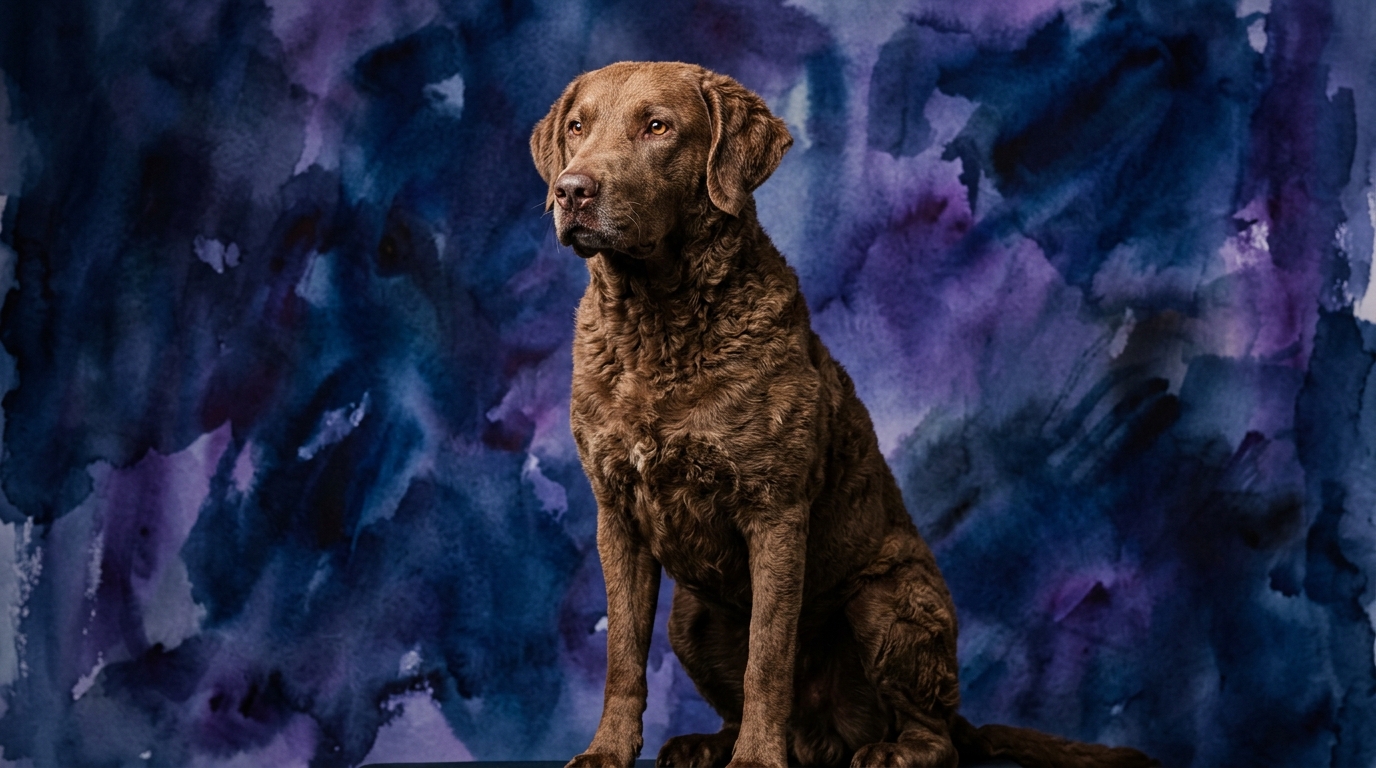
The Chesapeake Bay Retriever, a Sporting group dog, holds a Coren rank of #27, indicating a solid capacity for understanding new commands. Their Problem Solving is rated at 4/5, reflecting an adeptness at navigating complex scenarios, such as strategizing the retrieval of game from challenging environments or mastering intricate puzzle toys. Their Training Speed also stands at 4/5, showcasing a quick grasp of new commands and routines, often fueled by a keen desire to work alongside their human companions. Social Intelligence for the Chessie is 3/5; they are typically reserved with strangers but forge profound bonds within their family, understanding their established social circle's nuances well. Their Instinctive Drive is 3/5, primarily centered around strong retrieving behaviors and a moderate protective inclination, channeled effectively into tasks. Finally, their Memory is an impressive 4/5, crucial for recalling complex sequences in the field and retaining a vast repertoire of learned tasks and routes.
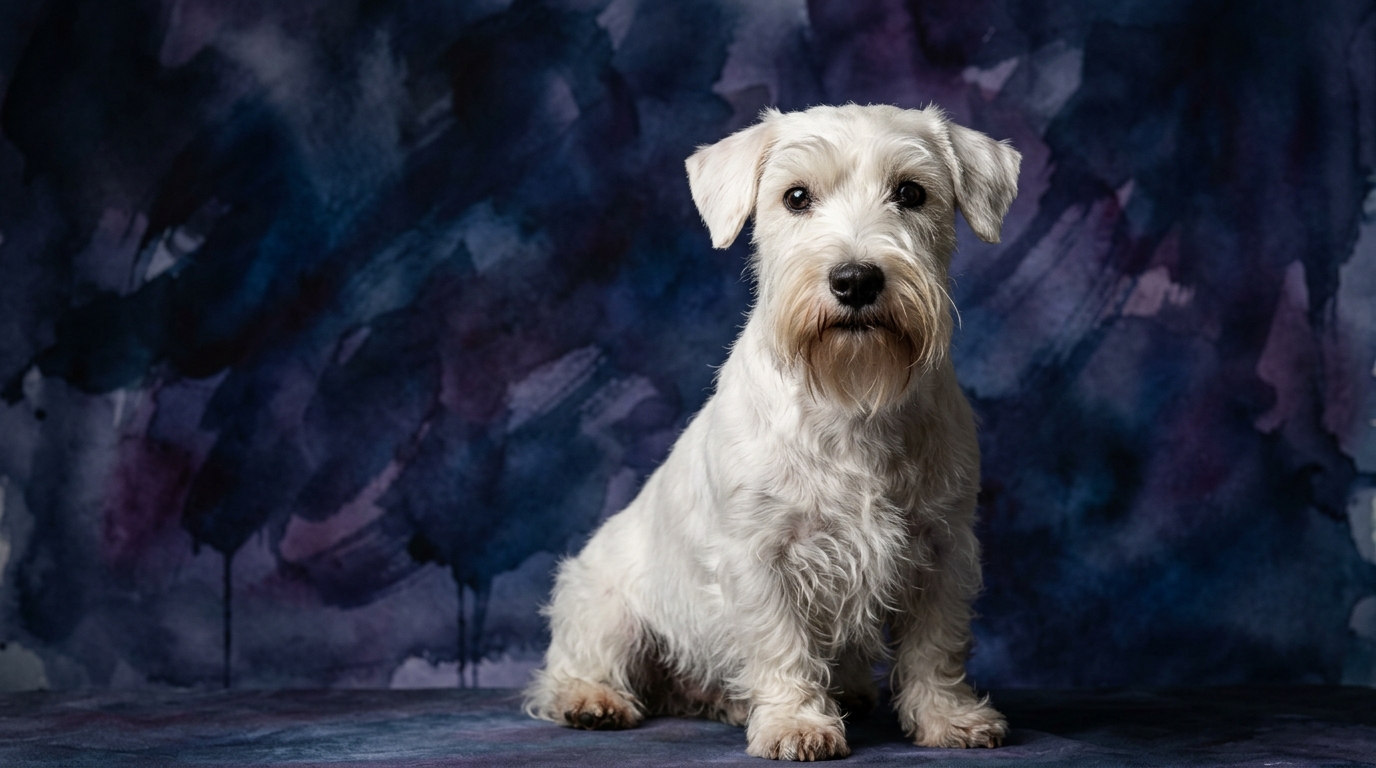
The Sealyham Terrier, a member of the Terrier group and not Coren-ranked, presents a different cognitive blueprint. Their Problem Solving is 3/5, characterized by a tenacious and curious approach, particularly when it involves reaching an interesting scent or investigating a new space, often driven by their independent spirit. Training Speed is 3/5; while capable of learning at a steady pace, their inherent terrier independence means consistent, engaging methods are essential to maintain focus. Social Intelligence is 3/5; Sealys are affectionate with their families and generally amiable, though they can exhibit a typical terrier assertiveness with other dogs or unfamiliar situations, reading their immediate human companions effectively. Their Instinctive Drive is 3/5, marked by a potent prey drive and a determined digging instinct, focusing on exploration and chasing small critters, aligning with their historical purpose. Their Memory is 3/5, allowing them to retain information adequately for daily routines and familiar faces, serving their everyday life effectively.
Where the Chesapeake Bay Retriever Excels Cognitively
The Chesapeake Bay Retriever demonstrates a clear cognitive advantage in several areas, largely stemming from their working heritage. Their superior Problem Solving at 4/5, compared to the Sealy's 3/5, translates into a more systematic and efficient approach to complex tasks. Chessies excel at devising practical solutions to physical and environmental challenges, whether it’s navigating dense cover during a retrieve or figuring out how to bypass an obstacle to reach a goal. This isn't just about finding an answer, but finding the most effective and purposeful path.
Another standout Chessie strength is their faster Training Speed, rated 4/5 against the Sealy’s 3/5. This breed's eagerness to please a trusted handler, combined with a remarkable capacity for making strong associations between commands and actions, means they absorb new skills and routines with fewer repetitions. This leads to a more fluid and progressive training journey, allowing them to advance to more complex tasks relatively quickly and consistently.
Finally, the Chesapeake Bay Retriever's exceptional Memory, rated 4/5, gives them a distinct edge. They can recall intricate sequences of retrieves, remember specific locations of fallen game, and retain a vast repertoire of commands over extended periods. This cognitive asset ensures they are highly dependable in demanding working scenarios or advanced obedience competitions, performing reliably and consistently even after a lapse in practice.
Where the Sealyham Terrier Shines Cognitively
While the Chesapeake Bay Retriever showcases efficiency, the Sealyham Terrier brings its own unique cognitive strengths to the forefront. Their Instinctive Drive, while rated 3/5 like the Chessie's, manifests as an unwavering tenacity, particularly when pursuing a scent or investigating an intriguing burrow. This single-minded determination means they will stick with a task or exploration with remarkable persistence, even if it requires significant effort or overcoming minor discomfort, showcasing a unique cognitive resilience.
The Sealy's Problem Solving, rated 3/5, though numerically lower, is characterized by a resourceful, creative, and often independent approach. Driven by intense curiosity, they might devise unconventional ways to achieve their objectives, such as nudging objects to reach a hidden treat or figuring out how to open a slightly ajar door. It's less about systematic efficiency and more about ingenious, sometimes mischievous, problem-solving that reflects their self-assured nature.
Furthermore, Sealys often display a robust mental fortitude and adaptability to novelty. While not explicitly rated higher in adaptability, their typical terrier self-assurance allows them to process new stimuli and changes in routine without excessive anxiety, provided they feel secure. This enables them to explore and engage with unfamiliar situations with confident curiosity, rather than relying solely on established routines. This mental resilience is a cognitive advantage in navigating a dynamic and changing environment.
Training Dynamics: Which Breed is Easier?
When it comes to ease of training, the Chesapeake Bay Retriever generally holds an advantage due to their faster training speed (4/5) and stronger memory (4/5). Chessies possess a natural inclination to work collaboratively with a handler, often displaying a deep desire to understand and comply with commands. This means they assimilate new instructions quickly and retain them over time, leading to more consistent performance. For instance, a Chessie will likely master a complex retrieve pattern or a multi-step obedience sequence with fewer repetitions compared to a Sealy, partly because their problem-solving skills help them grasp the overall purpose of a task.
The Sealyham Terrier, with training speed and memory both at 3/5, requires a more tailored and patient approach. Their independent terrier spirit means they are capable of learning, but they might question the necessity of a command or simply decide that something else, like an intriguing scent, is more compelling. Training a Sealy demands creativity, consistent engagement, and highly motivating rewards to maintain their focus. While they can learn complex tasks, their progress might be slower, and unwavering consistency is paramount to counteract their tendency to follow their nose or their own agenda. For example, achieving a reliable recall with a Chessie in a distracting environment might involve fewer sessions than reaching the same level of dependability with a Sealy, whose inherent drive to explore can occasionally override a command.
Matching Breeds to Lifestyles: Active vs. Relaxed Owners
The Chesapeake Bay Retriever is best suited for active owners. Their robust physical and mental needs demand consistent and substantial engagement. Owners who enjoy outdoor pursuits like hiking, swimming, hunting, or participate in dog sports such as obedience, agility, or dock diving will discover a Chessie to be an enthusiastic, capable, and devoted partner. Their strong retrieving drive and problem-solving skills thrive when given a 'job' to do, and without sufficient mental and physical stimulation, they can become restless or develop undesirable behaviors. A relaxed owner might find their energy and inherent need for purpose overwhelming.
The Sealyham Terrier can suit owners who are moderately active but also appreciate periods of relaxation. While Sealys have bursts of energy and a strong desire to explore, fueled by their instinctive drive, they are equally content to settle down indoors after a good walk or an engaging play session. They enjoy interactive games and short training sessions but do not typically require the same intense, prolonged physical exertion as a Chessie. An owner who enjoys daily walks, consistent interactive play, and perhaps some light terrier-specific activities like earthdog trials will find a Sealy a delightful and spirited companion. They are adaptable to apartment living, provided their exercise needs are met, making them potentially more fitting for owners who aren't seeking an extreme outdoor adventure partner every single day.
The Verdict
Opt for a Chesapeake Bay Retriever if you are an experienced, active owner seeking a devoted, highly trainable companion for outdoor adventures, dog sports, or a working role. Their superior problem-solving, rapid training acquisition, and exceptional memory make them ideal for complex tasks and consistent performance.
Select a Sealyham Terrier if you appreciate an independent, charming, and tenacious companion with a moderate activity level, who thrives on engaging play and consistent, positive training. They are a wonderful choice for owners who enjoy a dog with distinct personality and a spirited approach to life.
🧠 Find Your Pet's IQ Score
Our Pet IQ Lab assessment covers 25+ tests across 5 cognitive dimensions — personalized to your breed.
Take the Full IQ Test →Frequently Asked Questions
Are Chesapeake Bay Retrievers good family dogs?
Yes, Chessies can be excellent family dogs, forming deep bonds with their immediate human family members. They tend to be more reserved with strangers but are loyal and protective once they accept someone into their circle. Early socialization is key to ensuring they are well-adjusted around children and other pets.
Do Sealyham Terriers bark a lot?
Sealyham Terriers can be vocal, especially when alerting to unfamiliar sights or sounds, or when expressing excitement. Consistent training from a young age can help manage excessive barking, but their terrier nature means they often have something to say. They make good watchdogs due to this trait.
How much exercise do these breeds need?
Chesapeake Bay Retrievers require substantial daily exercise, typically 60-90 minutes of vigorous activity like swimming, running, or retrieving sessions, along with mental stimulation. Sealyham Terriers need moderate daily exercise, around 30-60 minutes of walks, play, or exploring a secure yard, sufficient to satisfy their inquisitive nature without being overly demanding.