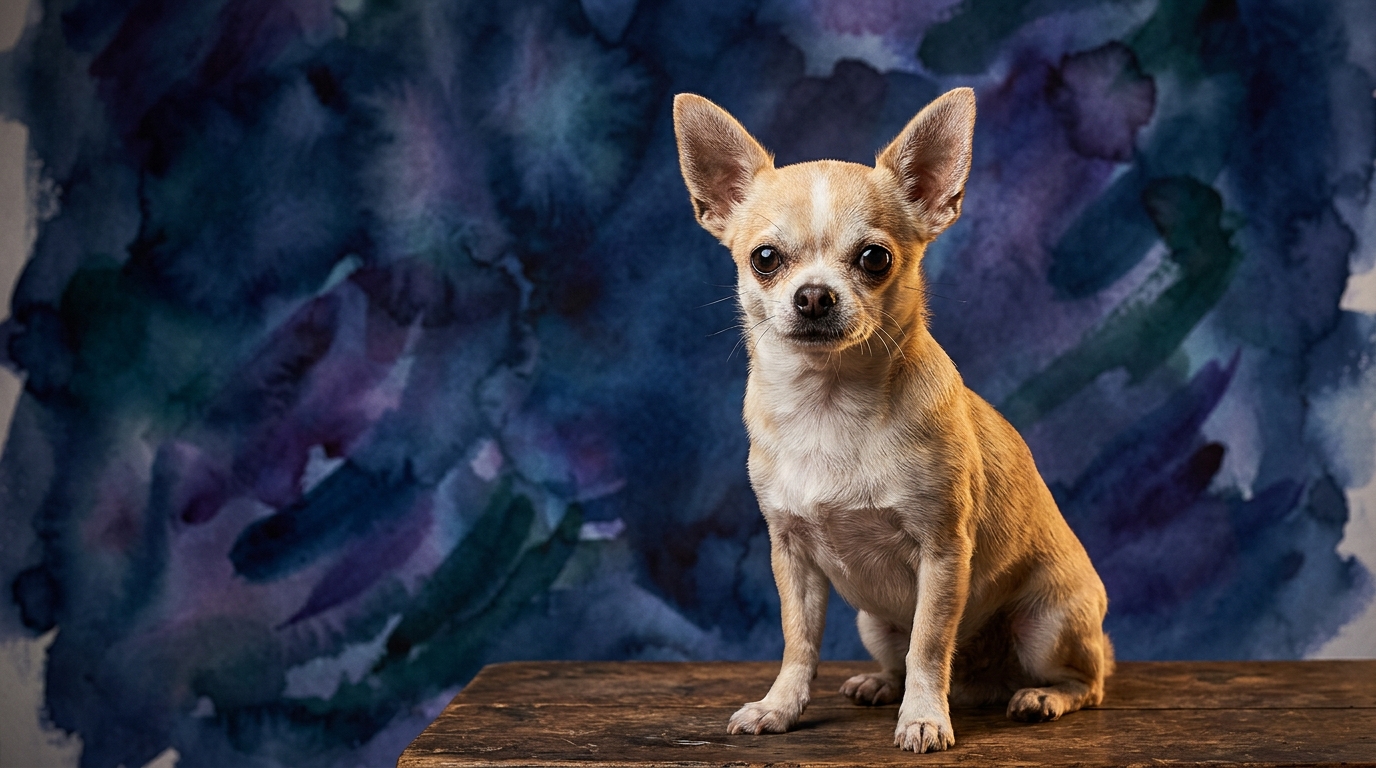
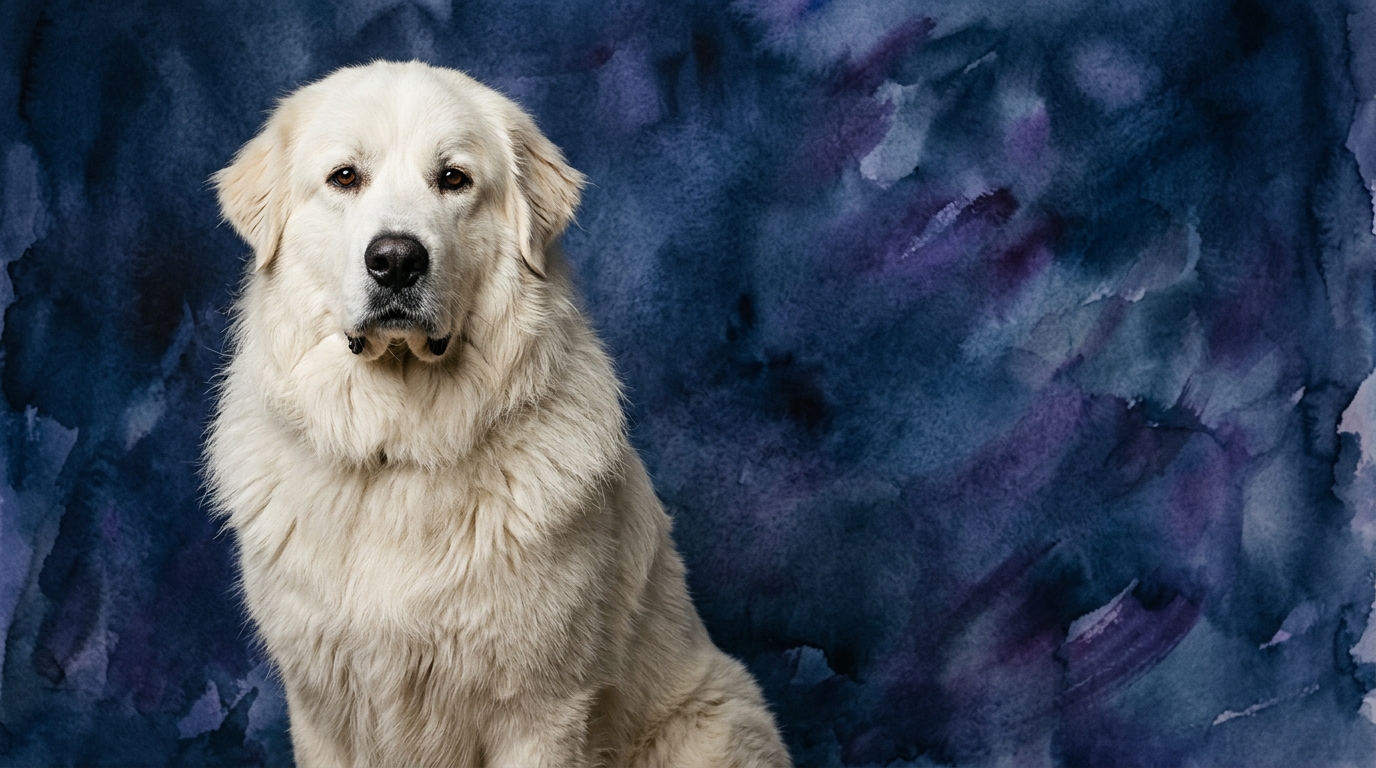
Side-by-Side Cognitive Profile: Chihuahua vs. Great Pyrenees
In The Cosmic Pet Pet IQ Lab, we evaluate canine intelligence across five key dimensions, revealing a nuanced picture for each breed. The Chihuahua, ranking #67 in Coren's traditional obedience intelligence, and the Great Pyrenees, slightly higher at #64, both demonstrate intelligence that is deeply ingrained in their historical roles, though manifested differently in daily life.
When assessing Problem Solving, both breeds score identically at 3/5, yet their application differs significantly. A Chihuahua might exhibit this by figuring out how to access a coveted treat on a high shelf or manipulating a situation for attention, demonstrating resourcefulness within a domestic context. The Great Pyrenees, conversely, applies its problem-solving acumen to its ancestral guardian duties, independently assessing environmental threats and devising strategies to protect its territory or charges without direct human instruction.
Training Speed also registers identically at 3/5 for both, indicating neither breed is among the quickest to master new commands through repetition alone. Chihuahuas, while capable, can possess an independent streak that requires engaging motivation, while the Great Pyrenees is known for its deliberate, self-assured nature, often weighing the necessity of a command against its own judgment or priorities.
Social Intelligence presents a clear divergence: the Chihuahua scores 4/5, while the Great Pyrenees scores 3/5. Chihuahuas are remarkably attuned to human emotions, subtle cues, and routines, fostering deep, communicative bonds and often anticipating their owner's needs or moods. The Great Pyrenees, while loyal, operates with a more independent social structure, less reliant on constant human interaction for guidance, reflecting its historical role of autonomous flock protection.
Instinctive Drive is rated 3/5 for both, but the nature of this drive is profoundly different. For the Chihuahua, this includes strong territoriality, a propensity for burrowing, and a keen prey drive for small objects or critters. The Great Pyrenees' score reflects its deeply ingrained guardian instincts – an unwavering drive to protect its family or territory from perceived threats, often requiring minimal human prompting and dictating much of its behavior.
Finally, Memory shows the Chihuahua at 4/5 compared to the Great Pyrenees at 3/5. This suggests Chihuahuas are more adept at recalling specific events, learned associations, and complex routines, which aids in consistent training and understanding household rules. The Great Pyrenees' memory, while functional, is likely more focused on spatial awareness, recognizing patterns related to its guarding duties, and remembering its charges and territory rather than intricate command sequences.
Where the Chihuahua Wins Cognitively
The Chihuahua's cognitive strengths distinctly lie in its superior social intelligence (4/5) and memory (4/5). Their heightened capacity for understanding human cues, emotions, and intentions enables them to form exceptionally deep and nuanced bonds, often appearing to anticipate their human companion's desires. This makes them highly adaptive to the intricate social dynamics of a household, learning complex routines and remembering specific interactions with remarkable clarity, fostering a profoundly engaged companionship.
Where the Great Pyrenees Wins Cognitively
The Great Pyrenees' cognitive advantage stems from its specialized, independent problem-solving and its powerful instinctive drive (3/5), which is profoundly geared towards autonomous guardianship. While its raw scores might not always surpass the Chihuahua's, its intelligence is specifically honed for self-directed decision-making in complex, potentially threatening situations. This breed excels at surveying its environment, discerning genuine threats from benign stimuli, and implementing protective strategies without constant human direction, showcasing a form of practical, self-reliant intelligence crucial for its working heritage.
Which is Easier to Train and Why
Despite identical 3/5 scores in Training Speed, the Chihuahua typically presents an easier training experience for most owners, primarily due to its higher social intelligence and superior memory. Chihuahuas are often eager to engage with their human companions and are more attuned to subtle cues, responding well to positive reinforcement and consistency, and retaining learned behaviors more readily. The Great Pyrenees, in contrast, requires immense patience and an understanding of its independent nature; its instinctive drive for autonomous guarding means it often evaluates commands based on its own assessment of the situation rather than immediate compliance, demanding a highly engaging and respectful training approach that acknowledges its self-reliant temperament.
Which Suits Active Owners vs. Relaxed Owners
The ideal owner type for each breed is significantly influenced by their cognitive and behavioral profiles. The Chihuahua, with its profound social intelligence and moderate exercise needs, often thrives with owners who can provide consistent attention, ample indoor interaction, and appreciate a highly engaged companion, making them well-suited for relaxed owners who enjoy companionship without extensive outdoor demands. Conversely, the Great Pyrenees, driven by its powerful guarding instincts and need for purpose, is better suited for active owners who possess a spacious property, can provide a 'job' (even just patrolling a large yard), and are prepared to patiently guide a self-reliant breed whose primary motivation is protection rather than constant human interaction.
The Verdict
Choose a Chihuahua if you seek a highly engaged, communicative companion who thrives on close interaction and can adapt well to indoor living, offering profound loyalty and a keen understanding of your routines.
Opt for a Great Pyrenees if you possess a spacious property, appreciate an independent, watchful guardian with a calm presence, and are prepared to patiently guide a self-reliant breed whose purpose lies in protection.
🧠 Find Your Pet's IQ Score
Our Pet IQ Lab assessment covers 25+ tests across 5 cognitive dimensions — personalized to your breed.
Take the Full IQ Test →Frequently Asked Questions
Are Chihuahuas better at learning tricks than Great Pyrenees?
Given their higher social intelligence and superior memory, Chihuahuas generally show more aptitude for learning and performing tricks, as they often enjoy the interactive engagement and can recall sequences more effectively. Great Pyrenees can learn tricks, but their independent nature often means they are less motivated by performance for its own sake.
Does the Great Pyrenees' Coren rank being slightly higher mean it's smarter overall?
Coren's ranking primarily assesses 'working and obedience intelligence,' measuring a dog's ability to learn and execute human commands quickly. While the Great Pyrenees ranks slightly higher, this doesn't imply overall cognitive superiority; rather, it suggests a marginally better aptitude for formal obedience tasks compared to the Chihuahua within that specific context.
How does social intelligence affect daily life with these breeds?
A Chihuahua's high social intelligence means they are often deeply attuned to their owner's moods and routines, fostering a very interactive and responsive companionship where they frequently seek and offer connection. The Great Pyrenees' lower social intelligence score reflects a more independent nature, meaning they might not seek constant interaction or cues, preferring to observe and act on their own initiative, particularly in their guarding role.