Side-by-Side IQ Profile: A Deeper Dive
The Cosmic Pet Pet IQ Lab assesses canine cognition across five distinct dimensions, offering a nuanced understanding beyond general rankings like Coren's. While the Standard Poodle holds a Coren rank of #2 and the Great Pyrenees is #64, these granular insights truly illuminate their cognitive landscapes.
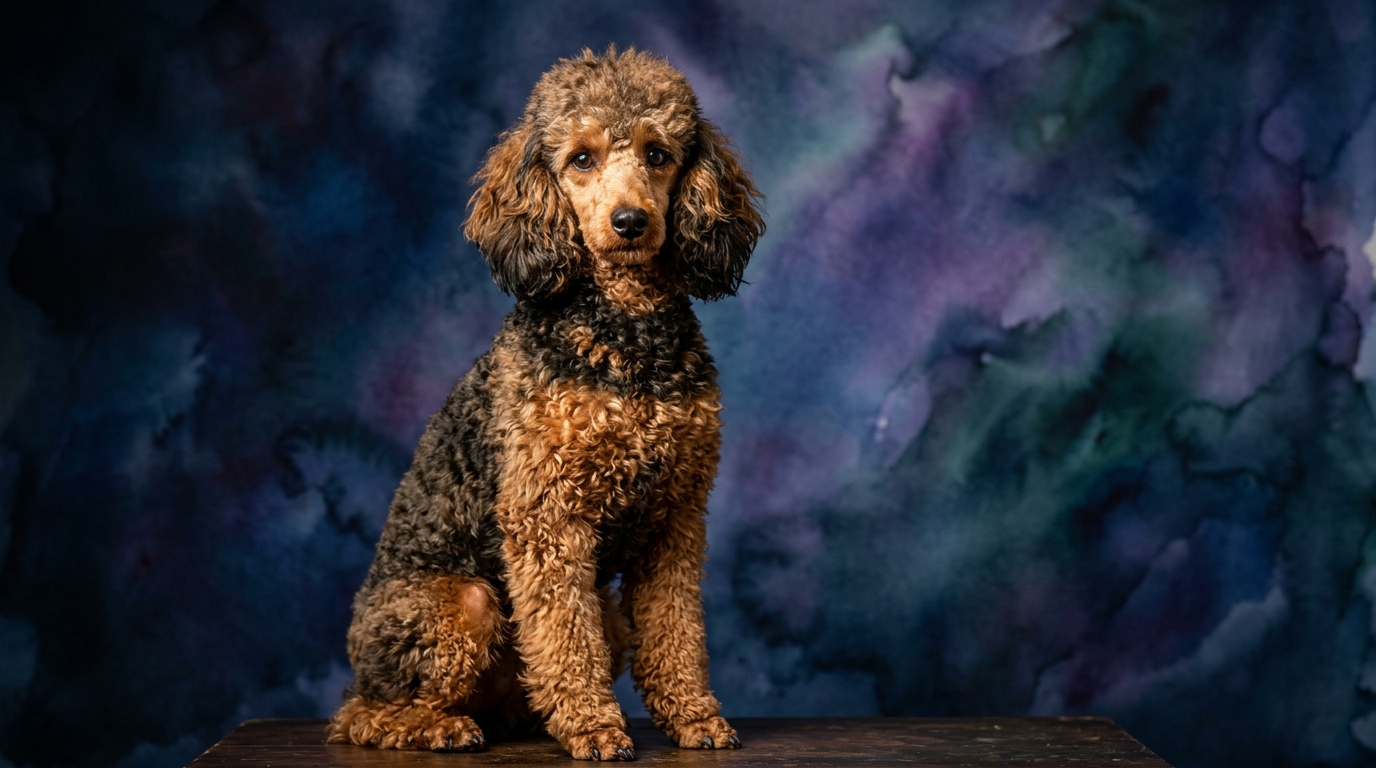
The Standard Poodle's profile is marked by exceptional adaptability and rapid processing. Their Problem Solving is rated 5/5, indicating an outstanding capacity to strategize and navigate novel situations effectively. Training Speed also scores 5/5, reflecting their quick grasp of commands and complex routines. Social Intelligence, at 5/5, highlights their profound attunement to human cues and emotional states, enabling sophisticated communication. Their Instinctive Drive, rated 4/5, showcases a well-channeled natural inclination, often towards retrieving or canine sports, rather than raw, undirected impulses. Finally, Memory, at 5/5, points to their remarkable ability to retain complex sequences and long-term recall.
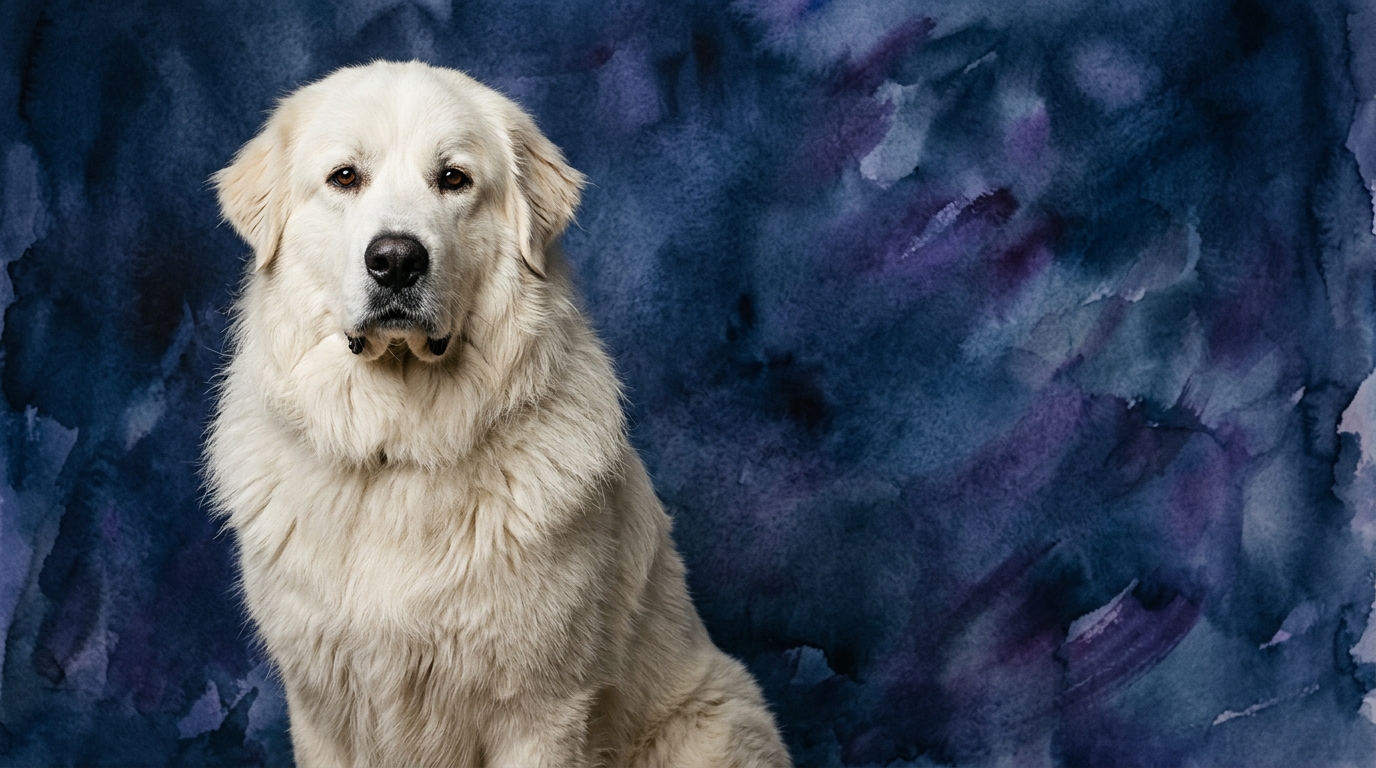
In contrast, the Great Pyrenees presents a profile optimized for independent guardianship. Their Problem Solving is rated 3/5, suggesting a practical, situation-specific approach to challenges within their domain, rather than abstract conceptualization. Training Speed also stands at 3/5, indicating that while they learn, it often requires more repetition and patience due to their autonomous nature. Social Intelligence, at 3/5, describes an observant but less overtly cooperative demeanor, with communication often being subtle and less eager-to-please. Their Instinctive Drive, also 3/5, is powerfully directed towards territorial protection and flock guardianship, not human-directed tasks. Memory, rated 3/5, reflects their ability to retain crucial information pertinent to their role, such as threats and territory boundaries, but less so for intricate human-designed sequences.
Where the Standard Poodle Excels Cognitively
The Standard Poodle's cognitive strengths are evident in their superior scores across the board, particularly in areas demanding flexibility and rapid learning. Their 5/5 in Problem Solving allows them to quickly assess new environments or puzzles, devising strategies with impressive agility, whether it's figuring out a new toy or navigating an agility course. This capacity for abstract thought and pattern recognition makes them highly versatile learners, capable of applying learned concepts to entirely new situations.
Their 5/5 Social Intelligence is another cornerstone of their cognitive prowess, manifesting as a deep understanding of human intentions and emotions. This enables them to form exceptionally strong bonds and respond with uncanny accuracy to subtle cues, making them outstanding companions and service animals. Coupled with their 5/5 Training Speed and Memory, this breed can master intricate routines and commands, remembering them for extended periods, which is why they are often seen excelling in competitive obedience, tracking, and even theatrical performances.
Where the Great Pyrenees Excels Cognitively
While the Great Pyrenees' scores of 3/5 across cognitive dimensions might appear modest compared to the Poodle, they represent a highly specialized and effective form of intellect, perfectly tailored to their historical role. Their Problem Solving, though rated 3/5, is profoundly practical and situation-specific, focused on assessing potential threats and making autonomous decisions to protect their charges or territory. This isn't about solving human-created puzzles, but rather evaluating real-world environmental dynamics with a self-reliant wisdom.
The Great Pyrenees' 3/5 Social Intelligence is not about eager cooperation, but rather a deep, observant understanding of their environment and the subtle shifts within it, including the behavior of their human and animal family. Their loyalty is profound, expressed through vigilant protection rather than effusive displays. Their 3/5 Instinctive Drive is precisely what makes them effective guardians; it's an unwavering, self-directed impulse to protect, requiring minimal human instruction. Their Memory, also 3/5, is geared towards retaining critical information for their role, such as recognizing familiar faces, remembering the layout of their territory, and recalling past threats, rather than memorizing complex human commands.
Which is Easier to Train and Why
When it comes to ease of training, the Standard Poodle holds a distinct advantage, primarily due to their 5/5 Training Speed and 5/5 Social Intelligence. They possess an inherent eagerness to engage with their human companions and a remarkable ability to grasp new commands quickly, often with just a few repetitions. Their strong memory (5/5) means they retain learned behaviors over time, making advanced obedience, complex trick training, or specialized service work a natural fit. They thrive on intellectual challenges and positive reinforcement, finding satisfaction in mastering new skills alongside their owner.
Training a Great Pyrenees requires a different approach, reflecting their 3/5 Training Speed and independent nature. Bred to think for themselves while guarding livestock, they are not inherently motivated by human praise for tasks that don't align with their protective instincts. While they are capable of learning, the process often involves more patience, repetition, and finding ways to motivate them on their own terms. Their powerful instinctive drive for guarding can sometimes override a desire for strict obedience, meaning an owner must understand and work with their self-reliant character rather than trying to impose absolute compliance. Success with a Pyrenees often comes from building a relationship based on mutual respect and understanding their unique motivations.
Matching Cognitive Profiles to Owner Lifestyles
For owners seeking a highly interactive and engaged companion, the Standard Poodle's cognitive profile is an ideal match. Their high scores in Problem Solving, Training Speed, and Social Intelligence mean they thrive on mental stimulation and diverse activities. Owners who enjoy participating in dog sports like agility, obedience, or rally, or who want a dog capable of learning numerous tricks and complex routines, will find the Poodle a willing and capable partner. Their need for intellectual engagement means they do best with owners who can dedicate time to regular training sessions, puzzle toys, and interactive play.
Conversely, the Great Pyrenees suits owners who appreciate a more independent and self-sufficient canine presence. Their cognitive profile, while not geared towards human-directed tasks, is perfectly suited for a vigilant guardianship role. Owners who provide a secure, spacious environment where the Pyrenees can observe and protect, and who understand that their dog's "job" is often self-assigned, will find a deeply loyal companion. They are content with less intense, constant human engagement than a Poodle, making them a fit for owners who prefer a dog that is present and watchful, rather than always seeking interaction or demanding complex tasks.
The Verdict
Choose a Standard Poodle if you seek a highly interactive, adaptable, and trainable companion eager to participate in diverse activities and intellectual challenges alongside you.
Opt for a Great Pyrenees if you value an independent, watchful guardian with profound loyalty and a self-directed approach to life, comfortable with a less conventional, more patience-driven training dynamic.
🧠 Find Your Pet's IQ Score
Our Pet IQ Lab assessment covers 25+ tests across 5 cognitive dimensions — personalized to your breed.
Take the Full IQ Test →Frequently Asked Questions
Does a lower Coren rank mean a dog is less capable?
No, a Coren rank primarily indicates how quickly a breed learns and obeys human-directed commands, not their overall cognitive capacity or their intelligence within their breed-specific role. Breeds like the Great Pyrenees possess specialized intellect for tasks like independent guardianship.
Can a Great Pyrenees excel in dog sports?
While a Great Pyrenees can participate in dog sports, their independent nature and lower training speed mean they are often less inclined towards the precision and eager cooperation seen in breeds like the Standard Poodle. They typically prefer activities that align with their natural guarding instincts or require less human direction.
How important is mental stimulation for both breeds?
For the Standard Poodle, consistent mental stimulation is crucial to prevent boredom and potential destructive behaviors, thriving on puzzles and training challenges. For the Great Pyrenees, providing a secure territory to observe and protect serves as their primary and most fulfilling form of mental engagement.