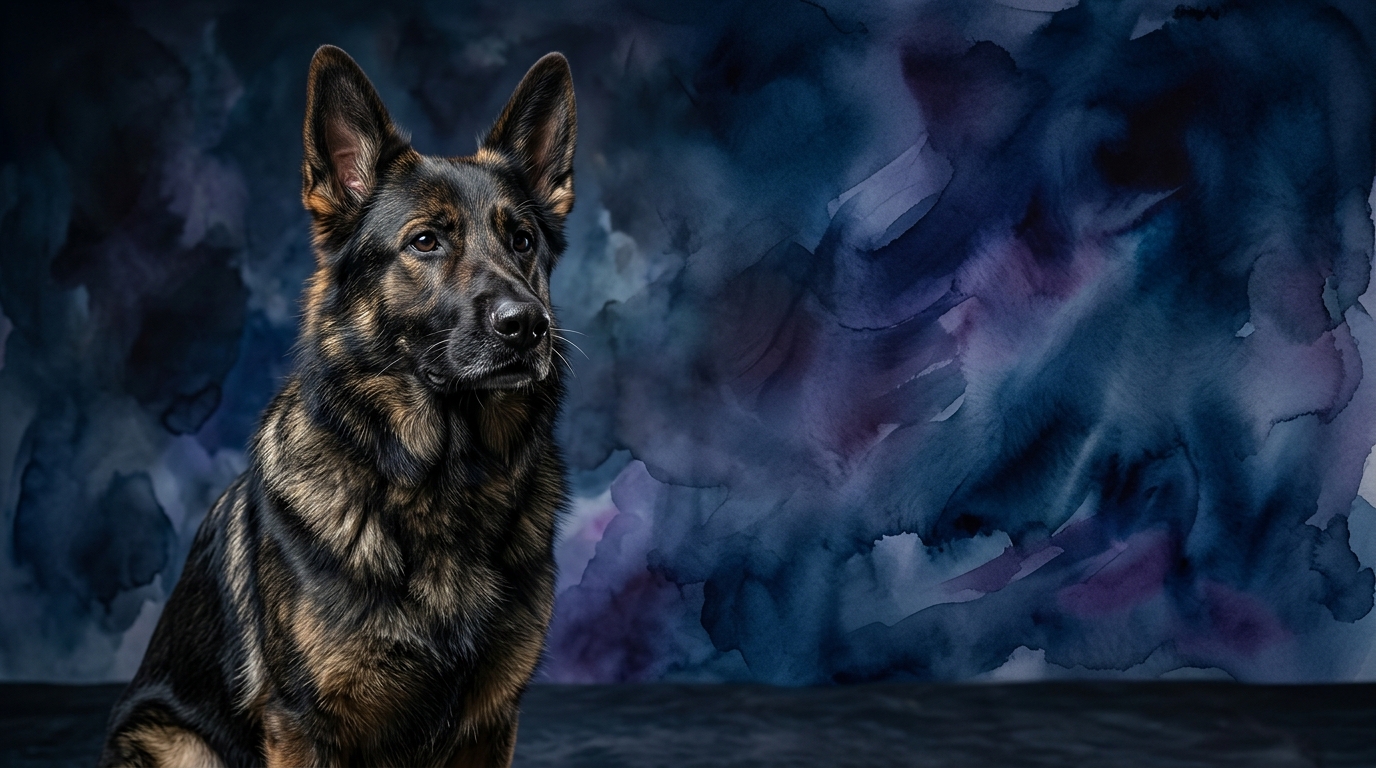
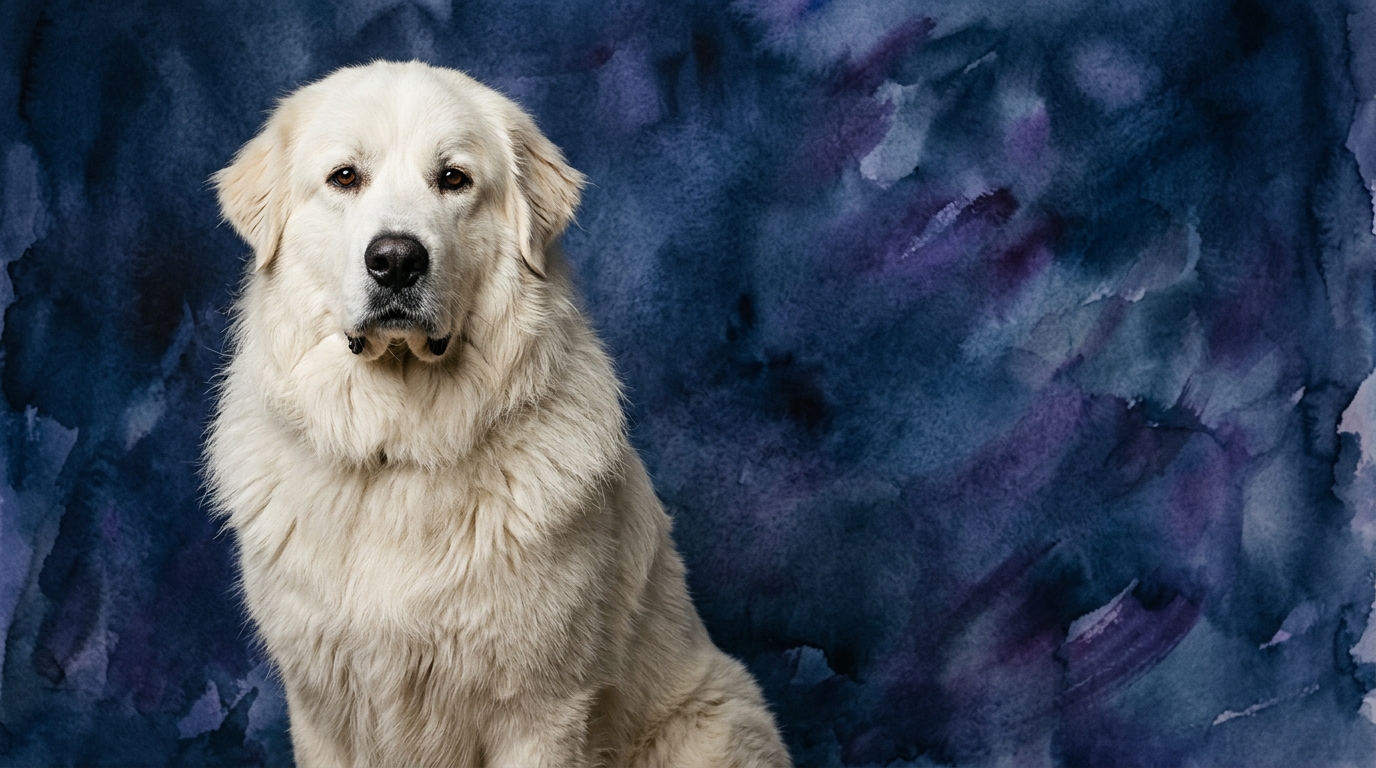
Side-by-Side Cognitive Profile: German Shepherd vs. Great Pyrenees
To understand the unique mental strengths of these breeds, The Cosmic Pet IQ Lab assesses five key cognitive dimensions. These scores reflect not just raw processing power, but how each breed's intellect is shaped by its historical purpose and behavioral predispositions.
The German Shepherd, a breed developed for herding and protection, exhibits a remarkable suite of cognitive abilities, earning top marks across the board. Their Problem Solving is rated 5/5, indicating an exceptional capacity to analyze novel situations and devise effective solutions, often with minimal human guidance once a task is understood. Their Training Speed also scores 5/5; these dogs typically grasp new commands and complex sequences with very few repetitions, driven by a strong desire to engage and cooperate with their handler. Social Intelligence, at 5/5, highlights their profound ability to read human cues, understand social hierarchies, and adapt their behavior within a family or working unit. Instinctive Drive, a perfect 5/5, reflects their intense focus and innate predisposition for tasks like herding, guarding, and protection, channeling these drives into purposeful action. Finally, their Memory, also 5/5, allows them to retain a vast repertoire of commands, experiences, and associations over long periods, contributing to their reliability in complex roles.
In contrast, the Great Pyrenees, an ancient Livestock Guardian Dog (LGD), presents a different, yet equally specialized, cognitive profile. Their Problem Solving is rated 3/5, demonstrating an ability to assess threats and make independent decisions in a pastoral environment, but less inclined towards solving abstract puzzles or human-defined tasks without clear purpose. Training Speed stands at 3/5; while capable of learning, the Great Pyrenees requires more patience and repetition, as their independent nature means they often question the necessity of a command rather than automatically comply. Social Intelligence, at 3/5, speaks to their discerning nature; they form deep bonds with their family or flock but are often reserved with strangers, evaluating interactions cautiously. Their Instinctive Drive, 3/5, is strongly geared towards guarding and protecting their charges, exhibiting vigilance and territoriality, but less towards handler-directed activities. Memory, also 3/5, is sufficient for remembering routines and important people or livestock, though perhaps not for the intricate, multi-step commands a German Shepherd might master.
Where the German Shepherd Excels Cognitively
The German Shepherd's cognitive prowess shines brightest in environments that demand rapid learning, intricate task execution, and a deep partnership with a human handler. Their 5/5 Problem Solving means they can quickly process environmental changes and adapt strategies, whether tracking a scent or navigating an agility course. This breed excels at understanding abstract concepts like 'stay' for extended periods or 'find' for specific objects, applying these learnings across varied contexts. Their superior Social Intelligence allows them to anticipate a handler's next move or mood, fostering an almost telepathic working relationship. This cognitive synchronicity makes them exceptional candidates for roles requiring precision and responsiveness, such as search and rescue, service work, or police duties, where split-second decisions and unwavering focus are paramount. Their memory ensures that once a skill is learned, it is deeply ingrained, allowing for consistent performance even after long breaks.
Where the Great Pyrenees Excels Cognitively
The Great Pyrenees' cognitive strengths lie in their self-sufficiency and their inherent understanding of their guardian role. Their 3/5 Problem Solving, while not geared towards complex human games, is highly effective in their natural environment. They demonstrate an astute ability to independently assess threats to their flock or family, determining whether to bark a warning, position themselves defensively, or confront an intruder. This decision-making occurs without needing a human to issue a command. Their instinctive drive to protect, even at 3/5 in our structured lab setting, is profoundly powerful in its specific application, enabling them to patrol vast areas, remain vigilant for hours, and make strategic choices about territory and potential dangers. Their social intelligence, while not overtly demonstrative, allows them to form deep, protective bonds with their charges, understanding the nuances of flock behavior or family dynamics. This breed's intellect is a quiet, observant, and deeply effective form of practical wisdom, honed over centuries to operate autonomously.
Trainability: German Shepherd's Eagerness vs. Pyrenees' Independence
When it comes to training, the German Shepherd is generally a more straightforward and rewarding partner for those seeking a highly compliant companion. Their 5/5 Training Speed and strong social intelligence mean they are eager to please, attentive to instruction, and quickly form associations between commands and actions. They thrive on clear direction and structured learning, viewing training as a collaborative activity with their human. Positive reinforcement techniques are highly effective, motivating them to learn complex routines and adapt to new scenarios with enthusiasm. Their innate drive to work and their capacity for memory make them exceptionally reliable in executing learned behaviors.
The Great Pyrenees, with its 3/5 Training Speed and independent spirit, presents a different training journey. Bred to think for themselves while guarding livestock, they do not possess the same inherent desire to perform human-directed tasks. Training a Pyrenees requires immense patience, consistency, and an understanding of their deep-seated independence. They will often weigh a command against their own perceived priorities, and if they don't see the immediate purpose or benefit, compliance may be slow or selective. Early socialization and consistent, gentle training are crucial, focusing on foundational manners rather than complex tricks. Owners must accept that a Pyrenees will always retain a degree of self-determination, valuing their own judgment in many situations over strict adherence to commands.
Matching Breeds to Lifestyles: Active Engagement vs. Watchful Presence
For active owners seeking a dynamic partner, the German Shepherd is an ideal match. Their robust physical and mental needs demand consistent engagement. These dogs thrive when given a 'job' – whether it's daily obedience practice, agility training, hiking, or advanced scent work. An owner who enjoys structured activities, has time for daily training sessions, and can provide ample physical exercise will find a German Shepherd to be an incredibly fulfilling companion. Their happiness is deeply tied to feeling useful and challenged, making them less suitable for purely sedentary lifestyles.
The Great Pyrenees, conversely, suits owners who appreciate a more relaxed, yet watchful, presence. While they need a large, securely fenced outdoor space to patrol and observe, their exercise requirements are generally moderate, often consisting of leisurely walks rather than intense runs. Their mental stimulation comes from surveying their territory and fulfilling their guardian instincts, not from learning new tricks daily. Owners who value an independent, calm, and protective companion, and who understand that their dog's 'work' is often quiet vigilance rather than active participation, will find the Great Pyrenees to be a loyal and steadfast presence. They are well-suited to rural or suburban homes with ample space, where their guardian traits can be expressed naturally.
The Verdict
Choose the German Shepherd if you are an active, engaged owner seeking a highly trainable, versatile working partner who thrives on structured tasks and close collaboration.
Opt for the Great Pyrenees if you value an independent, watchful guardian, have ample space, and appreciate a steadfast companion whose primary 'job' is quiet vigilance and protection.
🧠 Find Your Pet's IQ Score
Our Pet IQ Lab assessment covers 25+ tests across 5 cognitive dimensions — personalized to your breed.
Take the Full IQ Test →Frequently Asked Questions
Are German Shepherds good with children?
German Shepherds can be wonderful family dogs, forming strong bonds and being protective of children when properly socialized and trained from a young age. Their intensity requires supervision and teaching children how to interact respectfully.
Do Great Pyrenees bark a lot?
Yes, Great Pyrenees are known for their vocal nature, using barking as a primary method to alert their family or flock to perceived threats or changes in their environment. This is a natural part of their guardian instinct.
Which breed requires more grooming?
Both breeds have dense coats, but the Great Pyrenees typically requires more extensive grooming due to their thick double coat, which sheds heavily and can mat if not brushed regularly. German Shepherds also shed, but their coat is generally easier to maintain.