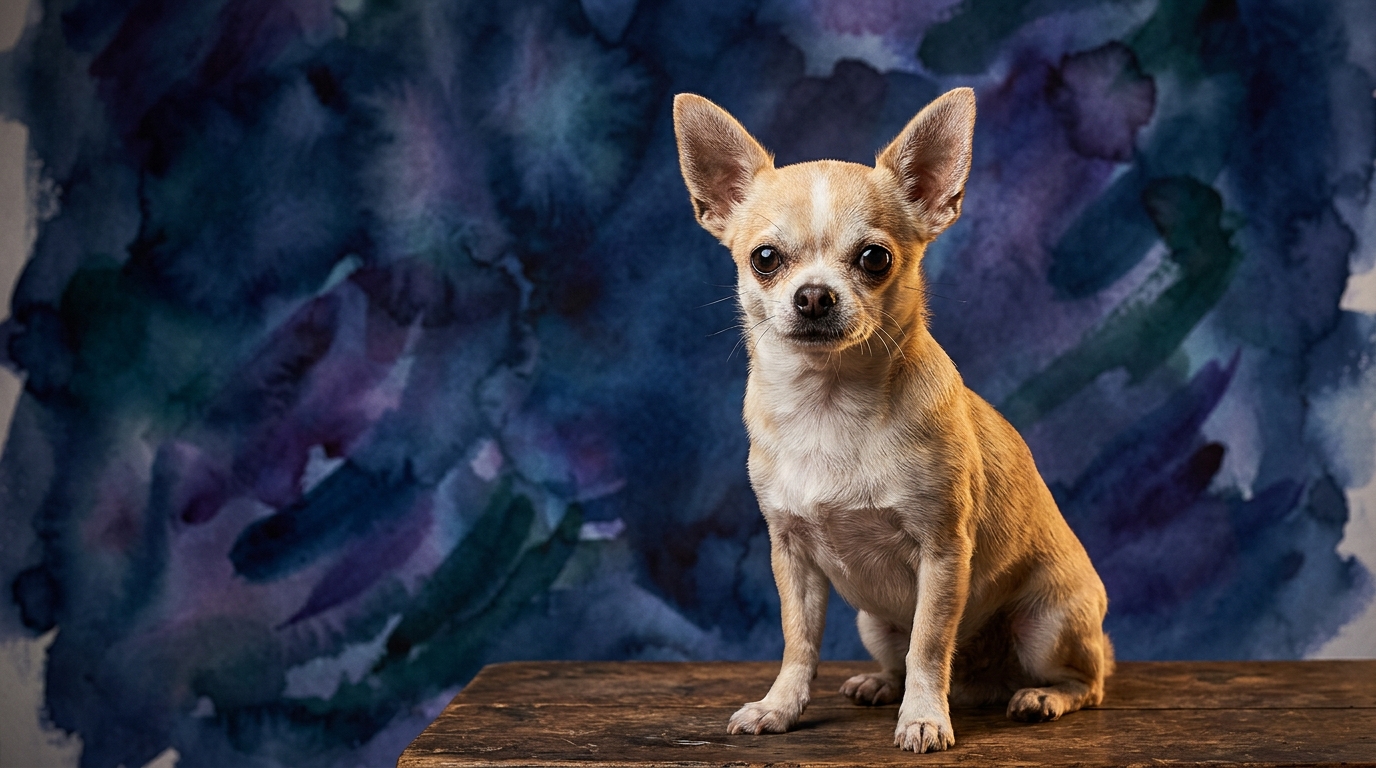
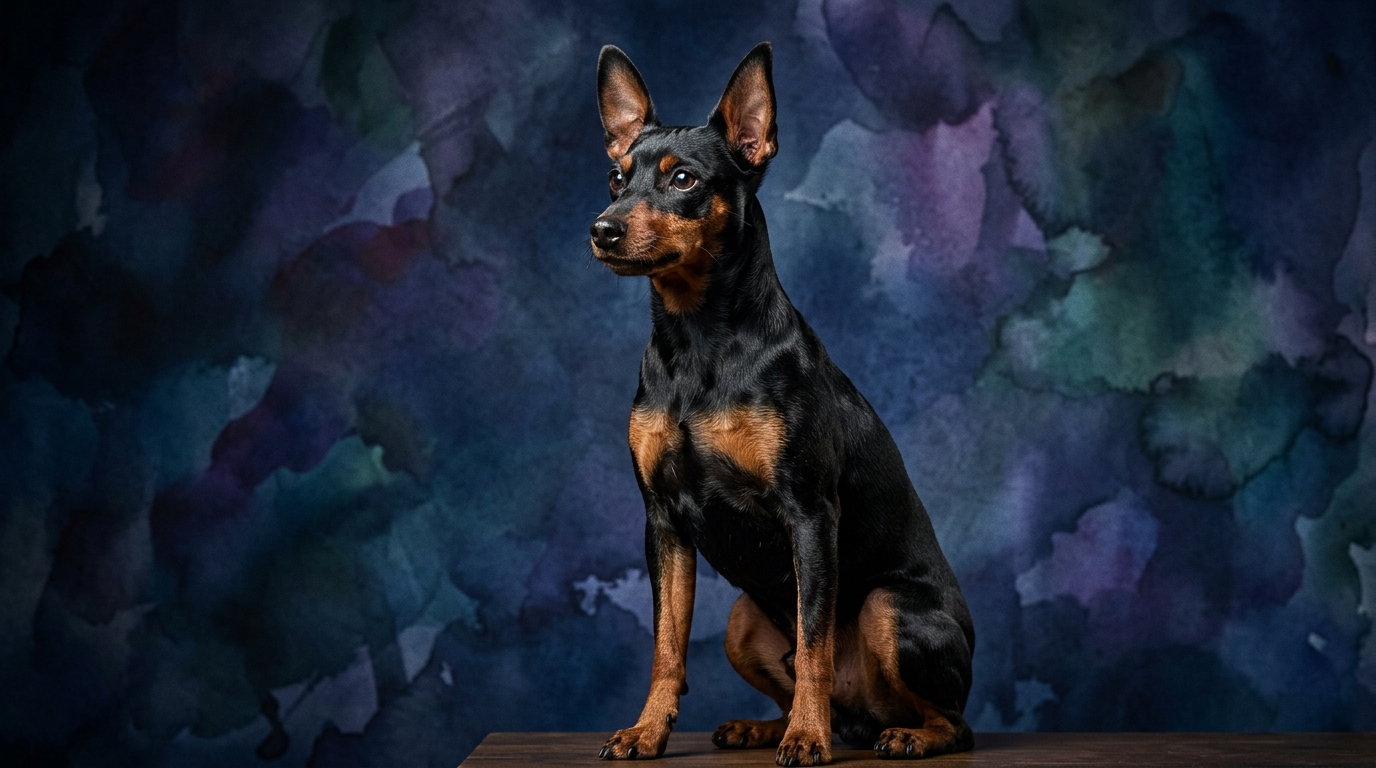
Side-by-Side IQ Profile: Chihuahua vs. Miniature Pinscher
The Cosmic Pet Pet IQ Lab assesses canine intelligence across five key dimensions, providing a nuanced view of each breed's cognitive strengths. Let's delve into the specific profiles of the Chihuahua and the Miniature Pinscher.
**Chihuahua (Coren rank #67)**
**Problem Solving (3/5):** Chihuahuas show moderate capacity for novel challenges, often using trial-and-error to solve simple puzzles for immediate rewards, demonstrating practical rather than abstract thinking. Their solutions tend to focus on achieving immediate, tangible outcomes.
**Training Speed (3/5):** Their ability to grasp new commands is moderate; consistent positive reinforcement is key, though an independent streak might require more repetition initially. They learn effectively when motivated by rewards and praise.
**Social Intelligence (4/5):** A standout trait, they keenly read human emotions and social cues, forming deep, empathetic bonds and adapting behavior to household moods. This makes them highly attuned and responsive companions, often anticipating their owner's feelings.
**Instinctive Drive (3/5):** Moderate inherent instincts manifest as alert barking, burrowing desire, or tenacity in protecting territory or people; notable for their persistent alertness. While not a strong hunting drive, their watchfulness is pronounced.
**Memory (4/5):** Chihuahuas possess a strong memory for routines, people, and experiences, both positive and negative, contributing significantly to strong social bonds and influencing responses to past events. They recall specific interactions with impressive clarity.
**Miniature Pinscher (Not Coren-ranked)**
**Problem Solving (3/5):** Min Pins show moderate problem-solving, often devising bold, direct solutions to achieve goals like escaping enclosures or finding hidden items, demonstrating cleverness in overcoming obstacles. Their approach is typically confident and assertive.
**Training Speed (3/5):** They learn at a moderate pace, picking up commands efficiently with engaging, consistent training, though their independent nature may require strong motivation. Compliance can sometimes be a matter of their own choosing.
**Social Intelligence (3/5):** Moderate social intelligence means they form bonds but are more self-assured and less overtly empathetic than Chihuahuas, often prioritizing their own agenda or 'guarding' instincts. They acknowledge social cues but may not always align their behavior accordingly.
**Instinctive Drive (3/5):** Moderate yet distinct, rooted in vermin control, this drive manifests as strong prey drive, patrolling desire, and a fearless, energetic, assertive demeanor. This inherent vigilance makes them excellent, albeit vocal, sentinels.
**Memory (3/5):** Min Pins have a moderate memory for training, routines, and significant events, learning from experience and recalling interactions, contributing to their confident and sometimes wary nature with strangers. They retain lessons but perhaps with less emotional nuance than Chihuahuas.
Where the Chihuahua Wins Cognitively
The Chihuahua’s cognitive profile clearly excels in areas linked to deep companionship. Their superior social intelligence (4/5) allows them to read human emotions and subtle cues with remarkable precision, fostering an almost intuitive understanding of their owners. This translates into a dog that feels truly 'in tune' with its people, often anticipating needs or reacting empathetically to distress. Furthermore, their strong memory (4/5) significantly reinforces this bond. A Chihuahua remembers specific interactions, past comforts, and consistent routines with impressive clarity, solidifying their understanding of their human world and contributing to their steadfast loyalty. This robust memory also aids in retaining learned behaviors and understanding complex household dynamics over the long term, making them highly integrated family members.
Where the Miniature Pinscher Wins Cognitively
While the Miniature Pinscher's IQ scores are generally similar or slightly lower than the Chihuahua's, their cognitive profile points to a different kind of strength, particularly in their assertive independence and practical application of intelligence. Their consistent problem-solving (3/5) combined with a distinct instinctive drive (3/5) creates a self-reliant thinker. Min Pins often approach challenges with a bold, 'can-do' attitude, less reliant on human intervention to figure things out. Their problem-solving isn't about deep emotional understanding, but rather about practical, often physical, solutions to achieve their objectives. This inherent drive, originally for vermin control, translates into a dog that is perpetually alert, observant, and quick to react to environmental changes. This vigilance, a cognitive strength, makes them natural, if sometimes vocal, sentinels for their homes, demonstrating a robust, self-assured approach to their surroundings and a quickness to act on their perceptions.
Training Receptiveness: Chihuahua vs. Miniature Pinscher
When considering ease of training, both breeds score a 3/5 for training speed, suggesting a moderate learning curve. However, the nuances in their other cognitive dimensions paint a clearer picture. The Chihuahua's higher social intelligence (4/5) and strong memory (4/5) can be significant assets. Their deep desire to connect with their owner and their ability to remember cues, both verbal and non-verbal, often means they are more motivated to please and retain lessons effectively. A Chihuahua is more likely to be swayed by positive reinforcement centered around praise and affection, eager to align with their human's wishes and remember past successful interactions.
Conversely, the Miniature Pinscher's slightly lower social intelligence (3/5) and moderate memory (3/5), coupled with their pronounced independence and instinctive drive, can make training more of a negotiation. While they learn commands, a Min Pin might require more consistency and a stronger emphasis on making training intrinsically rewarding or highly engaging, as their focus can easily shift to environmental stimuli or their own agenda. Their 'what's in it for me?' attitude, rooted in their self-assured nature, means trainers need to be patient, firm, and creative to maintain engagement. Therefore, while both require dedication, the Chihuahua's cognitive makeup often makes them slightly more receptive and eager pupils in the long run, responding well to an owner's emotional cues.
Lifestyle Match: Active vs. Relaxed Owners
The cognitive profiles of these two toy breeds offer distinct fits for different owner lifestyles. The Chihuahua, with its high social intelligence and strong memory, often thrives with relaxed owners who appreciate a deeply bonded, emotionally attuned companion. They flourish in environments where they receive consistent affection, have a predictable routine they can remember, and are encouraged to be close to their people. While they enjoy short bursts of play and walks, their cognitive strengths lean towards companionship and emotional connection, making them ideal for individuals or families seeking a devoted lap dog who is highly aware of their presence and desires to be an integral part of daily life.
The Miniature Pinscher, on the other hand, with its moderate social intelligence, robust problem-solving, and distinct instinctive drive, is better suited for more active owners. Their inherent curiosity, boldness, and need to patrol mean they benefit from structured activities that engage their minds and bodies. Owners who enjoy regular walks, interactive games, puzzle toys, and perhaps even some agility or scent work will find a Min Pin a willing and enthusiastic participant. Their independent streak means they appreciate tasks and challenges, making them a good match for those who can provide consistent mental stimulation and clear boundaries, channeling their energetic and observant nature productively.
The Verdict
Choose a Chihuahua if you seek a deeply empathetic, highly attuned companion who will form an unbreakable bond and thrive on close emotional connection and consistent routines.
Opt for a Miniature Pinscher if you desire a bold, self-assured, and energetic partner who enjoys mental challenges and physical activity, bringing a spirited watchfulness to your home.
🧠 Find Your Pet's IQ Score
Our Pet IQ Lab assessment covers 25+ tests across 5 cognitive dimensions — personalized to your breed.
Take the Full IQ Test →Frequently Asked Questions
Are Chihuahuas good watchdogs?
Chihuahuas, thanks to their moderate instinctive drive and keen awareness, often make excellent alert systems, quickly barking to signal strangers or unusual sounds. Their strong social intelligence also makes them protective of their chosen people, adding to their vigilant nature despite their small size.
Do Miniature Pinschers get along with other pets?
Miniature Pinschers can coexist with other pets, especially if socialized early, but their moderate social intelligence and strong prey drive mean introductions should be managed carefully. They might view smaller animals as chase targets, and their assertive nature can sometimes lead to dominance displays with other dogs.
How does a Chihuahua's memory impact training?
A Chihuahua's strong memory is a double-edged sword for training; while they quickly recall learned commands and routines, they also remember negative experiences vividly. This means positive reinforcement and gentle handling are crucial to build trust and prevent lasting associations with fear or discomfort.