Side-by-Side Cognitive Profiles
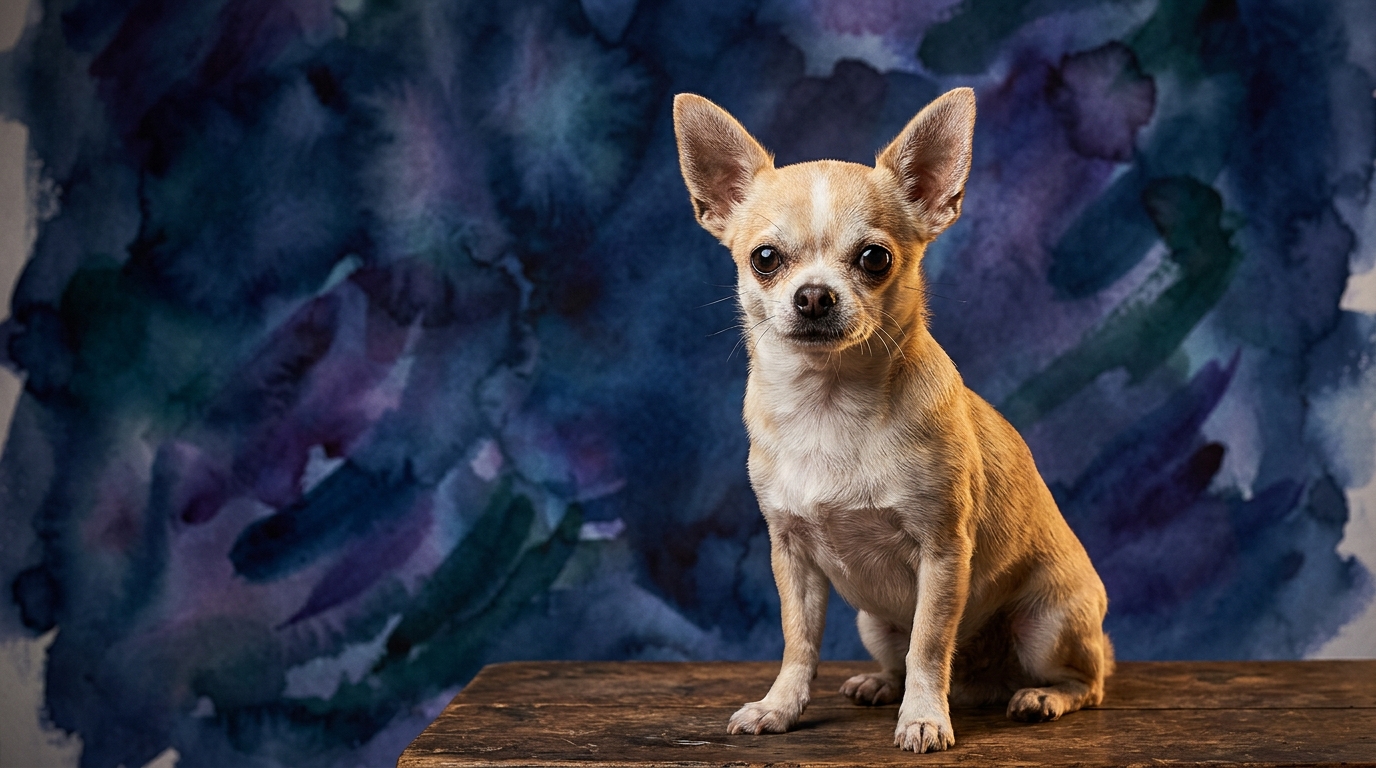
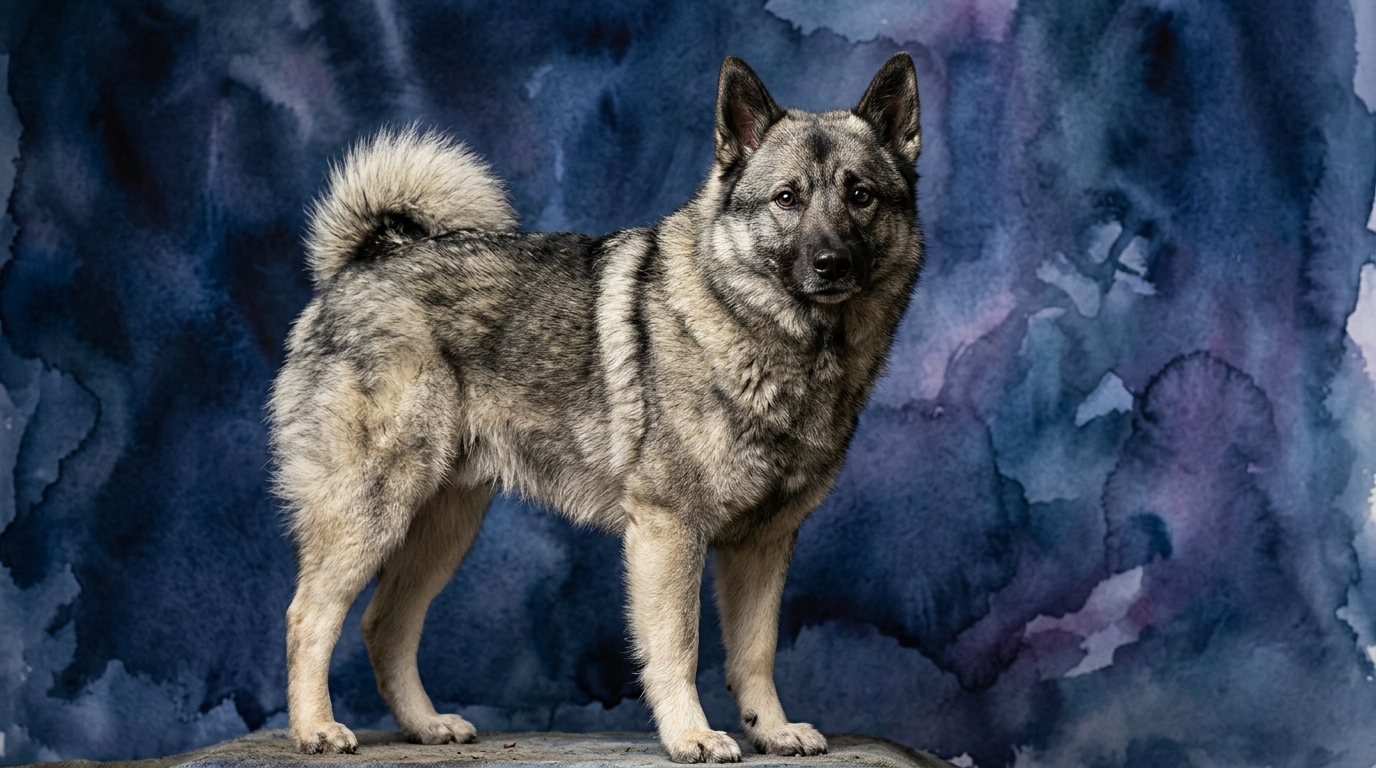
The Cosmic Pet Pet IQ Lab's assessment offers a granular view into the minds of the Chihuahua (Coren rank #67) and the Norwegian Elkhound (Coren rank #36), highlighting their unique cognitive architectures across five key dimensions. While the Elkhound generally ranks higher in overall working and obedience intelligence, a deeper dive reveals specific areas where each breed truly excels.
The Chihuahua's cognitive profile includes: Problem Solving (3/5), indicating they can navigate moderately complex situations but often rely on learned routines or human assistance for novel challenges, reflecting their companion role rather than a need for extensive independent problem-solving. Training Speed (3/5) suggests they acquire new commands at a moderate pace; they are capable learners who benefit from consistent, positive reinforcement, though their spirited nature can sometimes introduce independent streaks, requiring patient guidance. Social Intelligence (4/5) is a strong point, as Chihuahuas excel at reading human cues, forming deep bonds, and understanding family social dynamics, reflecting their role as attuned companions valuing sensitivity to human emotion. Instinctive Drive (3/5) is moderate; while some prey drive or territorial barking may exist, it's generally less pronounced than in working breeds, with their drive often channeled into close companionship. Memory (4/5) denotes a solid capacity for recalling learned behaviors, routines, and experiences, remembering commands, treat locations, and past interactions, contributing to their adaptability in a structured home.
The Norwegian Elkhound's cognitive profile encompasses: Problem Solving (4/5), a significant strength stemming from their role hunting large game; Elkhounds independently assess situations, track, and make decisions in complex environments, showcasing a strong capacity for navigating challenges and adapting strategies. Training Speed (4/5) means they learn new commands and tasks relatively quickly; their working background means eagerness for structured activities and good response to clear, consistent instruction. Social Intelligence (3/5) is moderate; affectionate with family, their social intelligence is more geared towards pack dynamics and cooperation than nuanced human-centric emotional sensitivity, and they can be independent in social interactions. Instinctive Drive (3/5) is moderate but specifically directed by their hunting heritage for tracking, scenting, and endurance; this drive manifests as a strong desire to explore and follow interesting smells, requiring an outlet. Memory (4/5) is strong, crucial for tracking, remembering territories, and recalling intricate commands, aiding in mastering complex routines and retaining information, making them reliable partners.
Where the Chihuahua Shines Cognitively
The Chihuahua's cognitive profile shines particularly bright in the realm of social intelligence, earning a 4/5. This breed demonstrates a remarkable aptitude for discerning human moods and intentions, often anticipating their owner's needs or reacting sensitively to emotional shifts. Their capacity for forming deep, almost intuitive bonds is a testament to this, making them highly attuned companions who thrive on close interaction and understanding the subtle cues of their human pack. While both breeds score 4/5 in memory, the Chihuahua's memory often manifests in recalling specific social interactions, preferred routines, and the intricate geography of their home, proving adept at navigating their personal world with precision.
Where the Norwegian Elkhound Excels Cognitively
Conversely, the Norwegian Elkhound's cognitive strengths are evident in their superior problem-solving abilities (4/5) and faster training speed (4/5). Originating as robust hunting dogs in challenging Nordic terrains, Elkhounds possess an innate capacity to assess complex situations, strategize, and adapt their approach to overcome obstacles, whether it's tracking game or navigating a novel environment. This translates into a dog that can often figure things out independently and respond to new commands with a relatively quick grasp. Their ability to learn and retain complex sequences of actions makes them proficient in activities requiring sustained mental engagement.
Trainability: A Tale of Two Approaches
When evaluating ease of training, the Norwegian Elkhound generally presents a more straightforward path for many owners, largely due to its 4/5 training speed and a working heritage that values cooperation. Elkhounds typically possess a focused eagerness to learn and respond to commands, especially with engaging, consistent training. Their instinctive drive, while present, is often channeled into purposeful activities like scent work, making them receptive to tasks leveraging natural inclinations. However, their independent nature necessitates early socialization and firm, positive leadership to manage their assertiveness.
The Chihuahua, with a 3/5 training speed, is a capable learner but often requires a different approach. Their strong social intelligence (4/5) means they are highly motivated by positive human interaction and praise, yet their spirited nature and lower instinctive drive (3/5) can sometimes lead to perceived stubbornness or lack of sustained focus. They excel at interactive tricks but house-training or recall can demand more patience and creativity. Their small size sometimes leads to unintentional training allowances, hindering progress compared to larger breeds where consistency is more rigorously applied.
Matching Canine Minds to Lifestyles
For owners with an active lifestyle seeking a canine partner for outdoor adventures or structured activities, the Norwegian Elkhound is often the more suitable choice. Their 4/5 problem-solving acumen and moderate instinctive drive, rooted in their hunting past, equip them for endurance, exploration, and engaging in mentally stimulating tasks like hiking, tracking, or dog sports. They thrive on having a 'job' and require consistent physical and mental exercise to prevent boredom and channel their natural energy productively. Their moderate social intelligence means they appreciate companionship but are less prone to separation anxiety if their needs for activity are met.
Conversely, the Chihuahua’s cognitive profile, particularly its high social intelligence (4/5) and moderate instinctive drive, makes it an excellent fit for more relaxed owners who prioritize close companionship and indoor activities. While capable of enjoying walks, their primary need is often deep emotional connection and a secure, comfortable environment. Their intelligence is best engaged through interactive play, puzzle toys, and learning tricks within the home, where their sensitive nature and strong memory for routines allow them to flourish. They are masters of domestic life, preferring to be at the heart of family activities and offering constant, attuned presence rather than demanding extensive outdoor excursions.
The Verdict
Opt for a Chihuahua if your lifestyle centers on intimate companionship and you appreciate a highly perceptive, emotionally attuned friend who thrives in a close-knit home environment.
Select a Norwegian Elkhound if you are an active individual or family seeking a robust, intelligent partner for outdoor adventures and engaging in mentally stimulating activities.
🧠 Find Your Pet's IQ Score
Our Pet IQ Lab assessment covers 25+ tests across 5 cognitive dimensions — personalized to your breed.
Take the Full IQ Test →Frequently Asked Questions
Are Chihuahuas difficult to train?
Chihuahuas have a moderate training speed (3/5) and can be very capable learners, especially when motivated by positive reinforcement and social interaction. Their spirited nature means consistency and patience are key, and their strong social intelligence often makes them eager to please their loved ones.
Do Norwegian Elkhounds need a lot of mental stimulation?
Yes, Norwegian Elkhounds, with their 4/5 problem-solving ability and hunting heritage, require significant mental engagement to thrive. Activities like tracking, puzzle toys, advanced obedience, or dog sports are excellent ways to satisfy their intelligent and active minds, preventing boredom.
Which breed is better with children?
Both breeds can be good with children, but their suitability often depends on individual temperament and proper socialization. Chihuahuas, being small and sensitive, require gentle interaction, while Elkhounds, with their robust nature, need consistent training to ensure their energy is channeled appropriately around kids.