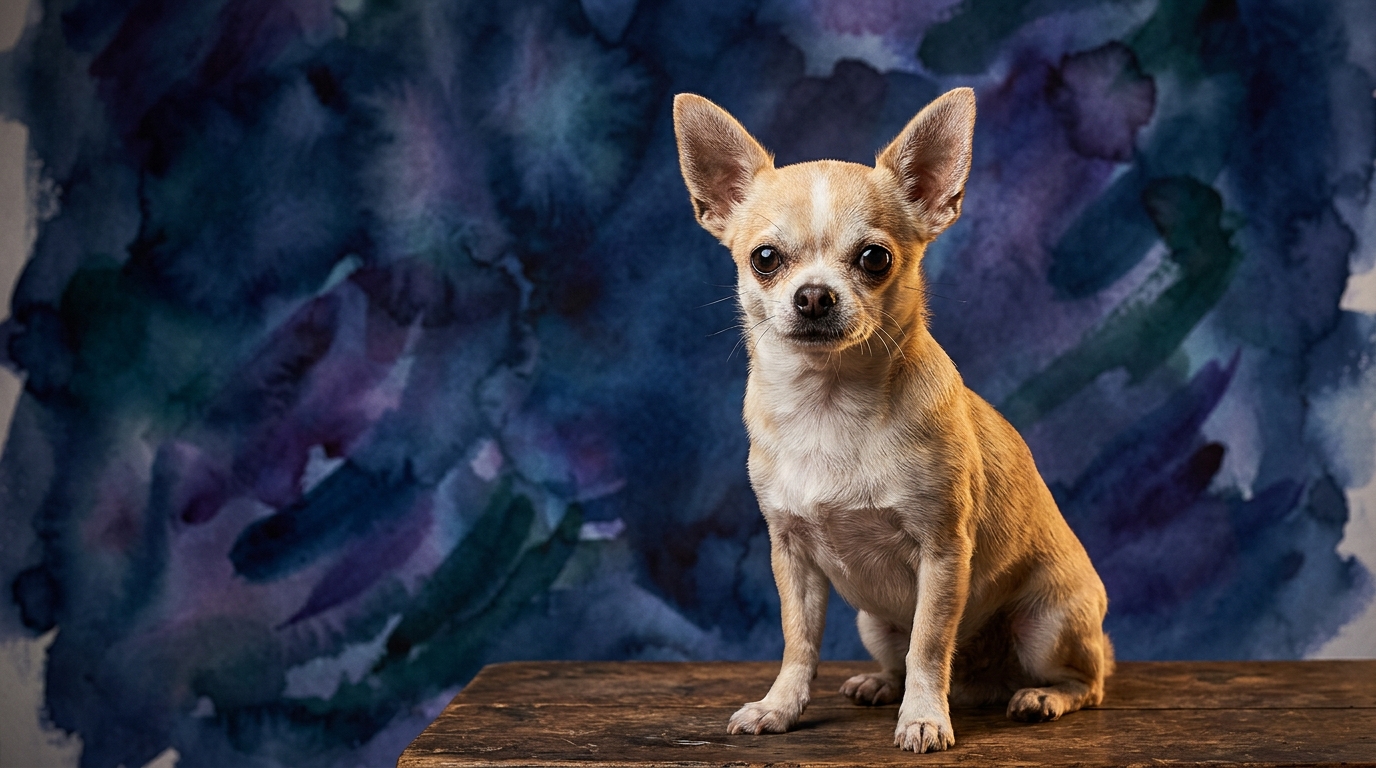
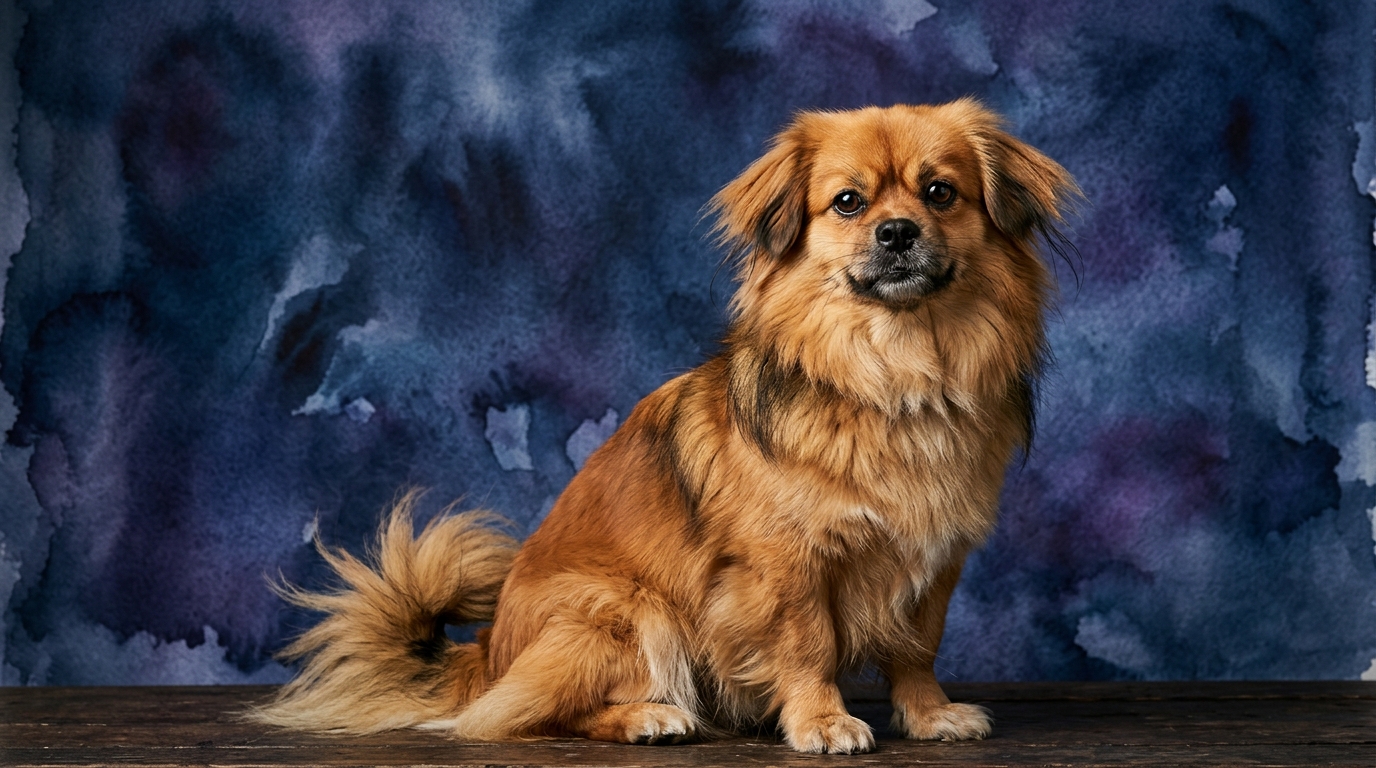
Side-by-Side Cognitive Profiles: Chihuahua vs. Tibetan Spaniel
The Cosmic Pet Pet IQ Lab offers a unique lens through which to compare the mental faculties of these two distinct breeds, moving beyond general perceptions to specific cognitive dimensions. Understanding these profiles provides insight into how each dog processes information, interacts with their environment, and forms bonds.
For the **Chihuahua**, a Toy group member with a Coren ranking of #67, their cognitive scores paint a picture of sharp social awareness and strong recall. Their Problem Solving is rated at 3/5, indicating a moderate ability to navigate novel challenges and figure out solutions independently. Training Speed also sits at 3/5, suggesting they pick up new commands at a steady, average pace, requiring consistent but not excessive repetition. Where Chihuahuas truly shine is in Social Intelligence, scoring an impressive 4/5; this reflects their keen ability to read human cues, form deep attachments, and understand social dynamics within their household. Instinctive Drive is a moderate 3/5, meaning they possess typical doggy instincts without being overwhelmingly driven by specific ancestral tasks. Finally, their Memory is strong at 4/5, allowing them to retain learned behaviors, routines, and specific associations over time, which can be highly beneficial in daily life.
The **Tibetan Spaniel**, classified in the Non-Sporting group and not appearing on Coren's ranking, presents a remarkably balanced cognitive profile, with all five dimensions scoring a consistent 3/5. Their Problem Solving at 3/5 suggests a practical, rather than overly complex, approach to challenges, capable of learning through experience without being exceptionally innovative. A Training Speed of 3/5 indicates they are amenable to learning but will benefit from clear, patient instruction, much like the Chihuahua. Social Intelligence, at 3/5, points to an affectionate and connected nature, though perhaps less intensely focused on human social cues than the Chihuahua. Instinctive Drive at 3/5 suggests a moderate level of inherent behaviors, such as watchfulness or companionship, without strong predispositions towards hunting or herding. Their Memory, also at 3/5, implies they retain information adequately, but might require more refreshers than a breed with higher recall scores to maintain perfect command execution over long periods.
Where the Chihuahua Wins Cognitively
The Chihuahua's cognitive strengths lie distinctly in their social acumen and robust memory. With a Social Intelligence score of 4/5, they demonstrate a superior ability to attune themselves to their human companions' moods, intentions, and communication. This translates to a dog that often feels deeply bonded, understanding subtle shifts in tone or body language, and responding with appropriate affection or seeking comfort. They are adept at forming profound, often singular, attachments, making them highly responsive to their chosen person's emotional state. This heightened social awareness can also manifest as a charming ability to 'train' their owners, subtly influencing behavior through their expressive communication.
Furthermore, the Chihuahua's 4/5 Memory score is a significant advantage. This strong recall means they are more likely to remember specific commands, household routines, and the locations of favored toys or resting spots. Owners might find that once a behavior or rule is established, a Chihuahua is less likely to 'forget' it, provided consistency is maintained. This sharp memory contributes to their ability to adapt to complex home environments and can make them particularly good at learning tricks or navigating familiar spaces with precision, recalling past experiences to inform current actions.
Where the Tibetan Spaniel Wins Cognitively
The Tibetan Spaniel's cognitive strength is found in its remarkable consistency and balanced temperament across all five dimensions, with every score registering at 3/5. This uniformity suggests a dog that is neither prone to extreme behavioral quirks nor exceptionally demanding in any single cognitive area. Instead, they offer a steady, predictable mental landscape that can be a significant advantage for owners seeking a harmonious and adaptable companion. Their moderate Problem Solving score means they are capable of learning and adapting without being overly independent or challenging to manage, often preferring to look to their human for guidance rather than attempting to outsmart them.
This balance also extends to their Social Intelligence (3/5) and Instinctive Drive (3/5). While perhaps not as intensely socially focused as the Chihuahua, the Tibetan Spaniel offers a more universally amiable social disposition. They are affectionate and enjoy interaction but are typically less prone to the 'one-person dog' intensity sometimes seen in breeds with higher social intelligence scores. Their moderate instinctive drive means they are generally less driven by specific ancestral urges, such as high prey drive or intense guarding behaviors, making them a more tranquil and less demanding presence in the home. This cognitive equilibrium contributes to their reputation as an easygoing and versatile companion, capable of fitting into diverse living situations without significant mental adjustments.
Which is Easier to Train and Why
When considering ease of training, both the Chihuahua and the Tibetan Spaniel score a 3/5 in Training Speed, indicating they learn at a moderate pace. However, their ancillary cognitive strengths can influence the overall training experience. The Chihuahua, with its 4/5 Social Intelligence and 4/5 Memory, often presents a more motivated and retentive trainee. Their strong social bond means they are highly attuned to their owner's approval and disapproval, making positive reinforcement particularly effective. They tend to remember commands and routines more readily, potentially requiring fewer repetitions over the long term once a concept is grasped. However, their social intensity can sometimes translate into stubbornness if they perceive a command as not serving their immediate social interest, or if they are overly focused on their human's presence to the exclusion of the task.
The Tibetan Spaniel, with consistent 3/5 scores across the board, requires a patient and consistent approach. They are willing learners but may not retain information as quickly or deeply as a Chihuahua. Their moderate social intelligence means they are responsive to their owner but might not be as intensely driven by social interaction alone during training sessions. Success with a Tibetan Spaniel often hinges on clear, concise commands and a consistent routine, with owners prepared for more frequent refreshers to solidify learned behaviors. They are generally less likely to actively challenge an owner during training, but their learning curve may be a bit steadier rather than exhibiting rapid breakthroughs. Therefore, while both require patience, the Chihuahua's stronger memory and social drive can make initial learning and long-term retention feel more efficient, provided their social quirks are managed.
Which Suits Active Owners vs. Relaxed Owners
The choice between these two breeds for active versus relaxed owners largely depends on the nuances of their cognitive and physical energy. The Chihuahua, despite its small stature, often possesses surprising bursts of energy and a keen desire for mental engagement, fueled by its social intelligence. They thrive on interaction, short play sessions, and opportunities to explore their immediate environment. An active owner who enjoys engaging their dog in short training sessions, social outings (where the Chihuahua can observe and interact), or even dog sports like agility (scaled appropriately) would find a Chihuahua a willing and enthusiastic participant. Their high social intelligence means they genuinely enjoy being included in activities, even if those activities are simply accompanying their owner on errands. However, they are also content to cuddle, making them adaptable for owners who have periods of activity followed by downtime.
The Tibetan Spaniel, with its balanced 3/5 scores, is a highly adaptable companion that generally suits a more relaxed, yet still engaged, lifestyle. They are not typically high-energy dogs, preferring a good daily walk and some playtime over intense athletic pursuits. Their moderate instinctive drive and problem-solving suggest they are content with routine and familiar environments, without needing constant novel stimulation. A relaxed owner who enjoys consistent, moderate daily walks, regular cuddle sessions, and a generally tranquil home environment would find the Tibetan Spaniel a perfect fit. While they enjoy interaction, their slightly lower social intelligence score compared to the Chihuahua means they might be a touch more independent or less demanding of constant attention, making them excellent companions for those who appreciate a dog that is present and affectionate without being overly clingy. Their steady temperament means they can easily transition between quiet indoor time and outdoor exploration.
The Verdict
Choose the Chihuahua if you seek a deeply bonded companion with sharp memory and a keen social intellect, thriving on interaction and retaining training well, provided you manage their potential for strong-willed social dynamics.
Opt for the Tibetan Spaniel if you prefer a consistently balanced, adaptable, and generally tranquil companion, requiring moderate exercise and patient training, and offering steady affection without intense social demands.
🧠 Find Your Pet's IQ Score
Our Pet IQ Lab assessment covers 25+ tests across 5 cognitive dimensions — personalized to your breed.
Take the Full IQ Test →Frequently Asked Questions
Are Chihuahuas difficult to train due to their small size?
Chihuahuas score 3/5 in Training Speed and 4/5 in Memory, indicating they are capable learners who retain information well. Their perceived difficulty often stems from owners not consistently applying training methods or underestimating their cognitive capacity due to their size, rather than an inherent lack of ability.
Do Tibetan Spaniels have any specific instinctive drives that owners should be aware of?
Tibetan Spaniels have an Instinctive Drive score of 3/5, suggesting moderate, balanced drives. They were historically 'little lions' for monks, acting as watchdogs, so they may exhibit alert barking or a tendency to perch high to observe their surroundings, but generally without excessive prey drive or strong herding instincts.
How does the Coren ranking relate to the Pet IQ Lab scores for these breeds?
Coren's ranking primarily measures 'working and obedience intelligence,' which aligns most closely with our Training Speed dimension. The Chihuahua's #67 Coren rank suggests moderate working intelligence, consistent with its 3/5 Training Speed. The Tibetan Spaniel is not Coren-ranked, which doesn't imply lower intelligence but rather that their historical role was more about companionship and watchfulness than complex obedience tasks, aligning with their balanced 3/5 scores across the board.