Side-by-Side IQ Profile: Chihuahua vs. Whippet
To truly understand the cognitive makeup of these two breeds, The Cosmic Pet Pet IQ Lab employs five key dimensions. Let's examine how the Chihuahua and Whippet score in each category, providing a detailed snapshot of their mental faculties.
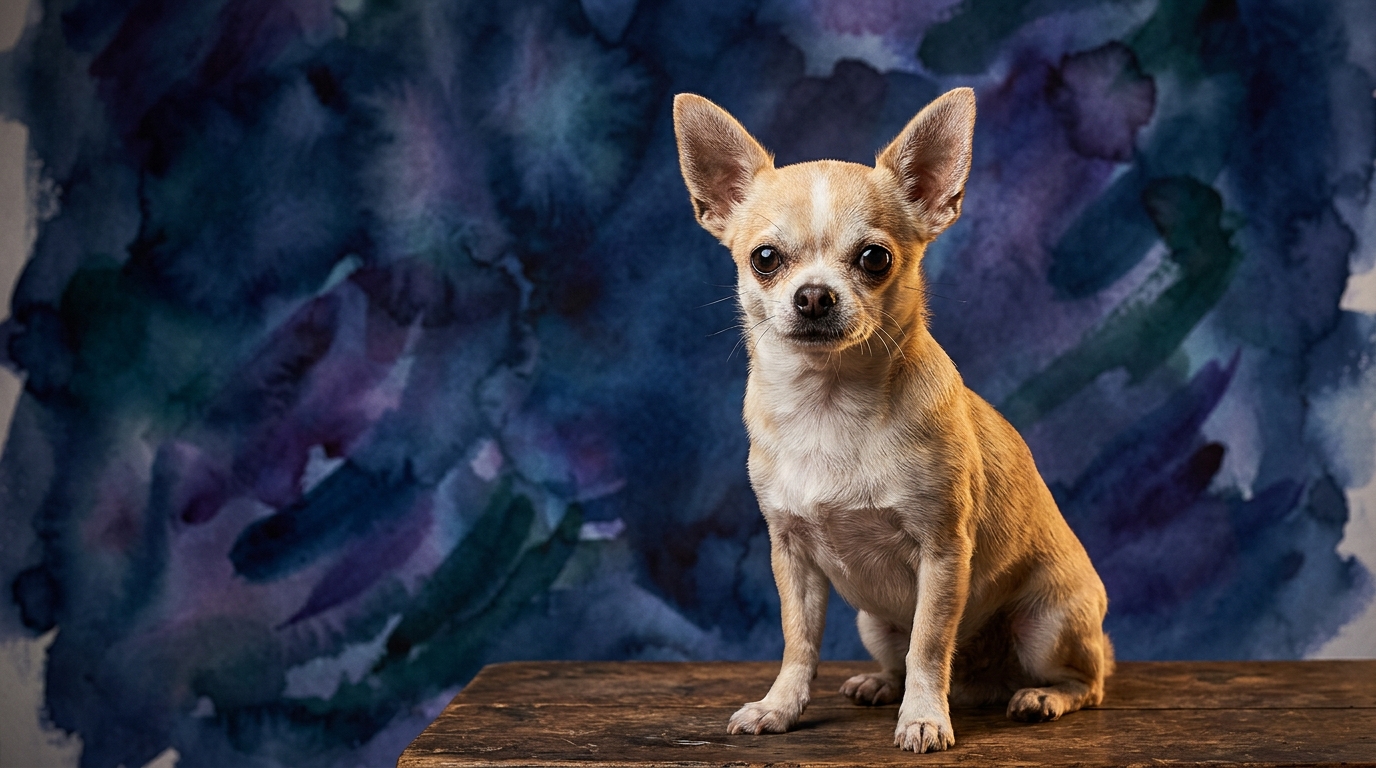
**Chihuahua (Coren Rank #67):** These spirited Toy dogs bring a unique blend of mental attributes to the table. Their **Problem Solving** ability is rated at 3/5, indicating a moderate capacity to navigate novel situations and figure out solutions independently. They can often deduce how to get what they want, whether it's reaching a treat or manipulating a door latch, but aren't typically master strategists. For **Training Speed**, they score 3/5, demonstrating a moderate pace in grasping new commands and routines, picking up basic obedience fairly readily. Their **Social Intelligence** is notable at 4/5, reflecting a strong capacity to understand human cues and social dynamics, allowing them to form deep bonds and often anticipate their owner's moods. **Instinctive Drive** stands at 3/5, meaning they possess moderate levels of innate behaviors like territorial guarding or a mild prey drive towards small critters, which are generally manageable. Finally, their **Memory** is strong at 4/5, signifying good retention of learned information and past experiences, often remembering specific routines and preferred routes for a considerable time.
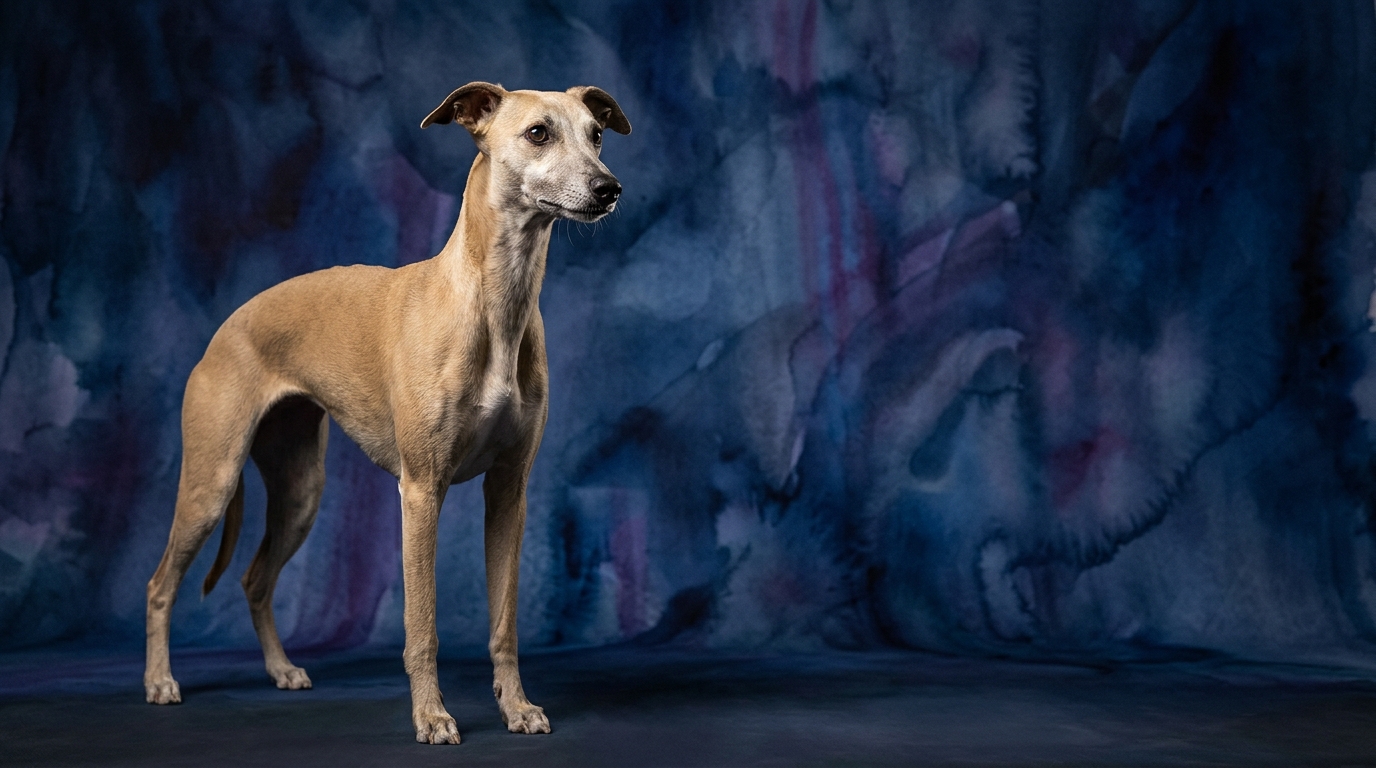
**Whippet (Coren Rank #51):** The graceful Whippet, a member of the Hound group, offers a different cognitive profile. Their **Problem Solving** ability, like the Chihuahua, is rated at 3/5, showing a moderate capacity to tackle new challenges and figure out simple puzzles, though they might not always be driven to complex intellectual endeavors if a simpler path exists. Their **Training Speed** is 2/5, indicating a slower pace in learning new commands and requiring more repetition and patience, often due to easy distraction by environmental stimuli. Whippets share the Chihuahua's high **Social Intelligence** at 4/5, possessing a strong understanding of social signals and interactions, being sensitive to human emotions and thriving on companionship. A defining trait is their **Instinctive Drive**, scoring a powerful 5/5, which means they are characterized by a very high natural inclination for chasing, detecting movement, and demonstrating their sighthound heritage. Their **Memory** is moderate at 3/5, meaning while they remember important routines and people, they might require refreshers for less frequently practiced commands or might not hold onto complex sequences of events as long as other breeds.
Where the Chihuahua Wins Cognitively
In a direct cognitive comparison, the Chihuahua demonstrates a clear advantage in two crucial areas: memory and initial training speed. With a memory score of 4/5 compared to the Whippet's 3/5, Chihuahuas are more likely to retain complex routines, remember specific past interactions, and recall commands with fewer refreshers. This superior recall means a Chihuahua might remember where they last saw a favorite toy or the sequence of events leading up to a walk, contributing to their perceived cleverness in daily life. Furthermore, their training speed of 3/5 surpasses the Whippet’s 2/5, indicating they generally grasp new commands and concepts more quickly during initial learning phases. This quicker uptake can make early obedience training feel more immediately rewarding for owners, as Chihuahuas often show faster progress in mastering novel tasks and developing a wider repertoire of learned behaviors.
Where the Whippet Wins Cognitively
The Whippet's cognitive strengths distinctly lie in their profound instinctive drive and their overall working/obedience intelligence, as reflected by their Coren rank. With an instinctive drive score of 5/5 against the Chihuahua's 3/5, Whippets possess an exceptionally strong intrinsic motivation rooted in their sighthound heritage. This manifests as an acute awareness of their environment, a powerful inclination to chase, and an ability to focus intensely on moving objects. While their initial training speed for *novel* commands is lower, their Coren rank of #51 (compared to Chihuahua's #67) indicates a superior working and obedience intelligence once commands are thoroughly learned. This suggests that while Whippets may require more repetitions to embed a command, they ultimately exhibit greater reliability and consistency in obeying those commands, reflecting a deep-seated biddability and purpose-driven cognitive framework that excels in tasks requiring focus and follow-through in specific, learned contexts.
Which is Easier to Train and Why
Assessing which breed is 'easier' to train requires a nuanced perspective, as their cognitive strengths lend themselves to different training approaches. The Chihuahua, with a training speed of 3/5 and a memory of 4/5, often appears easier to train in the short term. They tend to pick up new commands relatively quickly and retain them well, especially when motivated by treats and praise. Their strong social intelligence (4/5) means they are highly receptive to human communication and eager to please their primary caregivers, which can make basic obedience and house-training relatively straightforward. They respond well to consistent, positive reinforcement and thrive on the one-on-one attention during training sessions, often developing a wide repertoire of tricks due to their eager learning pace and good recall.
Conversely, the Whippet's training journey, while potentially slower initially, can lead to a highly reliable companion. Their training speed of 2/5 means they require more patience and repetition to embed new behaviors. This is often compounded by their powerful instinctive drive (5/5), which can make them easily distracted by environmental stimuli like squirrels or distant movement, pulling their focus away from the task at hand. However, their Coren rank of #51 signifies a strong working intelligence; once a command is truly learned, Whippets are incredibly consistent and dependable in their execution. Effective Whippet training often leverages their prey drive in controlled environments, using lure coursing or chase games as rewards, rather than fighting against it. Owners must understand that while a Chihuahua might learn “sit” in a few sessions, a Whippet might take longer, but once they truly understand “sit,” they will perform it with unwavering precision in various situations, reflecting a different kind of cognitive mastery.
Which Suits Active Owners vs. Relaxed Owners
The choice between a Chihuahua and a Whippet also hinges significantly on an owner's lifestyle and activity level. For the more relaxed owner, a Chihuahua often proves to be an excellent match. Their moderate instinctive drive (3/5) means they are not constantly seeking an outlet for intense physical activity; a few short walks, indoor play, and plenty of mental stimulation through puzzles or training sessions typically suffice. Chihuahuas are content to spend much of their day curled up with their owners, leveraging their high social intelligence (4/5) for close companionship. They adapt well to apartment living and are generally happy with a less demanding exercise routine, making them ideal for individuals or families who prefer a calmer, more sedentary pace.
In contrast, the Whippet is unequivocally better suited for active owners, despite their reputation as '45-mph couch potatoes' indoors. Their exceptionally high instinctive drive (5/5) demands regular, vigorous bursts of exercise. These sighthounds need safe, enclosed spaces where they can gallop at full speed, fulfilling their innate desire to run and chase. While they are calm and quiet indoors, they become frustrated and restless without adequate opportunities to express their athleticism outdoors. An owner who enjoys daily long walks, runs, or has access to large, fenced areas for off-leash sprinting will find the Whippet a joyful and fulfilling companion. Their need for physical exertion, while specific, is a non-negotiable aspect of their well-being, making them a poor fit for truly sedentary lifestyles.
The Verdict
Choose a Chihuahua if you seek a highly attentive companion with a strong memory and a quicker initial learning curve for commands, thriving on close social interaction and adaptable to a more relaxed pace of life.
Opt for a Whippet if you are an active individual who appreciates a dog with an exceptionally strong instinctive drive for speed and chase, valuing a companion that, once thoroughly trained, exhibits remarkable reliability and consistency in obedience, provided their physical needs are met.
🧠 Find Your Pet's IQ Score
Our Pet IQ Lab assessment covers 25+ tests across 5 cognitive dimensions — personalized to your breed.
Take the Full IQ Test →Frequently Asked Questions
Do Chihuahuas or Whippets adapt better to apartment living?
Chihuahuas generally adapt better to apartment living due to their smaller size and moderate exercise requirements. Whippets can do well in apartments too, but they absolutely require daily access to a large, safe, enclosed area for high-speed running to satisfy their strong instinctive drive.
Which breed is more prone to separation anxiety?
Both breeds, due to their strong social intelligence and desire for companionship, can be prone to separation anxiety if not properly socialized or if left alone for extended periods. However, Chihuahuas, often being more intensely bonded to a single person, might exhibit symptoms more readily.
Are Chihuahuas or Whippets better with children?
Whippets, with their gentle and patient nature, are generally considered better with respectful children, especially if raised together. Chihuahuas can be good with older, gentle children, but their small size and sometimes sensitive nature mean they can be easily overwhelmed or injured by boisterous younger children.