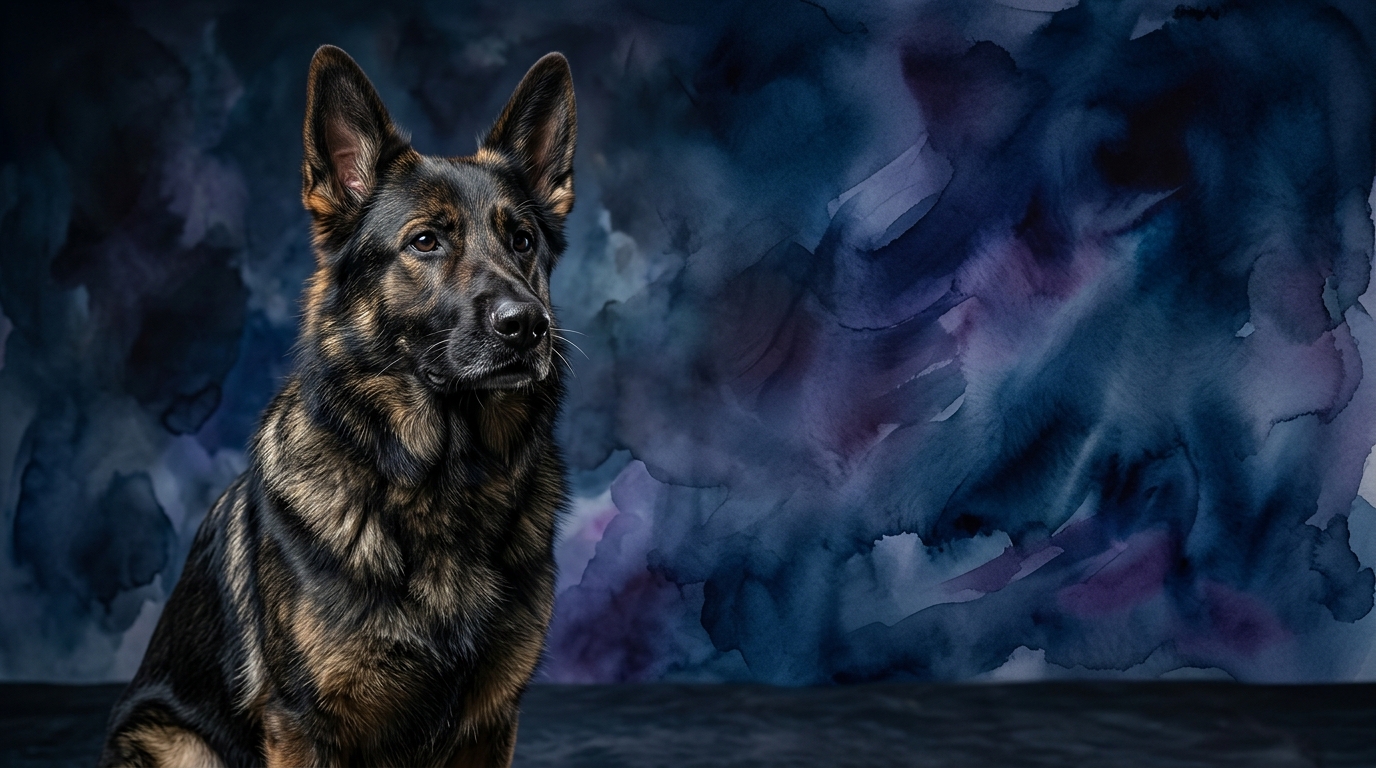
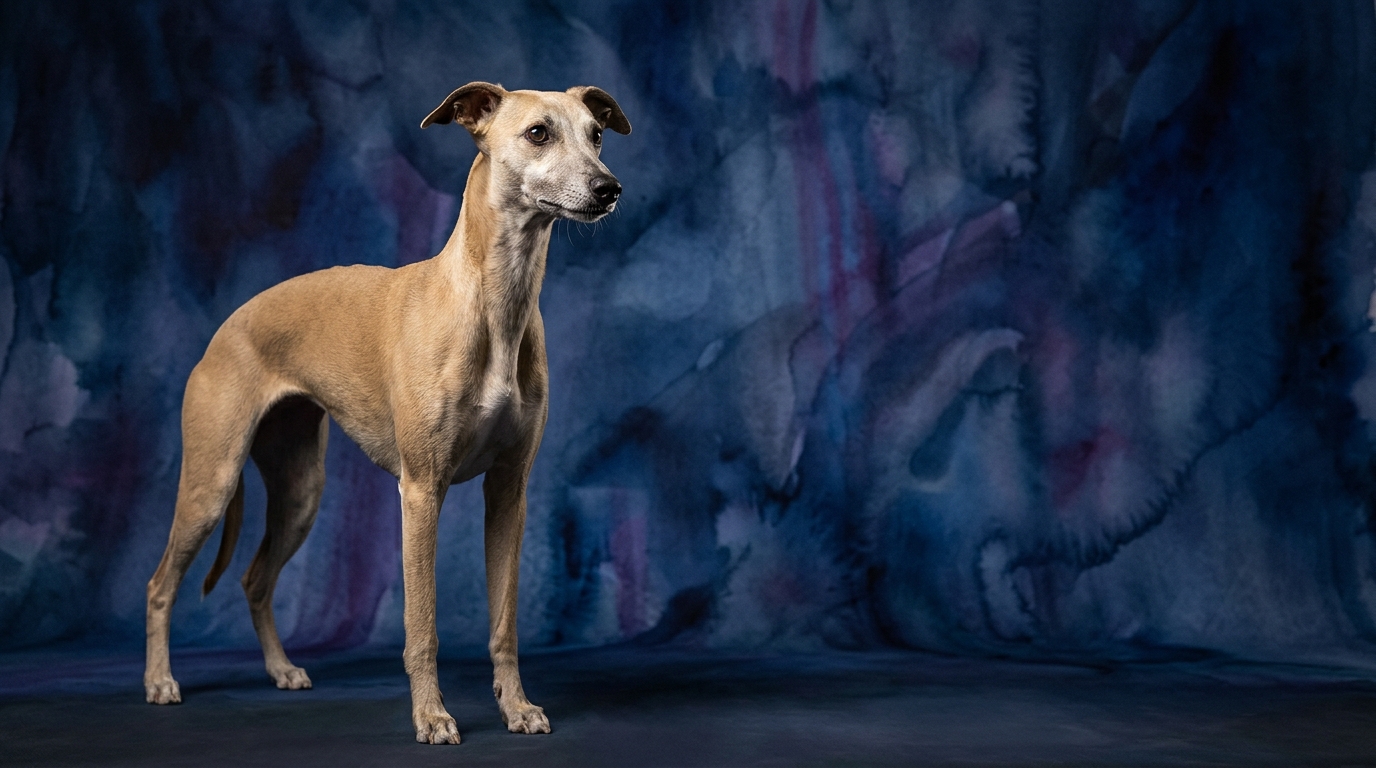
Side-by-Side IQ Profile: German Shepherd vs. Whippet
The Cosmic Pet Pet IQ Lab provides a detailed framework for understanding canine intelligence across five key dimensions. Examining the German Shepherd (Coren rank #3) against the Whippet (Coren rank #51) using this framework reveals distinct cognitive architectures shaped by their historical roles and inherent breed traits.
**German Shepherd IQ Breakdown (Coren rank #3):**
**Problem Solving (5/5):** The German Shepherd demonstrates exceptional aptitude for navigating complex situations, figuring out novel solutions, and adapting strategies. This stems from centuries of selective breeding for tasks requiring independent thought and resolution, such as herding errant livestock or locating missing persons. They are adept at understanding cause-and-effect relationships and applying learned principles to new challenges.
**Training Speed (5/5):** This breed absorbs new commands and routines with remarkable rapidity. Their eagerness to engage and inherent drive to work alongside humans, coupled with their cognitive capacity, allows for very few repetitions to solidify a new behavior. They are quick to associate actions with desired outcomes, making them highly responsive to consistent instruction.
**Social Intelligence (5/5):** German Shepherds possess a profound understanding of human communication, including subtle cues like body language and tone of voice. They are highly attuned to their handler's emotions and intentions, often anticipating needs or reacting appropriately to shifts in mood or environment. This acute social awareness is critical for their roles as working partners and protectors.
**Instinctive Drive (5/5):** Their intrinsic motivation to perform tasks, guard territory, and engage in purposeful activity is exceptionally strong. This drive manifests as an enduring focus and persistence in pursuit of a goal, whether it's tracking a scent, herding a flock, or retrieving an object. It’s a core component of their work ethic and engagement.
**Memory (5/5):** The German Shepherd exhibits outstanding long-term and short-term recall. They remember commands, routines, specific locations, and even complex sequences of actions with precision. This robust memory is foundational to their ability to learn extensive repertoires of tasks and retain them over time, even with periods of inactivity.
**Whippet IQ Breakdown (Coren rank #51):**
**Problem Solving (3/5):** Whippets approach problem-solving with a more direct, less analytical style compared to the German Shepherd. While they can figure out simple obstacles, they are less inclined to devise intricate solutions or persist with abstract puzzles. Their focus tends to be on immediate gratification or navigating physical space rather than intricate mental challenges.
**Training Speed (2/5):** While capable of learning, the Whippet typically requires more repetition and patience during training. Their independent nature and primary motivation for chasing or comfort mean that sustained attention to repetitive commands can be less natural. They respond best to positive reinforcement and shorter, engaging sessions rather than rigorous, prolonged drills.
**Social Intelligence (4/5):** Whippets display a commendable level of social intelligence, being quite sensitive to human emotions and interactions within their household. They are affectionate and often seek close companionship, understanding social dynamics within their family unit. While perhaps less attuned to complex human work instructions than a German Shepherd, they are excellent at reading moods and forming strong bonds.
**Instinctive Drive (5/5):** The Whippet's instinctive drive is exceptionally powerful, primarily centered around their sighthound heritage: the urge to chase and sprint. This intrinsic motivation for movement, speed, and pursuit is a defining characteristic, propelling them with incredible focus when a suitable stimulus (like a lure or small animal) presents itself. It's a different manifestation of drive than the German Shepherd's, but equally intense.
**Memory (3/5):** Whippets possess a functional memory for routines and familiar people, but their recall for complex sequences or less impactful commands might be less enduring than a German Shepherd's. They remember what is important to their comfort, food, and play, but might require refreshers for less frequently used or less intrinsically rewarding instructions.
Where the German Shepherd Wins Cognitively
The German Shepherd's cognitive profile showcases a comprehensive advantage in areas demanding intricate thought and sustained mental effort. Their superior Problem Solving (5/5) allows them to independently assess novel situations and strategize solutions, whether it’s figuring out how to open a gate or navigating an agility course. This cognitive flexibility, combined with their perfect Training Speed (5/5), means they grasp complex commands and multi-step tasks with remarkable efficiency. Furthermore, their flawless Memory (5/5) ensures that once a lesson is learned, it is deeply ingrained, requiring minimal refreshers even for extensive repertoires of behaviors. This makes them unparalleled in roles requiring consistent application of learned skills over time.
Where the Whippet Wins Cognitively
While not traditionally measured by problem-solving or training speed, the Whippet exhibits distinct cognitive strengths rooted in its sighthound lineage. Its perfect Instinctive Drive (5/5) represents a pinnacle of focused motivation for its inherent purpose: the chase. This isn't just physical speed; it's a cognitive switch that allows for acute visual processing, rapid decision-making in pursuit, and an unwavering commitment to a perceived quarry. Additionally, their high Social Intelligence (4/5) indicates a strong capacity for emotional connection and understanding social cues within their immediate family, fostering deep, intuitive bonds. This allows them to integrate seamlessly into a household, often anticipating their owner's desire for quiet companionship or a burst of playful interaction.
Which is Easier to Train and Why
The German Shepherd is demonstrably easier to train, primarily due to its exceptional Training Speed (5/5) and high Problem Solving (5/5) capabilities. They possess an inherent drive to understand and cooperate, actively seeking to learn what is expected of them and quickly making the connection between actions and rewards. Their strong memory and focus mean fewer repetitions are needed for new commands to become reliable. In contrast, the Whippet, with a Training Speed of 2/5 and Problem Solving of 3/5, requires significantly more patience and creative engagement. Whippets can be more independent and less inherently driven to perform complex tasks for human approval, often preferring comfort or the thrill of a chase. Training a Whippet typically involves shorter, highly positive sessions, focusing on motivation rather than rigorous drill, acknowledging their more independent and less work-oriented behavioral tendencies.
Which Suits Active Owners vs. Relaxed Owners
The German Shepherd thrives with active owners who can provide consistent mental stimulation and physical exercise, perfectly suiting individuals or families dedicated to structured training, dog sports, or working roles. Their high instinctive drive and problem-solving acumen demand outlets for their cognitive energy, making them ideal companions for those who enjoy teaching advanced commands, engaging in protection work, or participating in agility. Conversely, the Whippet is an excellent match for more relaxed owners, provided their need for intense, short bursts of physical activity is met. While they possess a powerful instinctive drive for running, their daily routine often involves long periods of napping and quiet companionship indoors. They suit owners who appreciate a calm, affectionate presence in the home but are also prepared for brisk walks or secure, off-leash sprints in a safe area.
The Verdict
Choose a German Shepherd if you seek an intensely engaged, highly trainable partner for complex tasks, protection, or dog sports, valuing a canine that actively seeks to understand and collaborate.
Opt for a Whippet if you desire an affectionate, calm companion known for its impressive bursts of speed and gentle nature indoors, and appreciate a dog that thrives on comfort and close family bonds.
🧠 Find Your Pet's IQ Score
Our Pet IQ Lab assessment covers 25+ tests across 5 cognitive dimensions — personalized to your breed.
Take the Full IQ Test →Frequently Asked Questions
Is a German Shepherd always more focused than a Whippet during training?
Generally, yes; the German Shepherd's 5/5 training speed and problem-solving indicate a strong natural focus on human direction and task completion, whereas a Whippet's 2/5 training speed suggests a more independent and less consistently task-oriented attention span.
Do Whippets lack instinctive drive compared to German Shepherds?
Not at all; both breeds have a 5/5 instinctive drive, but it manifests differently—the German Shepherd's drive is for work and purpose, while the Whippet's is primarily for the powerful urge to chase and run, reflecting their sighthound heritage.
Can a Whippet perform complex tasks like a German Shepherd?
While a Whippet can learn basic commands, its 3/5 problem-solving and 2/5 training speed mean it is less naturally inclined or capable of performing the intricate, multi-step tasks or independent problem-solving often seen in German Shepherds, which excel with 5/5 in both.