Side-by-Side IQ Profile: Poodle (Standard) vs. Whippet
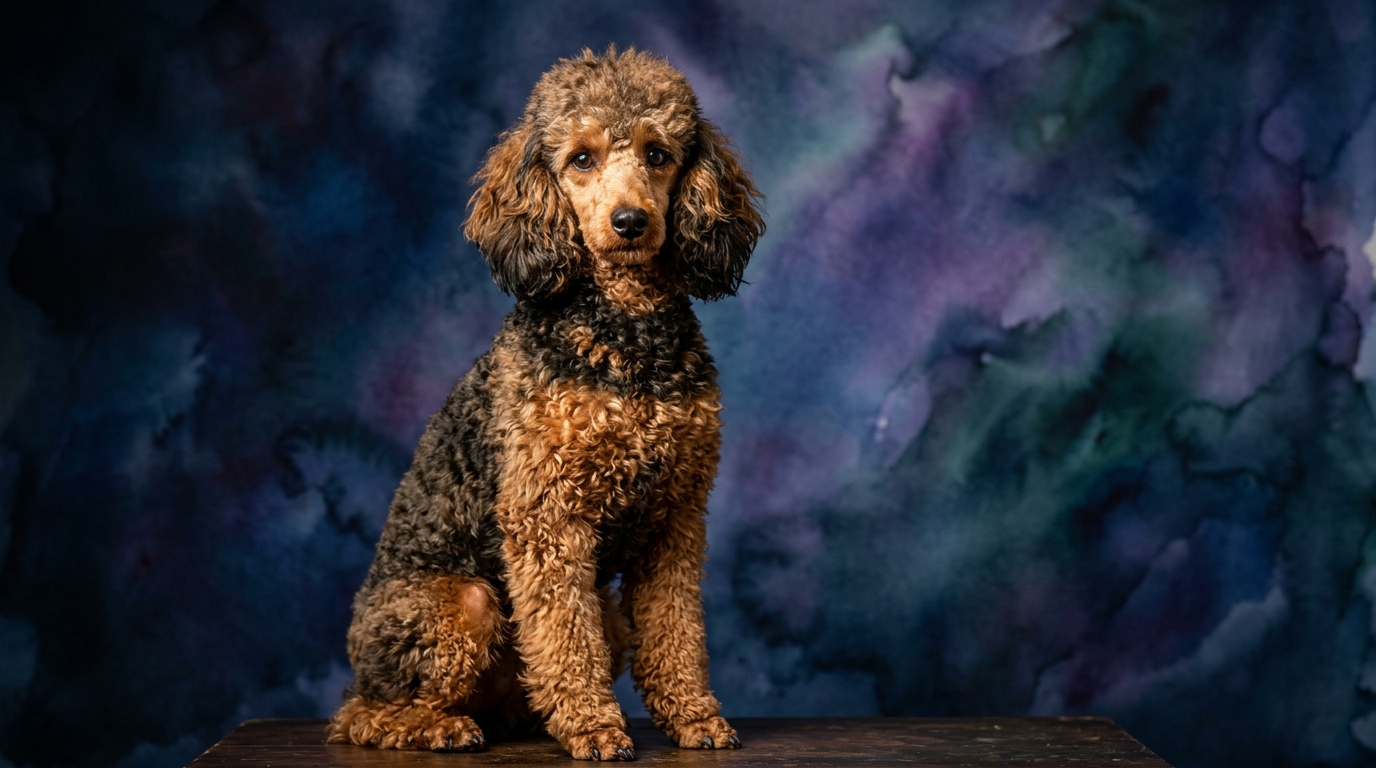
The Standard Poodle, a breed often associated with elegance, reveals a profound cognitive depth that underpins its versatility. Its Problem Solving at 5/5 indicates an exceptional capacity to analyze novel situations, devise solutions, and adapt strategies, whether it's figuring out a complex puzzle toy or navigating an agility course. Training Speed, also at 5/5, reflects their remarkable ability to grasp new commands and routines with minimal repetition, making them highly responsive learners. Social Intelligence, rated 5/5, points to their acute understanding of human emotions and intentions, fostering deep communicative bonds and an eagerness to cooperate. While their Instinctive Drive is a robust 4/5, it's often channeled into focused tasks rather than independent pursuit, making them highly biddable. Finally, their Memory at 5/5 ensures that learned behaviors and established routines are retained over long periods, contributing to their consistent performance.
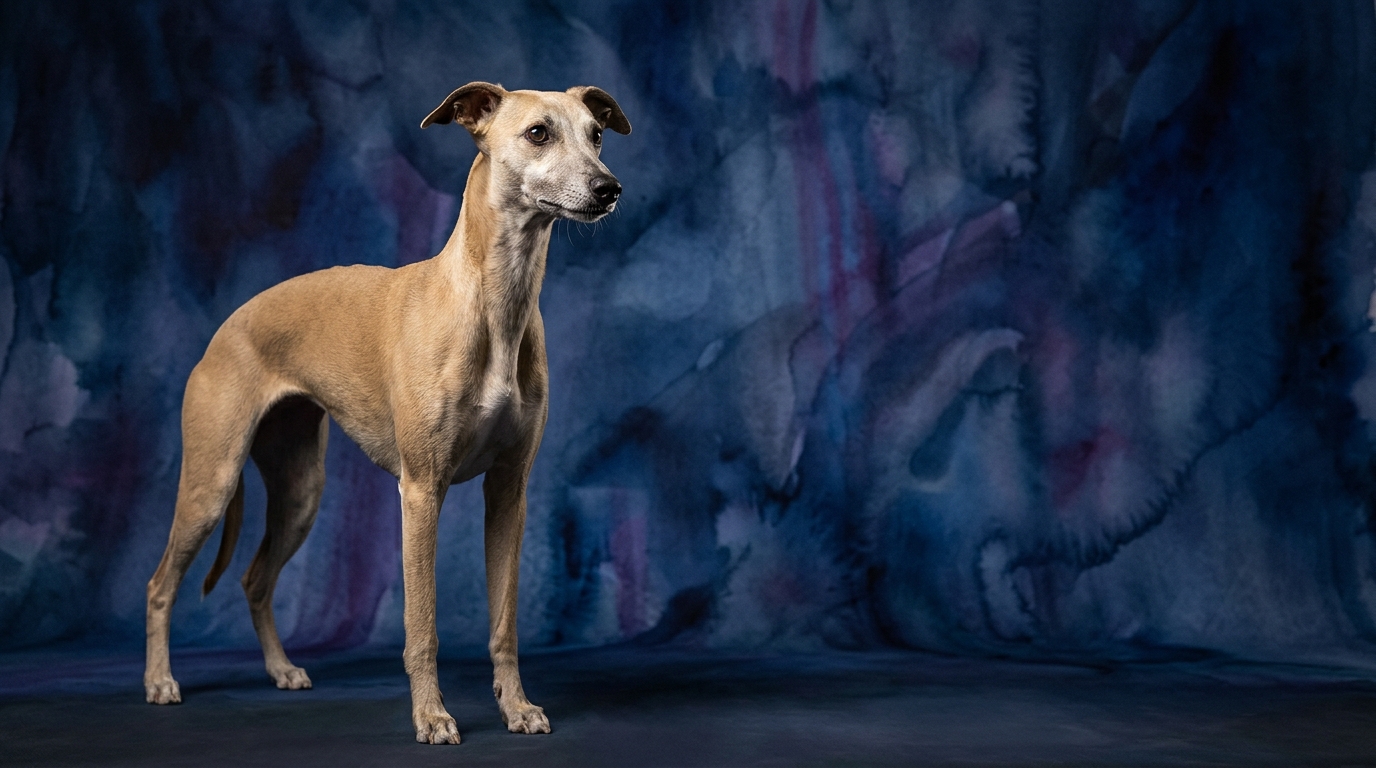
In contrast, the Whippet, a sighthound revered for its speed and grace, possesses a cognitive profile tailored to its ancestral role. Their Problem Solving at 3/5 suggests competence in familiar scenarios but less inclination for abstract or novel challenges, preferring directness over intricate solutions. Training Speed at 2/5 highlights a more deliberate learning pace, often requiring patience and repetition, as their focus can be fleeting when not intrinsically motivated. Social Intelligence, at 4/5, indicates a nuanced understanding of their immediate human family, often expressed through quiet affection and subtle communication, though they may be more reserved with strangers. Their Instinctive Drive, a perfect 5/5, is a dominant force, manifesting as an intense visual tracking and chase response, deeply ingrained in their being. Memory, at 3/5, is sufficient for retaining crucial commands and routines, but perhaps not with the same immediate recall or long-term retention as breeds built for complex obedience.
Where Poodle (Standard) Wins Cognitively
The Standard Poodle's cognitive superiority is most evident in domains requiring abstract thought, rapid learning, and sustained focus on human-directed tasks. Their 5/5 Problem Solving capability means they don't just follow commands; they understand the 'why' behind them, allowing for flexible application of learned skills in varying contexts. For instance, a Standard Poodle can not only learn to retrieve a specific item but can also deduce how to overcome an obstacle to reach it, showcasing an active mental process beyond rote memorization. This breed excels at tasks demanding sequential steps and concept formation, such as advanced obedience, service work, or intricate dog sports where rules and patterns must be discerned and executed precisely.
Furthermore, their combined 5/5 Training Speed and 5/5 Memory mean they absorb new information with astonishing alacrity and retain it reliably. This allows for the swift introduction of complex repertoires of behaviors, from elaborate tricks to specialized assistance tasks, making them exceptionally adaptable to new learning challenges. Their high Social Intelligence (5/5) further enhances this, as they are acutely tuned into human cues, eager to please, and motivated by cooperative interaction, translating into a willing and enthusiastic participant in any learning endeavor.
Where Whippet Wins Cognitively
The Whippet's cognitive strengths are deeply rooted in their sighthound heritage, particularly in areas demanding acute sensory perception and instinctual execution. Their 5/5 Instinctive Drive is a formidable asset, making them unparalleled in tasks requiring visual tracking, pursuit, and quick, decisive action. This isn't just about speed; it's about a finely tuned predatory sequence that involves spotting movement, assessing trajectory, and executing a chase with breathtaking precision and efficiency. While not 'problem-solving' in an abstract sense, this drive represents a highly specialized form of cognitive processing for a specific, evolutionarily critical purpose.
Their 4/5 Social Intelligence, while perhaps less overtly demonstrative than a Poodle's, is characterized by a subtle, empathetic connection with their chosen family. Whippets are often described as sensitive and intuitive, capable of picking up on nuanced emotional states in their humans and responding with quiet comfort or gentle presence. This form of intelligence isn't about performing tricks but about forming deep, albeit sometimes reserved, bonds based on mutual understanding and companionship. They excel in environments where their bursts of physical energy can be satisfied, followed by long periods of relaxed companionship, indicating a cognitive preference for efficiency in energy expenditure.
Which is Easier to Train and Why
Based on their IQ profiles, the Standard Poodle is unequivocally easier to train for a broad spectrum of tasks. Their 5/5 Training Speed means they pick up commands quickly, often understanding a new cue in just a few repetitions. This is complemented by their 5/5 Memory, ensuring that once a behavior is learned, it is retained consistently. Their 5/5 Social Intelligence translates into a strong desire to engage with their human trainers, making them highly motivated by praise, play, and positive reinforcement. For example, teaching a 'stay' command to a Poodle typically involves fewer sessions and less frustration because they are actively trying to understand and comply, often maintaining focus even with distractions.
The Whippet, with a 2/5 Training Speed and 3/5 Memory, presents a different training experience. While certainly trainable, they often require more patience, repetition, and creative motivation. Their high 5/5 Instinctive Drive means they can be easily distracted by environmental stimuli, particularly moving objects, which can override their focus on training cues. For instance, teaching a Whippet a reliable recall in an open field might be challenging because their innate drive to chase a squirrel or a blowing leaf can be far more compelling than a human's command. Training a Whippet often involves making the training itself intrinsically rewarding and understanding their preference for short, engaging sessions rather than prolonged, repetitive drills.
Which Suits Active Owners vs. Relaxed Owners
The Standard Poodle's cognitive profile makes them an excellent fit for active owners who relish mental engagement as much as physical activity. Their 5/5 Problem Solving and 5/5 Training Speed mean they thrive on learning new skills, participating in dog sports like agility or obedience, or even taking on complex roles like therapy or service work. An owner who enjoys teaching, training, and providing consistent mental stimulation will find the Poodle a highly rewarding and responsive companion. While they do require physical exercise, their mental needs are paramount; a Poodle without regular cognitive challenges can become bored and potentially develop undesirable behaviors out of frustration.
The Whippet, conversely, aligns well with owners who appreciate bursts of intense physical activity followed by extended periods of calm companionship. Their 5/5 Instinctive Drive necessitates opportunities for safe, off-leash running in a securely fenced area where they can indulge their love of speed. However, their lower scores in Problem Solving and Training Speed suggest they are not as demanding of constant mental challenges. A relaxed owner who enjoys a quiet home life, punctuated by exhilarating sprints or long walks, will find the Whippet's calm indoor demeanor and affectionate nature a perfect match. They are content to lounge and be close to their people, provided their need for a good run has been met.
The Verdict
Choose a Standard Poodle if you seek an exceptionally trainable companion eager to learn, excel in complex tasks, and thrives on consistent mental engagement and cooperative interaction.
Opt for a Whippet if you desire a sensitive, affectionate companion whose joy comes from exhilarating sprints and quiet companionship, requiring understanding of their strong prey drive and a patient training approach.
🧠 Find Your Pet's IQ Score
Our Pet IQ Lab assessment covers 25+ tests across 5 cognitive dimensions — personalized to your breed.
Take the Full IQ Test →Frequently Asked Questions
Do Standard Poodles require a lot of mental stimulation?
Yes, Standard Poodles, with their 5/5 Problem Solving and Training Speed, require significant mental stimulation. They thrive on learning new commands, engaging in puzzle toys, and participating in dog sports to keep their minds active and prevent boredom.
Are Whippets difficult to train due to their lower training speed?
Whippets are not difficult to train, but their 2/5 Training Speed means they learn at a more deliberate pace and may require more repetition and patience than some other breeds. Their strong 5/5 Instinctive Drive also means training must often compete with environmental distractions.
How does social intelligence differ between these two breeds?
The Standard Poodle's 5/5 Social Intelligence means they are highly attuned to human emotions and eager to cooperate, while the Whippet's 4/5 Social Intelligence indicates a more subtle, empathetic connection with their immediate family, often being reserved with strangers but deeply affectionate with their chosen people.