
Side-by-Side Cognitive Profiles: Decoding Identical Scores
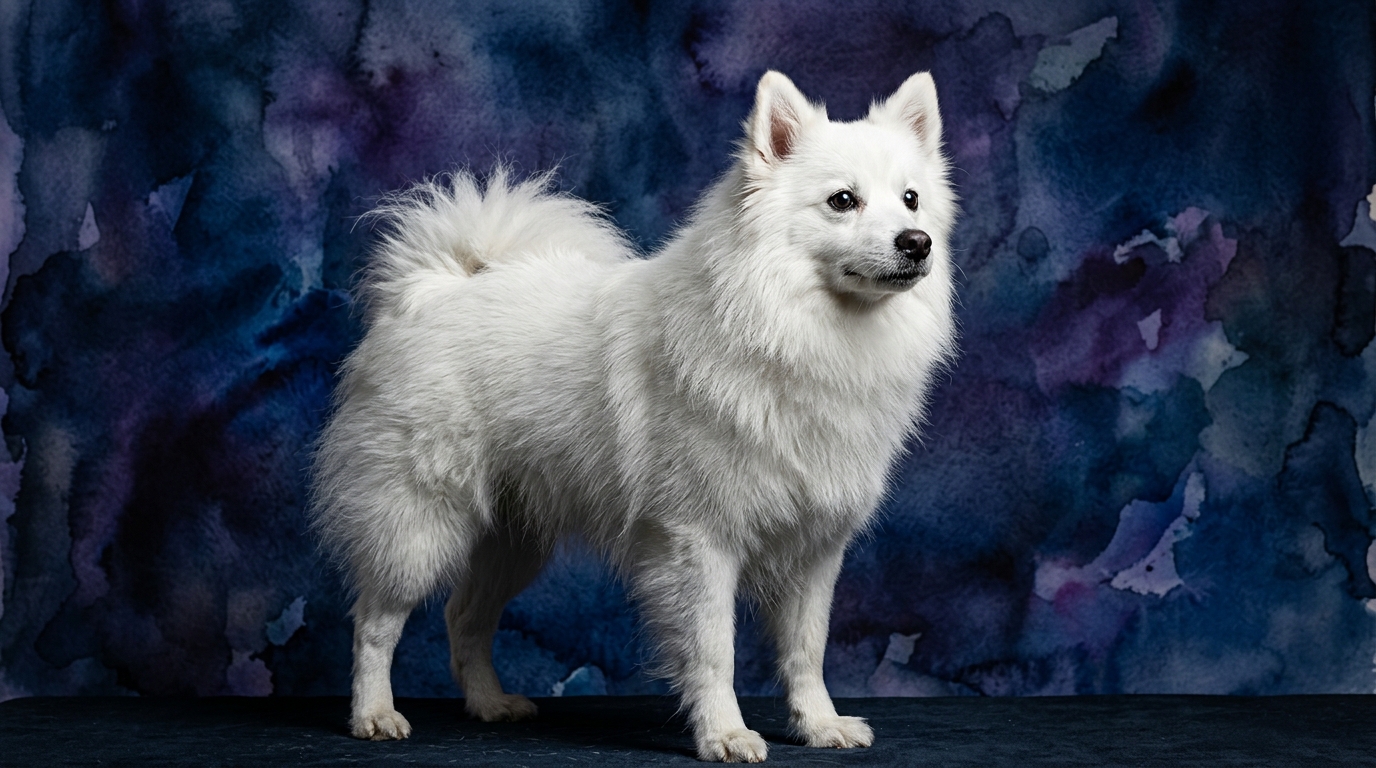
While both the Chinese Crested and the American Eskimo Dog achieve a 3 out of 5 in each of our core cognitive dimensions, their expressions of these abilities diverge meaningfully due to their unique breed histories and inherent temperaments. It's not just about the score, but how that score manifests in daily life.
For Problem Solving (3/5), the Chinese Crested often employs a subtle, sometimes 'cat-like' approach, finding ingenious ways to access forbidden treats or comfortable spots, often relying on agility and quiet observation. The American Eskimo Dog, conversely, might tackle problems with more vocal persistence and direct action, using their natural curiosity to investigate and manipulate objects until a solution is found.
In Training Speed (3/5), both breeds learn new commands at a moderate pace, but their receptiveness varies. Chinese Cresteds, being sensitive and highly attuned to their owners, can pick up cues quickly when motivation is positive and gentle, but may become withdrawn with harsh methods. American Eskimo Dogs, eager to please and often quite food-motivated, learn readily with engaging, consistent training, though their independent streak means repetition and variety are key to maintaining focus.
Social Intelligence (3/5) in the Chinese Crested is typically focused and intense, forming deep bonds with their primary caregivers and often exhibiting a keen sensitivity to their humans' moods and subtle non-verbal cues. The American Eskimo Dog displays a broader social awareness, often engaging with the entire family unit and demonstrating a good understanding of social hierarchies and dynamics within a multi-pet household, often expressing their social engagement through vocalizations.
Instinctive Drive (3/5) in the Chinese Crested is primarily expressed as a companion drive, a strong desire to be close to their people, though some may exhibit a moderate prey drive for small, fast-moving objects. American Eskimo Dogs showcase their Spitz heritage with a more pronounced instinctive drive for alertness and watchdog behaviors, including a strong tendency to bark at perceived threats or novelties, coupled with a moderate drive for chasing and exploring.
Memory (3/5) for both breeds is solid, allowing them to retain learned commands, routines, and experiences effectively. The Chinese Crested often remembers comfort zones, preferred sleeping spots, and the schedules of their favorite people with impressive accuracy. The American Eskimo Dog excels at remembering complex sequences of tricks or agility courses, and can recall past interactions with people and other animals, holding grudges or affection based on those experiences.
Where the Chinese Crested Shines Cognitively
The Chinese Crested often excels in cognitive areas requiring delicate manipulation, agility, and a strong intuitive connection with a single individual. Their smaller stature and nimble bodies mean they might solve certain environmental puzzles, like navigating tight spaces or reaching elevated perches, with greater ease and ingenuity than a larger, more robust breed. This isn't just physical prowess; it’s a cognitive understanding of their own body in space and how to leverage it.
Furthermore, their exquisite sensitivity often translates into a nuanced social intelligence, allowing them to anticipate their primary owner's needs or moods with remarkable accuracy. This isn't just emotional resonance; it's a cognitive processing of subtle facial expressions, tone of voice, and body language, making them exceptional emotional support companions who can adapt their behavior to their human’s state. Their ability to learn complex sequences of attention-seeking behaviors, often with a theatrical flair, also highlights their problem-solving and memory skills when the reward is human interaction.
Where the American Eskimo Dog Holds a Cognitive Edge
The American Eskimo Dog often demonstrates a cognitive advantage in situations demanding sustained focus, environmental awareness, and a robust working drive. Their history as performers and watchdogs means they process and react to their surroundings with a heightened sense of alertness. This manifests as superior situational awareness, allowing them to quickly identify changes in their environment or detect unfamiliar sounds, which is a complex interplay of memory, problem-solving (identifying anomalies), and instinctive drive.
Their eagerness to engage in structured activities, coupled with their moderate training speed, makes them particularly apt at mastering elaborate trick routines or excelling in dog sports like agility. This requires not just memory for individual commands but also the cognitive flexibility to string them together in dynamic sequences, adapting to handler cues and environmental changes. Their vocal nature, while sometimes a challenge, is also a cognitive tool, allowing them to communicate their observations and needs with clarity, demonstrating a proactive approach to social interaction and problem-solving.
Training Dynamics: Nuances in Learning
While both breeds score 3/5 in Training Speed, their optimal training approaches differ. The Chinese Crested, with its delicate disposition, thrives on purely positive reinforcement, gentle praise, and reward-based methods. They are quick to shut down or become anxious if training is perceived as harsh or inconsistent. Their social intelligence means they are highly motivated by pleasing their beloved human, making attention and affection powerful rewards. However, their moderate instinctive drive means they might not be as inherently driven to perform complex tasks solely for the 'job' itself; the human connection is paramount.
The American Eskimo Dog, conversely, benefits from a more structured and engaging training regimen. Their moderate problem-solving and instinctive drive mean they appreciate mental challenges and tasks to perform. While positive reinforcement is always best, an Eskie might tolerate, or even benefit from, clear, consistent corrections if delivered fairly and calmly, as long as it's part of an overall positive relationship. Their independent streak can sometimes lead to selective hearing, requiring an owner to be creative and consistent to prevent boredom and maintain engagement. They can be more prone to vocal expressions during training, which requires consistent management.
Matching Breeds to Lifestyles: Active vs. Relaxed Owners
When considering an active lifestyle, the American Eskimo Dog often emerges as the more suitable choice. Their robust build, moderate energy levels, and keen desire for engagement mean they genuinely enjoy and benefit from regular physical exercise and mental stimulation, such as long walks, hiking, agility courses, or learning new tricks. Owners who are committed to daily interactive play and training sessions will find a highly responsive and enthusiastic companion in an Eskie, whose cognitive abilities are best utilized when given a 'job' to do.
For owners seeking a more relaxed companion, the Chinese Crested typically aligns better. While they enjoy playful bursts and short walks, their primary need is often close companionship and comfort. Their smaller size and lower inherent physical drive mean they are content with less strenuous activity, often preferring to snuggle on the couch or participate in quiet indoor games. Their deep social intelligence makes them ideal for individuals who value a highly attuned and affectionate presence without the demand for extensive outdoor adventures.
The Verdict
Choose the Chinese Crested if you seek a highly sensitive, deeply bonded companion who thrives on close emotional connection and appreciates a more relaxed, gentle environment.
Opt for the American Eskimo Dog if you desire an alert, engaging, and moderately active partner who enjoys mental challenges, structured activities, and has a robust presence.
🧠 Find Your Pet's IQ Score
Our Pet IQ Lab assessment covers 25+ tests across 5 cognitive dimensions — personalized to your breed.
Take the Full IQ Test →Frequently Asked Questions
Do Chinese Cresteds truly act like cats?
While not literally feline, Chinese Cresteds often display behaviors such as perching on high surfaces, being fastidiously clean, and showing a nuanced independence, which can remind owners of certain cat-like traits in their cognitive approach to their environment and interactions.
Are American Eskimo Dogs prone to barking excessively?
American Eskimo Dogs possess a strong instinctive drive for alertness and communication, making them prone to vocalizing. While they are not inherently excessive barkers, their tendency to use their voice as a cognitive tool for expressing observations or needs means consistent training is required to manage this trait effectively.
Can either breed excel in dog sports despite their 3/5 scores?
Absolutely. A 3/5 score indicates a solid baseline for learning and engagement. Both breeds can excel in sports like agility or obedience with dedicated, consistent training that caters to their individual cognitive strengths and motivations, leveraging the Crested's agility or the Eskie's eagerness to perform.