Side-by-Side Cognitive Profiles: A Closer Look at 3/5
In The Cosmic Pet Pet IQ Lab, both the Chinese Crested and the Japanese Chin consistently score 3 out of 5 across all five cognitive dimensions: Problem Solving, Training Speed, Social Intelligence, Instinctive Drive, and Memory. While these identical numerical ratings might suggest a similar cognitive experience, the reality is that their intellect expresses itself through distinctly different behavioral patterns and temperaments, shaped by their unique breed histories and physical attributes.
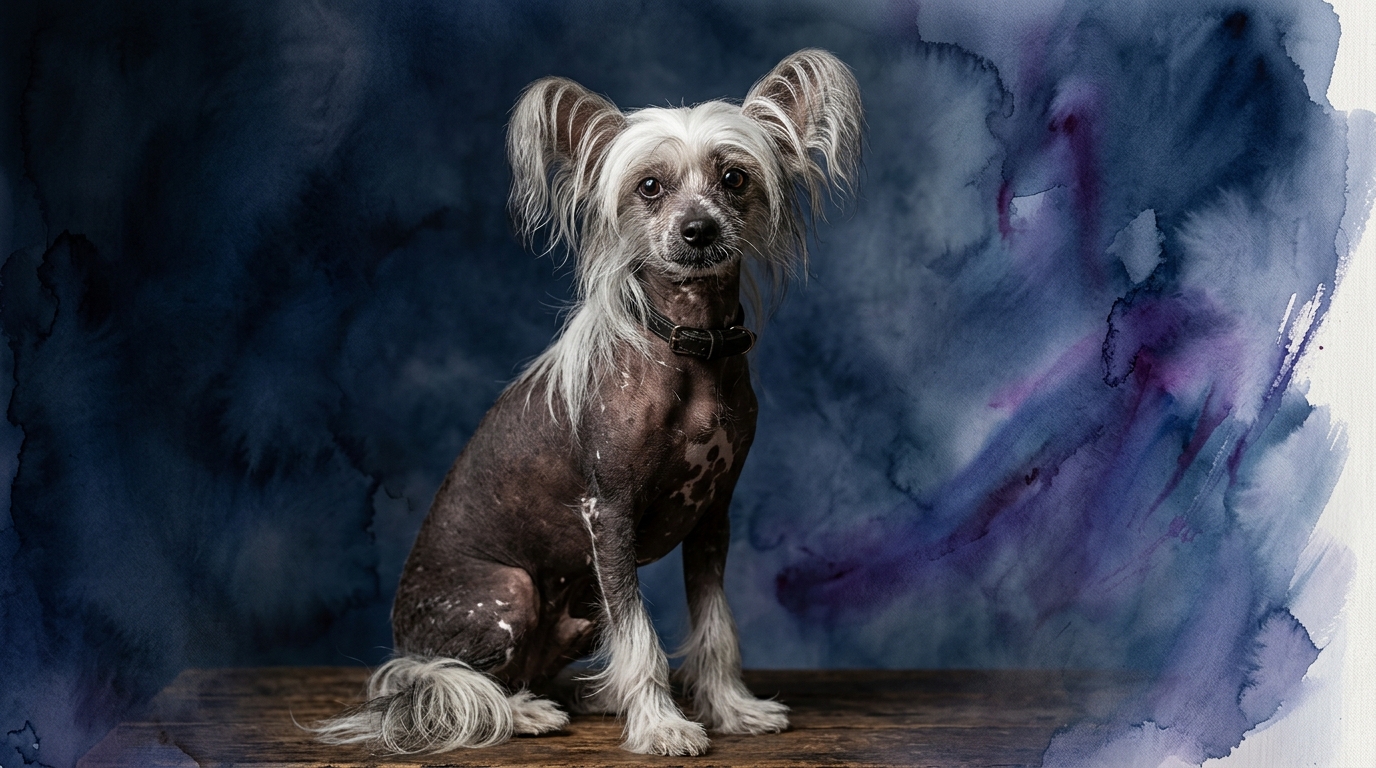
The Chinese Crested's cognitive profile, while rated 3/5, often reveals a lively and agile mind. Their problem-solving manifests in quick, sometimes impulsive, explorations of their environment, often involving physical manipulation of objects due to their dexterity. Training speed is good, as they are generally eager to please, though their sensitivity means they thrive on positive reinforcement and can be easily distracted or discouraged by harshness. Social intelligence is high, making them highly attuned to their human companions' moods, often acting as empathetic 'velcro dogs.' Their instinctive drive leans towards playful curiosity and interaction, rather than strong prey drive, and their memory is robust for routines, learned commands, and significant experiences.
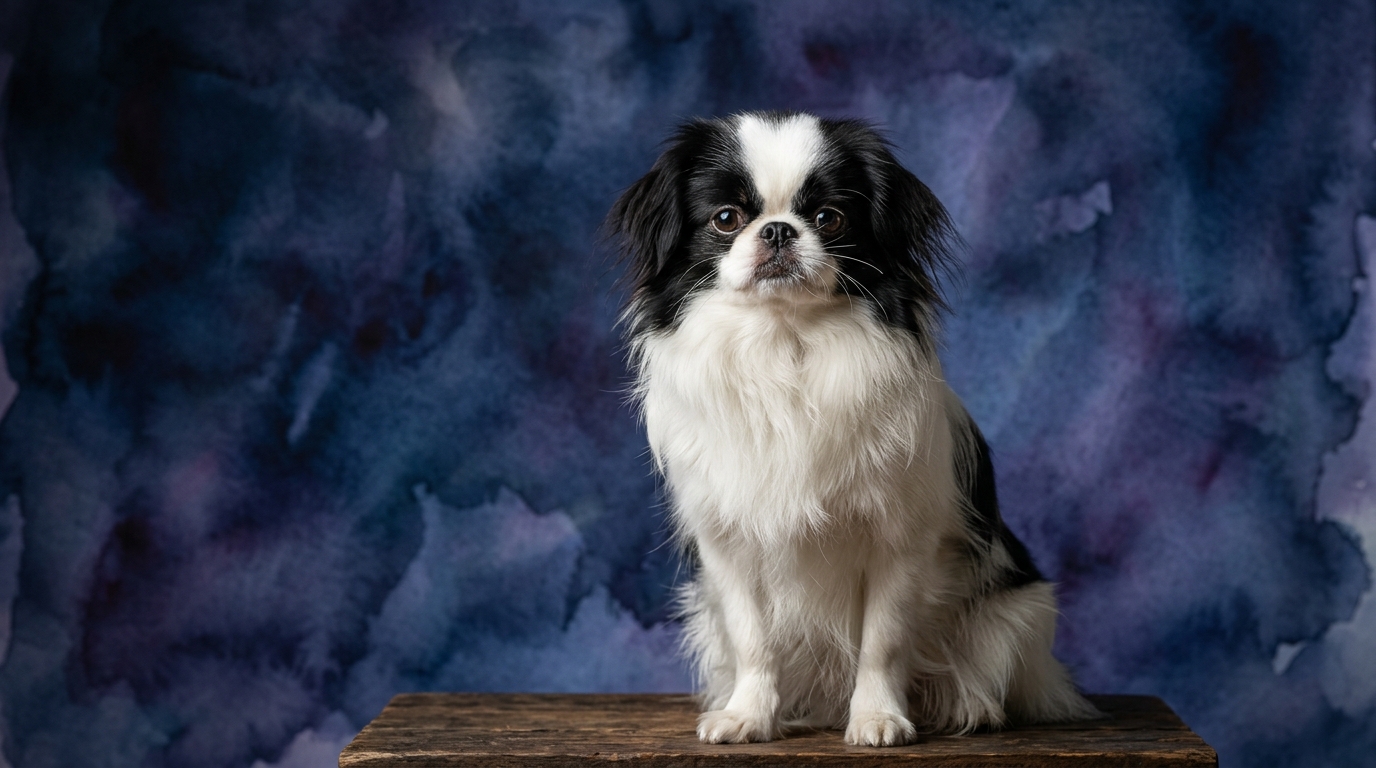
Conversely, the Japanese Chin, also scoring 3/5, demonstrates its cognitive abilities with a more thoughtful and refined approach. Their problem-solving tends to be deliberate and observant; they might take a moment to assess a situation before executing a solution with graceful precision, often exhibiting a self-reliant streak. Training speed is also good, but it often requires building a strong, trust-based bond first, as they can display a charming independence. Social intelligence is a hallmark, expressed through profound devotion to their family and a keen ability to read subtle cues, often with a regal air. Their instinctive drive is primarily focused on companionship and exploring comfortable spaces, and their memory is excellent, not just for routines and preferences, but also for remembering kindness and perceived slights, underscoring their sensitive nature.
Where the Chinese Crested's Cognition Shines
The Chinese Crested's cognitive strengths often come to the forefront in dynamic, interactive settings. Their agility and zest for life translate into a problem-solving style that is quick and physically engaged; they are often the first to investigate a new toy or figure out how to reach a treat placed just out of sight, using their nimble paws and curious nature. Their social intelligence is overtly expressed, making their desire for interaction and affection very clear, which can be particularly rewarding for owners who appreciate direct emotional feedback.
Furthermore, the Crested's adaptable and sometimes mischievous spirit means they might excel in learning complex tricks or participating in dog sports like agility, where their quick reflexes and eagerness to perform are assets. Their sensitivity, while requiring a gentle hand in training, also makes them highly perceptive to changes in their environment or their owner's emotional state, allowing for rapid adjustments in their behavior to seek comfort or offer companionship.
Where the Japanese Chin's Intellect Excels
The Japanese Chin's intellect, while equally rated, shines in areas demanding observation, discernment, and a deep, quiet devotion. Their problem-solving can be characterized by a thoughtful pause, followed by an elegant, often self-directed, solution. They might not frantically try every option, but rather observe, process, and then execute a precise action, reflecting their 'cat-like' composure and independence. Their social intelligence is expressed through subtle gestures, a discerning affection, and an almost uncanny ability to anticipate their chosen human's needs or moods without overt displays.
This breed's deep memory for preferences and routines means they often know exactly where the sunbeam will hit or which cushion is most comfortable, displaying a quiet mastery over their personal domain. Their reserved yet profoundly devoted nature makes them exceptional companions for those who appreciate a nuanced bond, where unspoken understanding and a calm presence are highly valued. The Chin's ability to entertain themselves and find contentment in their immediate surroundings also speaks to a self-sufficient cognitive style.
Training Aptitude: Nuances in Learning Speed
Despite both breeds scoring 3/5 in training speed, their approaches to learning differ. For the Chinese Crested, training success is largely dependent on the owner's ability to maintain engagement and provide consistent positive reinforcement. Their eagerness to please means they pick up commands quickly when sessions are fun, short, and rewarding, but their sensitivity necessitates a gentle voice and approach, as harsh corrections can lead to them shutting down or becoming anxious. Consistency is key to navigating their occasional distractibility and channelling their playful energy into productive learning.
The Japanese Chin approaches training with a different mindset. While equally capable of learning, their inherent independence means they might not always be as outwardly enthusiastic to perform on command. Building a strong, trust-based relationship is paramount; once they respect and trust their trainer, their memory ensures commands stick. They respond exceptionally well to positive reinforcement, especially with high-value treats or genuine affection, and thrive on consistent, calm training that respects their thoughtful nature rather than demanding immediate, unquestioning obedience.
Lifestyle Match: Active vs. Relaxed Owners
When considering which breed aligns with an owner's lifestyle, their cognitive and temperamental differences become clear. The Chinese Crested, with its playful nature, agile problem-solving, and overt social intelligence, often thrives with active owners who enjoy engaging in interactive games, dog sports, or frequent outings. Their need for companionship and their perceptive nature means they enjoy being involved in family activities and can adapt well to varied environments, making them suitable for owners who seek a dynamic, emotionally responsive companion.
Conversely, the Japanese Chin's regal demeanor, preference for comfort, and more deliberate cognitive style make them an ideal match for relaxed owners who appreciate quiet companionship. They are content with gentle walks, thrive on close, devoted interaction, and often prefer observing their world from a comfortable lap or perch. Their subtle social cues and self-reliant problem-solving mean they fit seamlessly into a calmer household, providing a profound yet serene presence that enriches a less active, more contemplative lifestyle.
The Verdict
If you seek a lively, agile companion keen on interactive play and quick problem-solving, and you can offer consistent, positive training to a sensitive soul, the Chinese Crested may be your ideal match.
Opt for the Japanese Chin if you desire a serene, deeply devoted companion who appreciates quiet companionship, offers subtle social cues, and possesses a thoughtful, self-reliant approach to their world.
🧠 Find Your Pet's IQ Score
Our Pet IQ Lab assessment covers 25+ tests across 5 cognitive dimensions — personalized to your breed.
Take the Full IQ Test →Frequently Asked Questions
Do Chinese Cresteds or Japanese Chins suffer from 'small dog syndrome'?
Neither breed is inherently prone to 'small dog syndrome,' which is often a result of inconsistent training or lack of socialization. Both breeds can be confident and well-adjusted with proper guidance and exposure to various environments and people from a young age, allowing their distinct personalities to flourish without behavioral issues.
Are these breeds good with children?
Both breeds can be good with respectful, older children who understand how to interact gently with small dogs. Their delicate frames and sensitive natures mean they thrive in homes where children are taught appropriate boundaries and interactions, ensuring a harmonious relationship built on mutual respect and understanding.
How do their grooming needs compare, affecting owner interaction?
Chinese Cresteds, especially the hairless variety, require specific skin care and occasional bathing, while the Powderpuff needs regular brushing to prevent mats. Japanese Chins have a long, silky coat that requires regular brushing to maintain its condition. These grooming routines offer excellent opportunities for bonding and reinforce their social intelligence through gentle, consistent interaction.