
A Side-by-Side Look at Cognitive Profiles
Both the Chinook and the Bedlington Terrier register a consistent 3 out of 5 across all five cognitive dimensions in The Cosmic Pet Pet IQ Lab. This 'average' score is anything but generic; it signifies a solid, capable intellect, but one that manifests differently based on their breed's historical purpose. Understanding these nuances is crucial to appreciating their individual cognitive strengths.
For the Chinook, a working dog, a Problem Solving score of 3/5 suggests a practical aptitude for navigating complex environments or overcoming obstacles encountered during tasks like sled pulling or wilderness treks. Their Training Speed at 3/5 indicates a steady capacity for learning commands and routines, likely driven by a desire to cooperate in a team. Social Intelligence at 3/5 points to an ability to read human cues and group dynamics within their working or family unit. An Instinctive Drive of 3/5 for the Chinook is often tied to their endurance, tracking abilities, and the inherent motivation to perform their designated tasks. Finally, their Memory at 3/5 suggests a reliable recall for routes, learned behaviors, and familiar faces.
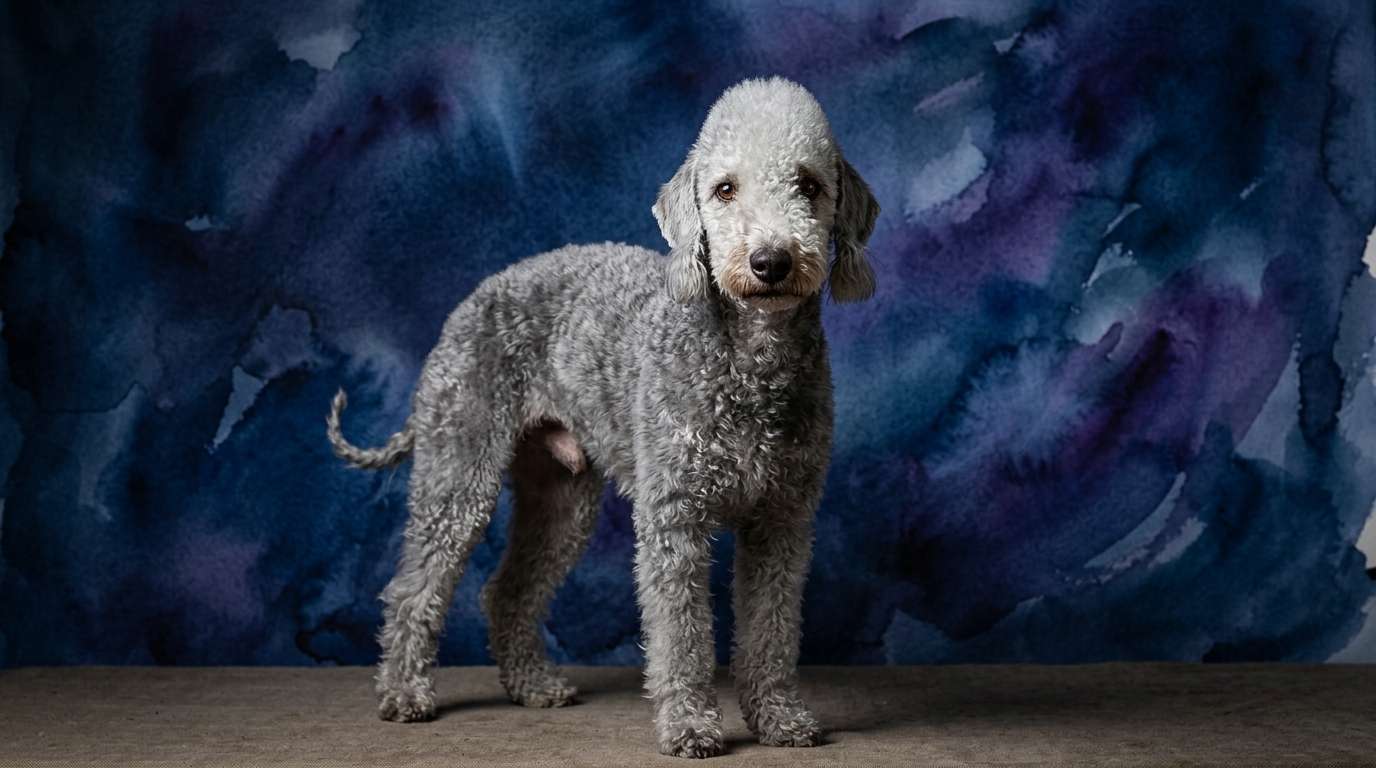
The Bedlington Terrier, from the terrier group, also scores 3/5 in Problem Solving, but this often translates into a keen, independent wit for figuring out how to access small prey or outmaneuver perceived obstacles. Their Training Speed of 3/5 means they are perfectly capable of learning, though their independent streak might require more engaging and consistent methods to maintain focus. Social Intelligence at 3/5 for a Bedlington reflects their ability to quickly gauge intentions, whether of humans or other animals, often with a discerning eye. The Instinctive Drive of 3/5 in a Bedlington is profoundly rooted in their strong prey drive, manifesting as an intense desire to chase, dig, and investigate. Their Memory at 3/5 ensures they recall where the best digging spots are, the routine of their household, and the specifics of past interactions, both positive and negative.
Where the Chinook's Cognition Shines
While their raw scores are identical, the Chinook's cognitive strengths distinctly lean towards cooperative effort and sustained focus. Their 3/5 in problem-solving often manifests as an ability to methodically work through multi-step challenges, especially when those challenges are presented as part of a shared goal with a human handler. For instance, a Chinook might excel at figuring out the most efficient path through a new agility course or consistently executing a complex sequence of commands to retrieve specific items. This isn't just about 'getting it done'; it's about understanding the *process* and working in tandem.
The Chinook's 3/5 for social intelligence, combined with their working dog heritage, suggests an acute sensitivity to human direction and mood, making them adept at nuanced communication within a partnership. They are often more attuned to subtle body language and vocal inflections, allowing them to anticipate requests and respond harmoniously. This makes them particularly strong in activities requiring tight teamwork, where understanding unspoken cues is paramount to success.
Where the Bedlington Terrier's Cognition Excels
The Bedlington Terrier's cognitive advantages, despite the same 3/5 scores, are rooted in their independent spirit and tenacious drive. Their problem-solving at 3/5 is often expressed through clever, sometimes opportunistic, strategies to achieve their own objectives, particularly when those involve exploring or pursuing something interesting. A Bedlington might ingeniously figure out how to open a cupboard to access treats or persistently work to unearth a fascinating scent in the yard, demonstrating a focused, self-directed ingenuity that can be both admirable and challenging.
Their 3/5 instinctive drive is a defining characteristic, translating into a profound motivation that fuels their cognitive engagement. This drive, primarily predatory, means they excel at tasks that involve scent work, chasing, or 'hunting' games. While the Chinook's drive might be for pulling or endurance, the Bedlington's is for the thrill of the chase and the satisfaction of the 'catch,' making them incredibly focused and determined when their instincts are engaged. This tenacity, while sometimes perceived as stubbornness in training, is a cognitive strength in its own right, enabling them to persevere where other breeds might give up.
Training Dynamics: Chinook's Biddability vs. Bedlington's Tenacity
When considering ease of training, the identical 3/5 training speed scores for both breeds can be misleading without context. The Chinook, as a working breed, generally brings a cooperative mindset to training. Their 3/5 social intelligence often translates into a desire to please their handler and understand expectations, making them responsive to clear, consistent instruction. They tend to be more biddable, absorbing lessons steadily and reliably, especially when training is framed as a collaborative effort. Their working heritage means they are accustomed to structure and purpose, which simplifies the learning process.
The Bedlington Terrier, while possessing the same 3/5 training speed, often presents a different training experience due to their terrier nature and strong 3/5 instinctive drive. Their independence means they learn quickly, but they might prioritize their own interests (like chasing a squirrel) over a handler's command if not sufficiently motivated or engaged. Training a Bedlington requires patience, creativity, and a strong understanding of positive reinforcement to channel their natural tenacity. They respond best to training that feels like a game or a puzzle, rather than rote drills, as this taps into their problem-solving skills and keeps their independent minds stimulated. Overcoming their inherent prey drive in distractions requires more dedicated effort than with a Chinook.
Matching Minds to Lifestyles: Active vs. Relaxed Owners
The cognitive profiles of these breeds offer clear guidance for owners with varying lifestyles. The Chinook, with its working dog background and balanced 3/5 scores across all dimensions, thrives with active owners who can provide consistent mental and physical engagement. Their problem-solving and instinctive drive are best fulfilled through activities like hiking, sledding, dog sports, or complex obedience training. They are not content to be mere couch companions; they need a 'job' or a purpose, even if it's participating in regular, challenging outdoor adventures. Owners who enjoy structured activities and have the time to dedicate to training and exercise will find a deeply rewarding partnership with a Chinook.
The Bedlington Terrier, while compact, is far from a relaxed lapdog. Their 3/5 instinctive drive, particularly their prey drive, demands outlets for their energy and mental stimulation. They suit active owners who appreciate their spirited nature and can provide secure areas for play, regular walks, and engaging games that satisfy their chase instinct. While they can be calm indoors once their needs are met, they are not suited for truly relaxed owners who prefer minimal activity. Owners who enjoy agility, earthdog trials, or simply long, interesting walks where their Bedlington can investigate scents will find a joyful and spirited companion. They require an owner who understands and respects their independent, tenacious spirit.
The Verdict: Choosing Your Canine Companion
The Verdict
Choose the Chinook if you seek a cooperative, biddable partner for shared adventures and structured activities, valuing their reliable teamwork and steady cognitive engagement.
Opt for the Bedlington Terrier if you appreciate an independent, tenacious companion with a clever mind and spirited drive, ready for engaging games and focused exploration.
🧠 Find Your Pet's IQ Score
Our Pet IQ Lab assessment covers 25+ tests across 5 cognitive dimensions — personalized to your breed.
Take the Full IQ Test →Frequently Asked Questions
Do Chinooks or Bedlington Terriers bark more?
Neither breed is excessively prone to barking, though both will alert to novelties. Bedlington Terriers might be more vocal when their prey drive is engaged or when expressing their opinions, whereas Chinooks tend to be more reserved unless actively communicating with their 'team'.
Are Chinooks or Bedlington Terriers better with children?
Both can be good with children, but require proper socialization and supervision. Chinooks often display a gentle, patient nature typical of working breeds. Bedlington Terriers, with their spirited terrier energy, might be better suited for slightly older children who understand how to interact respectfully with an active, independent dog.
Which breed is more adaptable to apartment living?
While the Chinook's size might suggest otherwise, a well-exercised Bedlington Terrier is generally more adaptable to apartment living due to their smaller stature. However, both breeds require significant daily mental and physical stimulation, regardless of their living space, to prevent boredom and destructive behaviors.