Side-by-Side Cognitive Profiles: Decoding Identical Scores
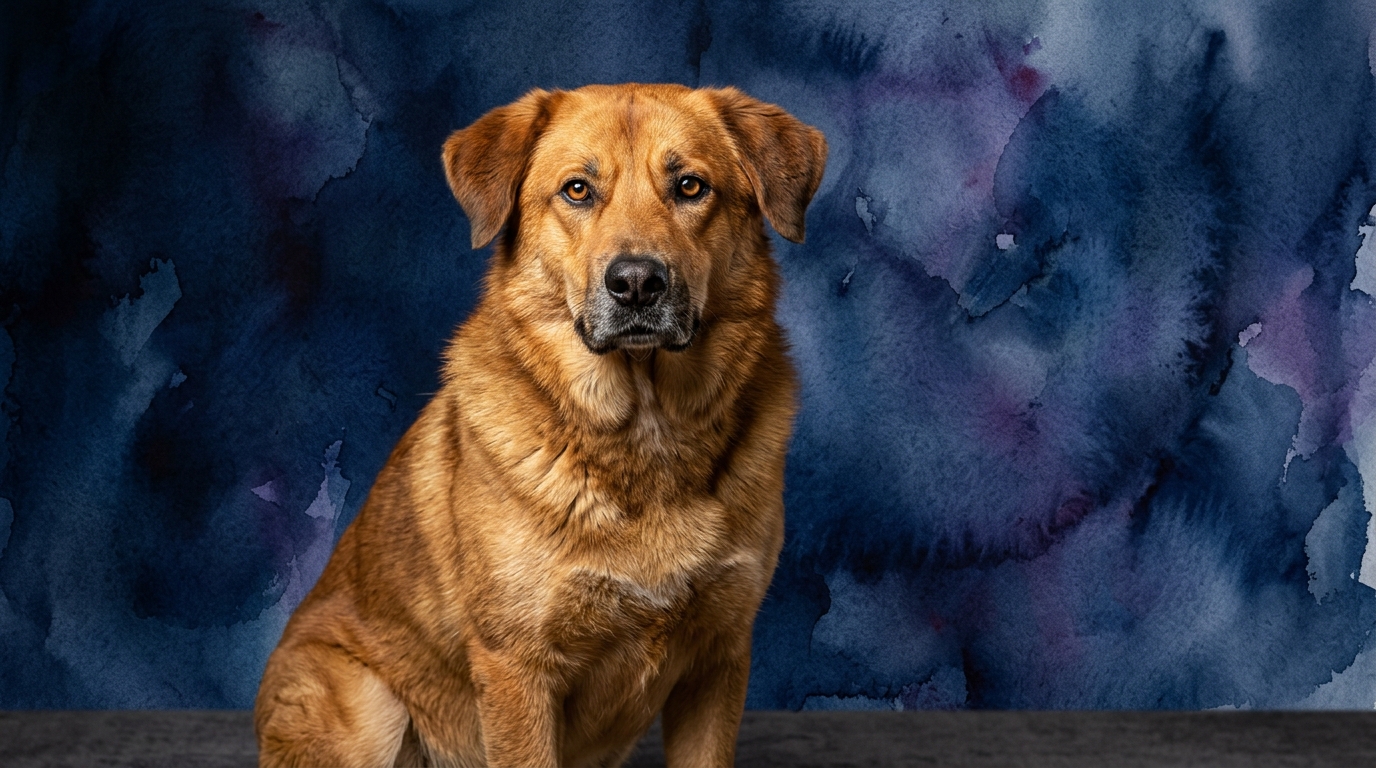
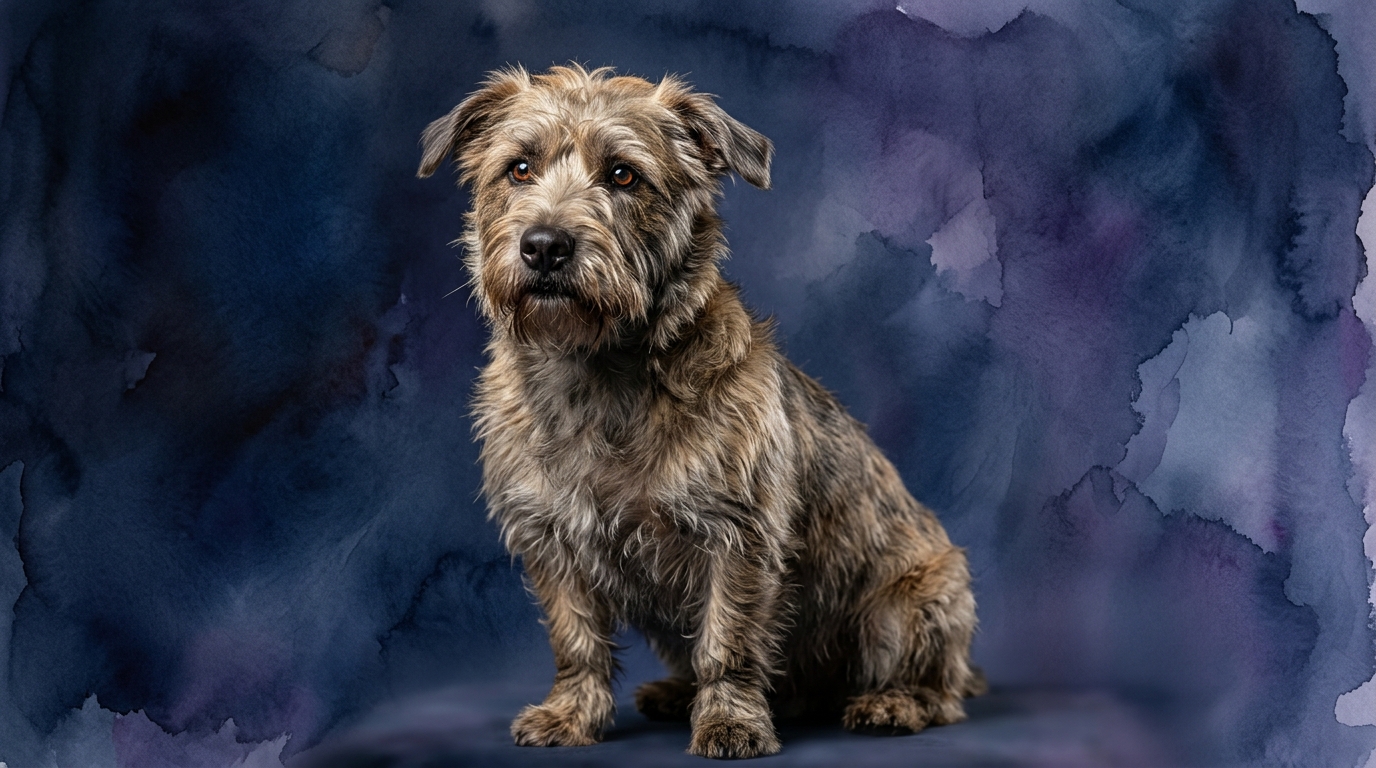
When two breeds achieve the same numerical rating across the board in the Pet IQ Lab, it highlights that intelligence is not a monolithic trait but a spectrum of capabilities expressed through distinct breed lenses. For the Chinook, a working dog, and the Glen of Imaal Terrier, a terrier, their 3/5 scores in Problem Solving, Training Speed, Social Intelligence, Instinctive Drive, and Memory are not identical in their manifestation, but rather reflective of their historical roles and inherent temperaments.
**Chinook (Working Dog)**
**Problem Solving (3/5):** A Chinook’s problem-solving often manifests as a methodical approach to tasks requiring sustained effort and cooperation. They excel at figuring out efficient paths for pulling or navigating obstacle courses designed for teamwork, preferring solutions that involve partnership. This indicates a practical, task-oriented cognitive style, adept at understanding and applying multi-step sequences to new, similar challenges.
**Training Speed (3/5):** These dogs learn at a steady pace, responding well to consistent, positive reinforcement and clear directives. Their inherent cooperative spirit and desire to please make them generally receptive students. While not instantaneous learners, they reliably grasp new commands and routines, particularly when training involves a shared objective aligned with their working heritage.
**Social Intelligence (3/5):** Chinooks possess a balanced social awareness, capable of reading human moods and group dynamics within their established pack. They might subtly adjust their behavior based on an owner's emotional state or understand social hierarchies within a multi-dog household. They are generally amiable and perceptive, making them companions who understand the nuances of their social environment without being overly reactive.
**Instinctive Drive (3/5):** The Chinook’s instinctive drives are rooted in their sled dog ancestry: a strong desire to pull, an endurance for sustained activity, and a deep-seated need for companionship. This drive translates into a willingness to work alongside humans and a preference for activities that engage both their physical stamina and their social bonds, focusing on cooperative effort and loyalty.
**Memory (3/5):** Chinooks demonstrate a solid memory for routines, commands, and familiar people and places. They can remember complex sequences of actions and retain training over long periods, especially if behaviors are regularly reinforced. Their memory is practical, aiding their ability to perform consistent tasks and recognize the parameters of their daily lives.
**Glen of Imaal Terrier (Terrier)**
**Problem Solving (3/5):** The Glen of Imaal Terrier’s problem-solving at a 3/5 level is marked by tenacity and independent thought, often focused on overcoming obstacles to reach a desired outcome. They might ingeniously figure out how to access a forbidden treat, manipulate a gate latch, or persistently work at digging out perceived underground 'prey.' Their solutions are often self-directed and driven by a strong, internal motivation, showcasing a clever and resourceful mind.
**Training Speed (3/5):** Glens grasp new commands and concepts with reasonable speed, but their training is heavily influenced by their independent nature and strong will. While they can learn instructions, their inclination to obey is often contingent on their perception of the task's value or the trainer's ability to make it engaging. They are not slow learners, but rather selective in their application of learned behaviors, sometimes requiring more creative motivation.
**Social Intelligence (3/5):** Glens display a discerning social intelligence, capable of reading human intentions and emotions, yet often choosing to interact on their own terms. They might understand when an owner is upset but decide to continue their current activity if it’s sufficiently rewarding. They form strong bonds but retain a degree of independence, observing social cues and reacting thoughtfully rather than always seeking to please.
**Instinctive Drive (3/5):** Their instinctive drives are quintessential terrier: a powerful urge to hunt, dig, and pursue small quarry. This drive is not about cooperation but about independent action and persistence in the face of challenge. A Glen will meticulously investigate interesting scents, relentlessly dig at a perceived burrow, or show determined focus on a moving object, reflecting their historical role as pest control.
**Memory (3/5):** Glens possess a robust memory, particularly for locations where interesting things happened, past successes in outsmarting humans, or the consequences of certain actions. They remember boundaries and rules, but also how to test them. Their memory serves their independent nature, helping them recall strategies for achieving their goals or navigating their environment effectively.
Where the Chinook's Cognition Excels
The Chinook’s cognitive strengths truly shine in scenarios demanding sustained cooperation and a methodical approach to shared objectives. Their working heritage imbues them with an innate understanding of partnership, making them exceptional at following complex, multi-step directions within a structured environment. When navigating a new trail or mastering an intricate agility course, a Chinook’s ability to recall sequential commands and apply them consistently, often anticipating the next cue, gives them an edge. This cooperative intelligence also extends to their capacity for empathy and responsiveness to human emotional states, making them highly attuned companions who strive for harmony within their human pack.
Where the Glen of Imaal Terrier's Cognition Excels
Conversely, the Glen of Imaal Terrier excels in situations requiring independent problem-solving, persistence, and a touch of resourceful cunning. Their cognitive victories are often solitary triumphs, such as devising a novel method to bypass a seemingly secure barrier to reach a desired item or relentlessly pursuing a scent trail despite distractions. This breed demonstrates a remarkable capacity for self-directed learning and adaptation, often experimenting with different approaches until a solution is found. Their tenacious memory for past successes and failures in navigating their environment further empowers their independent spirit, allowing them to learn from experience and adapt their strategies with impressive ingenuity.
Training Dynamics: Chinook's Partnership vs. Glen's Persistence
While both breeds score a 3/5 in training speed, the *nature* of their trainability diverges significantly due to their inherent temperaments. Chinooks, with their strong desire to work alongside humans and their cooperative drive, often present as 'easier' to train for owners who appreciate a willing partner. They generally respond well to positive reinforcement and consistent methods, viewing training as a shared activity that strengthens their bond. Their eagerness to please means they are typically more focused on the trainer's directives and less inclined to challenge authority, making the process feel more intuitive and progressive for many.
In contrast, the Glen of Imaal Terrier, despite its ability to learn quickly, requires a more nuanced and often more creative training approach. Their independent and persistent nature means they are less inclined to blindly follow commands if they perceive a more interesting or rewarding alternative. Training a Glen often involves outsmarting them, making the training engaging, and demonstrating a clear 'what's in it for me' benefit. While they grasp concepts, their application of those concepts can be selective, requiring an owner with patience, humor, and a deep understanding of terrier psychology to achieve consistent results. Therefore, an owner seeking a straightforward, cooperative training experience would likely find the Chinook 'easier,' while an owner who enjoys a cognitive challenge and a dog with a strong personality might find the Glen equally rewarding, albeit different.
Matching Breeds to Lifestyles: Active vs. Relaxed Owners
The choice between a Chinook and a Glen of Imaal Terrier based on owner activity levels hinges on the *type* of activity preferred. Chinooks are generally well-suited for active owners who enjoy structured outdoor adventures. Their endurance and desire for companionship make them excellent partners for hiking, long walks, or even dog sports that require teamwork and sustained effort. They thrive on having a 'job' and benefit from consistent mental and physical stimulation that aligns with their working breed heritage. For a truly relaxed owner, a Chinook might still require more engagement than anticipated, but they are adaptable to a predictable routine.
The Glen of Imaal Terrier, while not necessarily requiring constant high-impact exercise, demands a different kind of 'active' ownership. Their strong instinctive drive for digging and exploring means they need outlets for these behaviors, often involving mental engagement and opportunities for independent investigation. A 'relaxed' owner might find a Glen’s persistent determination to pursue a scent or dig up the garden to be a significant challenge. Owners who enjoy problem-solving alongside their dog, are prepared for independent pursuits, and can provide secure, stimulating environments for their terrier instincts will find the Glen a delightful companion. An owner whose idea of 'relaxed' means infrequent, short walks and minimal engagement might struggle with either breed, but particularly with the Glen’s inherent drive to investigate and act independently.
The Verdict
Choose the Chinook if you seek a cooperative, empathetic canine partner for structured activities and a harmonious family life, appreciating their steady learning and desire to please.
Opt for the Glen of Imaal Terrier if you value an independent, persistent, and clever companion who thrives on mental challenges and requires a patient owner ready to engage with their tenacious terrier spirit.
🧠 Find Your Pet's IQ Score
Our Pet IQ Lab assessment covers 25+ tests across 5 cognitive dimensions — personalized to your breed.
Take the Full IQ Test →Frequently Asked Questions
Do Chinooks and Glen of Imaal Terriers get along with other pets?
Chinooks are generally amiable and can coexist peacefully with other pets, especially if socialized early, due to their balanced social intelligence. Glen of Imaal Terriers, while not inherently aggressive, may exhibit a strong prey drive towards smaller animals and and can be selective with other dogs, requiring careful introductions and supervision.
What are the key differences in their exercise needs?
Chinooks require consistent, moderate to high-level exercise that includes structured walks, runs, or mentally stimulating activities, thriving on purpose-driven engagement. Glen of Imaal Terriers need regular exercise to prevent boredom, but it often involves opportunities for sniffing, digging, and independent exploration rather than purely sustained, high-impact activities.
Are either of these breeds suitable for first-time dog owners?
A Chinook can be a good choice for a dedicated first-time owner willing to commit to consistent training and socialization, benefiting from their cooperative nature. A Glen of Imaal Terrier is generally not recommended for first-time owners due to their independent, often stubborn nature and strong terrier instincts, which require an experienced hand.