Side-by-Side Cognitive Profiles: Decoding Identical Scores
At first glance, The Cosmic Pet Pet IQ Lab data presents an identical cognitive blueprint for both the Chinook and the Japanese Chin, with each breed scoring 3/5 across Problem Solving, Training Speed, Social Intelligence, Instinctive Drive, and Memory. This symmetry, however, masks distinct expressions of these capacities, shaped by their ancestral roles and physical attributes. Understanding these subtle differences requires moving beyond the numbers to consider how each breed naturally applies its cognitive resources in daily life.
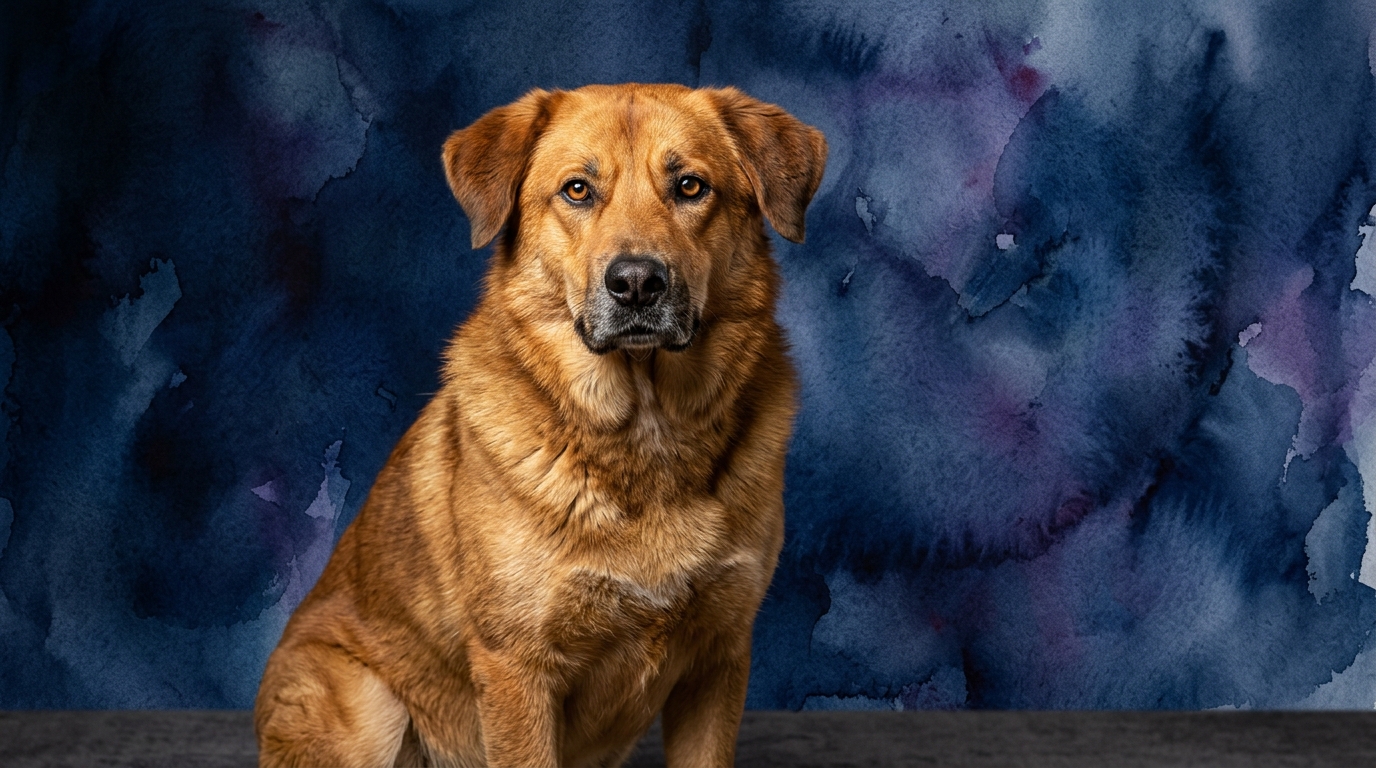
For the Chinook, a breed developed for endurance and companionship in the harsh New England climate, a 3/5 in Problem Solving typically manifests as a practical ability to navigate varied terrains, strategize routes during a hike, or figure out how to access a desired object through persistence. Their Training Speed at 3/5 suggests they are capable learners who grasp new commands with consistent, positive reinforcement, especially when tasks have a clear purpose. Social Intelligence at 3/5 means they are generally receptive to human cues and can form strong, cooperative bonds within their family unit, often working well in a multi-dog household. Their Instinctive Drive, also 3/5, leans towards sustained activity, exploration, and a desire for partnership in tasks. Finally, a Memory score of 3/5 indicates they retain learned behaviors and recall familiar faces and places reliably over time, contributing to their dependable nature.
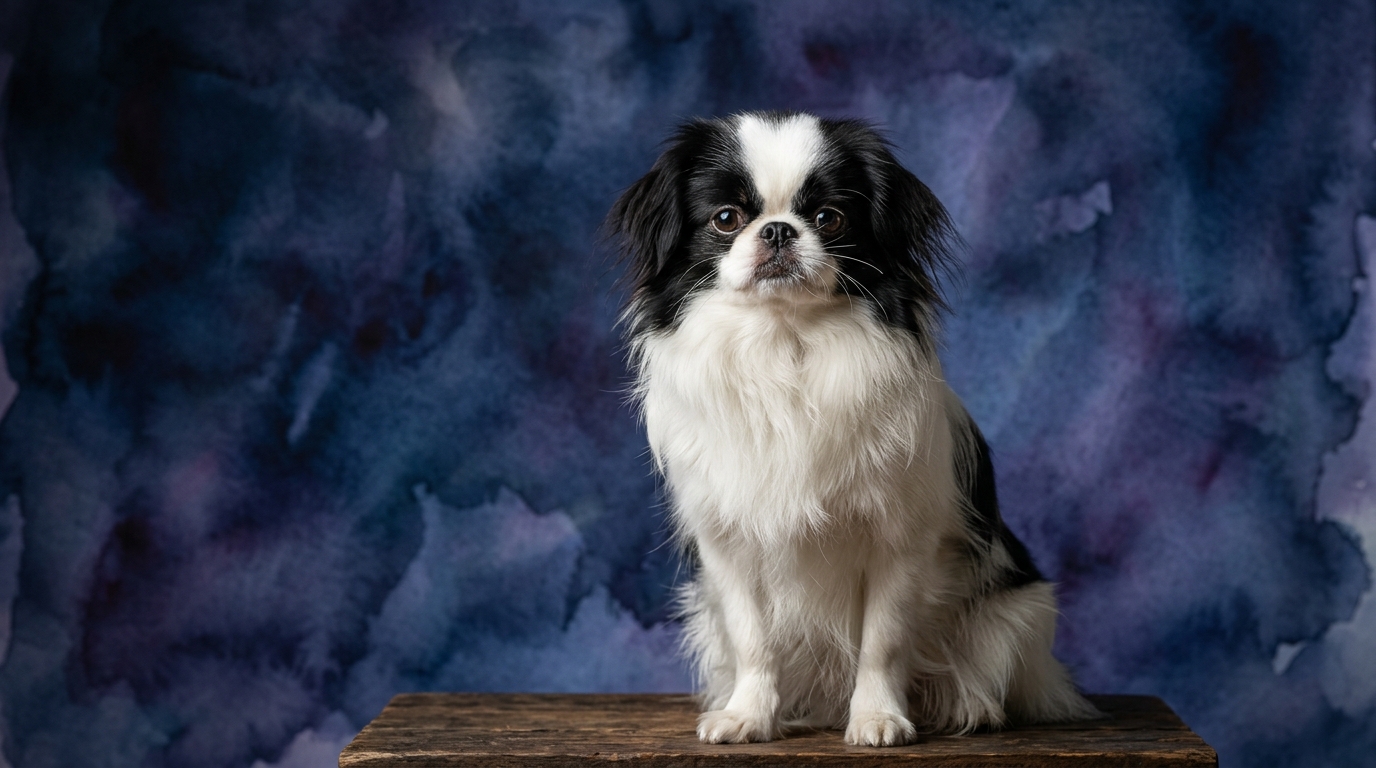
The Japanese Chin, historically a companion to nobility, interprets these same scores through a lens of refined indoor living and deep human connection. Their 3/5 in Problem Solving often involves more nuanced social strategies, such as figuring out the best way to solicit attention or treats from their owner, or solving simple puzzle toys designed for mental enrichment rather than physical exertion. A Training Speed of 3/5 means they can learn tricks and obedience commands at a moderate pace, often excelling when the training is fun, engaging, and highly rewarding, though their independent streak can sometimes introduce a playful challenge. Social Intelligence at 3/5 for the Chin manifests as an acute sensitivity to their owner's moods and a strong desire for close companionship, often preferring the company of a select few familiar individuals. Their Instinctive Drive, at 3/5, is more focused on comfort, play within the home, and the pursuit of affection rather than outdoor work. Their Memory score of 3/5 ensures they remember routines, preferences, and the people they cherish, often anticipating daily events with charming accuracy.
Where the Chinook's Cognition Shines Brightest
While both breeds share identical scores, the Chinook's cognitive strengths are particularly evident in scenarios demanding sustained effort and practical application. Their 3/5 Problem Solving, for instance, shines in environments where physical obstacles or sequential tasks are present. A Chinook might more readily devise a method to retrieve a toy from under a porch or figure out the optimal path across uneven terrain during a long hike, relying on their physical capabilities and methodical approach. This is less about social maneuvering and more about environmental mastery. Their instinctive drive, rated 3/5, is geared towards purposeful activity, making them excellent partners for owners who enjoy consistent outdoor adventures, where their stamina and cooperative spirit are assets.
The Chinook's social intelligence, while also 3/5, often manifests as a more generalized adaptability in social settings beyond their immediate family. They tend to integrate well into larger 'packs' of dogs, displaying a balanced understanding of canine social cues that allows them to navigate interactions with a calm, self-assured demeanor. This is distinct from the Chin's more intense, person-centric social focus. Their memory, at 3/5, supports their working heritage by enabling them to recall complex routines or intricate routes, making them reliable companions for activities like competitive obedience, agility, or even search and rescue, where consistency over time is crucial. The Chinook's cognitive profile, therefore, is optimized for partnership in a more active, task-oriented lifestyle, where their mental and physical attributes combine to solve practical challenges.
The Japanese Chin's Unique Cognitive Flourishes
The Japanese Chin's cognitive strengths, though also rated 3/5 across the board, are tailored for a life of intimate companionship and indoor elegance. Their Problem Solving at 3/5 is often expressed through their ability to understand and manipulate human behavior to their advantage—a subtle nudge for attention, a perfectly timed gaze for a treat, or finding the warmest, coziest spot in the house. This form of problem-solving is less about physical challenges and more about social engineering within their human family unit. Their social intelligence, also 3/5, is exceptionally acute when it comes to reading the emotions and intentions of their primary caregivers. They can be remarkably empathetic, often offering comfort or seeking to engage their owner based on subtle shifts in mood, making them profoundly attuned companions.
The Chin's 3/5 instinctive drive is beautifully channeled into their role as a devoted house companion. This drive manifests as a strong desire for proximity, affection, and gentle play, making them content with indoor activities and short, leisurely strolls. Their memory, while rated identically, often has a particular strength in recalling specific human interactions, preferences, and the intricate daily routines of their household. They might remember exactly where a favorite toy was left or the precise time their owner usually offers an evening cuddle, contributing to their charming predictability and deep bond with their family. The Japanese Chin's cognitive makeup is thus finely tuned for a life of close emotional connection and sophisticated domestic interaction.
Ease of Training: Navigating Different Motivations
When considering which breed is 'easier to train,' it’s essential to look beyond the identical 3/5 Training Speed score and delve into their underlying motivations and behavioral tendencies. Both breeds are capable learners, but their approaches differ significantly. The Chinook, being a working breed, generally thrives on purpose, consistency, and a clear understanding of their role within a 'pack' structure. They are often highly food-motivated and eager to please, responding well to reward-based training that incorporates practical tasks or skills. Their 3/5 instinctive drive for partnership means they often view training as a collaborative effort, making them responsive to handlers who provide clear guidance and positive reinforcement. They typically enjoy longer training sessions focused on sequential commands or physical challenges, demonstrating good stamina for learning.
The Japanese Chin, conversely, while also scoring 3/5 in Training Speed, often requires a different training methodology. They are highly sensitive and respond best to gentle, positive reinforcement, often motivated by praise, affection, and high-value treats. Their training sessions should ideally be shorter, engaging, and varied to maintain their interest, as their attention span can be more fleeting compared to a working breed. Their independent, sometimes whimsical nature means they might decide that a particular command isn't worth their effort at that moment, despite knowing it perfectly well. This isn't a lack of intelligence, but rather a preference for doing things on their own terms. Therefore, while both learn at a moderate pace, the Chinook's cooperative predisposition might make the *process* of consistent training feel more straightforward for an owner seeking a diligent student, whereas the Chin requires an owner who appreciates their charming independence and can make training feel like a delightful game.
Matching Breeds to Lifestyles: Active vs. Relaxed Owners
The distinct expressions of their identical cognitive scores make each breed a better fit for different owner lifestyles. The Chinook, with its 3/5 instinctive drive for sustained activity and problem-solving geared towards environmental challenges, is an ideal companion for active owners. These are individuals or families who enjoy regular outdoor adventures such as hiking, jogging, or dog sports like sledding or canicross. A Chinook thrives on having a 'job' or a consistent routine that engages both their body and mind. Their 3/5 social intelligence allows them to integrate well into varied social settings and adapt to new environments, making them suitable for owners who travel or frequently engage in dog-friendly activities outside the home. They appreciate a partnership where they contribute actively to the household's dynamic, needing consistent mental and physical outlets to be content.
The Japanese Chin, with its nuanced 3/5 problem-solving focused on social interaction and a 3/5 instinctive drive for companionship and comfort, is perfectly suited for more relaxed or indoor-oriented owners. This breed thrives in a home environment where they can be the center of attention, enjoying lap time, gentle play, and quiet companionship. Their acute 3/5 social intelligence makes them highly attuned to their owner's emotions, offering a comforting presence. They are well-suited for individuals who appreciate a sensitive, devoted, and somewhat independent companion who doesn't demand extensive outdoor exercise. Owners who lead a quieter lifestyle, perhaps living in apartments or with limited access to vast outdoor spaces, will find the Japanese Chin's needs align beautifully with their own, valuing deep emotional connection over vigorous activity.
The Verdict
Choose the Chinook if you seek a robust, cooperative partner for an active, outdoor-centric lifestyle, valuing a dog that contributes actively to shared adventures and thrives on purposeful engagement.
Opt for the Japanese Chin if you desire a sensitive, devoted companion for a more relaxed, indoor-focused life, appreciating a charmingly independent dog whose intelligence shines in social nuances and intimate connection.
🧠 Find Your Pet's IQ Score
Our Pet IQ Lab assessment covers 25+ tests across 5 cognitive dimensions — personalized to your breed.
Take the Full IQ Test →Frequently Asked Questions
Do Chinook and Japanese Chin dogs have similar needs for mental stimulation?
While both breeds score 3/5 in problem-solving and memory, their mental stimulation needs differ in *type*. Chinooks benefit from tasks that involve physical challenges or sequential learning, like agility or tracking, whereas Japanese Chins prefer puzzle toys, interactive games, and social engagement with their owners.
Is one breed more prone to separation anxiety due to their social intelligence scores?
Both breeds score 3/5 in social intelligence, indicating strong bonds. However, the Japanese Chin's social intelligence is often more intensely focused on human companionship, making them potentially more prone to distress if left alone for extended periods compared to the more independently-minded Chinook, who often adapts better to varied social settings.
Can a Japanese Chin participate in dog sports despite being a toy breed?
Absolutely! While not typically suited for high-endurance sports like the Chinook, a Japanese Chin's 3/5 training speed and problem-solving ability allow them to excel in activities like obedience, rally, or even trick training. Their motivation often stems from the fun and attention derived from working with their owner, rather than pure physical drive.