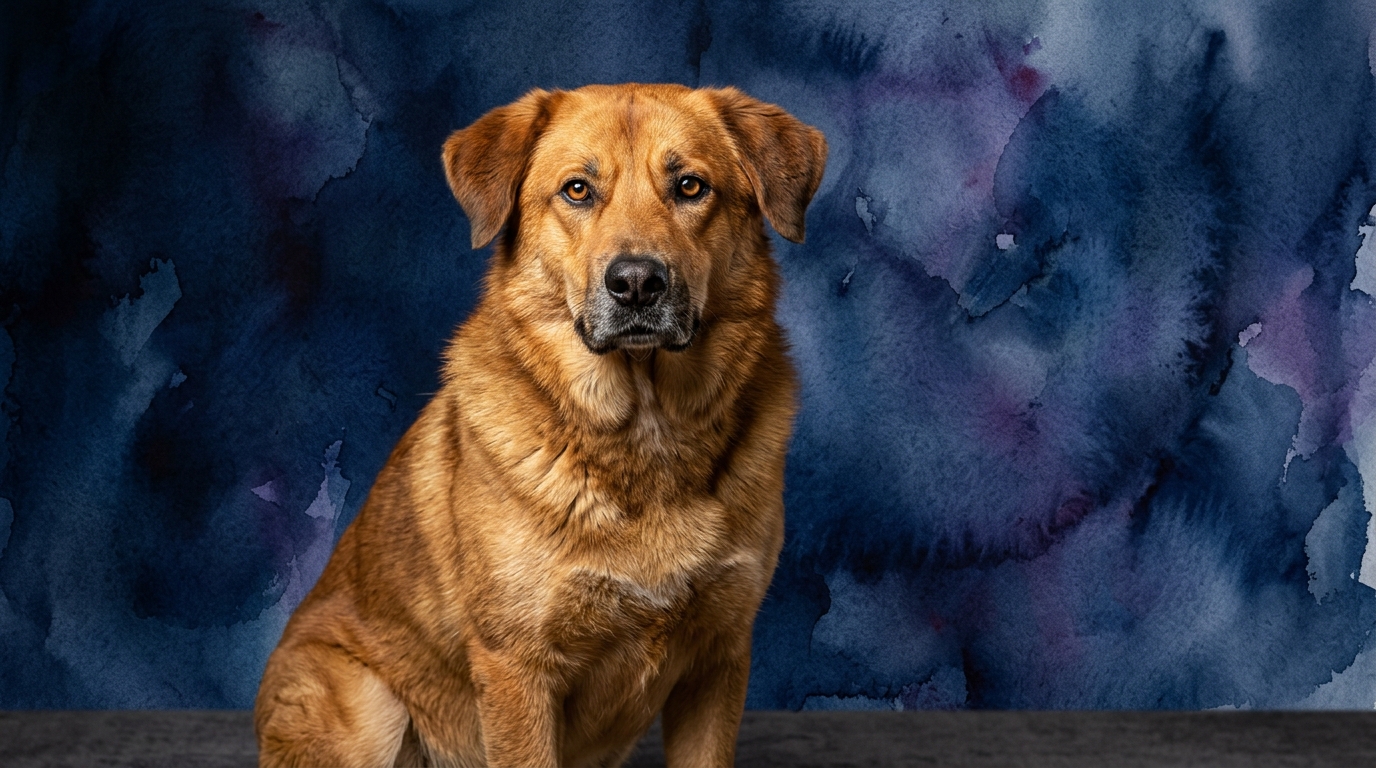
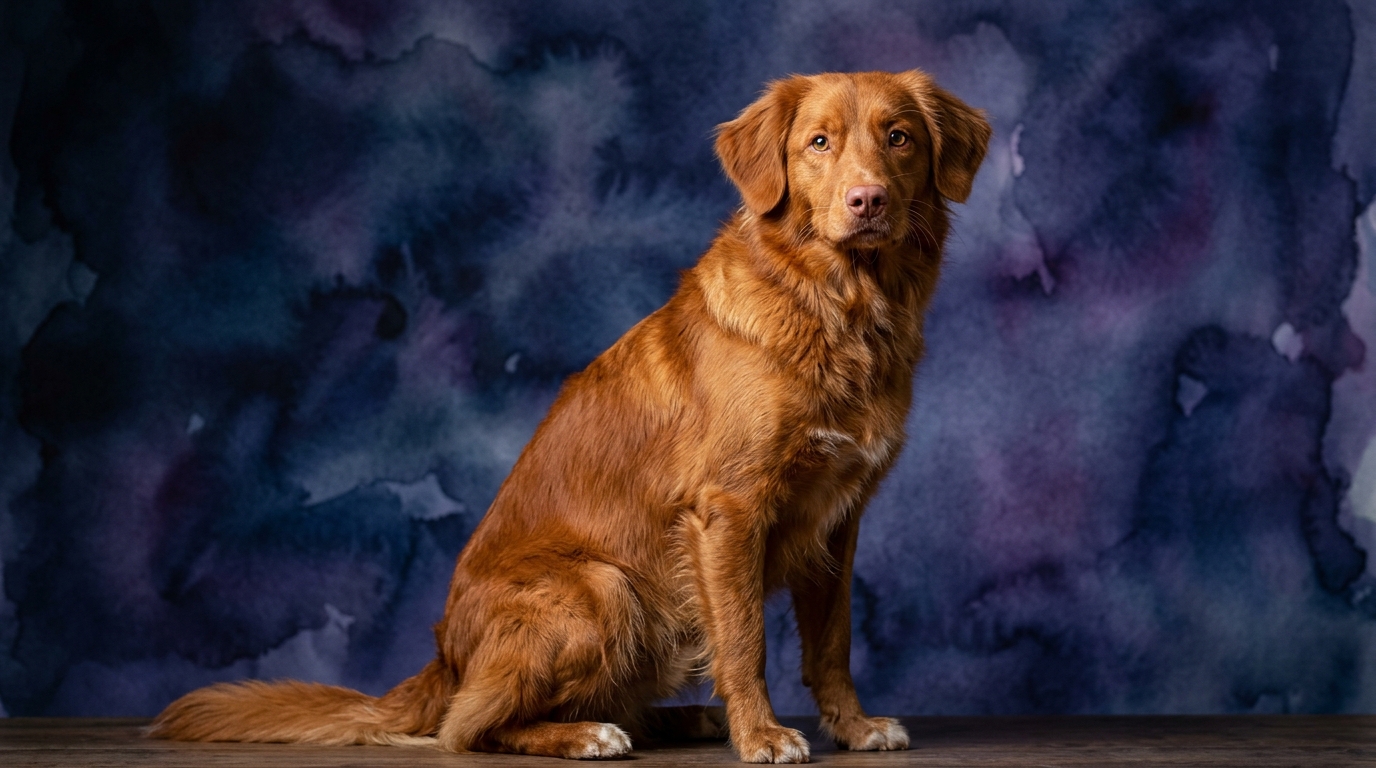
A Side-by-Side Look at Their Cognitive Profiles
The Cosmic Pet Pet IQ Lab assesses five key dimensions of canine intelligence: problem-solving, training speed, social intelligence, instinctive drive, and memory. Both the Chinook and the Nova Scotia Duck Tolling Retriever (NSDTR) register a consistent 3/5 across all these metrics, suggesting a robust and adaptable intellect. However, the *application* and *manifestation* of these cognitive traits vary significantly due to their divergent breed histories and intended functions.
For the Chinook, a working dog bred for sledding and companionship, a 3/5 in problem-solving often translates to navigating complex winter terrains, assessing environmental changes on a trail, or figuring out how to work effectively within a team harness. Their training speed, also 3/5, reflects their capacity to learn multi-step commands for pulling or route-finding, often requiring consistent, patient reinforcement. Social intelligence at 3/5 is typically expressed through their deep bond with family, understanding human emotions, and cooperative nature within a household. An instinctive drive of 3/5 manifests as a strong desire to pull, explore, and be an active participant in their human's life, rather than a prey drive. Finally, their 3/5 memory supports retaining complex routes, learned commands, and family routines over long periods.
The Nova Scotia Duck Tolling Retriever, a sporting dog designed to lure and retrieve waterfowl, also scores 3/5 across the board, but these scores play out differently. Their problem-solving at 3/5 is often demonstrated in the field: strategizing how to retrieve a bird from challenging cover, adapting their luring movements based on duck behavior, or navigating water obstacles. A 3/5 training speed indicates a keen ability to quickly grasp specific tasks like retrieving, marking falls, and responding to intricate hand signals, often with a high degree of focus when engaged. Social intelligence at 3/5 is evident in their ability to read handler cues and cooperate in a working partnership, while also being affectionate with their family. Their 3/5 instinctive drive is powerfully channeled into their namesake activities: luring, retrieving, and a strong affinity for water and prey interaction. Their memory, also 3/5, is crucial for remembering where birds fell, recalling specific commands under pressure, and retaining complex sequences of luring behaviors.
Where the Chinook's Cognition Shines
While both breeds possess admirable cognitive faculties, the Chinook tends to excel in areas requiring sustained, cooperative effort and environmental adaptability over varied conditions. Their problem-solving, honed by generations of sledding, makes them particularly adept at navigating complex, changing environments, such as finding the best path through snowdrifts or adjusting to unexpected obstacles on a trail while maintaining a steady pace. This isn't just about brute force; it's about making intelligent decisions on the fly within a team context. Their social intelligence also leans towards a deep, empathetic connection with their human family, allowing them to anticipate needs and integrate seamlessly into household routines, often acting as a comforting presence. This ability to form strong, nuanced bonds facilitates a quiet understanding that can be profoundly rewarding for owners seeking a devoted companion in everyday life and adventures. Their memory is particularly strong for routes and established routines, making them reliable partners for consistent outdoor activities.
Where the Nova Scotia Duck Tolling Retriever's Cognition Excels
The Nova Scotia Duck Tolling Retriever's cognitive strengths are sharply focused on tasks demanding independent initiative, quick adaptation, and a high degree of precision in a specialized working role. Their problem-solving prowess is particularly evident in their ability to rapidly assess a situation in the field, such as how to best approach a retrieve, or to adjust their luring antics to maintain the attention of waterfowl. This requires a dynamic, moment-to-moment assessment and strategic execution. Their training speed, while numerically the same as the Chinook's, often manifests as a quicker uptake of task-specific commands, especially those related to retrieving, marking, and nuanced handler communication in a working context. This is fueled by their intense instinctive drive, which provides a powerful motivator for learning and performing. The Toller's memory is exceptional for marking fall locations and retaining complex sequences of actions vital for their luring and retrieving duties, allowing them to perform intricate tasks with remarkable accuracy even after distractions.
Ease of Training: A Question of Motivation and Method
Given that both breeds score 3/5 in training speed, neither is inherently 'easier' to train in a universal sense, but their specific motivations and behavioral tendencies dictate different approaches. The Chinook, with its working dog background and cooperative nature, often responds well to positive reinforcement methods that emphasize teamwork, consistency, and clear, sequential instructions. They are eager to please their family and thrive on being included in activities, making them amenable to learning if the training builds on their desire for companionship and exploration. However, their independent spirit, a remnant of working without constant human oversight on the trail, means they can sometimes be slow to generalize commands or may test boundaries if not consistently engaged.
The Nova Scotia Duck Tolling Retriever, conversely, possesses a strong, focused prey drive and an intense desire for mental engagement, which can make them incredibly quick learners for tasks that tap into these instincts. They excel in structured training environments where their energy and intelligence can be channeled into specific jobs, such as obedience, agility, or retrieving. Their high drive means they are often highly motivated by toys, praise, and opportunities to 'work.' However, this same drive, coupled with their sharp intellect, can lead to boredom or mischievous problem-solving if not adequately stimulated. They require an owner who understands how to harness their inherent drive and provide consistent, engaging mental and physical challenges to prevent them from creating their own 'jobs,' which may not always align with human expectations.
Matching Canine Cognition to Owner Lifestyle
Understanding the specific cognitive leanings of these breeds is crucial for matching them with the right owner lifestyle. The Chinook, while an active breed, often thrives with owners who enjoy consistent, moderate-to-vigorous outdoor activities like hiking, snowshoeing, or long walks, and who value a deeply bonded, cooperative companion. Their social intelligence and memory for routine make them excellent family dogs who integrate well into a structured home life, often content to observe and participate in family activities. They are well-suited for owners seeking a steadfast, empathetic partner for life's adventures, who appreciate a dog that is present and engaged without constant, high-intensity demands.
The Nova Scotia Duck Tolling Retriever, on the other hand, is built for sustained, high-energy activity and intense mental engagement. They are ideal for owners who are committed to dog sports such as agility, flyball, dock diving, or who participate in hunting. Their problem-solving and instinctive drive demand an owner who can provide consistent outlets for their working abilities, whether through retrieving games, advanced obedience, or complex puzzle toys. A Toller needs a 'job' to do, and an owner who can creatively provide that intellectual and physical stimulation will find an incredibly rewarding partnership. They are less suited for owners looking for a purely relaxed companion, as their cognitive needs extend far beyond simple walks.
The Verdict: When to Choose Each
The Verdict
Choose a Chinook if you seek an empathetic, cooperative companion for consistent outdoor adventures and a deeply integrated family member, valuing a dog whose problem-solving is applied to navigation and social harmony.
Opt for a Nova Scotia Duck Tolling Retriever if you are an active individual or family eager to engage in dog sports or hunting, appreciating a dog whose sharp intellect and intense drive are channeled into specialized tasks and complex mental challenges.
🧠 Find Your Pet's IQ Score
Our Pet IQ Lab assessment covers 25+ tests across 5 cognitive dimensions — personalized to your breed.
Take the Full IQ Test →Frequently Asked Questions
Do Chinooks and Nova Scotia Duck Tolling Retrievers require the same amount of exercise?
While both are active breeds, the *type* of exercise differs. Chinooks thrive on consistent, moderate endurance activities like hiking, whereas Tollers require more intense, varied activities that engage both their physical stamina and their strong retrieving and luring drives.
Are these breeds suitable for first-time dog owners?
Both breeds possess strong personalities and specific needs, making them potentially challenging for first-time owners without a commitment to understanding their distinct cognitive and physical requirements. A Chinook might be more forgiving due to its cooperative nature, but a Toller's intense drive demands a dedicated, experienced approach to training and engagement.
How do their social intelligence scores of 3/5 manifest differently?
A Chinook's 3/5 social intelligence often translates to a deep, empathetic bond with family members and a cooperative spirit within the home. A Toller's 3/5 social intelligence is more frequently demonstrated through their keen ability to read handler cues in a working context and their focused partnership during activities, alongside affection for their family.