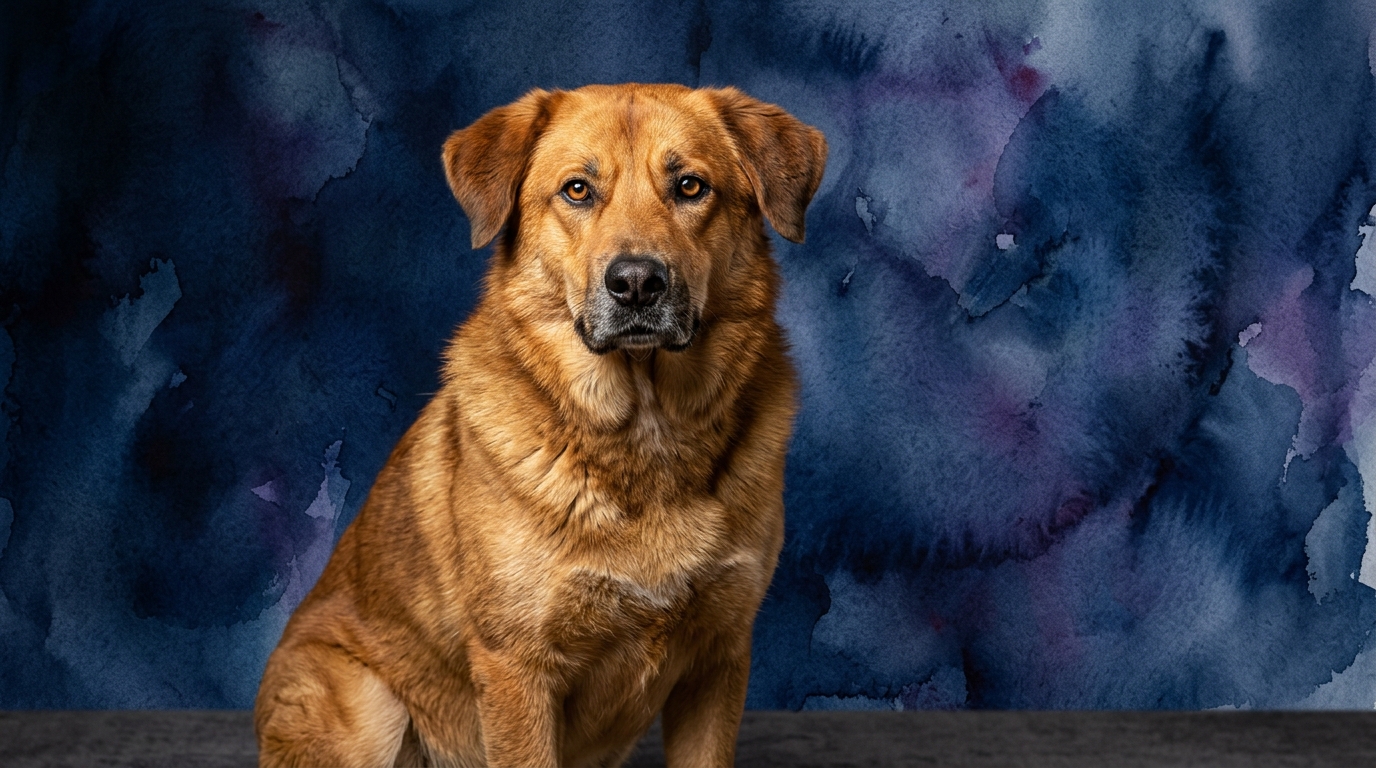
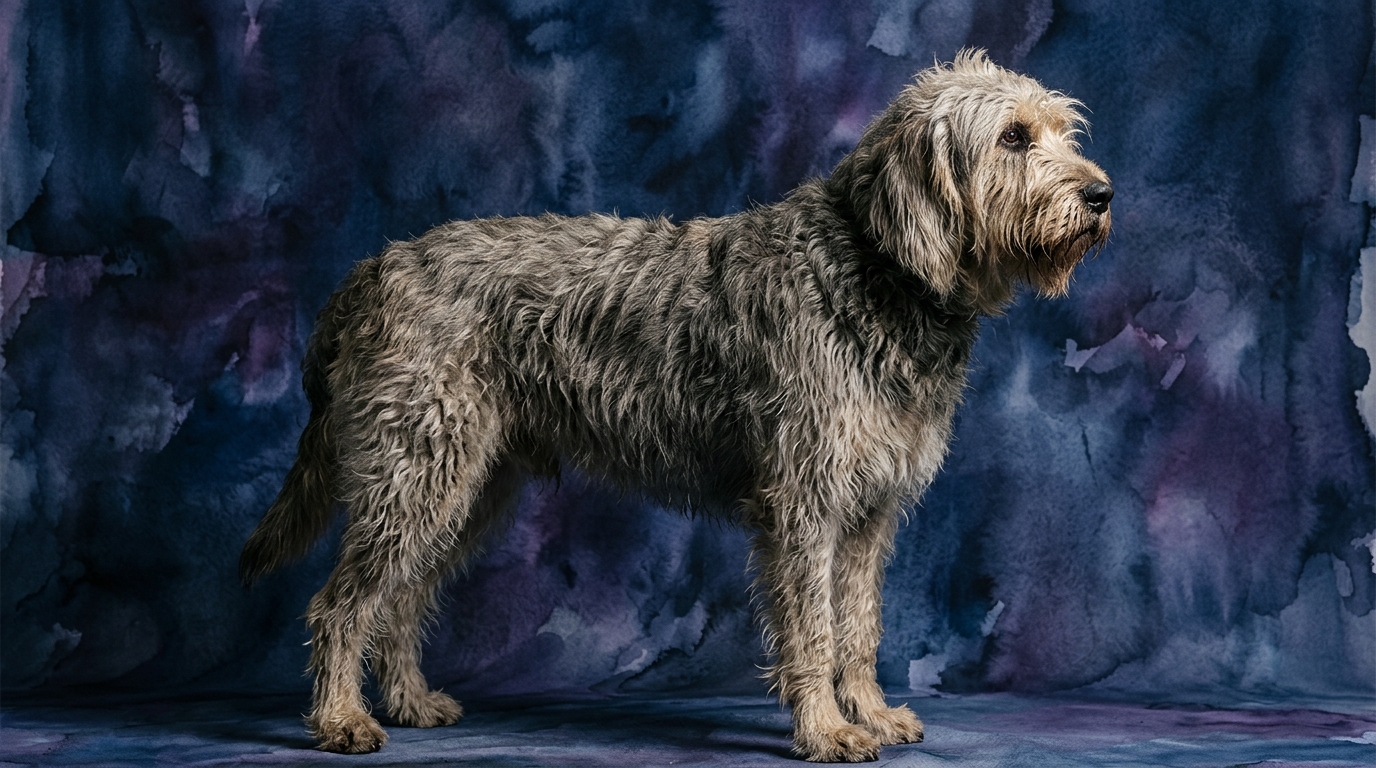
Side-by-Side Cognitive Profiles: Decoding the '3/5' Score
When both the Chinook and Otterhound score a '3/5' in problem-solving, it doesn't imply identical mental mechanisms, but rather a moderate, functional capacity applied in divergent contexts. For the Chinook, a breed developed for sled pulling and companionship, problem-solving often manifests as navigating complex terrain, identifying efficient paths, or figuring out how to work cooperatively within a team to overcome an obstacle. Their solutions tend to be practical and often involve human interaction or teamwork. The Otterhound, a robust scent hound, applies its problem-solving abilities to deciphering intricate scent trails, strategizing how to cross varied landscapes in pursuit of quarry, or independently overcoming physical barriers encountered during a hunt. Their solutions are typically self-initiated and driven by their powerful olfactory focus.
In training speed, a 3/5 for both indicates they are not lightning-fast learners but are certainly capable of acquiring new commands and behaviors with consistent, clear instruction. For the Chinook, their working dog heritage means they generally enjoy having a 'job' and respond well to positive reinforcement-based training that leverages their desire to please and cooperate. They can master complex sequences over time, provided the motivation is strong and the sessions are engaging. The Otterhound, while equally capable of learning, may require a more patient and creative approach. Their hound nature means they can be easily distracted by compelling scents, making it crucial to train in varied environments and to make lessons more rewarding than the allure of a captivating smell. Their learning is often tied to their independent spirit and innate drives.
Social intelligence at 3/5 for both signifies a moderate ability to understand and respond to social cues, both human and canine. Chinooks, accustomed to working in teams and living closely with their human companions, often exhibit a nuanced understanding of human body language and emotional states. They integrate well into family dynamics and form strong, reciprocal bonds, often displaying a gentle empathy. Otterhounds, while generally amiable and good-natured with people and other dogs, particularly other hounds, may interpret social cues through a slightly different lens. Their pack mentality on the hunt makes them adept at canine communication within a group, but their independent hunting focus might mean they are less attuned to subtle human social nuances than a breed whose primary role is human-centric partnership.
Instinctive drive at 3/5 reflects a moderate but distinct set of inherent behaviors. The Chinook possesses a strong drive for pulling, exploring, and engaging in physical activity, coupled with a moderate prey drive that is generally manageable in a domestic setting. Their instincts lean towards cooperative work and companionship. The Otterhound, conversely, is governed by an exceptionally powerful scent drive and an unwavering instinct to track and pursue. This drive is not merely moderate; it is the core of their being, directing much of their cognitive energy. While a 3/5 might imply a general level, for the Otterhound, this score is heavily weighted towards their olfactory obsession and pursuit persistence, which can overshadow other drives.
Finally, memory at 3/5 for both breeds points to a reliable capacity to recall learned behaviors, routes, and experiences over time. The Chinook's memory is crucial for remembering complex sledding routes, multi-step commands, and the routines of their human family, contributing to their reliability as a working companion. The Otterhound's memory is primarily geared towards recalling intricate scent trails, the locations of previous encounters with interesting smells, and learned hunting strategies. Their ability to 'map' their environment through scent memory is particularly pronounced, allowing them to revisit areas of interest or pick up a trail where they left off.
Where the Chinook Shows a Cognitive Edge
The Chinook's cognitive strengths often shine in scenarios demanding cooperative effort and nuanced human-animal communication. Their background as working sled dogs means they excel at understanding and executing multi-step instructions, particularly when these tasks contribute to a shared goal with their human. This isn't just about following commands, but about proactively engaging in problem-solving alongside their handler, such as navigating a new obstacle course or learning a complex agility sequence. Their social intelligence, while rated 3/5, is particularly attuned to human partnership, allowing them to anticipate human intentions and respond with a deeper level of reciprocal understanding.
Furthermore, the Chinook's memory is often more geared towards procedural tasks and spatial recall in relation to human-directed activities. They can remember intricate routes for walks, the location of specific toys, or the sequence of events in a daily routine, contributing to their predictability and ease of integration into a structured home environment. This reliable memory for human-centric routines makes them particularly adept at adapting to and thriving within a family's lifestyle, often displaying a consistent understanding of expectations.
Where the Otterhound's Mind Prevails
The Otterhound's cognitive prowess lies squarely in its specialized sensory intelligence and independent, persistent problem-solving. While also scoring 3/5, their instinctive drive, particularly their olfactory drive, is unparalleled. This enables them to process and interpret a vast array of scent information that is entirely imperceptible to humans or many other dog breeds. Their problem-solving in this domain is highly sophisticated, involving tracking faint trails, differentiating between similar scents, and navigating complex environments solely based on olfactory cues. They can 'read' a landscape through their nose in a way that Chinooks, for all their working acumen, simply cannot.
The Otterhound's memory, too, is profoundly tied to its scenting abilities. They can recall specific scent profiles and the locations where those scents were encountered, allowing them to revisit areas of interest or pick up a cold trail with remarkable accuracy. This form of memory is less about human-directed tasks and more about an internal, self-guided mapping of their environment based on an invisible world of smells. Their independence, a trait that might be seen as a challenge in other contexts, is a cognitive strength in the field, allowing them to make critical decisions without constant human input when pursuing a scent.
Training Dynamics: Chinook vs. Otterhound
Given their identical 3/5 training speed scores, the ease of training isn't about raw speed, but rather the *approach* required and the primary motivators for each breed. The Chinook, as a working breed, generally thrives on structure, routine, and positive reinforcement that acknowledges their cooperative spirit. They learn effectively when training is presented as a joint effort, and they often enjoy the process of mastering new skills alongside their human. Their desire to please, combined with their capacity for understanding complex commands, means that consistent, engaging training sessions yield reliable results. They are generally responsive to verbal cues and hand signals, and while they may have their independent moments, they typically prefer to work with their handler.
The Otterhound, while intelligent, presents a different training dynamic due to its profound instinctive drive. Their nose is their world, and any scent can instantly become more compelling than a verbal command. Training an Otterhound requires immense patience, creativity, and high-value rewards to capture and maintain their attention. Lessons must be made exceptionally engaging, often incorporating scent work or games that appeal to their natural instincts. Consistency is paramount, but handlers must also accept that an Otterhound on a compelling trail may temporarily 'deafen' itself to commands. Training them is less about absolute obedience and more about building a strong enough relationship and providing sufficient motivation to redirect their powerful focus when needed. Their independence means they might not always seek human approval as a primary motivator, requiring trainers to tap into their inherent love for exploration and problem-solving.
Lifestyle Match: Active vs. Relaxed Owners
For active owners seeking a canine partner for adventures that involve collaboration and varied physical activities, the Chinook is often the more fitting choice. Their moderate instinctive drive for work and exploration, coupled with their social intelligence geared towards human partnership, makes them excellent companions for hiking, jogging, sledding, or even agility. They thrive on having a purpose and enjoy engaging their minds and bodies in activities that involve their human family. Their balanced cognitive profile allows them to adapt well to structured routines and novel situations, making them versatile partners for an active, involved lifestyle. They appreciate mental stimulation that challenges their problem-solving and memory in a cooperative context.
Conversely, while not a 'relaxed' breed in the sedentary sense, the Otterhound suits an active owner who understands and appreciates the breed's unique, scent-driven activity requirements. These are not dogs content with a simple walk around the block; they need opportunities to use their incredible noses and explore. Owners who enjoy long, rambling walks in varied terrain, scent games, or even tracking sports will find the Otterhound's cognitive strengths align perfectly. Their independent nature means they might not constantly seek human interaction during exercise, preferring to follow a scent, but they still require substantial physical and mental exertion. An owner who can provide outlets for their powerful instinctive drive and appreciate their self-directed exploration will find a rewarding companion, even if that companionship is sometimes shared with a compelling aroma.
The Verdict
Choose the Chinook if you desire a cooperative, versatile partner for varied activities, someone who thrives on shared tasks and integrates seamlessly into a structured family life.
Opt for the Otterhound if you are a patient, active owner fascinated by the power of scent, willing to embrace an independent spirit, and capable of channeling a profound instinctive drive.
🧠 Find Your Pet's IQ Score
Our Pet IQ Lab assessment covers 25+ tests across 5 cognitive dimensions — personalized to your breed.
Take the Full IQ Test →Frequently Asked Questions
Do Chinooks and Otterhounds have similar energy levels?
Both breeds possess moderate to high energy levels, but they manifest differently. Chinooks require consistent physical activity and mental engagement, often enjoying structured work or play with their humans. Otterhounds also need significant exercise, but their energy is largely driven by their scenting instinct, requiring opportunities for long, exploratory walks where their nose can lead the way.
Are either of these breeds good for first-time dog owners?
Neither breed is typically recommended for novice dog owners without prior research and commitment. Chinooks benefit from experienced handlers who can provide consistent training and mental stimulation. Otterhounds, due to their independent nature and powerful scent drive, require an owner who understands hound behavior and is prepared for a unique training approach, making them a more challenging choice for a first-timer.
How do their social needs compare?
Chinooks generally thrive on close human companionship and integrate well into family dynamics, often being quite sensitive to their human's moods. Otterhounds are typically amiable and enjoy being part of a family, but their independence means they may not constantly seek human attention, often being content to nap or explore on their own, though they still benefit from social interaction.