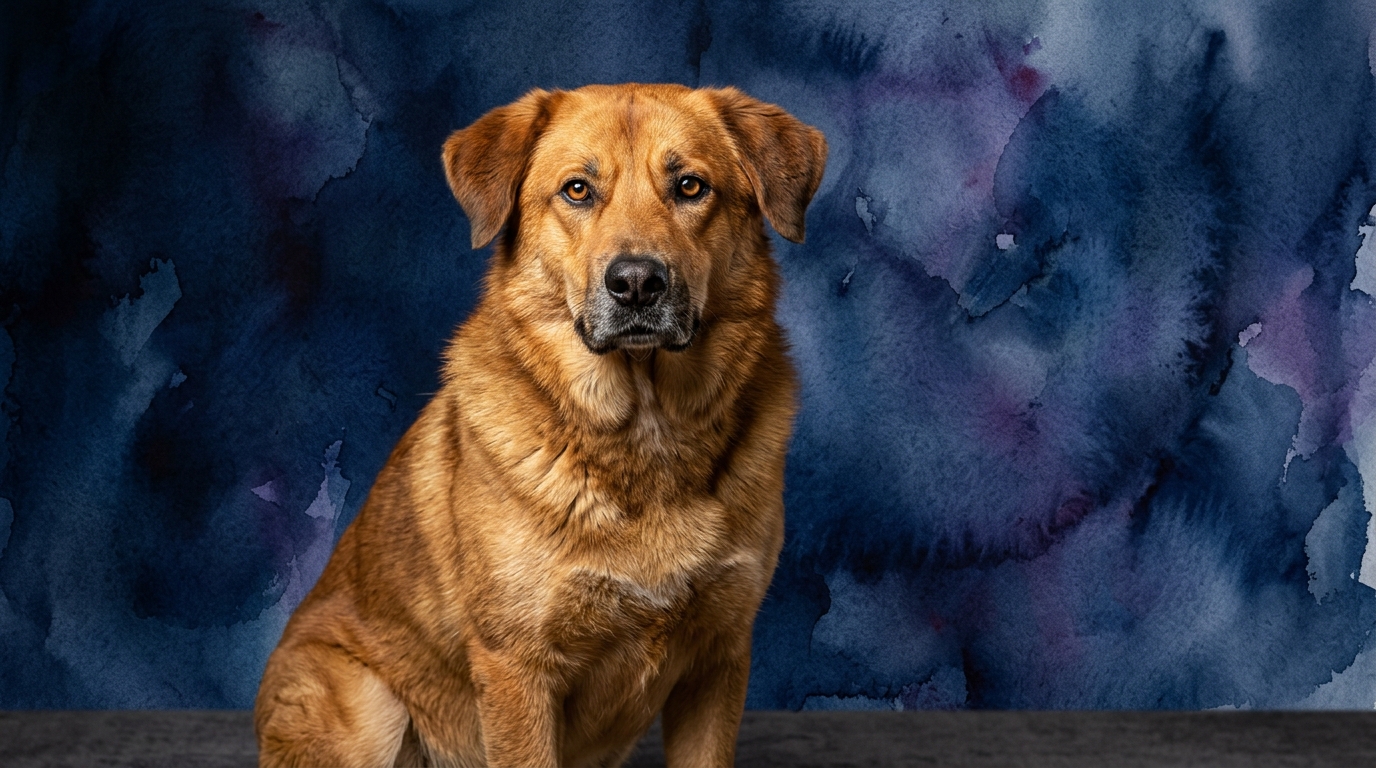
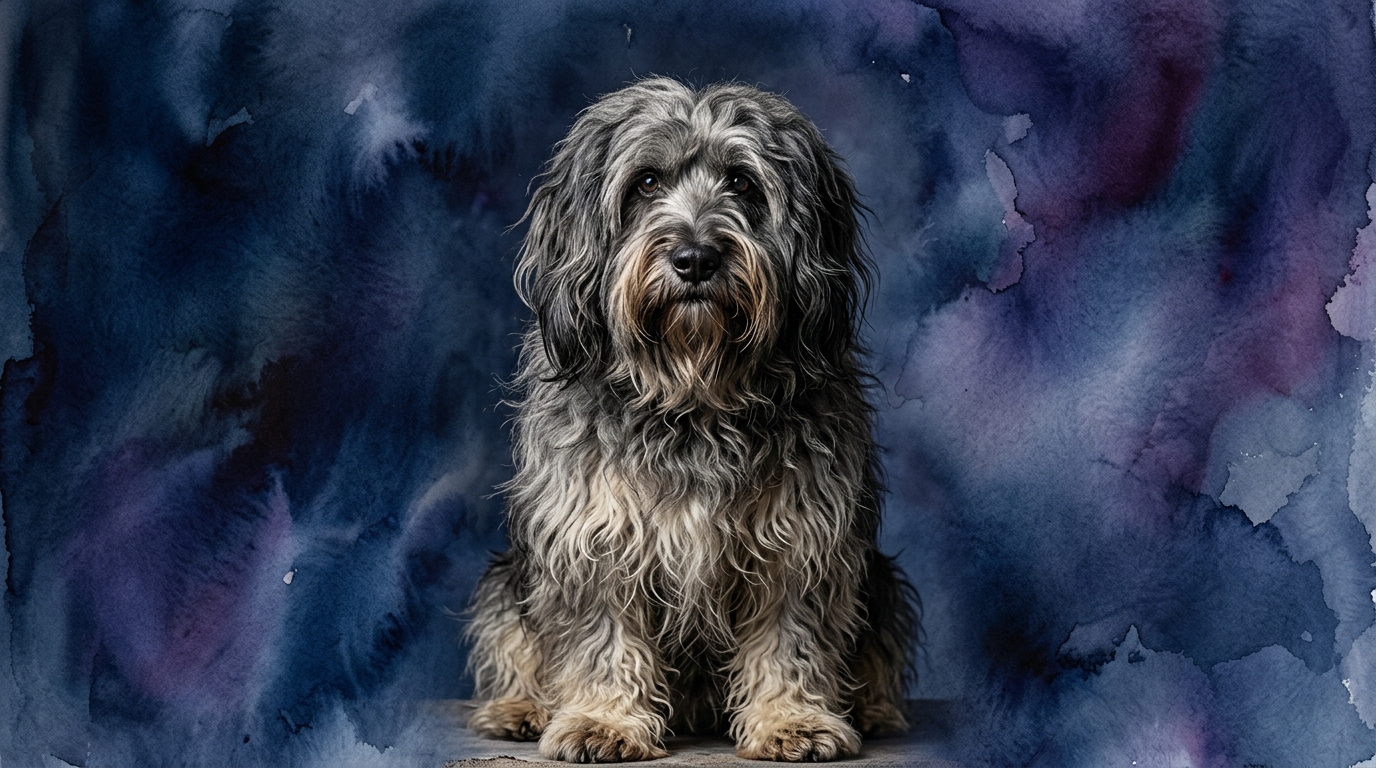
Side-by-Side IQ Profile: Identical Scores, Distinct Minds
When we examine the intelligence dimensions, both the Chinook and the Polish Lowland Sheepdog register a 3 out of 5 in Problem Solving, Training Speed, Social Intelligence, Instinctive Drive, and Memory. This shared numerical rating doesn't imply identical brains, but rather suggests a comparable level of aptitude that is channeled through their inherent breed-specific tendencies and historical purposes. Let's delve into what a 3/5 means for each breed in practice.
For Problem Solving, a Chinook's 3/5 often manifests as a resourceful adaptability in navigating complex environments, finding solutions to challenges encountered during long treks or when working as part of a team. Their heritage as sled dogs means they excel at practical, often physically demanding, problem-solving in dynamic outdoor settings, such as figuring out how to overcome an obstacle on a trail or conserving energy efficiently. A Polish Lowland Sheepdog's 3/5 in Problem Solving, conversely, typically expresses itself through strategic thinking related to livestock management; they might independently devise ways to re-gather a scattered flock or identify a vulnerable animal, demonstrating a nuanced understanding of group dynamics and environmental cues within a pastoral context. Their problem-solving is often about observation, anticipation, and subtle manipulation.
Regarding Training Speed, both breeds earn a 3/5, indicating they are capable learners who can pick up new commands and routines at a moderate pace. For the Chinook, this means they respond well to positive reinforcement and consistent methods, especially when tasks are presented as part of a cooperative effort or an engaging challenge; their motivation often stems from their desire to work alongside their human companions. The Polish Lowland Sheepdog's 3/5 in Training Speed reflects their capacity to learn a wide array of commands, but their independent herding spirit means they thrive with engaging, varied training that channels their natural drive to think for themselves, rather than rote repetition. They learn quickly when the task makes sense to them and aligns with their innate motivations.
In Social Intelligence, both breeds score a 3/5, highlighting their ability to understand and respond to human and canine social cues. A Chinook's social intelligence is deeply rooted in their pack heritage, allowing them to form strong bonds with their human family and integrate well into a multi-dog household, discerning subtle shifts in mood and communication within their immediate social circle. They are generally attuned to their handler's intentions and feelings. The Polish Lowland Sheepdog's 3/5 in social intelligence manifests as a keen awareness of their family's needs and a discerning nature towards strangers; they are perceptive guardians, capable of reading situations and individuals to determine potential threats or welcome guests. Their social awareness extends to their historical role of managing livestock, where understanding animal behavior is paramount.
Their Instinctive Drive also registers a 3/5 for both. For the Chinook, this score encompasses their inherent desire to pull, to engage in endurance activities, and to participate in a working partnership; their drive is often directed towards physical tasks that require stamina and collaborative effort. This instinct is what makes them natural companions for active, adventurous lifestyles. The Polish Lowland Sheepdog's 3/5 instinctive drive is primarily focused on herding, guarding, and territorial vigilance; they possess a strong innate desire to control and manage their environment and its inhabitants, often displaying an independent decision-making capacity rooted in their historical role of protecting flocks without constant human direction. This drive manifests as a need for purpose and a desire to be 'in charge' of their domain.
Finally, Memory at 3/5 for both breeds indicates a solid ability to recall commands, routines, and experiences over time. A Chinook's memory is particularly adept at remembering complex routes, sequences of commands for tasks, and the locations of familiar objects or places, which is crucial for their working roles and navigating varied terrains. The Polish Lowland Sheepdog's memory, also a 3/5, allows them to retain a vast repertoire of commands, remember specific patterns in livestock behavior, and recall individuals or situations, contributing to their effectiveness as intelligent, adaptive guardians and herders. They remember who belongs and who doesn't, and what's expected of them in their home environment.
Where Chinook Wins Cognitively
While their numerical scores are identical, the Chinook's cognitive strengths shine particularly bright in areas requiring sustained focus, cooperative problem-solving, and adaptability within expansive, dynamic environments. Their heritage as sled dogs has honed a distinct type of problem-solving ability: one focused on navigating practical challenges over long distances and varied terrain, often as part of a cohesive team. A Chinook's 3/5 in problem-solving often translates to resourcefulness in outdoor situations, showing a knack for identifying the most efficient path or adapting to unexpected obstacles during an excursion. This isn't just about raw brainpower, but about applying their intellect to real-world, physically demanding scenarios with remarkable endurance and consistency. Their social intelligence, while rated 3/5, is particularly geared towards understanding and responding to human leadership within a working partnership, making them exceptionally attuned to their handler's cues during collaborative tasks.
Where Polish Lowland Sheepdog Wins Cognitively
The Polish Lowland Sheepdog, despite sharing a 3/5 across the board, exhibits a different flavor of cognitive excellence, particularly in independent decision-making, observational intelligence, and nuanced social dynamics related to their guarding and herding roles. Their problem-solving (3/5) is often characterized by a strategic, analytical approach to managing their environment and its inhabitants, whether it's outsmarting a wayward sheep or assessing a new visitor. They excel at processing complex social and environmental information, using their keen observational skills to anticipate events and react appropriately without constant human intervention. This cognitive strength allows them to make independent judgments, a critical trait for a herding dog tasked with protecting a flock. Their social intelligence (3/5) is finely tuned to discerning intent and maintaining order, making them astute judges of character and situation within their perceived domain.
Which Is Easier to Train and Why?
The ease of training, despite both breeds scoring 3/5 in Training Speed, often comes down to how their inherent drives are channeled. The Chinook, with its working breed background, generally thrives on consistent, positive reinforcement-based training that provides clear tasks and a sense of purpose. Their desire to be a cooperative partner means they are often eager to please and respond well to a handler who establishes clear leadership and provides engaging activities. They are motivated by the opportunity to work alongside their human, making them generally amenable to learning new commands and participating in structured activities. Training a Chinook often feels like a collaborative effort, building upon their natural inclination for teamwork and their solid memory for routines.
The Polish Lowland Sheepdog, while equally capable of learning quickly (3/5 Training Speed), often presents a different training dynamic due to their independent, self-thinking herding nature. Their instinctive drive to manage and control means they can sometimes be opinionated or 'negotiate' commands, requiring a trainer who is patient, consistent, and creative in making training engaging and worthwhile from the dog's perspective. Their intelligence allows them to understand what is being asked, but their independent spirit means they might question *why* it's being asked, especially if it doesn't align with their perceived purpose. Training a PON requires channeling their strong will and intellectual curiosity into desired behaviors, often by making it a fun, mentally stimulating game that respects their problem-solving abilities rather than just rote obedience. Early socialization and consistent boundary setting are crucial to harness their formidable intellect effectively.
Which Suits Active Owners vs. Relaxed Owners
For active owners seeking a canine companion for adventures and shared physical endeavors, the Chinook is often an ideal match. Their 3/5 instinctive drive is geared towards endurance, pulling, and sustained activity, making them excellent partners for hiking, running, skijoring, or other outdoor pursuits. They thrive on having a job to do and require significant daily exercise and mental engagement to prevent boredom. Their cooperative nature and solid memory for routines make them reliable companions on trails or during structured activities. An owner who can provide consistent, challenging physical outlets and integrate their Chinook into an active lifestyle will find a deeply bonded and fulfilled partner.
The Polish Lowland Sheepdog, while possessing a 3/5 instinctive drive for herding and guarding that requires mental stimulation, is perhaps better suited for owners who are active in a different sense: those who enjoy engaging their dog's mind as much as their body, and who can provide structured activities that tap into their problem-solving and independent thinking. While they need regular physical exercise, their mental engagement needs are paramount. They can adapt to a slightly less strenuous physical routine than a Chinook, provided they receive ample opportunities for training, puzzles, and interactive play that satisfies their need to 'work' and manage. A 'relaxed' owner in the traditional sense might struggle with a PON, as their vigilance and strategic mind require an owner who is actively involved in channeling their cognitive energies through consistent training and clear boundaries, even if the physical demands are less about miles logged and more about structured, purposeful activity within their home and yard.
The Verdict
Choose the Chinook if you're an active, outdoor-oriented individual or family seeking a cooperative, enduring partner for adventures and structured physical activities, valuing their team-player mentality and practical problem-solving.
Opt for the Polish Lowland Sheepdog if you appreciate an independent, intelligent, and vigilant companion who thrives on mental challenges, consistent training, and opportunities to apply their strategic thinking in a structured home environment.
🧠 Find Your Pet's IQ Score
Our Pet IQ Lab assessment covers 25+ tests across 5 cognitive dimensions — personalized to your breed.
Take the Full IQ Test →Frequently Asked Questions
Do Chinooks or Polish Lowland Sheepdogs bark more?
The Polish Lowland Sheepdog, with its strong herding and guarding instincts, tends to be more vocal, often using barking as a communication tool for vigilance or to gather attention. Chinooks, while not silent, generally exhibit a more moderate barking tendency, typically signaling excitement or alerting to newcomers rather than constant communication.
Are Chinooks or Polish Lowland Sheepdogs better with children?
Both breeds can be good with children when properly socialized, but their approaches differ. Chinooks often display a gentle, patient nature, integrating well into family dynamics as a cooperative member. Polish Lowland Sheepdogs can be very protective and loyal to their family, but their herding instincts might lead them to 'herd' children, requiring supervision and clear boundaries to prevent nipping or nudging.
Which breed requires more grooming?
The Polish Lowland Sheepdog generally requires significantly more grooming due to its long, dense double coat, which needs regular brushing to prevent mats and tangles. The Chinook has a thick, medium-length double coat that sheds seasonally but is typically easier to maintain with weekly brushing and occasional professional grooming.