Side-by-Side Cognitive Profiles
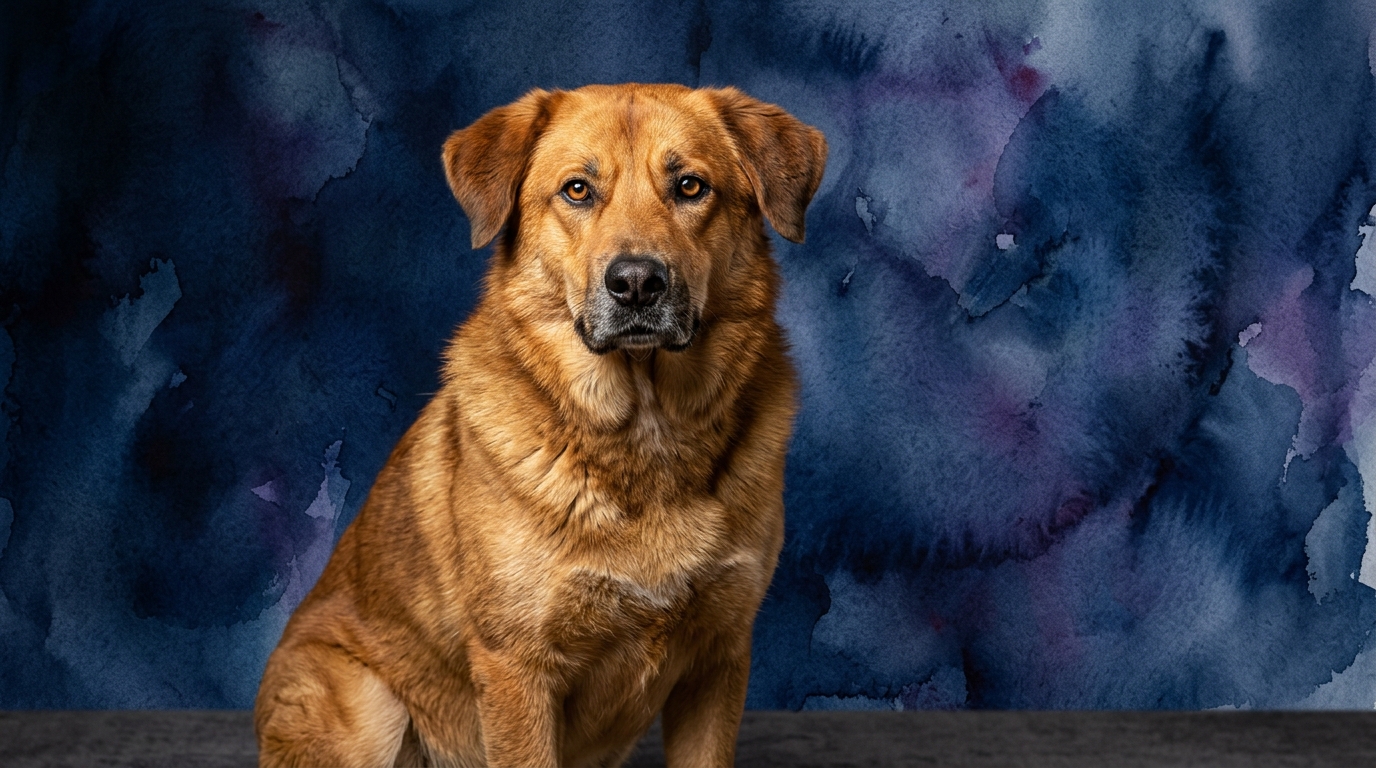
The Cosmic Pet Pet IQ Lab employs a five-dimensional framework to assess canine cognition, offering a granular view of each breed's mental strengths. For the Chinook, a Working Group dog not ranked by Coren, its profile shows a consistent baseline across the board. Its Problem Solving is rated 3/5, indicating a methodical rather than spontaneous approach to new challenges. Training Speed is also 3/5, suggesting a moderate learning pace that benefits from patient, consistent instruction. Social Intelligence stands at 3/5, reflecting a balanced ability to navigate human interactions without extreme sensitivity or aloofness. Its Instinctive Drive is 3/5, providing a moderate impetus for engagement and activity typical of a working breed. Finally, Memory is 3/5, signifying reliable retention of learned information over time with consistent practice.
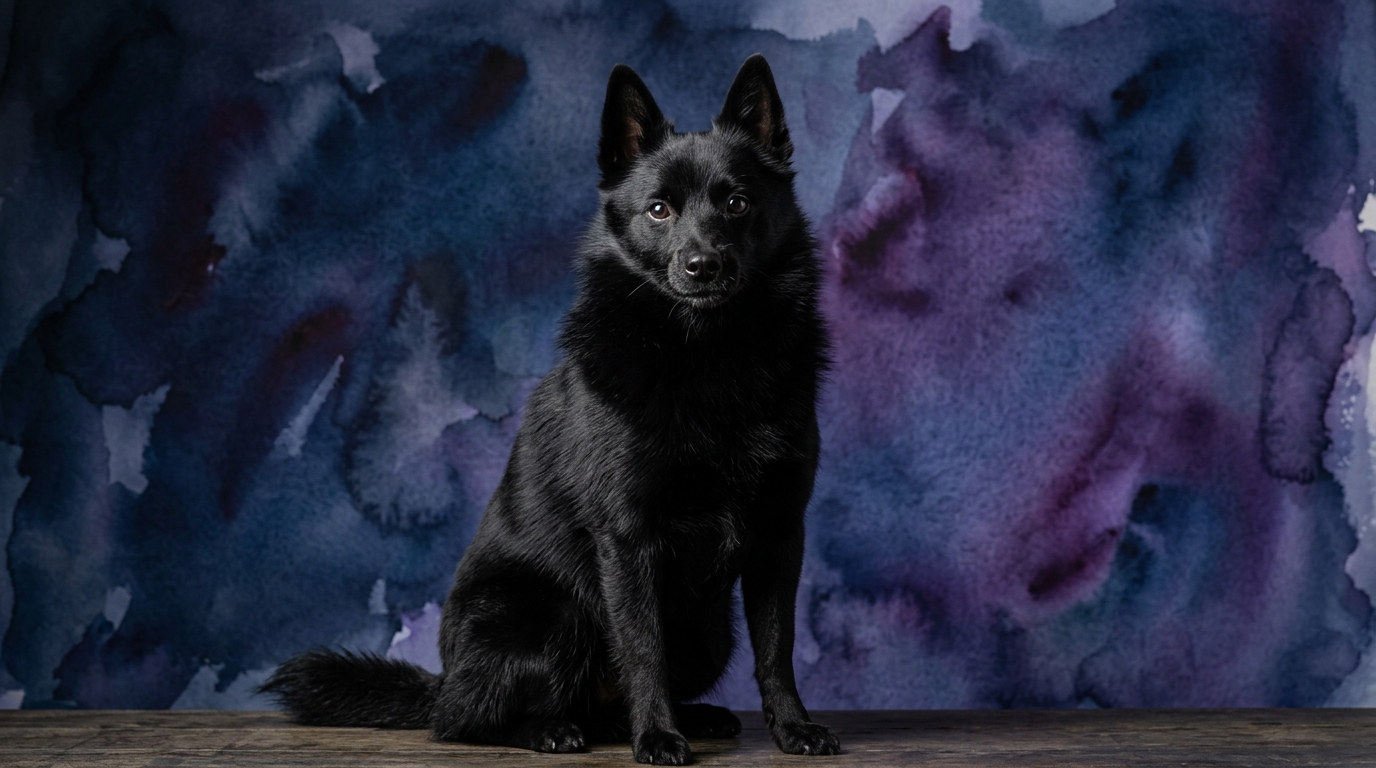
In contrast, the Schipperke, a Non-Sporting Group dog with an impressive Coren rank of #15, presents a distinct cognitive landscape. Its Problem Solving is an outstanding 5/5, showcasing a remarkable ability to quickly assess and resolve complex issues. Training Speed mirrors this at 5/5, meaning these dogs absorb new commands with exceptional swiftness. Social Intelligence is 3/5, similar to the Chinook, indicating a solid but not overly empathetic social awareness. Instinctive Drive is also 3/5, fueling their curiosity and vigilance without being overwhelming. Crucially, Memory is 5/5, highlighting an exceptional capacity for long-term recall of commands, routes, and experiences, making their learning durable and extensive.
Where Chinook Wins Cognitively
The Chinook's consistent 3/5 across all cognitive dimensions can be a significant advantage in specific contexts, particularly for owners seeking predictability and a steady learning curve. While not exhibiting the immediate spark of a Schipperke, the Chinook's deliberate pace in Problem Solving means they often work through challenges systematically, potentially leading to a more thorough and less impulsive understanding of tasks. This methodical approach can result in deeply ingrained behaviors and solutions that are robust and less prone to being forgotten or circumvented, fostering a sense of reliability in their actions. Their moderate Training Speed, while requiring more repetitions, ensures that once a concept is grasped, it is likely to be retained with lasting impact, making them dependable partners for routines where consistency is paramount.
Furthermore, the Chinook's balanced Social Intelligence (3/5) often translates to a calm, observant demeanor in varied social settings. They are generally amiable and capable of understanding human cues without being overly reactive or prone to independent social maneuvering, which can be an asset in a family environment. This steady social acumen means they integrate smoothly into household dynamics, offering a stable presence. Their consistent Memory (3/5) complements this, ensuring that established routines and expected behaviors are reliably recalled, reducing variability in their daily interactions and making them a predictable and reassuring presence in the home.
Where Schipperke Wins Cognitively
The Schipperke's exceptional cognitive scores in Problem Solving (5/5), Training Speed (5/5), and Memory (5/5) position them as masters of mental agility and rapid acquisition of knowledge. Their superior problem-solving capacity means they can independently analyze novel situations and frequently devise ingenious solutions, whether it's navigating complex environments or figuring out how to access a desired item. This quick-wittedness allows them to adapt swiftly to new circumstances and can make them formidable partners in activities requiring strategic thinking and independent action, often anticipating next steps and acting proactively.
Their remarkable Training Speed (5/5) is a clear advantage for owners interested in advanced obedience, dog sports, or intricate trick training. Schipperkes typically require very few repetitions to master new commands, making training sessions highly efficient and engaging. This rapid uptake enables them to build a vast repertoire of skills in a shorter timeframe, constantly seeking new mental challenges. Coupled with their outstanding Memory (5/5), once a Schipperke learns something, it tends to be permanently stored in their cognitive framework, allowing for precise recall of complex sequences and commands even after extended periods. This combination of swift learning and enduring retention makes them formidable competitors in any cognitive arena where mental dexterity and recall are prized.
Which is Easier to Train and Why
Based on their distinct cognitive profiles, the Schipperke is generally easier to train for a broad spectrum of tasks due to their superior Training Speed (5/5) and Memory (5/5). They absorb new commands with remarkable swiftness, often grasping concepts in just a few repetitions. This allows an owner to progress through training curricula much faster, moving from basic obedience to advanced tricks or specialized tasks with relative ease. Their excellent memory ensures that once a lesson is learned, it tends to stick, reducing the need for constant reinforcement and minimizing regression in learned behaviors. For example, a Schipperke might master a multi-step agility sequence after only a handful of practice runs, remembering the entire course with impressive precision.
The Chinook, with its Training Speed of 3/5 and Memory of 3/5, requires a more patient and consistent approach. While fully capable of learning, they absorb information at a more moderate pace and benefit significantly from repetition and well-structured, predictable training sessions. An owner training a Chinook should be prepared for a greater time investment in establishing new commands and reinforcing existing ones. For instance, teaching a Chinook a complex sequence might involve breaking it down into smaller, distinct steps and practicing each step many times before linking them together. Their learning is enduring once solidified, but the path to that mastery is longer and demands more sustained effort from the trainer. The Schipperke's natural inclination to problem-solve quickly also means they might offer unsolicited “solutions” or attempt to outsmart their trainer, which, while a sign of cognitive prowess, can sometimes present a unique training challenge that requires redirection and firm boundaries.
Which Suits Active Owners vs. Relaxed Owners
For owners seeking a highly active and mentally stimulating companion, the Schipperke's cognitive profile aligns exceptionally well. Their outstanding problem-solving ability (5/5) and rapid learning (5/5) mean they thrive on continuous mental engagement, making them ideal candidates for dog sports like agility, competitive obedience, or rally. They require regular opportunities to use their quick wits and strong memory to prevent boredom and potential destructive behaviors. An active owner who enjoys teaching new tricks, participating in competitive events, or simply providing intricate puzzle toys and new challenges will find the Schipperke an eager and capable partner, always ready for the next mental endeavor. Their physical energy is often matched by their cognitive drive to be busy and engaged.
The Chinook, with its balanced cognitive scores, is better suited for owners who appreciate a steady, purposeful companion without the constant demand for intense mental gymnastics. While they certainly enjoy activity and possess an instinctive drive (3/5) for work, their moderate learning pace (3/5) and problem-solving (3/5) suggest they are content with consistent routines and moderate challenges rather than incessant novelty. A relaxed owner who enjoys regular walks, hiking, or perhaps some light carting will find the Chinook a willing and calm participant. They are not as prone to inventing their own “entertainment” if under-stimulated, making them a more predictable and less cognitively demanding partner for someone seeking a loyal, present companion rather than a canine prodigy constantly pushing the boundaries of mental exertion.
The Verdict
Choose a Chinook if you value a steady, consistent, and predictable cognitive partner who learns reliably with patience and thrives on established routines and a calmer pace of life.
Opt for a Schipperke if you desire a sharp, quick-witted canine companion eager for constant mental challenges, rapid learning, and ingenious problem-solving in a compact package.
🧠 Find Your Pet's IQ Score
Our Pet IQ Lab assessment covers 25+ tests across 5 cognitive dimensions — personalized to your breed.
Take the Full IQ Test →Frequently Asked Questions
Do Chinooks or Schipperkes require more mental exercise?
Schipperkes generally require more intense and varied mental stimulation due to their high problem-solving and learning speed, thriving on complex tasks and continuous novelty. Chinooks appreciate mental engagement but are content with consistent routines and moderate challenges, not needing constant cognitive pushes.
How does Coren ranking relate to these breeds' IQ profiles?
The Coren ranking places Schipperkes at #15, indicating excellent working and obedience intelligence, aligning with their 5/5 scores in training speed and memory. Chinooks are not Coren-ranked, and their consistent 3/5 scores suggest a solid but more moderate cognitive aptitude compared to top-ranked breeds.
Are these breeds good for first-time dog owners?
A Chinook, with its more moderate learning curve and predictable temperament, can be a good choice for a patient first-time owner willing to invest in consistent training. A Schipperke's quick wit and independent nature, while impressive, might be more challenging for a novice owner who isn't prepared for their rapid learning and potential for mischievous problem-solving.