Side-by-Side IQ Profile: Interpreting Identical Scores
Despite both breeds scoring 3/5 across all five cognitive dimensions in The Cosmic Pet Pet IQ Lab, their inherent breed characteristics mean these scores manifest in uniquely different ways.
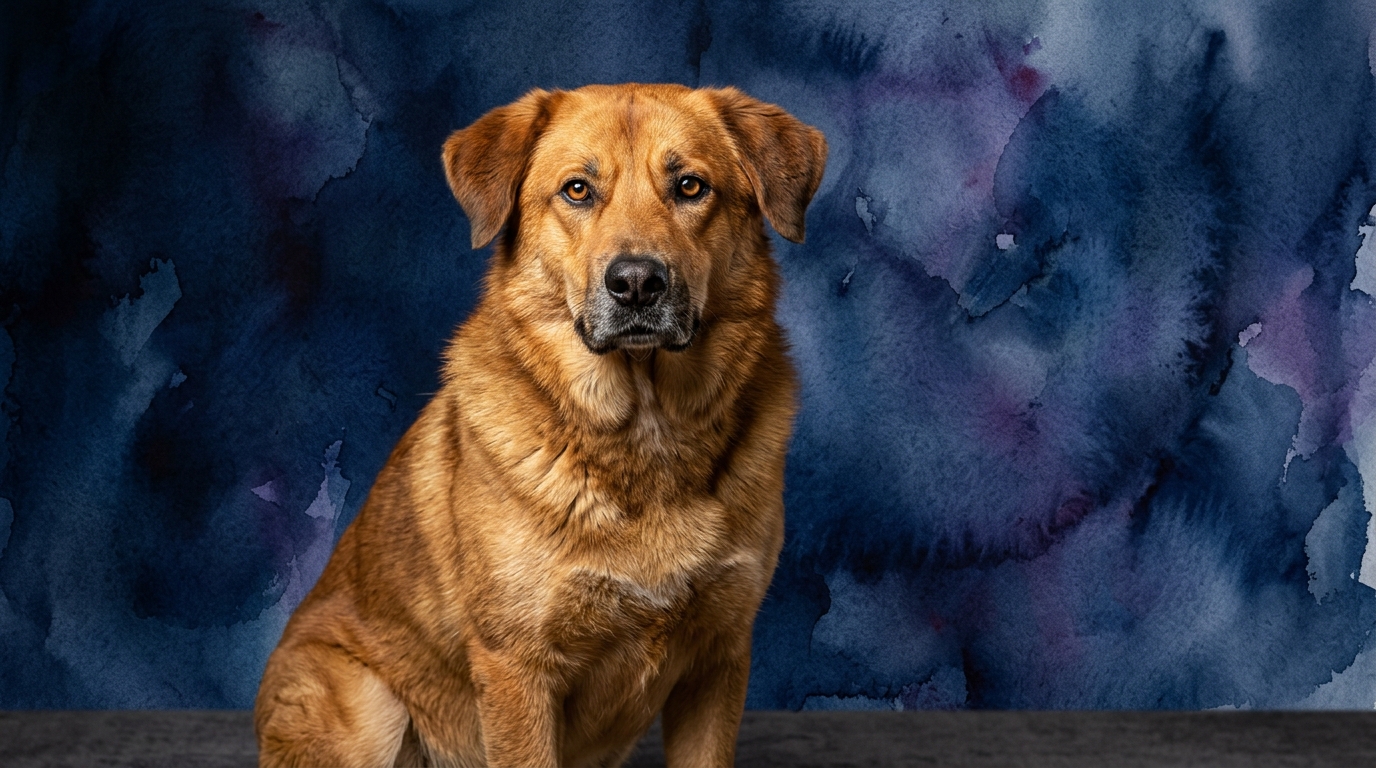
The Chinook, a working breed, typically approaches Problem Solving (3/5) with a methodical, cooperative mindset. Their solutions often involve navigating complex environments, understanding multi-step tasks to assist human partners, or achieving a shared goal, like maneuvering sleds or finding lost items, excelling when given a clear purpose. Their Training Speed (3/5) is generally steady; they learn new commands and routines effectively, responding well to consistent, positive reinforcement and showing strong retention as they build upon learned behaviors reliably. In Social Intelligence (3/5), Chinooks form deep bonds with their families, displaying a good capacity for reading human emotions and intentions, often exhibiting a calm presence and responding appropriately to social cues within their pack, being reserved yet polite with strangers. Their Instinctive Drive (3/5) leans towards companionship, physical activity, and purposeful work, manifesting as a desire to be part of family activities, an urge to pull or hike, and a readiness for tasks requiring endurance, often channeled towards cooperative endeavors. Chinooks possess a solid Memory (3/5) for established routines, learned commands, and familiar people and places, making them consistent companions able to recall complex sequences or specific pathways, crucial for a working dog.
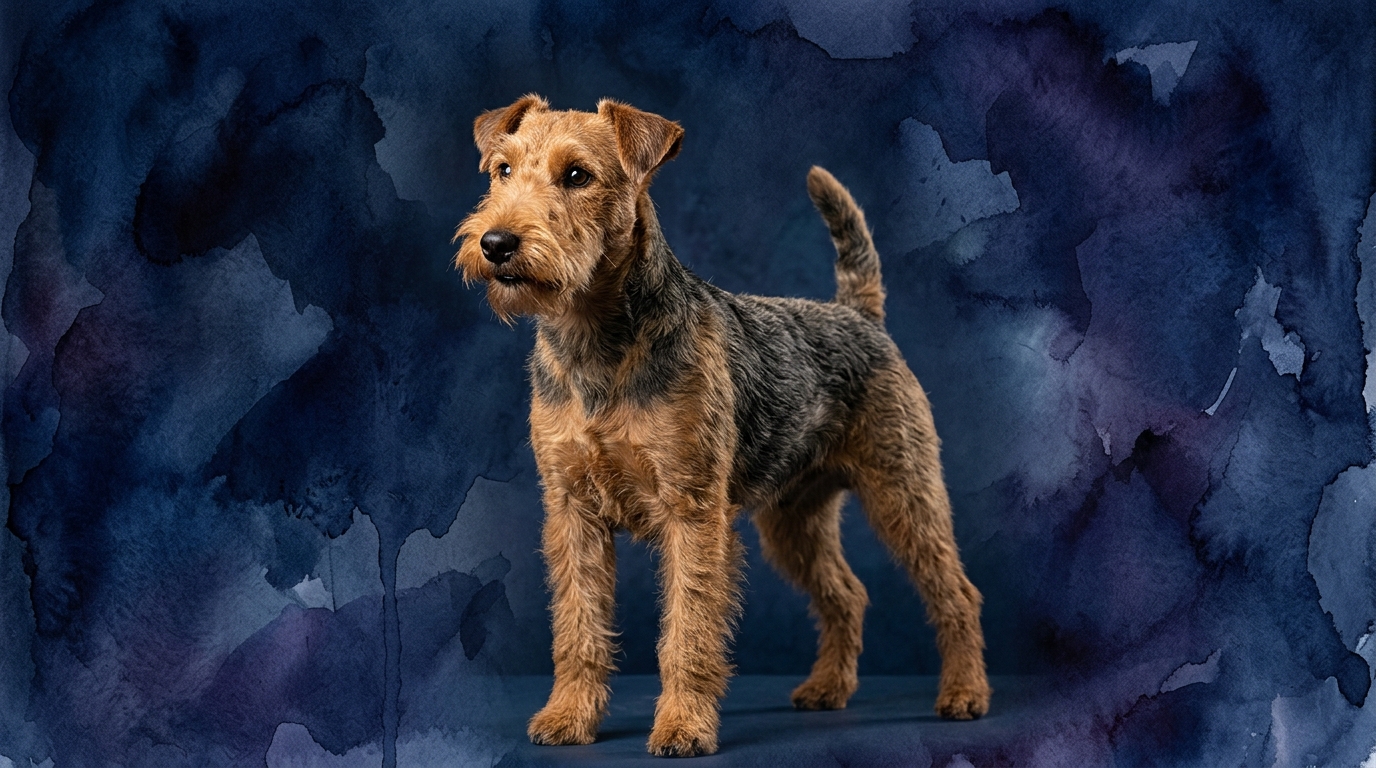
Conversely, the Welsh Terrier's Problem Solving (3/5) skills are characterized by clever independence and tenacity. They excel at figuring out how to get what they want, whether it's outsmarting a barrier to reach a valued toy, navigating obstacles to pursue an interesting scent, or devising creative ways to secure attention, with solutions often being innovative and self-serving. Their Training Speed (3/5) means they can grasp new concepts quickly, but it's heavily influenced by their motivation; they require engaging, varied sessions to prevent boredom, and their independent spirit means compliance might only occur if they see a compelling reason or a sufficiently enticing reward. In Social Intelligence (3/5), while capable of reading human cues, the Welsh Terrier often processes social information through the lens of their own agenda; they can be charming and engaging, using their understanding to elicit desired responses, but also possess a feisty streak, asserting boundaries and challenging authority. Their Instinctive Drive (3/5) is deeply rooted in their terrier heritage: a strong prey drive, a desire to dig, and an independent, exploratory nature, manifesting as an urge to chase small animals, investigate every interesting scent, and assert their will, often requiring consistent management. Welsh Terriers have a good Memory (3/5), particularly for experiences that were either highly rewarding or frustrating, remembering specific locations of exciting events or people who offered good treats, as well as instances of perceived unfair treatment, contributing to their consistent personality traits.
Where Chinook Wins Cognitively
The Chinook's cognitive strengths truly shine in scenarios demanding consistent cooperation and methodical execution. Their problem-solving, while rated similarly, often involves anticipating human needs and working in tandem to achieve a goal, rather than independent ventures. This breed demonstrates a nuanced understanding of partnership, making them exceptionally reliable in structured environments or multi-step tasks where teamwork is paramount. Their social intelligence is geared towards maintaining harmony and understanding subtle human directives, leading to a more predictable and agreeable interaction dynamic compared to the Welsh Terrier's more self-directed social approach.
Where Welsh Terrier Wins Cognitively
Conversely, the Welsh Terrier shows a distinct cognitive edge in situations requiring independent thought, quick adaptation, and persistent, self-motivated action. Their problem-solving isn't about pleasing a handler as much as it is about finding a solution to *their* immediate desire, whether that's accessing a forbidden treat or navigating a tricky escape route. This tenacity, fueled by their instinctive drive, allows them to overcome obstacles with remarkable resourcefulness. While their training speed might seem similar, the Welsh Terrier often learns to *exploit* situations or discover loopholes with a cleverness that highlights their independent cognitive processing, making them surprisingly adaptable in novel or unstructured scenarios.
Which is Easier to Train and Why
When it comes to ease of training, the Chinook generally presents a more straightforward path for most owners. Their strong social intelligence and inherent desire to work cooperatively mean they are often eager to understand and execute commands. They thrive on positive reinforcement and consistent routines, building reliable habits without significant resistance. Their stable temperament allows them to focus on the task at hand, making them responsive to guidance. In contrast, the Welsh Terrier, while capable of learning swiftly, requires a trainer who understands their independent streak and strong instinctive drives. Their terrier nature means they might question the 'why' behind a command or prioritize an enticing scent over a recall. Training a Welsh Terrier often involves more creativity, higher-value rewards, and a patient approach to channel their innate zest for life rather than attempting to suppress it. They are not necessarily harder to train in terms of raw learning capacity, but they demand a more nuanced and engaging approach to maintain their focus and willingness to comply, often requiring the owner to be more engaging than the task itself.
Which Suits Active Owners vs. Relaxed Owners
For owners with an active lifestyle, both breeds offer engagement, but with different nuances. The Chinook, a working breed, thrives on consistent physical activity like long hikes, pulling sports, or structured training sessions that engage both body and mind. They are excellent companions for owners who enjoy outdoor adventures and want a dog to share in family-oriented activities. While they appreciate downtime with their people, their need for purpose means a relaxed owner who offers minimal engagement might find them restless. The Welsh Terrier, despite its smaller stature, possesses a surprisingly high energy level and an insatiable curiosity. They are best suited for owners who can provide not just physical exercise, but also structured outlets for their strong instinctive drives, such as earthdog trials, agility, or extensive interactive play that simulates hunting. A relaxed owner might struggle with a Welsh Terrier's tendency to create their own 'fun' through digging, chasing, or vocalizing if not adequately stimulated, leading to potential behavioral challenges. Neither breed is ideal for a truly sedentary lifestyle, but the Chinook is more likely to adapt to a family's pace once daily needs are met, while the Welsh Terrier consistently demands high-engagement activity.
The Verdict
Select the Chinook if you seek a cooperative, loyal companion eager to integrate into family life and participate in structured activities, valuing a steady temperament and a predictable partner for outdoor adventures.
Opt for the Welsh Terrier if you're drawn to a spirited, independent, and tenacious companion who thrives on engaging challenges and a handler who appreciates their clever, self-motivated approach to life.
🧠 Find Your Pet's IQ Score
Our Pet IQ Lab assessment covers 25+ tests across 5 cognitive dimensions — personalized to your breed.
Take the Full IQ Test →Frequently Asked Questions
Do Chinooks and Welsh Terriers excel at different types of learning?
Yes, while both learn well, Chinooks typically excel at cooperative learning and multi-step commands within a team context, valuing consistency and pleasing their owner. Welsh Terriers often shine in problem-solving that benefits their own interests, learning quickly when highly motivated by a reward or an intriguing challenge, and can be quite resourceful in independent tasks.
How do their social interaction styles differ despite similar social intelligence scores?
Chinooks tend to exhibit social intelligence through a desire for harmonious family integration, reading cues for cooperation and comfort, and being reserved yet polite with strangers. Welsh Terriers, while understanding social dynamics, often apply their intelligence to negotiate boundaries, assert their will, and use charm to achieve their goals, sometimes displaying a more independent or feisty social approach.
Which breed is more prone to behavioral issues if not properly stimulated?
Both breeds require mental and physical stimulation, but the Welsh Terrier's strong instinctive drives and independent nature can lead to more pronounced behavioral issues like excessive digging, chasing, or vocalization if bored or under-exercised. Chinooks, while needing activity, might become restless or withdrawn rather than destructive if under-stimulated, often seeking more direct human interaction.