Side-by-Side IQ Profile: A Deeper Look
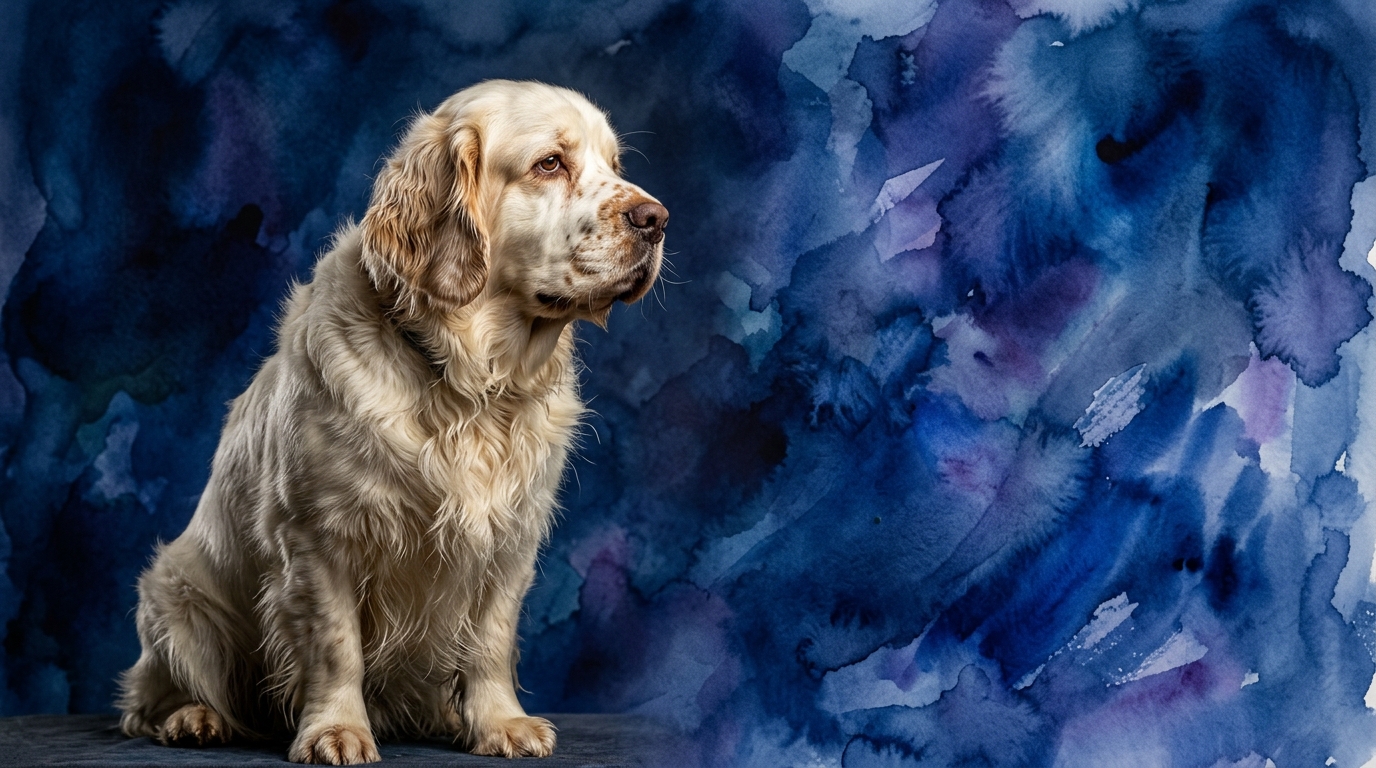
Despite sharing the same scores, understanding the nuances of how each breed expresses its moderate cognitive abilities is key. For the Clumber Spaniel, a Sporting Group member, their Problem Solving score of 3/5 often translates into a methodical, scent-driven approach to challenges, preferring systematic exploration over rapid trial-and-error. Their Training Speed, also 3/5, indicates they respond well to consistent, positive reinforcement, retaining commands effectively once learned, though they may not be the quickest to pick up entirely novel concepts. Social Intelligence at 3/5 means they are moderately adept at reading human cues and engaging appropriately, often reserved with strangers but deeply bonded with their family. The Clumber's Instinctive Drive of 3/5 is typically focused on scent work and retrieving, a manageable drive for most owners, while their Memory, also 3/5, allows them to recall routines and learned behaviors reliably.
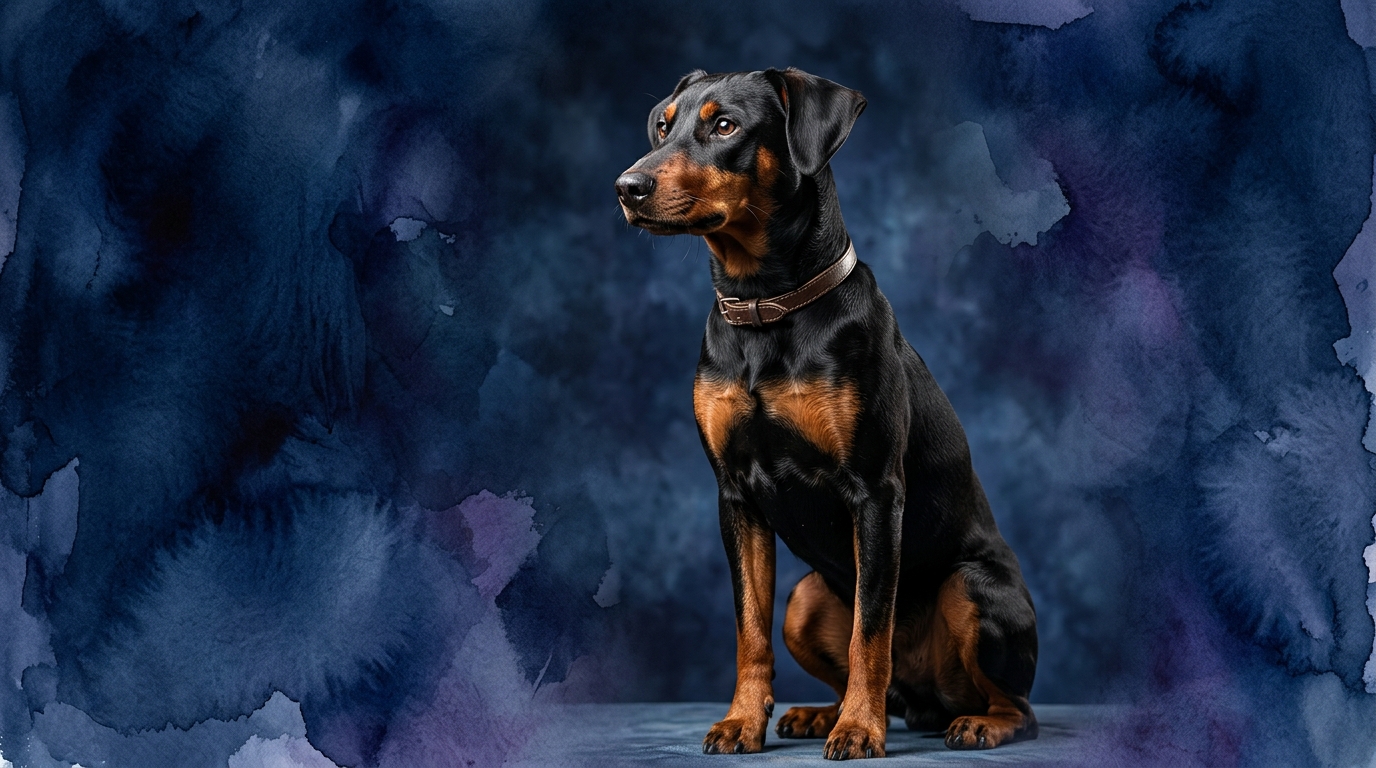
The German Pinscher, hailing from the Working Group, interprets its identical scores through a different lens. Their Problem Solving at 3/5 is often characterized by a quick, assertive assessment of situations, frequently leading to practical solutions driven by their purpose-oriented nature, such as figuring out how to open a gate or outsmart a small pest. Their Training Speed of 3/5 means they are capable learners, absorbing commands efficiently, but their independent streak and working drive necessitate a confident and consistent handler. Social Intelligence at 3/5 for the Pinscher manifests as a discerning awareness of their environment and family dynamics, often leading to a protective demeanor towards their loved ones and a wary approach to strangers. Their Instinctive Drive, also 3/5, is rooted in vigilance, guarding, and ratting, providing them with a purposeful energy that requires constructive outlets. Finally, their Memory at 3/5 ensures they retain training, experiences, and expectations with good recall, especially those pertinent to their protective or working roles.
Where the Clumber Spaniel Shines Cognitively
While both breeds achieve identical scores, the Clumber Spaniel's cognitive strengths often present themselves in a more deliberate and cooperative manner, particularly in tasks requiring sustained focus and sensory input. Their problem-solving at a 3/5 level frequently involves a methodical, nose-to-the-ground approach, making them particularly adept at intricate scent work or tracking games where patience and persistence are key. Unlike breeds that might quickly try several abstract solutions, a Clumber will systematically work through a scent trail, demonstrating a focused application of their moderate problem-solving capacity. Furthermore, their 3/5 social intelligence often translates into a more uniformly amiable disposition, especially within a family unit. They tend to integrate smoothly into household routines, displaying a moderate understanding of family dynamics without the assertive testing of boundaries that can be present in some working breeds. This can make their social interactions feel less demanding, as their understanding of human cues leans towards cooperation rather than challenge. Their instinctive drive, rated at 3/5, is typically centered around flushing and retrieving, a drive that is generally perceived as less intense and more easily directed into constructive play or structured activities than the protective instincts of some other breeds. For owners seeking a companion whose cognitive engagement is characterized by calm persistence and a gentle social demeanor, the Clumber Spaniel's specific manifestation of its 3/5 scores offers distinct advantages.
Where the German Pinscher Excels Cognitively
The German Pinscher, with its identical 3/5 scores, demonstrates its cognitive strengths through a different lens: one of alertness, resourcefulness, and a proactive engagement with its environment. Their problem-solving at a 3/5 level often manifests as a keen ability to assess novel situations rapidly and devise practical, often assertive, solutions. For instance, a Pinscher might quickly figure out how to bypass an obstacle to reach a perceived 'intruder' or a desired object, demonstrating a more decisive and less ponderous approach than the Clumber. This proactive problem-solving makes them excellent at navigating complex environments or even outsmarting small pests, a testament to their historical roles. Their social intelligence, also 3/5, is characterized by a discerning nature and a strong awareness of their immediate surroundings, particularly concerning their family and territory. They often exhibit a clear understanding of who belongs and who doesn't, translating into a moderate protective instinct that can be a valuable asset for a vigilant companion. While they bond deeply with their family, their social interactions can involve a more direct communication style, reflecting their desire for clear leadership and boundaries. The Pinscher's 3/5 instinctive drive is rooted in its heritage as a working dog—ratting, guarding, and general vigilance. This drive provides them with a purposeful energy and a readiness to act, making them highly engaged in activities that tap into these natural inclinations. For owners who appreciate a dog with a quick wit, a discerning social awareness, and a proactive approach to its surroundings, the German Pinscher's specific cognitive leanings, despite matching scores, present a unique set of advantages.
Training Dynamics: Which is Easier to Guide?
While both breeds share a 3/5 rating for training speed, the practical experience of training them diverges significantly due to their inherent temperaments and motivations. The Clumber Spaniel, despite its moderate training speed, generally presents as easier to train for the novice owner or those preferring a more laid-back approach. Their cooperative nature, coupled with a moderate desire to please, means they respond well to positive reinforcement and consistent, gentle guidance. They are less likely to challenge authority or display strong independent streaks during training sessions. However, their methodical pace means they may not grasp complex sequences instantly and might require more repetitions or slower progression through new commands. Their challenge lies in maintaining engagement and preventing boredom, as their moderate instinctive drive might not always translate into intense enthusiasm for repetitive drills.
In contrast, the German Pinscher, also rated 3/5 for training speed, can learn commands very quickly. Their cognitive ability to process information and make associations is robust. However, their working dog heritage imbues them with a strong will and an independent spirit. This means while they are capable learners, they might not always be *willing* learners without a confident, consistent leader. They require a handler who can establish clear boundaries and provide engaging, varied training sessions to prevent boredom and harness their inherent drive. A German Pinscher will test limits and can be assertive if not given proper direction, meaning their 'easier to train' aspect comes with the caveat of needing a more experienced or dedicated trainer who understands their need for mental stimulation and firm, fair leadership. Therefore, for sheer manageability and less potential for head-butting, the Clumber Spaniel often proves to be the easier dog to guide through training, provided the owner is patient.
Matching Breeds to Lifestyles: Active vs. Relaxed Owners
The divergence in suitability for active versus relaxed owners is starker than their identical cognitive scores might suggest. The Clumber Spaniel, despite its sporting background, generally aligns well with more relaxed or moderately active lifestyles. Their 3/5 instinctive drive, while present, translates into a desire for regular, moderate exercise—think leisurely walks, engaging in scent games in the yard, or a gentle session of retrieving. They are not dogs that demand constant, high-intensity activity. Once their moderate exercise needs are met, they are content to be calm companions indoors, often enjoying quiet companionship and napping. Their problem-solving and social intelligence, while capable, don't typically manifest as a need for constant mental challenges or assertive social engagement, making them a good fit for owners who appreciate a steady, amiable presence.
The German Pinscher, on the other hand, is unequivocally a match for active owners. Their 3/5 instinctive drive, combined with their proactive problem-solving and discerning social intelligence, means they require significant mental and physical engagement daily. They thrive on structured activities like agility, obedience, or protection sports, and need vigorous exercise beyond simple walks. Their cognitive abilities are best utilized when given 'a job to do,' whether it's guarding the home, participating in dog sports, or engaging in complex training. An owner who cannot provide consistent mental stimulation and physical outlets for their energy and drives will likely find a German Pinscher challenging, as their intelligence, when undirected, can lead to undesirable behaviors. Thus, the Clumber is ideal for those seeking a tranquil, affectionate companion with moderate activity needs, while the German Pinscher is best suited for dynamic individuals or families ready to commit to an engaging, high-energy partnership.
The Verdict
Choose the Clumber Spaniel if you desire a calm, affectionate companion who thrives on gentle guidance, enjoys methodical scent work, and integrates smoothly into a moderately active or relaxed household. They are ideal for owners seeking a cooperative partner whose cognitive strengths are expressed through patient persistence rather than assertive drive.
Opt for the German Pinscher if you are an experienced, active owner seeking a vigilant, resourceful, and energetic partner who excels with consistent training, thrives on mental challenges, and requires ample physical outlets for their purposeful drives. They are best for those who appreciate a dog with a quick wit and a discerning, protective nature.
🧠 Find Your Pet's IQ Score
Our Pet IQ Lab assessment covers 25+ tests across 5 cognitive dimensions — personalized to your breed.
Take the Full IQ Test →Frequently Asked Questions
Are Clumber Spaniels prone to stubbornness?
Clumber Spaniels can exhibit a moderate level of stubbornness, which stems more from their methodical pace and independent thinking than outright defiance. They may take their time processing commands or deciding to comply, requiring patient and consistent positive reinforcement from their owners.
How do German Pinschers typically interact with strangers?
German Pinschers generally display a reserved and discerning attitude towards strangers, a manifestation of their 3/5 social intelligence and protective instincts. They are not typically overtly aggressive but will observe new people carefully, accepting them once they perceive no threat to their family or territory.
Do both breeds require a lot of grooming?
The Clumber Spaniel requires significant regular grooming due to its dense, long coat, needing frequent brushing to prevent mats and tangles. The German Pinscher, with its short, smooth coat, has much lower grooming needs, typically only requiring occasional brushing to maintain coat health.