
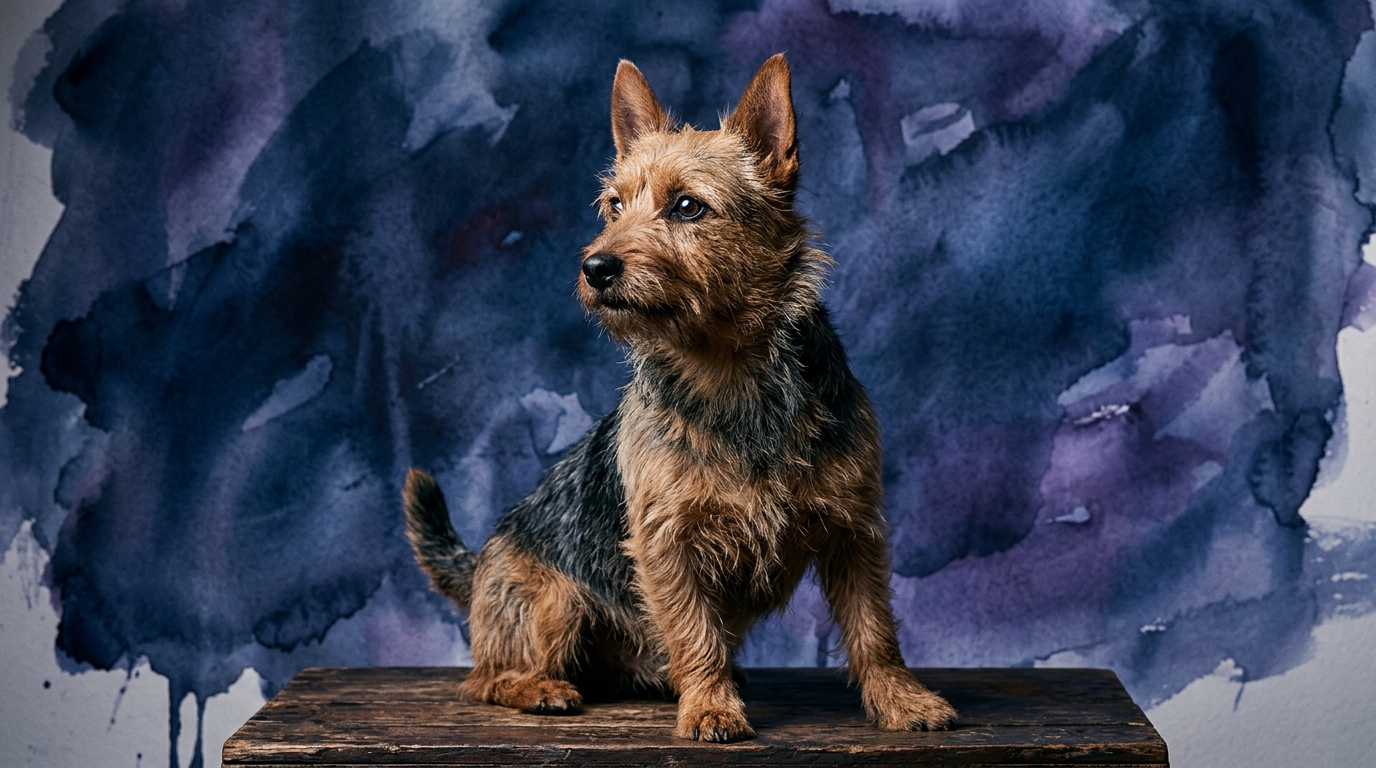
The Cosmic Pet Pet IQ Lab Profiles: Cocker Spaniel vs. Australian Terrier
The Cocker Spaniel (Sporting, Coren Rank #20) showcases a cognitive profile optimized for partnership. Its Problem Solving at 3/5 suggests a practical intelligence, adept at navigating everyday challenges. Where it truly shines is in Training Speed (4/5) and Social Intelligence (5/5), indicating an eagerness to learn from and connect with humans. An Instinctive Drive of 4/5 points to its strong working ethic, particularly in retrieving and flushing, while its Memory at 4/5 supports retaining learned commands and experiences, making it a highly receptive and cooperative companion.
The Australian Terrier (Terrier, Not Coren-ranked) presents a robust terrier mindset. Its Problem Solving, also 3/5, reflects a capacity to figure things out, often independently. However, its Training Speed (3/5), Social Intelligence (3/5), Instinctive Drive (3/5), and Memory (3/5) scores are consistently moderate. This profile suggests a self-reliant canine, less driven by human approval and more by its inherent terrier instincts, requiring a different approach to engagement and training due to its independent and persistent nature.
Cocker Spaniel's Cognitive Edge
The Cocker Spaniel distinctly outscores the Australian Terrier in several cognitive domains, primarily driven by its sporting heritage and cooperative breeding. Its Social Intelligence, rated 5/5, is a significant advantage, manifesting as a profound desire for human connection and cooperation. This makes them highly attuned to human cues, emotions, and intentions, fostering strong bonds and making them responsive companions. Their Training Speed of 4/5 means they grasp new commands and routines with relative swiftness, often displaying an eagerness to please that streamlines the learning process.
Furthermore, a Memory score of 4/5 ensures that once a lesson is learned, it tends to stick, contributing to their reputation as reliable, well-mannered household members. This combination of social acuity, rapid learning, and solid recall makes the Cocker Spaniel particularly adept at complex obedience, trick training, and even canine sports where handler-dog communication is paramount. Their Instinctive Drive of 4/5, geared towards retrieving and working alongside a handler, further supports their cooperative nature, channeling their energy into productive tasks rather than independent pursuits.
Australian Terrier's Distinct Cognitive Strengths
While the Australian Terrier's scores are consistently at 3/5, these numbers reflect a cognitive profile honed for self-sufficiency and tenacious problem-solving in specific contexts, rather than a deficit. Its Problem Solving at 3/5, equal to the Cocker, suggests an ability to independently assess situations and devise solutions, a critical trait for a vermin hunter. This isn't about solving abstract puzzles but rather navigating environmental challenges or outsmarting prey with cunning and persistence.
The Instinctive Drive of 3/5, while not as high as the Cocker's cooperative drive, is intensely focused on its original purpose: tracking and dispatching small animals. This translates into a dog with remarkable determination and focus when stimulated by scent or movement, capable of working independently for extended periods. Its moderate Social Intelligence (3/5) means it's not as reliant on constant human interaction for validation or direction, which can be a strength for owners seeking a more self-contained companion who still appreciates affection on its own terms. This independence, coupled with its resilience, allows the Australian Terrier to thrive in environments where it can exercise its inherent drive to explore and investigate.
Training Dynamics: A Tale of Two Temperaments
Training experiences diverge notably between these two breeds, primarily due to their differing scores in Training Speed and Social Intelligence. The Cocker Spaniel, with its 4/5 Training Speed and exceptional 5/5 Social Intelligence, typically approaches training with an enthusiastic, cooperative spirit. Its strong desire to please and deep connection with its human partner makes it highly receptive to positive reinforcement, often picking up new commands quickly and performing them reliably. This breed thrives on interaction and positive feedback, viewing training as a shared activity that strengthens its bond with its owner.
Conversely, the Australian Terrier, with a 3/5 in both Training Speed and Social Intelligence, requires a more patient and nuanced approach. While capable of learning, its independent nature means it may not always see the immediate "point" of a command if it doesn't align with its own instincts or desires. This breed can exhibit a selective hearing, particularly if a more enticing scent or visual stimulus captures its attention. Training an Australian Terrier often involves making lessons highly engaging, consistent, and short, leveraging its natural curiosity and drive rather than relying solely on its desire to please. Owners must establish clear boundaries and demonstrate confident leadership to guide this spirited terrier.
Matching Minds to Lifestyles: Active vs. Relaxed Owners
The cognitive and inherent drive differences between these breeds suggest they fit different owner lifestyles. The Cocker Spaniel, with its high Social Intelligence and cooperative Instinctive Drive, thrives with active owners who enjoy consistent interaction and shared activities. Its 4/5 Memory and 4/5 Training Speed mean it benefits from ongoing mental stimulation through obedience, trick training, or dog sports like agility or rally. This breed is generally content with regular walks, playtime, and a prominent role in family life, seeking companionship and engagement rather than solitary adventures. A relaxed owner who still commits to daily interaction and moderate exercise can find a devoted partner in a Cocker, provided their social needs are met.
The Australian Terrier, while possessing an Instinctive Drive of 3/5, channels this energy into more independent pursuits. Its moderate Social Intelligence means it may not demand constant human attention but still requires mental and physical outlets for its terrier instincts. Active owners who appreciate a dog with a robust personality, enjoy structured training that taps into its hunting drive (like earthdog trials or scent work), and can provide secure spaces for exploration will find the Aussie rewarding. While not necessarily requiring constant high-impact exercise, they need mental challenges and opportunities to "work," which can mean digging, chasing, or investigating. A more relaxed owner might find the Aussie's independent streak and potential for mischievous self-entertainment challenging if not properly managed with engaging activities.
The Verdict
Choose a Cocker Spaniel if you desire a highly cooperative, socially engaged companion eager to learn and participate in family life, thriving on partnership and consistent interaction.
Opt for an Australian Terrier if you value an independent, tenacious companion with a spirited personality, capable of self-sufficiency and driven by instinctive curiosity, suited for owners who appreciate a dog with a distinct "terrier-tude."
🧠 Find Your Pet's IQ Score
Our Pet IQ Lab assessment covers 25+ tests across 5 cognitive dimensions — personalized to your breed.
Take the Full IQ Test →Frequently Asked Questions
Are Cocker Spaniels generally easy to live with in a family setting?
Yes, Cocker Spaniels, with their high Social Intelligence (5/5) and cooperative nature, typically integrate well into family life. They thrive on companionship and enjoy being involved in daily activities, making them affectionate and adaptable household members.
How much mental stimulation does an Australian Terrier require to stay content?
Australian Terriers, despite moderate scores, possess a strong instinctive drive (3/5) for their terrier work, meaning they require regular mental challenges. Engaging them with puzzle toys, scent games, or structured training sessions that tap into their independent problem-solving can keep them content and prevent boredom-driven behaviors.
Which breed is more prone to separation anxiety?
Given its exceptional Social Intelligence (5/5), the Cocker Spaniel is generally more prone to developing separation anxiety if left alone for extended periods without adequate preparation or companionship. The Australian Terrier, with its more moderate Social Intelligence (3/5) and independent streak, tends to be more self-sufficient, though still benefits from companionship.