
Side-by-Side IQ Profile: A Tale of Two Cognitive Styles
At The Cosmic Pet Pet IQ Lab, we delve into the specific cognitive dimensions that define each breed. For the Cocker Spaniel, a member of the Sporting Group and ranked #20 by Coren for obedience and working intelligence, its profile reflects a responsive and socially oriented companion.
The Cocker Spaniel demonstrates a moderate capacity for Problem Solving (3/5), capable of navigating novel situations with some guidance. Their Training Speed is notably quick (4/5), as they tend to absorb new commands and routines with relative ease. Where they truly shine is in Social Intelligence (5/5), exhibiting an exceptional ability to interpret human cues, body language, and emotional states, fostering deep connections. Their Instinctive Drive (4/5) is strong, rooted in their flushing and retrieving heritage, and their Memory (4/5) is good, ensuring learned behaviors are retained effectively.
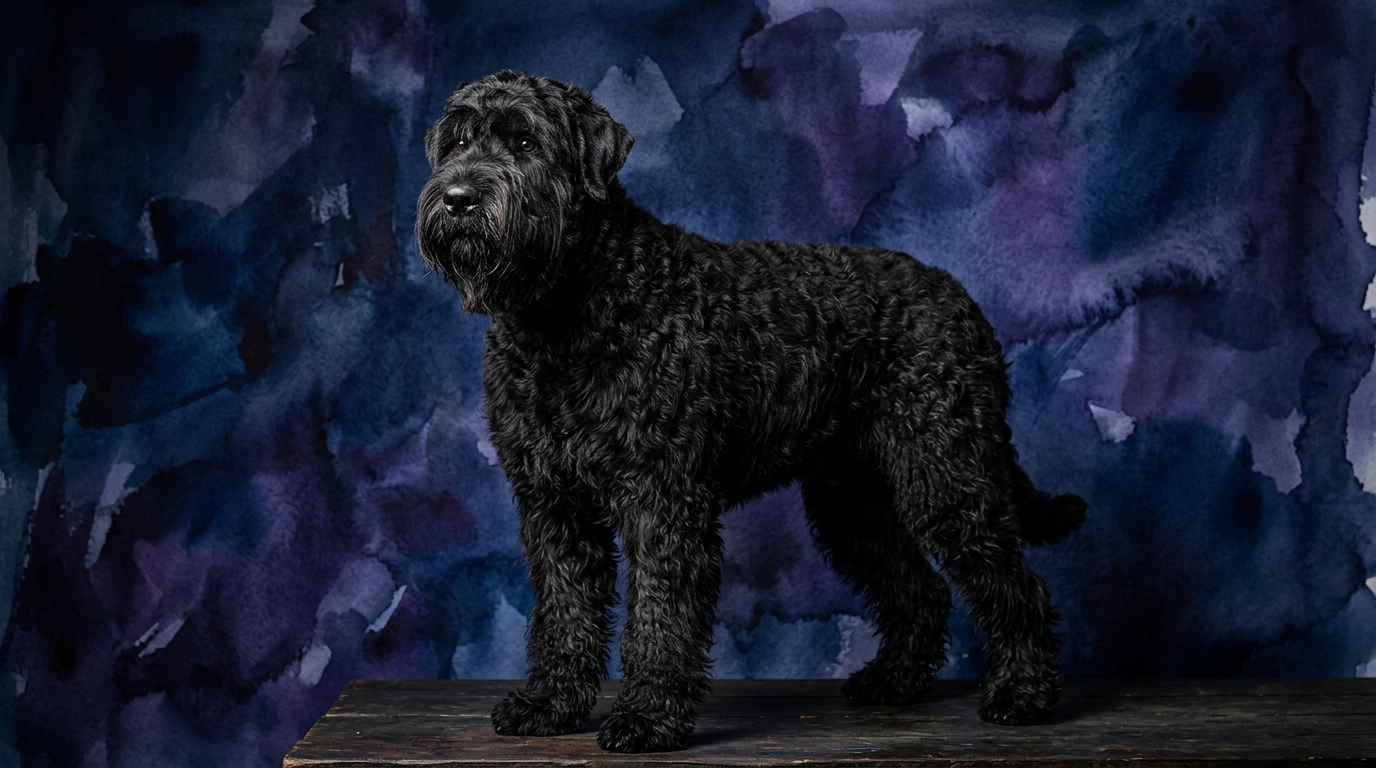
In contrast, the Black Russian Terrier, a powerful member of the Working Group and not Coren-ranked, presents a profile geared towards protection and steadfastness. Their Problem Solving ability is moderate (3/5), similar to the Cocker Spaniel, indicating a capacity to learn but perhaps not an inclination for complex independent strategizing. Their Training Speed is average (3/5), requiring consistent repetition and patience to master new skills. The Black Russian Terrier's Social Intelligence is also average (3/5); they form strong bonds with their family but are typically reserved and less overtly expressive with strangers. Their Instinctive Drive (3/5) is geared more towards guarding and territoriality than retrieving, and their Memory (3/5) is average, meaning occasional refreshers for learned behaviors are beneficial.
Where the Cocker Spaniel Wins Cognitively
The Cocker Spaniel's distinct advantage lies in its exceptional social intelligence and quicker training speed. Their perfect 5/5 social intelligence rating means they are profoundly attuned to human emotions and intentions, making them remarkably empathetic and responsive companions. This cognitive strength translates into a dog that often anticipates needs, responds readily to subtle cues, and thrives on interactive engagement. Coupled with a 4/5 training speed, they absorb new commands and routines with impressive efficiency, often requiring fewer repetitions to solidify a behavior. This combination makes them highly adaptable to various training disciplines, from obedience to agility, where a keen understanding of the handler's directions is paramount. Their strong memory (4/5) further reinforces this, ensuring that once a behavior is established, it is reliably retained, making them consistent performers in structured environments.
Where the Black Russian Terrier Wins Cognitively
While the Black Russian Terrier's individual cognitive scores might appear lower than the Cocker Spaniel's in certain dimensions, their strengths are tailored for different purposes, particularly in their specific interpretation of 'problem-solving' within a protective context. Both breeds score 3/5 in problem-solving, but for the BRT, this often manifests as a deliberate, thoughtful approach to assessing situations, especially concerning perceived threats or boundaries. Their moderate instinctive drive (3/5), though lower numerically, is specifically channeled towards guarding and discerning friend from foe, requiring a level of judgment that is cognitively demanding. They excel in situations demanding steadfastness and a measured response, rather than quick, impulsive actions. This breed's cognitive profile emphasizes resilience and a serious, focused temperament, making them adept at tasks requiring independent assessment and a strong sense of duty within their family unit, even if their learning speed is average.
Which is Easier to Train and Why
The Cocker Spaniel generally presents as the easier breed to train, primarily due to its faster training speed (4/5) and unparalleled social intelligence (5/5). Their eagerness to please, combined with their ability to keenly interpret human cues and desires, makes them highly receptive to instruction. They pick up new commands with fewer repetitions and often display an intrinsic motivation to comply, viewing training as a collaborative activity. A Cocker Spaniel's strong memory (4/5) also ensures that learned behaviors are retained effectively, reducing the need for constant re-teaching. For example, teaching a 'stay' command might require only a few sessions for a Cocker Spaniel to generalize the behavior across different environments.
In contrast, the Black Russian Terrier's average training speed (3/5) means they require more patience and consistent repetition to grasp new concepts. Their average social intelligence (3/5) suggests they might not be as finely attuned to subtle human intentions, sometimes necessitating clearer, more direct communication during training sessions. While capable of learning complex tasks, their independent nature and guarding instincts mean trainers must establish a strong, respectful bond and clear leadership to achieve optimal results. For instance, a BRT might challenge a command or require more proofing in distracting environments, reflecting their thoughtful and sometimes stubborn approach to learning.
Suits Active Owners vs. Relaxed Owners
The choice between these two breeds often hinges on an owner's lifestyle and their capacity for consistent engagement. The Cocker Spaniel, with its strong instinctive drive (4/5) for activity and excellent social intelligence (5/5), thrives with active owners who can provide consistent mental and physical stimulation. They excel in activities like retrieving, agility, or competitive obedience, and their need for companionship means they do best when integrated closely into family life. Their cognitive profile suits owners who enjoy interactive training sessions and value a dog that is highly responsive and emotionally connected, often seeking out interaction and play.
Conversely, the Black Russian Terrier, while requiring regular exercise to maintain its robust physique, is generally better suited for owners who appreciate a more reserved and independent companion. Their moderate instinctive drive (3/5) and social intelligence (3/5) mean they are less likely to demand constant attention or engage in incessant play. They thrive with owners who can provide clear structure, consistent leadership, and appreciate a dog that is a watchful protector, rather than an effusive greeter. While not a 'relaxed' dog in terms of physical needs—they require rigorous daily exercise—their cognitive style lends itself to a more deliberate, less overtly demanding companionship, appealing to owners who prefer a dog with a thoughtful, serious presence rather than constant effervescence.
The Verdict
Choose a Cocker Spaniel if you seek a highly responsive, emotionally attuned companion eager to engage in interactive training and family activities. Their quick learning and exceptional social understanding make them ideal for owners who desire a dog that is a true partner in both sport and daily life.
Opt for a Black Russian Terrier if you are an experienced owner seeking a steadfast, protective companion who thrives on clear structure and consistent leadership. This breed suits those who appreciate a more reserved demeanor and are prepared for the commitment required to manage a powerful dog with guarding instincts.
🧠 Find Your Pet's IQ Score
Our Pet IQ Lab assessment covers 25+ tests across 5 cognitive dimensions — personalized to your breed.
Take the Full IQ Test →Frequently Asked Questions
Are Cocker Spaniels good for first-time dog owners?
Yes, Cocker Spaniels can be suitable for first-time owners due to their high social intelligence and quick training speed, making them responsive and adaptable. However, their significant grooming needs and moderate exercise requirements should be carefully considered.
Do Black Russian Terriers require a lot of exercise?
Black Russian Terriers require consistent, moderate to vigorous exercise to maintain their physical condition and mental well-being. Daily walks, playtime, and opportunities for purposeful activity, such as protection work or advanced obedience, are essential for this large working breed.
How do their grooming needs compare?
Both breeds have significant grooming requirements. Cocker Spaniels need regular brushing and professional grooming every 6-8 weeks to prevent matting of their silky coats, while Black Russian Terriers require consistent brushing several times a week and stripping or clipping every 4-6 weeks to manage their dense, coarse double coat.