Side-by-Side Cognitive Profiles
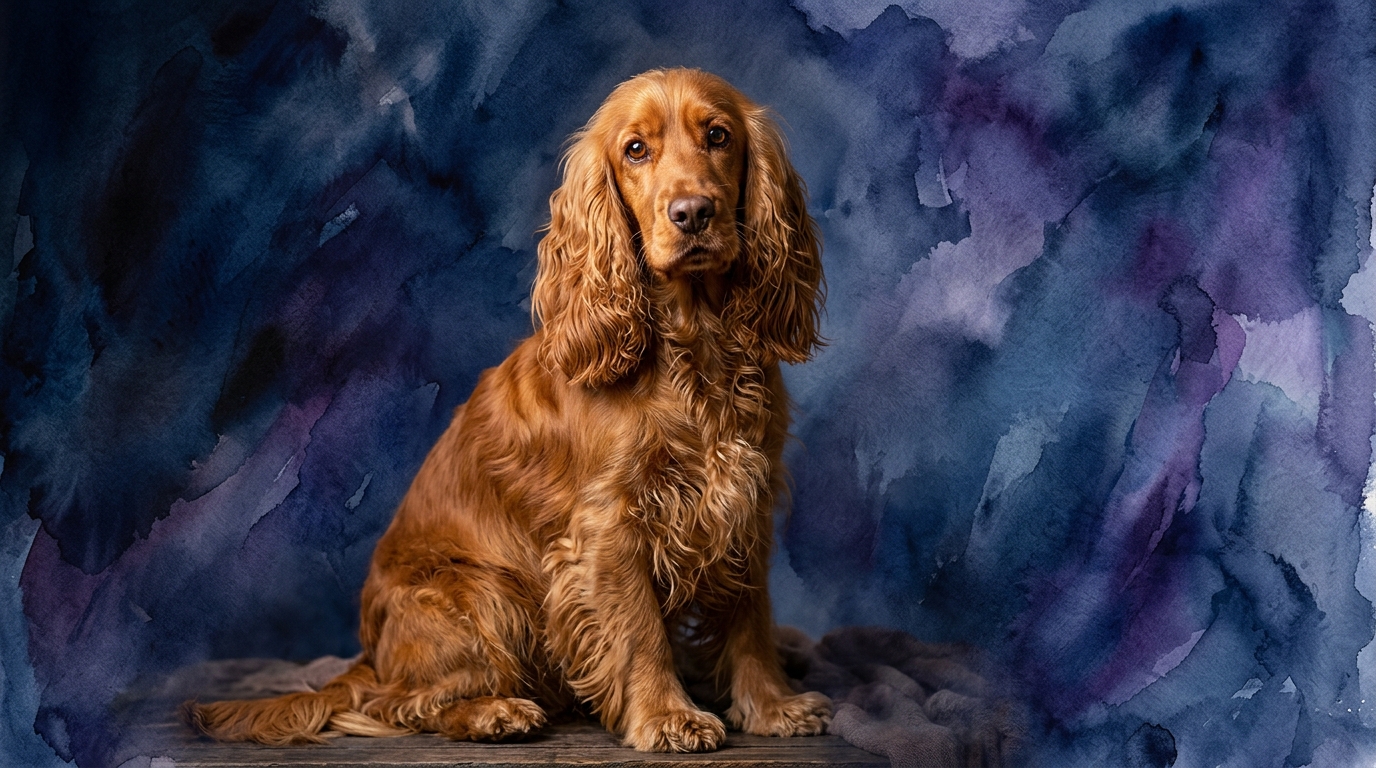
The Cocker Spaniel, a beloved member of the Sporting Group, brings a lively and adaptable intellect to the fore. Their problem-solving capacity sits at 3/5, indicating an aptitude for practical, direct solutions often related to their gundog heritage, such as navigating varied terrains to flush game. Training speed is a notable strength at 4/5, reflecting their enthusiasm and responsiveness to human guidance. Social intelligence truly shines at 5/5, showcasing an exceptional ability to read human emotions and thrive on companionship. Their instinctive drive, rated 4/5, fuels a strong desire to work and engage, particularly in retrieving and scent activities. Finally, a memory score of 4/5 supports their capacity to retain complex routines and learned behaviors.
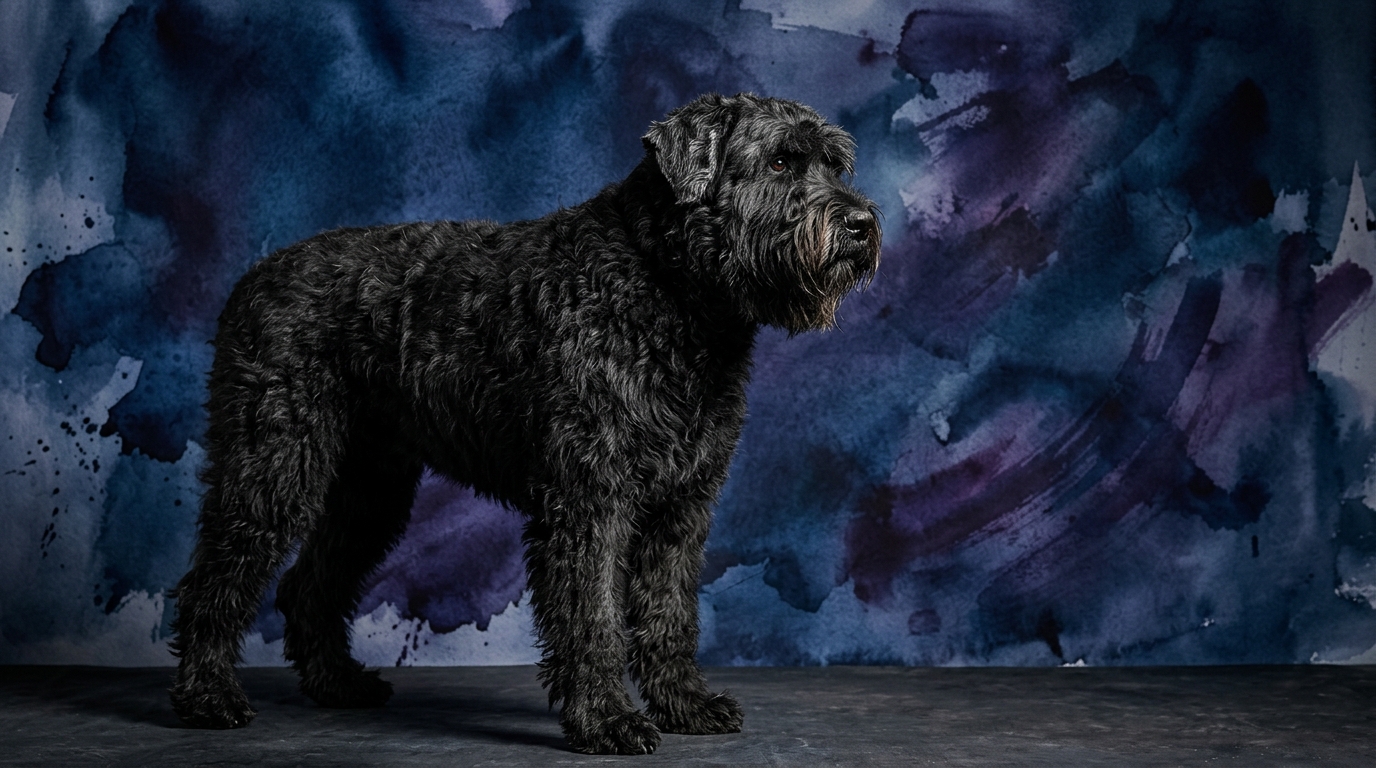
In contrast, the Bouvier des Flandres, a robust Herding Group member, offers a more independent and resolute cognitive makeup. Their problem-solving ability, also 3/5, is geared towards practical, real-world challenges encountered in herding and guarding livestock, often requiring autonomous decision-making. Training speed is rated 3/5, suggesting they can learn but often require more repetition and a firm, consistent approach due to their independent nature. Social intelligence stands at 3/5; while deeply loyal to their family, they tend to be reserved with strangers, evaluating situations rather than seeking universal affection. Instinctive drive, also 3/5, manifests as a strong protective and herding impulse, characterized by vigilance and a sense of responsibility rather than constant energetic output. Their memory, at 3/5, supports retention of critical commands and routines, though perhaps not with the same immediate recall as a Cocker.
Where the Cocker Spaniel Cognitively Excels
The Cocker Spaniel distinctly outshines the Bouvier in several key cognitive dimensions. Their superior social intelligence, rated 5/5 compared to the Bouvier's 3/5, means they possess an unparalleled ability to connect deeply with humans. This profound empathy allows them to understand subtle cues, adapt seamlessly to family dynamics, and makes them exceptional therapy animals or companions who are highly attuned to their owner's emotional state. This social acuity translates into a dog that genuinely thrives on interaction and partnership.
Furthermore, the Cocker's 4/5 training speed, relative to the Bouvier's 3/5, marks them as significantly easier to teach. Their eagerness to please and quicker grasp of new commands makes the initial training phases smoother and more rewarding for both parties. This responsiveness means fewer repetitions are needed, and they often approach learning with enthusiastic engagement. Their 4/5 memory also contributes to this advantage, ensuring that lessons learned are retained effectively over time, allowing for the mastery of more complex sequences and tasks.
Their instinctive drive, rated 4/5, while a strong working drive, is often channeled into joyful engagement with tasks. This makes them highly versatile in dog sports like agility, obedience, and scent work, where sustained, happy effort and quick transitions are valued. This contrasts with the Bouvier's more deliberate and protective drive, which is less about continuous active engagement and more about purposeful, watchful work.
How the Bouvier des Flandres' Intellect Shines Uniquely
While the Bouvier des Flandres may not 'win' in a direct numerical comparison across all categories, its cognitive profile is uniquely optimized for its historical role, making it exceptionally adept in specific contexts. Its problem-solving capacity, rated 3/5, is intrinsically linked to independent decision-making in a working environment. This isn't about solving intricate human-designed puzzles, but rather about strategizing how to move a stubborn flock or assess and respond to potential threats without constant human direction. This practical, autonomous problem-solving is a hallmark of its working intelligence.
The Bouvier’s instinctive drive, at 3/5, is characterized by a steady, unwavering protective nature. Unlike the Cocker's more active and continuous drive, the Bouvier's impulse is rooted in vigilance and a strong sense of responsibility for its territory and family. This manifests as a formidable guardian instinct, enabling them to make independent judgments regarding safety and security, a crucial cognitive strength for a working guard dog. Their drive is about purposeful, resolute action when needed, rather than constant, high-energy engagement.
Their social intelligence, rated 3/5, though lower than the Cocker's, allows for a discerning and protective bond with their immediate family. This means they are not universally effusive but possess a keen ability to evaluate strangers and situations with a degree of reserve crucial for a guardian breed. This specific type of social intelligence is about discerning loyalty and potential threats, making them reliable protectors who form deep, albeit less overtly expressive, connections with their inner circle.
Trainability: A Tale of Two Temperaments
When it comes to ease of training, the Cocker Spaniel presents a significantly more straightforward experience. Their 4/5 training speed, coupled with their exceptional 5/5 social intelligence, means they are highly motivated by human interaction, praise, and the desire to please. They readily absorb new commands and routines, often requiring fewer repetitions to achieve mastery. This makes them a joyful and cooperative training partner, eager to engage in learning activities and quick to respond to cues. Their 4/5 memory further solidifies their capacity to retain lessons, making ongoing training and advanced tasks a rewarding endeavor.
Conversely, the Bouvier des Flandres, with its 3/5 training speed and 3/5 social intelligence, typically requires a more patient, consistent, and experienced trainer. Their independent streak, a common trait among herding and guarding breeds, means they may not always accept commands without question or might need to understand the purpose behind an action. Training a Bouvier demands clear, firm, and fair leadership, establishing trust and respect rather than relying solely on eager compliance. Their lower memory score (3/5) implies that consistent reinforcement is vital to solidify learned behaviors, and progress might be slower but ultimately enduring with the right approach. Behavioral differences such as a Bouvier's tendency to guard resources or be aloof with strangers necessitate early and continuous socialization and obedience training to ensure they are well-adjusted and manageable.
Matching Breeds to Lifestyles: Active vs. Relaxed Owners
For owners seeking an active, engaging companion, the Cocker Spaniel is an excellent match. Their 4/5 instinctive drive means they possess a natural zest for activities like retrieving, scent work, and agility, requiring consistent mental and physical stimulation. They thrive when included in family outings, walks, and playful interactions. Owners who enjoy frequent, varied activities and can provide outlets for their gundog instincts will find a highly fulfilled and happy Cocker. Their high social intelligence also means they crave companionship and are not content to be left alone for extended periods; they want to be an integral part of their human's life.
The Bouvier des Flandres, while appearing calm indoors, is best suited for active, experienced owners who can provide purposeful work and structured exercise. Their 3/5 instinctive drive is not about incessant high-energy bursts, but rather a need for consistent, meaningful activity that challenges their problem-solving and protective instincts. Long, brisk walks, hiking, or participation in dog sports like herding, protection work, or carting can satisfy their needs. A truly 'relaxed' owner who cannot provide this level of structured engagement might find the Bouvier's independent nature and strong guarding instincts challenging. While they are not as overtly demanding of constant interaction as a Cocker, they require mental stimulation and a clear routine to prevent boredom and ensure well-adjusted behavior.
The Verdict
Choose the Cocker Spaniel if you desire an eager, highly social, and adaptable companion who thrives on interaction, learns quickly, and excels in family life and companion dog sports.
Opt for the Bouvier des Flandres if you are an experienced owner who appreciates a steadfast, protective, and independent working dog, willing to invest in consistent, purpose-driven training, and can provide outlets for their herding and guarding instincts.
🧠 Find Your Pet's IQ Score
Our Pet IQ Lab assessment covers 25+ tests across 5 cognitive dimensions — personalized to your breed.
Take the Full IQ Test →Frequently Asked Questions
Are Bouvier des Flandres difficult to train?
Bouvier des Flandres can be more challenging to train than some breeds due to their independent nature and 3/5 training speed. They require consistent, firm, and fair leadership, as well as patience, but respond well to positive reinforcement from an experienced owner.
Do Cocker Spaniels need a lot of exercise?
Yes, Cocker Spaniels, with their 4/5 instinctive drive, require a good amount of daily exercise and mental stimulation. They thrive on activities like brisk walks, fetching, scent games, and dog sports to satisfy their gundog instincts and keep them happy and well-behaved.
Which breed is better with children?
The Cocker Spaniel, with its 5/5 social intelligence and eager-to-please nature, is generally considered more naturally adaptable and patient with children, provided they are well-socialized. The Bouvier des Flandres can be good with children in their own family but requires early socialization and supervision due to their protective instincts and reserved nature with strangers.