
Side-by-Side IQ Profile
The Cocker Spaniel, ranked #20 by Coren, showcases a cognitive profile refined by centuries of working alongside humans in the field. Their problem-solving ability, rated 3/5, often manifests as adaptable thinking within a structured environment, readily seeking human guidance to navigate challenges. Their training speed, an impressive 4/5, highlights a profound eagerness to please and a quick grasp of new commands, making them highly receptive to learning complex routines. Their social intelligence stands at a remarkable 5/5, reflecting deep attunement to human emotions and social cues, fostering incredibly strong bonds. Instinctive drive, at 4/5, showcases their inherited passion for flushing game and retrieving, demonstrating persistence and focus in scent-driven tasks. Finally, their memory, also 4/5, allows them to retain a vast repertoire of learned behaviors, associate specific cues with actions, and recall routines with remarkable consistency.
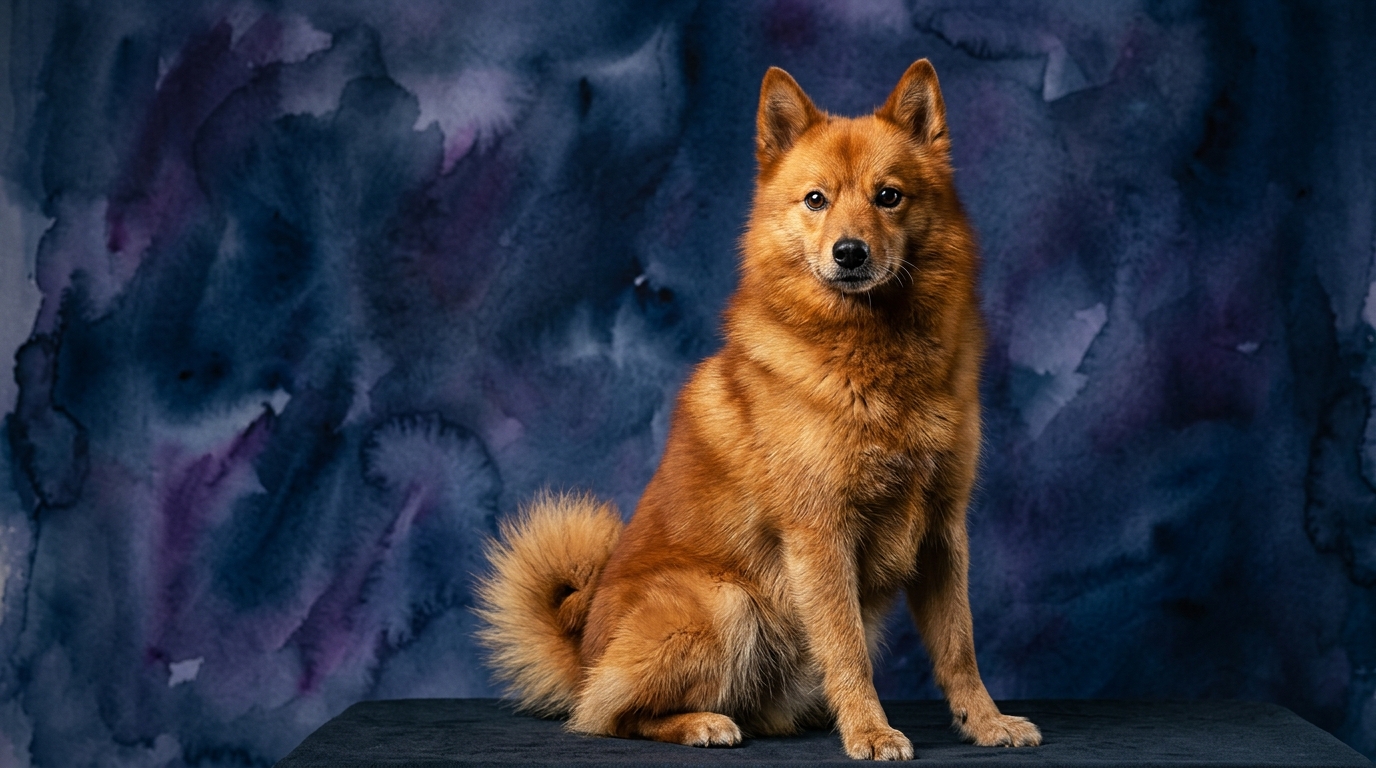
The Finnish Spitz, a breed unranked by Coren but with a unique cognitive makeup, presents a different intellectual landscape, shaped by its role as an independent hunting dog. Their problem-solving capacity, rated 3/5, often leans towards self-reliant solutions within their environment, rather than seeking human guidance for every step. Training speed, at 3/5, indicates they are capable learners but may require more patient, consistent, and motivation-based approaches due to their independent nature. Their social intelligence, a solid 3/5, suggests they form deep bonds with their immediate family but might be more reserved or discerning with strangers, observing interactions rather than actively seeking universal engagement. The instinctive drive, also 3/5, is strongly geared towards their unique vocalizations (yodeling) and a keen awareness of their surroundings, essential for their traditional role in locating game. Their memory, rated 3/5, is sufficient for retaining important experiences and learned associations, though perhaps less geared towards high-volume, repetitive command sequences compared to more biddable breeds.
Where Cocker Spaniel Wins Cognitively
The Cocker Spaniel truly shines in realms demanding close human-canine collaboration and emotional attunement. Their stellar 5/5 social intelligence is a paramount cognitive advantage, enabling them to read and respond to human moods and intentions with uncanny precision. This makes them incredibly intuitive companions, often anticipating desires or comforting owners without explicit commands.
Furthermore, their 4/5 training speed, combined with this social acuity, allows them to rapidly absorb and execute complex obedience routines or learn intricate tricks, thriving on positive reinforcement and shared achievements. This blend of responsiveness and memory (4/5) means they can retain a vast vocabulary of commands and cues, making them exceptionally versatile for various dog sports or service roles where human direction is key. Their problem-solving (3/5) is often channeled towards finding solutions that please their human partners, demonstrating a cooperative intelligence.
Where Finnish Spitz Wins Cognitively
The Finnish Spitz’s cognitive strengths lie in areas demanding independence, environmental awareness, and specific communication. While their problem-solving is rated 3/5, it often manifests as resourceful, self-directed thinking, particularly in natural settings where they must rely on their own judgment rather than constant human cues. This independence allows them to excel in tasks requiring individual initiative, such as exploring their surroundings or tracking scents with persistent focus.
Their instinctive drive (3/5) is uniquely expressed through their distinctive "yodel" bark, a sophisticated vocal communication tool developed for hunting. This specialized vocalization demonstrates a unique cognitive specialization for auditory signaling. Their social intelligence (3/5), while not as outwardly demonstrative as a Cocker's, fosters a deep, discerning bond with their chosen family, based on mutual respect and understanding rather than constant overt affection, reflecting a different, perhaps more nuanced, form of social connection.
Which is Easier to Train and Why
When it comes to ease of training, the Cocker Spaniel generally holds a distinct advantage. Their exceptional 5/5 social intelligence and 4/5 training speed mean they are inherently eager to please and highly receptive to human instruction. They thrive on positive reinforcement, praise, and the reward of human attention, making them quick studies for basic obedience, advanced commands, and even intricate tricks. Their desire for companionship motivates cooperation, streamlining the learning process significantly.
The Finnish Spitz, while intelligent, presents a different training challenge. Their 3/5 training speed and 3/5 social intelligence, coupled with a strong independent streak, mean they often require more patience, consistency, and creative motivational techniques. They are capable of learning, but they are not always as inherently biddable; a Finnish Spitz might question "why" before complying, or prioritize their own interests. Training a Finnish Spitz often involves understanding their motivations and making the process highly rewarding and engaging from their perspective, rather than simply relying on a desire to please.
Which Suits Active Owners vs Relaxed Owners
The Cocker Spaniel is an excellent fit for moderately active owners who enjoy engaging their dog in daily activities and shared companionship. They require regular physical exercise, such as walks, play sessions, and opportunities for scent work, alongside significant mental stimulation through training and interactive games. Their social nature means they thrive on being an integral part of family life and are generally content to relax indoors after their needs are met, making them adaptable to various home environments.
The Finnish Spitz, with its independent spirit and hunting heritage, is better suited for active owners who appreciate a dog with a strong will and a need for consistent engagement. They require regular, vigorous exercise and mental challenges that tap into their natural instincts, such as exploring varied terrain or participating in scent-driven activities. Their alertness and distinctive vocalizations mean they might not suit very quiet, relaxed households, as they thrive on having a purpose and are watchful of their surroundings.
The Verdict
For individuals seeking a highly interactive, readily trainable, and emotionally perceptive companion who thrives on shared activities and deep family bonds, the Cocker Spaniel is an exemplary choice. Their innate desire to please and profound social intelligence make them wonderfully adaptable and responsive partners in almost any endeavor.
Conversely, choose a Finnish Spitz if you are an active owner who appreciates an independent, spirited, and uniquely vocal canine companion, willing to invest patient, consistent training and provide ample outlets for their distinct instincts and resourceful problem-solving abilities.
🧠 Find Your Pet's IQ Score
Our Pet IQ Lab assessment covers 25+ tests across 5 cognitive dimensions — personalized to your breed.
Take the Full IQ Test →Frequently Asked Questions
Are Cocker Spaniels good for first-time dog owners?
Yes, their eagerness to please, high social intelligence, and cooperative nature generally make them more forgiving and adaptable for first-time owners, though consistent training and socialization remain essential.
Do Finnish Spitz bark a lot?
Finnish Spitz are indeed known for their distinctive yodel-like bark, which they traditionally use to alert hunters to game. While charming to some, this vocal nature is a significant trait and requires early training and management to ensure it doesn't become excessive or disruptive.
Which breed requires more mental stimulation?
Both breeds benefit from mental enrichment, but the Cocker Spaniel's high training speed and social intelligence mean they excel in structured learning, obedience, and interactive games that involve human partnership. The Finnish Spitz, with its independent problem-solving and hunting instincts, thrives on varied environments, scent work, and challenges that engage their natural curiosity and allow for self-directed exploration.