Side-by-Side Cognitive Profiles: The Pet IQ Lab Breakdown
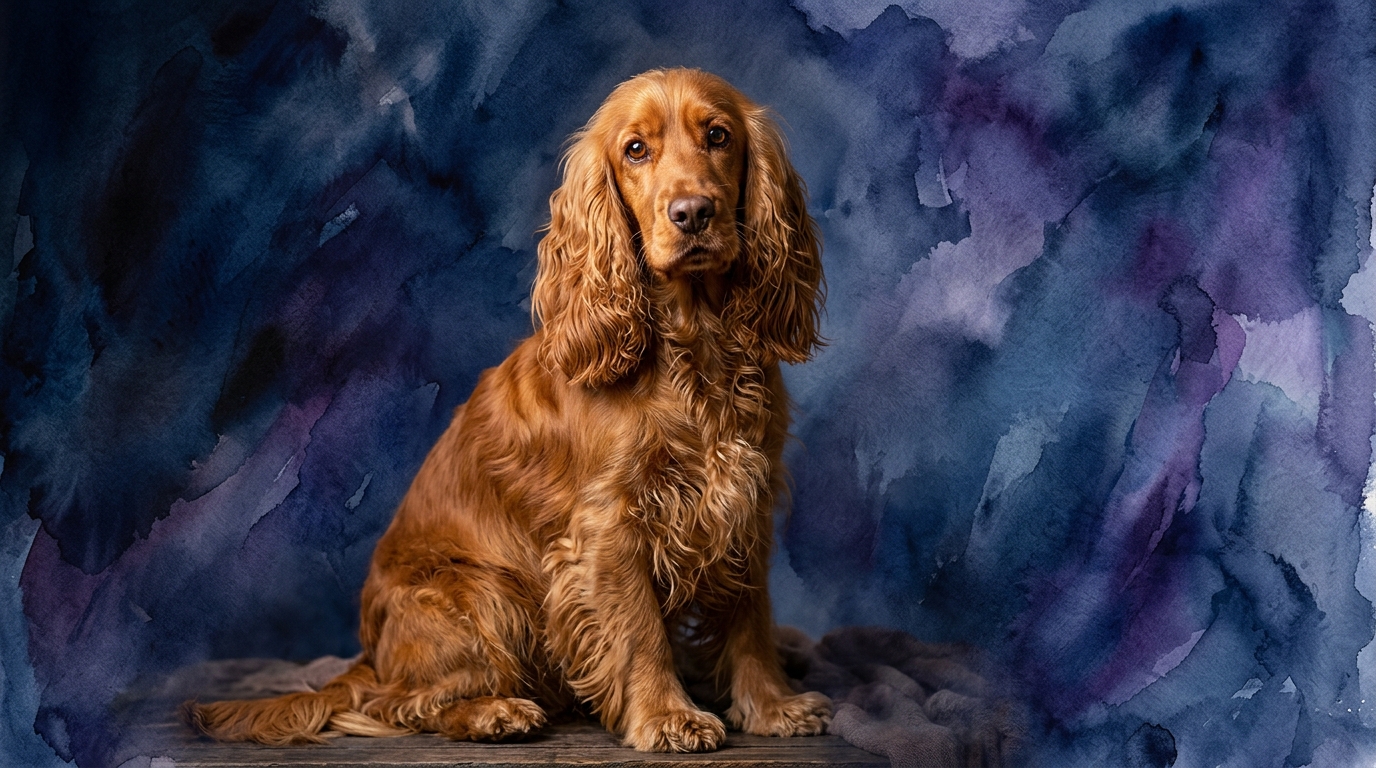
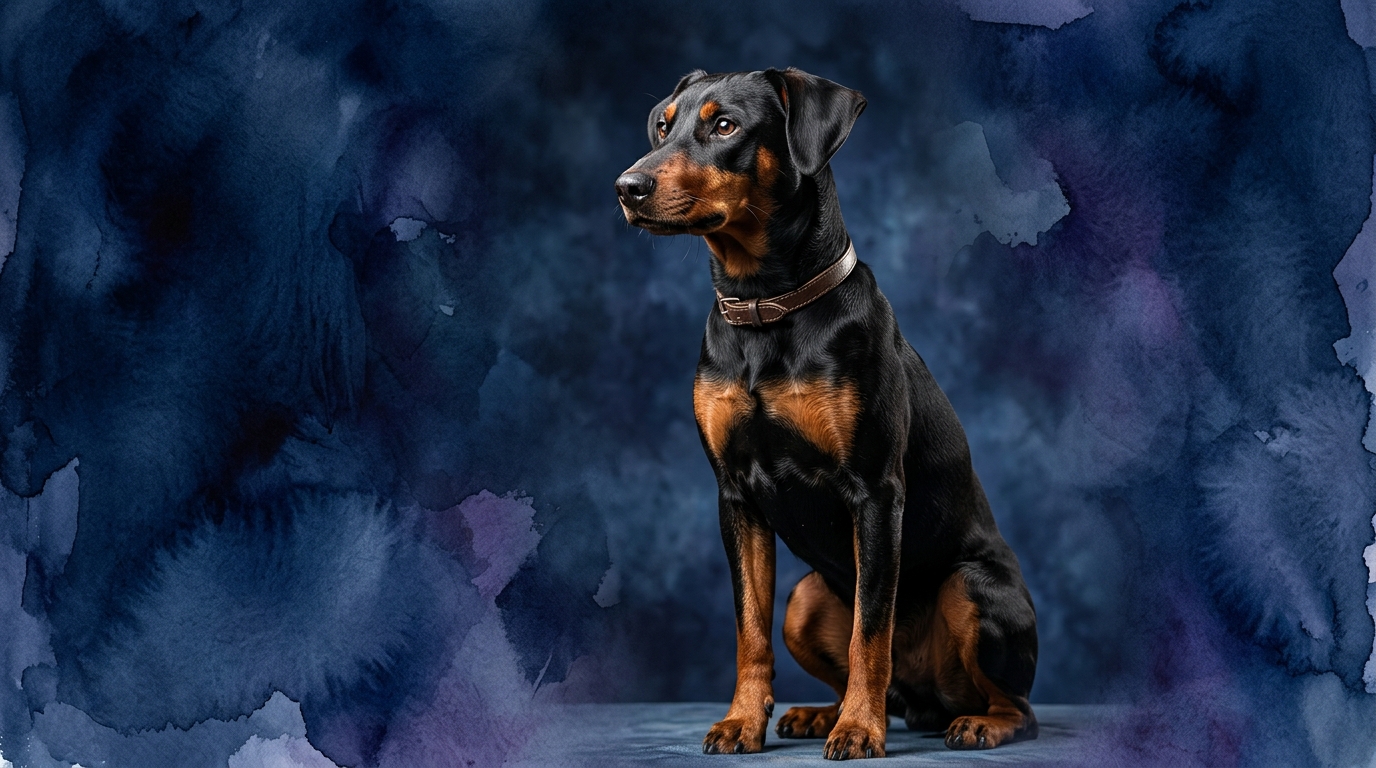
The Cosmic Pet Pet IQ Lab employs a five-dimensional framework to assess canine intelligence, offering a nuanced understanding beyond simple obedience. These dimensions — Problem Solving, Training Speed, Social Intelligence, Instinctive Drive, and Memory — provide a comprehensive look at how a breed thinks, learns, and interacts. The Cocker Spaniel, a Sporting Group member, holds a respectable Coren rank of #20, indicating a strong capacity for learning and obedience. The German Pinscher, from the Working Group, is not Coren-ranked, but our IQ Lab scores offer a detailed comparative insight. When it comes to Problem Solving, both breeds register a 3 out of 5. This score suggests that both the Cocker Spaniel and the German Pinscher possess a moderate ability to navigate novel situations and figure out solutions independently, whether it's opening a gate or finding a hidden toy, though they may not be the most innovative canine thinkers.
In terms of Training Speed, the Cocker Spaniel earns a 4 out of 5, while the German Pinscher scores a 3 out of 5. This dimension measures how quickly a dog grasps and retains new commands and routines. The Cocker Spaniel's higher score indicates a generally faster learning curve, often requiring fewer repetitions to master a new skill or behavior. They tend to be more receptive to instruction and eager to please their handler, making training sessions often feel productive and rewarding. The German Pinscher, while capable of learning, may require more consistent and patient repetition to solidify new commands, reflecting a slightly more deliberate pace in absorbing information.
Social Intelligence is where the Cocker Spaniel truly shines with an impressive 5 out of 5, significantly outscoring the German Pinscher's 3 out of 5. This dimension reflects a dog's ability to understand human emotions, intentions, and social cues, as well as their capacity for forming bonds and navigating complex social interactions. A Cocker Spaniel's perfect score means they are exceptionally attuned to their human companions, often anticipating needs and responding empathetically. They thrive on companionship and are adept at fitting into various social settings. The German Pinscher's 3/5 suggests a more independent and less overtly people-focused social demeanor. While they bond with their families, they might be less inclined to seek constant interaction or interpret subtle human cues, often maintaining a more reserved or watchful presence.
The Instinctive Drive dimension assesses the strength of a breed's natural, ingrained behaviors related to their original purpose. The Cocker Spaniel, a sporting dog, scores 4 out of 5, reflecting its strong desire to flush and retrieve game, its enthusiasm for scent work, and its general zest for physical activity. This drive makes them excellent partners for active pursuits and games. The German Pinscher, a working breed, scores 3 out of 5. Its drive is typically geared towards vigilance, guarding, and vermin control, manifesting as alertness, territorial awareness, and a keen sense of its surroundings. While numerically lower, this drive is intensely focused on its specific working functions, prompting them to be watchful protectors of their home and family.
Finally, for Memory, the Cocker Spaniel achieves a 4 out of 5, while the German Pinscher holds a 3 out of 5. This dimension measures a dog's ability to recall past experiences, learned commands, and spatial information. A Cocker Spaniel's strong memory aids in retaining complex training sequences and remembering routines, contributing to their quicker training speed and adaptability. They are likely to recall positive and negative experiences with clarity, influencing future behaviors. The German Pinscher's memory, while solid at 3/5, may not be as expansive or quick to recall intricate details as the Cocker's, meaning they might rely more on immediate cues or consistent reinforcement to remember specific tasks or boundaries.
Where the Cocker Spaniel Wins Cognitively
The Cocker Spaniel demonstrates clear cognitive advantages, particularly in areas that foster strong human-animal bonds and versatile companionship. Their exceptional Social Intelligence (5/5) means they are profoundly empathetic and intuitive, capable of picking up on the slightest shifts in human mood or intention. This makes them incredibly responsive and devoted companions, thriving in environments where they receive ample interaction and affection. Their higher Training Speed (4/5) directly translates to a more fluid and less demanding training process; they grasp new concepts and commands with impressive readiness, making them highly adaptable to various activities like obedience, agility, or even therapy work.
Furthermore, the Cocker Spaniel's superior Memory (4/5) and strong Instinctive Drive (4/5) for sporting tasks combine to create a dog that not only learns quickly but also retains that learning effectively and enthusiastically applies it. They will remember their training cues, household routines, and even the locations of their favorite toys, making them predictable and cooperative family members. Their drive to work alongside humans, specifically in activities like retrieving, provides a natural motivation that can be channeled into constructive play and training, enhancing their overall cognitive engagement and satisfaction.
Where the German Pinscher's Cognitive Profile Offers Distinct Advantages
While the German Pinscher's scores might not be numerically higher than the Cocker Spaniel's in most categories, its unique blend of cognitive traits offers distinct advantages, especially for owners seeking a specific type of companion. Its consistent 3/5 in Problem Solving, combined with a 3/5 in Instinctive Drive, points to a dog that is capable of independent thought and focused application of its working instincts. This drive, rooted in vigilance and vermin control, means they possess an innate alertness and territorial awareness that makes them naturally effective guardians. They are less likely to be distracted by external stimuli when on 'duty,' providing a focused security presence.
The German Pinscher's moderately lower Social Intelligence (3/5) can also be seen as an advantage for owners who appreciate a dog with a strong sense of self-reliance. They are affectionate with their families but tend to be less overtly dependent on constant human interaction compared to a Cocker Spaniel. This self-sufficiency, combined with their problem-solving ability, allows them to assess situations and act with a degree of independence, making them suitable for roles where a dog needs to be watchful and make decisions without continuous human direction. Their cognitive makeup favors a more discerning and purposeful engagement with their environment.
Which is Easier to Train and Why
Based on our Pet IQ Lab scores, the Cocker Spaniel is generally easier to train than the German Pinscher, and this difference stems from their distinct cognitive profiles. The Cocker Spaniel's 4/5 Training Speed means they absorb new commands and behaviors with impressive alacrity, often requiring fewer repetitions to achieve mastery. This speed is significantly bolstered by their outstanding 5/5 Social Intelligence. Cocker Spaniels possess an inherent desire to please their human companions and are highly attuned to their owners' moods and intentions. This strong social connection makes them exceptionally motivated by praise, affection, and positive reinforcement, transforming training into a collaborative and enjoyable experience.
Conversely, the German Pinscher's 3/5 in both Training Speed and Social Intelligence indicates a different approach to learning. While certainly capable of being trained, they may require more patience, consistency, and a firmer hand. Their independence means they might not be as inherently driven by the desire to please, preferring to assess the utility of a command for themselves. Training a German Pinscher often benefits from clear, consistent, and reward-based methods that appeal to their working drive and problem-solving abilities, rather than relying solely on their social eagerness. Owners should be prepared for a training journey that emphasizes structure and persistence.
Which Suits Active Owners vs. Relaxed Owners
The choice between a Cocker Spaniel and a German Pinscher also hinges significantly on an owner's lifestyle, particularly their activity level and desired level of canine engagement. The Cocker Spaniel, with its 4/5 Instinctive Drive for sporting tasks and 5/5 Social Intelligence, is an excellent fit for active owners who enjoy incorporating their dog into daily activities. They thrive on interactive play, long walks, scent games, and family outings, and they genuinely enjoy being an integral part of their human's life. While they appreciate downtime, their need for mental and physical stimulation is significant, making them less suited for genuinely 'relaxed' owners who cannot commit to regular engagement. They are adaptable but require a consistent outlet for their energy and social needs.
The German Pinscher, with its 3/5 Instinctive Drive for vigilance and working tasks, also requires an active owner, but the nature of that activity differs. They are not content to be mere couch potatoes; their intelligence and working heritage demand purposeful engagement. Owners who appreciate structured exercise, mental challenges like obedience or agility, and can provide a consistent routine will find a German Pinscher a rewarding companion. While they are loyal, their 3/5 Social Intelligence means they are often more independent and less outwardly demanding of constant human attention than a Cocker. They are better suited for owners who understand and respect their vigilant, self-reliant nature and can channel their energies into appropriate outlets, rather than expecting a perpetually cuddly companion.
The Verdict
Opt for a Cocker Spaniel if you seek a highly social, eager-to-please companion who thrives on interaction and learns new cues with impressive speed, making them ideal for family life and various dog sports.
Consider a German Pinscher if you appreciate an independent, vigilant partner with a focused working drive, capable of problem-solving and suited for owners who can provide consistent, task-oriented training and mental engagement.
🧠 Find Your Pet's IQ Score
Our Pet IQ Lab assessment covers 25+ tests across 5 cognitive dimensions — personalized to your breed.
Take the Full IQ Test →Frequently Asked Questions
Are Cocker Spaniels good at learning tricks?
Yes, with a Training Speed of 4/5 and Social Intelligence of 5/5, Cocker Spaniels are typically enthusiastic learners. They enjoy the interaction and mental stimulation, often picking up new tricks quickly when positive reinforcement is used consistently.
How does the German Pinscher's instinctive drive manifest?
The German Pinscher's instinctive drive (3/5) is rooted in its working heritage, often manifesting as vigilance, territorial awareness, and a strong prey drive for small vermin. This makes them alert guardians, but also means they require outlets for these natural tendencies, such as secure yards and structured training.
Which breed is better for first-time dog owners?
A Cocker Spaniel is generally more forgiving for first-time owners due to its higher social intelligence and eagerness to please, which simplifies training and bonding. German Pinschers, while capable, require more consistent and experienced handling to manage their independent nature and working drives effectively.