Side-by-Side Cognitive Profiles
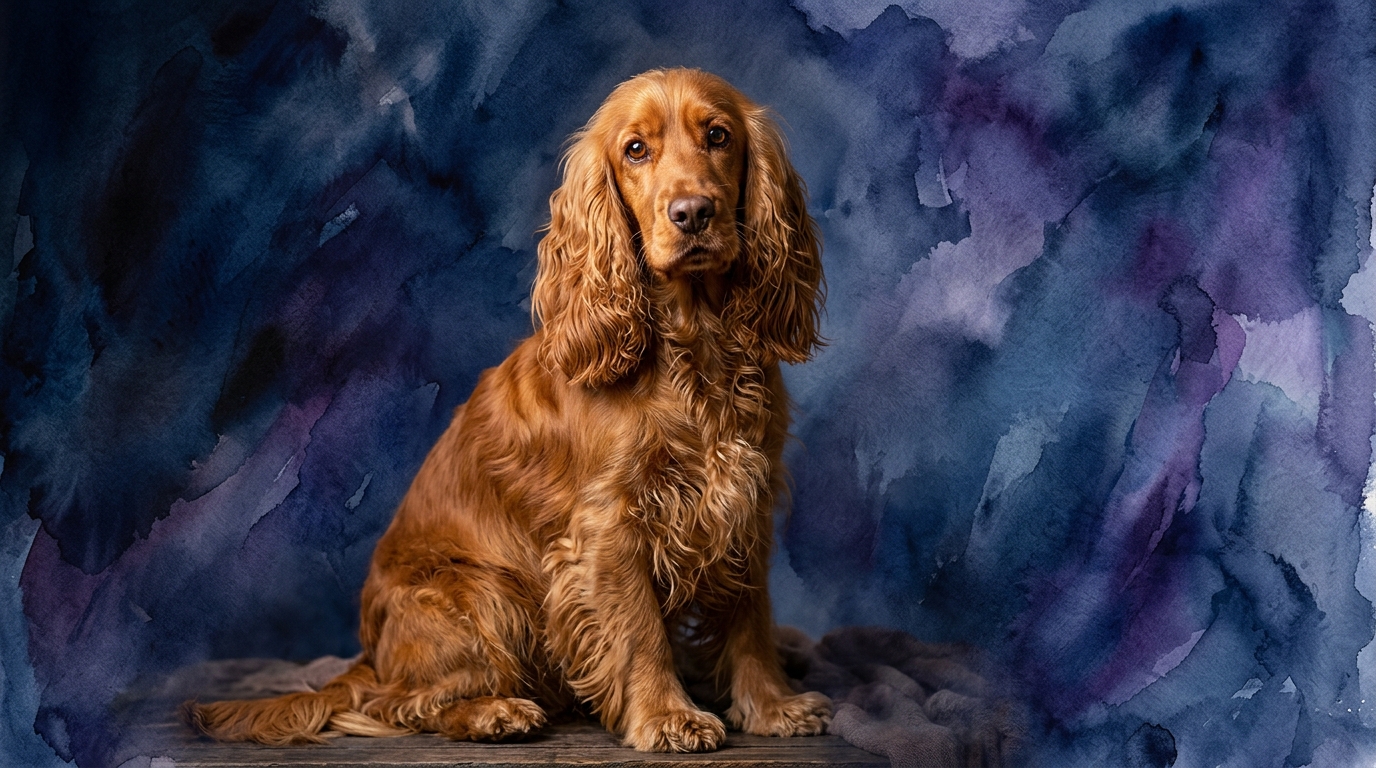
The Cosmic Pet Pet IQ Lab evaluates canine cognition across five distinct dimensions, offering a detailed look at how breeds process information and interact. For the Cocker Spaniel, a Sporting group dog with a Coren rank of #20, their profile highlights a nuanced set of abilities. They exhibit a Problem Solving score of 3/5, suggesting they may rely more on human guidance for complex novel challenges rather than independent strategizing. Their Training Speed is a commendable 4/5, indicating a quick grasp of new commands and a general enthusiasm for structured learning. Where they truly shine is in Social Intelligence, earning a perfect 5/5, reflecting an exceptional ability to read and respond to human emotions and social cues. Instinctive Drive stands at 4/5, primarily manifesting as a strong scent drive and flushing behavior, which is typically manageable. Finally, their Memory is solid at 4/5, enabling good retention of learned behaviors and routines.
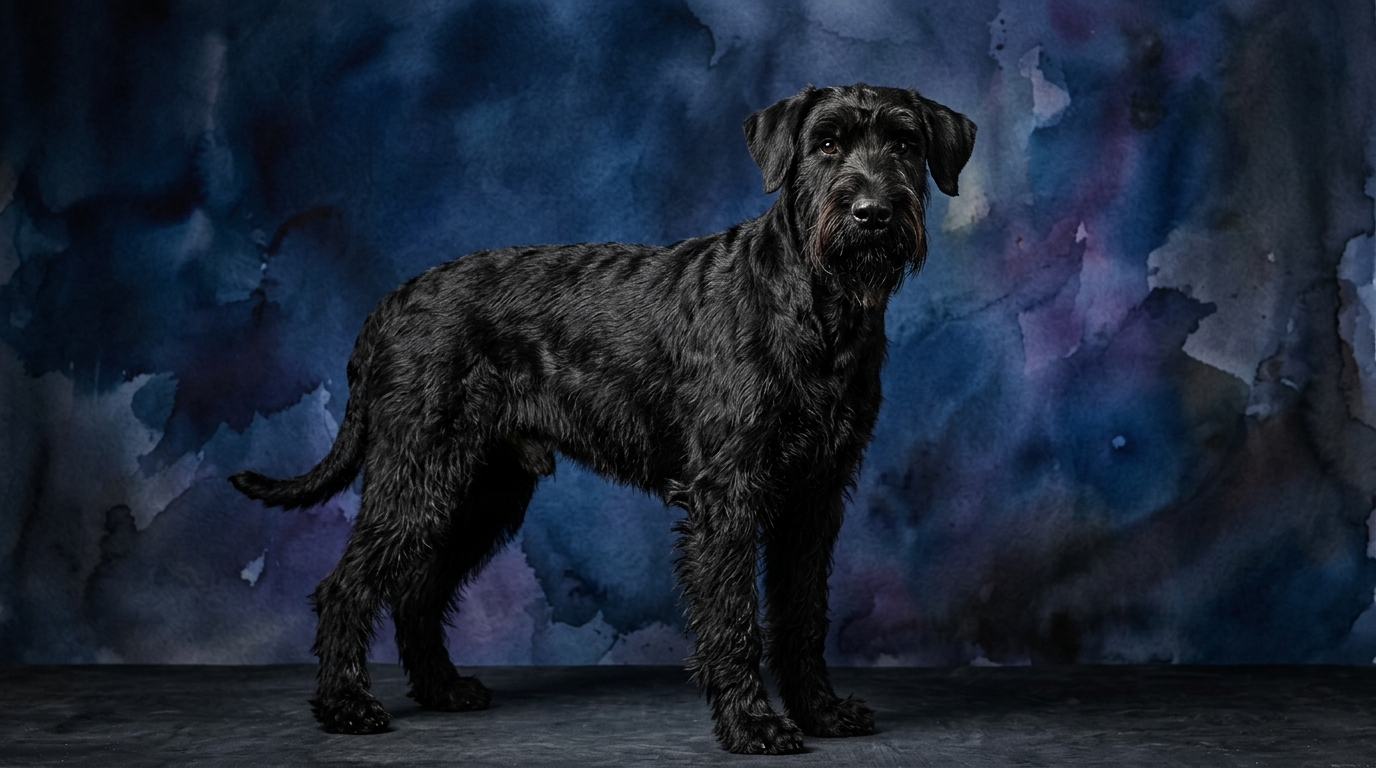
In contrast, the Giant Schnauzer, a Working group dog with a Coren rank of #28, presents a different cognitive blueprint. Their Problem Solving capability is higher at 4/5, demonstrating a greater aptitude for independent thought and figuring out solutions to obstacles. They match the Cocker Spaniel in Training Speed with a 4/5, learning commands efficiently, though their independent nature might require a more consistent and engaging approach. Their Social Intelligence is rated 3/5, meaning they form deep bonds with their immediate family but are generally more reserved and less overtly expressive with strangers. Instinctive Drive is 3/5, focusing more on guarding tendencies and a moderate prey drive, aligning with their protective heritage. Their Memory, like the Cocker, is strong at 4/5, allowing them to retain complex tasks, boundaries, and past interactions effectively.
Where the Cocker Spaniel Excels Cognitively
The Cocker Spaniel's cognitive strengths are most evident in their exceptional social intelligence. With a perfect 5/5 score, they possess an unparalleled ability to interpret human emotions, body language, and vocal inflections. This makes them incredibly attuned companions, often anticipating their owner's moods or needs before being explicitly cued. This high social acumen translates into a profound capacity for bonding and a remarkable adaptability to various social situations, making them natural therapy or emotional support animals. Their problem-solving approach often involves looking to their human for direction, a trait that, combined with their social awareness, makes them highly cooperative. They thrive on the feedback loop of human interaction, finding satisfaction in pleasing their people.
Beyond their social radar, the Cocker Spaniel's strong instinctive drive (4/5) is beautifully integrated with their desire to work alongside humans. Their natural flushing and retrieving instincts are not just innate behaviors but are often channeled into interactive games and activities that strengthen the human-animal bond. This drive is typically easier to direct and modify compared to breeds with stronger independent working drives, making them more amenable to a wide range of family activities. Their memory (4/5) supports this, allowing them to consistently recall which behaviors earn positive social responses and which do not, further reinforcing their eagerness to comply and connect.
Where the Giant Schnauzer Shines Cognitively
The Giant Schnauzer's cognitive prowess truly stands out in its problem-solving abilities, scoring a robust 4/5. Unlike the Cocker Spaniel, who might seek human input, the Giant Schnauzer often prefers to assess a situation and devise its own strategy. This independent thinking is a hallmark of their working dog lineage, equipping them to navigate complex environments or perform tasks that require initiative without constant oversight. Whether it's figuring out how to open a gate or outsmarting a perceived threat, their capacity for strategic thought is a significant asset. This trait makes them exceptional in roles demanding decision-making and resilience, such as protection work or advanced obedience.
While their social intelligence with strangers is more reserved (3/5), their deep loyalty to their family is unwavering, a cognitive strength rooted in their protective instincts (3/5). They are keenly observant of their surroundings, constantly processing information to ensure the safety of their home and people. This observational memory (4/5) allows them to distinguish between routine occurrences and potential threats, remembering past interactions and boundaries with remarkable accuracy. Their drive is less about pleasing a crowd and more about fulfilling a specific purpose, whether that's guarding the home or mastering a challenging training exercise. This focused, steadfast approach to tasks, underpinned by their problem-solving capacity, defines their unique cognitive edge.
Training Aptitude: Which is Easier and Why?
Both the Cocker Spaniel and the Giant Schnauzer share an impressive Training Speed score of 4/5, indicating that both breeds can learn new commands and routines with efficiency. However, the ease of training for an average owner differs significantly due to their distinct social intelligence and problem-solving profiles. The Cocker Spaniel, with its 5/5 Social Intelligence and 3/5 Problem Solving, generally presents an easier training experience for novice owners. Their strong desire to connect and please their human makes them highly responsive to positive reinforcement and praise. They are often eager to comply and thrive on the shared experience of learning, making them more forgiving of an owner's inconsistencies. Their instinctive drive, while present, is typically directed towards interactive games and fetching, which simplifies channeling their energy productively.
The Giant Schnauzer, conversely, requires a more experienced and consistent hand, despite its equal training speed. Their 4/5 Problem Solving and more reserved 3/5 Social Intelligence mean they are less inclined to blindly follow commands without understanding the 'why' or if they perceive an alternative. They may test boundaries and require a confident leader who can provide clear, fair, and consistent expectations. Their independent nature means they can become bored or disengaged if training isn't stimulating or if they don't respect the trainer. While they learn fast, their protective instinctive drive (3/5) demands careful and structured socialization and obedience from a young age to ensure their inherent vigilance is channeled appropriately, rather than left to their own devices.
Matching Breeds to Lifestyles: Active vs. Relaxed Owners
The cognitive and physical needs of these breeds dictate which type of owner they will thrive with. The Cocker Spaniel, while possessing a 4/5 instinctive drive and good memory, is generally a better fit for moderately active to somewhat relaxed owners who prioritize companionship and engagement. They require regular daily walks, interactive play sessions, and mental enrichment through training and puzzle toys. Their high social intelligence means they genuinely desire to be involved in family activities, whether it's a stroll in the park or cuddling on the couch. They are content participating in the everyday rhythms of their human family, making them excellent companions for those who want an engaged, affectionate presence without needing a high-intensity adventure partner.
The Giant Schnauzer, with its higher problem-solving capacity and working dog heritage, is unequivocally suited for highly active, experienced owners who can provide consistent structure and a 'job.' These dogs need substantial physical exercise, such as long runs, hikes, or dedicated dog sports like agility or protection work, to satisfy their robust energy levels. More importantly, their keen minds and independent problem-solving skills demand consistent mental stimulation; they need challenges to solve and tasks to perform. A relaxed owner who cannot commit to rigorous exercise and mental engagement will likely find a Giant Schnauzer bored, potentially destructive, and prone to developing undesirable behaviors as they seek to entertain themselves. They thrive with owners who embrace a disciplined, active lifestyle and can channel their formidable intellect and drive into productive outlets.
The Verdict
Choose the Cocker Spaniel if you seek a highly empathetic, socially attuned companion eager to participate in family life, thriving on connection and moderate daily activity.
Opt for the Giant Schnauzer if you are an experienced, active owner valuing a resilient, independent problem-solver capable of demanding work, offering steadfast loyalty and protection.
🧠 Find Your Pet's IQ Score
Our Pet IQ Lab assessment covers 25+ tests across 5 cognitive dimensions — personalized to your breed.
Take the Full IQ Test →Frequently Asked Questions
Are Cocker Spaniels suitable for first-time dog owners?
Yes, generally, Cocker Spaniels are considered suitable for first-time dog owners due to their high social intelligence and eagerness to please. Their responsiveness to training and affectionate nature make them adaptable companions, provided their moderate exercise and grooming needs are met.
Do Giant Schnauzers require extensive mental stimulation?
Absolutely, Giant Schnauzers require extensive mental stimulation to thrive. Their high problem-solving ability and working dog background mean they need consistent challenges, structured training, and engaging activities to prevent boredom and channel their intellect constructively.
Which breed is typically better with children?
Cocker Spaniels are generally more naturally tolerant and socially attuned to children due to their exceptional social intelligence and gentle nature. However, proper socialization and supervision are crucial for any breed interacting with children, ensuring respectful and safe interactions from both sides.