Side-by-Side IQ Profile
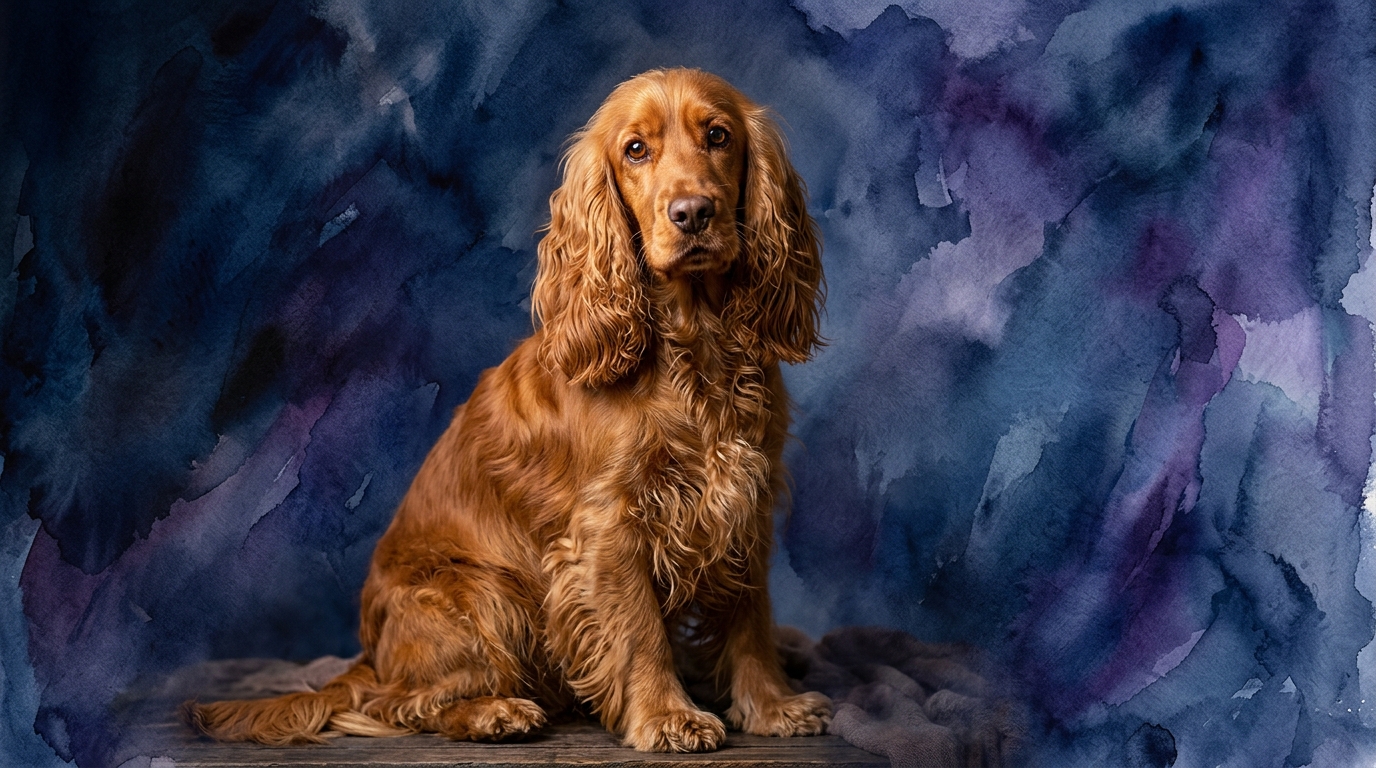
The Cosmic Pet Pet IQ Lab offers a granular look at canine intelligence. For the Cocker Spaniel, Coren ranked #20, its Problem Solving (3/5) indicates practical intelligence for moderate challenges, especially those involving human interaction. Training Speed (4/5) highlights a quick grasp of new commands. A stellar Social Intelligence (5/5) means the Cocker is exceptionally attuned to human emotions, thriving on connection. Its Instinctive Drive (4/5) reflects a strong, manageable urge to hunt and retrieve. Memory (4/5) suggests a good ability to retain learned behaviors and recall experiences.
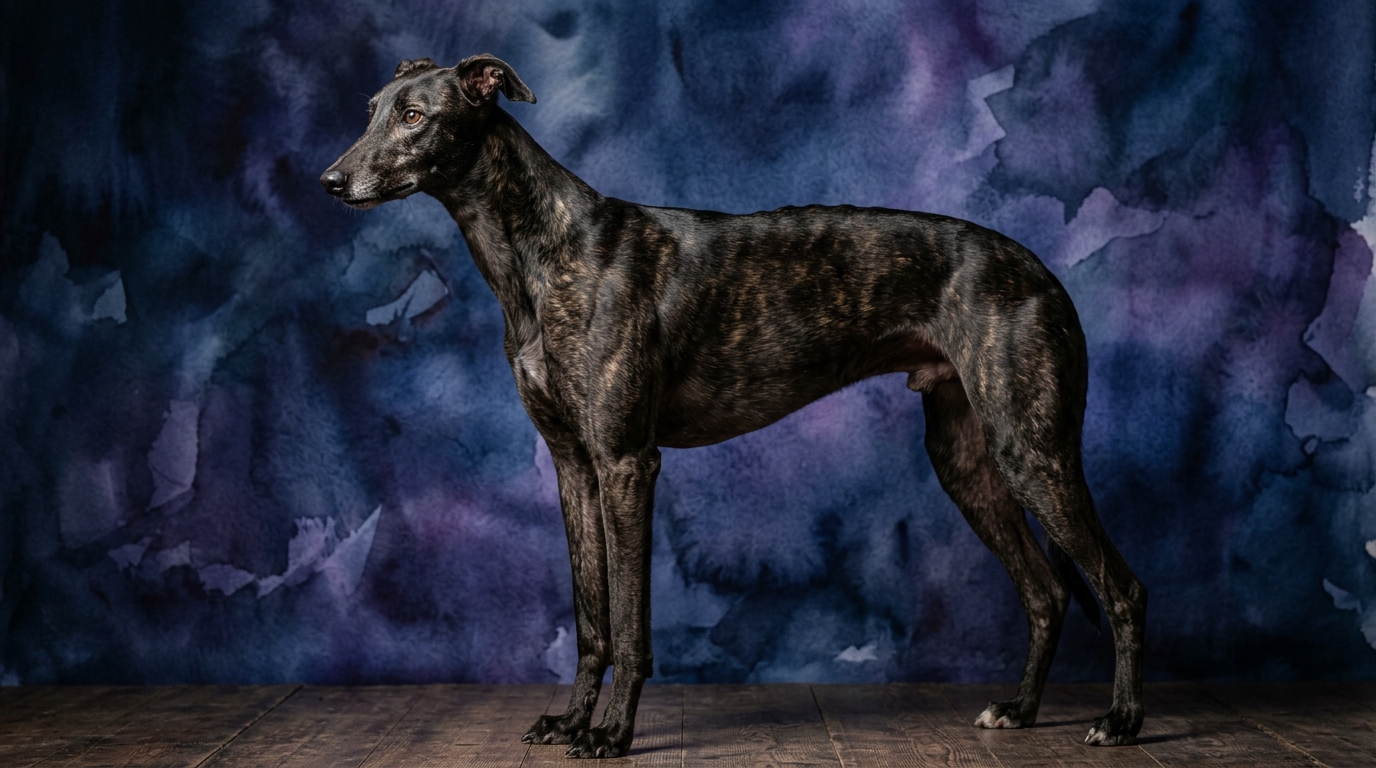
In contrast, the Greyhound, Coren ranked #46, presents a different cognitive blueprint. Its Problem Solving (3/5) often manifests in independent decision-making during pursuit, not complex human-directed tasks. Training Speed (2/5) indicates it may require more repetition and patience, preferring its own inclinations. Social Intelligence (3/5) suggests it observes but might not be as overtly eager to please. A dominant Instinctive Drive (5/5) underscores its powerful prey drive. Memory (3/5) implies adequate retention, but perhaps with less consistency than a gundog, especially if not intrinsically motivating.
Where Cocker Spaniel Wins Cognitively
The Cocker Spaniel distinctly shines in areas requiring close partnership and adaptability to human routines. Its superior Social Intelligence (5/5) means it processes human cues with remarkable finesse, interpreting facial expressions, vocal tones, and gestures to understand expectations. This makes the Cocker exceptionally receptive to communication, often anticipating what its owner wants before a command is fully given. Coupled with a high Training Speed (4/5), this social acumen translates into rapid learning of obedience commands, tricks, and complex routines. A Cocker is more likely to engage enthusiastically in training sessions, motivated by praise and interaction, absorbing new information quickly. Furthermore, its Memory (4/5) supports this learning, allowing it to consistently recall a wider repertoire of commands and intricate tasks over time, making it a reliable and versatile companion in various cooperative activities.
Where Greyhound Wins Cognitively
The Greyhound's cognitive strengths lie in its profound Instinctive Drive (5/5) and the specialized problem-solving it employs in pursuit. While its overall Problem Solving score is 3/5, this intelligence is highly refined for independent action and swift decision-making in dynamic, high-speed scenarios. A Greyhound's mind is exquisitely tuned to detect movement, calculate trajectories, and execute rapid changes in direction, all without direct human instruction. This isn't about solving a puzzle box, but about instantaneously assessing and reacting to a fleeting opportunity, a cognitive feat demanding intense focus and spatial awareness. Its lower Social Intelligence (3/5) allows it a degree of independence, meaning it can make split-second decisions based on its own assessment of the environment, rather than constantly seeking human approval, which is crucial for a sighthound whose ancestral role involved solitary pursuit over vast distances.
Which is Easier to Train and Why
The Cocker Spaniel generally presents as the easier breed to train for typical companion roles. Its high Training Speed (4/5) means it picks up new commands swiftly, requiring fewer repetitions. This efficiency is amplified by its exceptional Social Intelligence (5/5), fostering a deep desire to please and cooperate, making it highly motivated by praise and interaction.
The Greyhound, with its Training Speed of 2/5 and Social Intelligence of 3/5, requires a different approach. While trainable, Greyhounds need more patience and creativity. Their motivations are often intrinsic, driven by prey drive or comfort, not inherent eagerness to please. Training involves understanding their sighthound nature, using high-value rewards, and keeping sessions short and engaging to work with their independent spirit and lower intrinsic motivation for human-directed obedience.
Which Suits Active Owners vs Relaxed Owners
The Cocker Spaniel, with its balanced Instinctive Drive (4/5) and high Social Intelligence (5/5), suits owners who enjoy active, interactive engagement. They thrive on mental stimulation and physical activity involving their human companions, like retrieving games or hikes. Their desire to be involved makes them excellent partners for owners seeking a dog deeply integrated into daily adventures, not just a bystander.
The Greyhound, often termed a "45 mph couch potato," paradoxically suits both active and relaxed owners. Active owners must provide opportunities for its 5/5 Instinctive Drive to run at full speed in safe, enclosed spaces. Once exercised, Greyhounds are typically very relaxed indoors, preferring to lounge on soft surfaces. Their 3/5 Social Intelligence means they appreciate family but aren't constantly demanding attention. This makes them suitable for relaxed owners who can provide intense bursts of exercise then enjoy a calm, independent companion.
The Verdict
Choose a Cocker Spaniel if you seek a highly cooperative, eager-to-please companion who excels in interactive training and thrives on deep social connection and shared activities.
Opt for a Greyhound if you admire an independent spirit that requires intense bursts of physical activity but transforms into a serene, low-key indoor companion who values comfort and quiet companionship.
🧠 Find Your Pet's IQ Score
Our Pet IQ Lab assessment covers 25+ tests across 5 cognitive dimensions — personalized to your breed.
Take the Full IQ Test →Frequently Asked Questions
Are Cocker Spaniels better at learning tricks than Greyhounds?
Generally, yes. The Cocker Spaniel's higher Training Speed (4/5) and exceptional Social Intelligence (5/5) make it more receptive to learning tricks and performing them consistently, as they are often motivated by human praise and interaction. Greyhounds can learn tricks, but may require more patience and high-value rewards.
Do Greyhounds require more exercise than Cocker Spaniels?
Greyhounds have a higher Instinctive Drive (5/5) for intense, short bursts of running, needing safe spaces to sprint. Cocker Spaniels (Instinctive Drive 4/5) require regular, moderate exercise, like long walks or retrieving games, that often involve their owner's participation. The type of exercise differs significantly.
Which breed is more affectionate towards their family?
Cocker Spaniels, with their 5/5 Social Intelligence, are typically more overtly affectionate, seeking out physical closeness and interaction with their family. Greyhounds (Social Intelligence 3/5) are affectionate in their own way, often showing it through quiet presence and leaning, but they tend to be more reserved and less constantly demanding of attention.