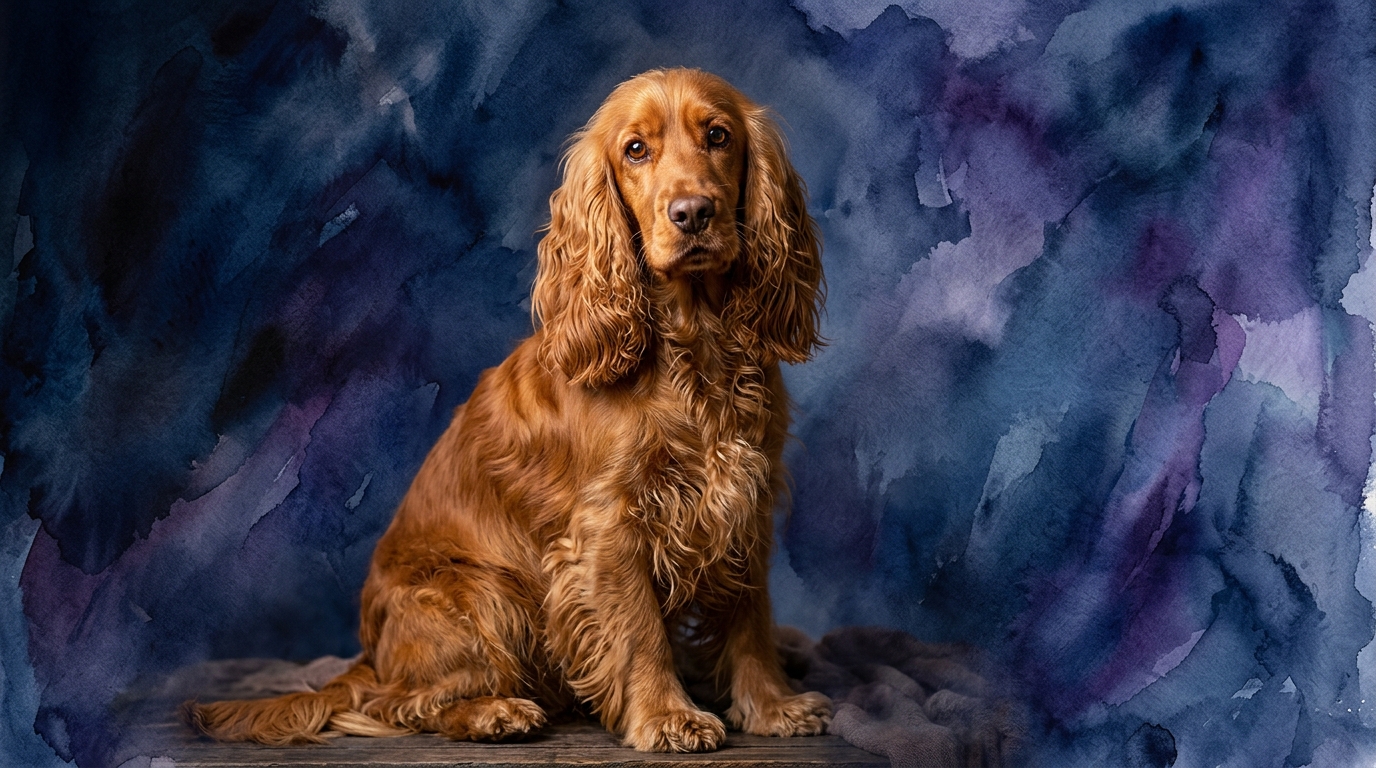
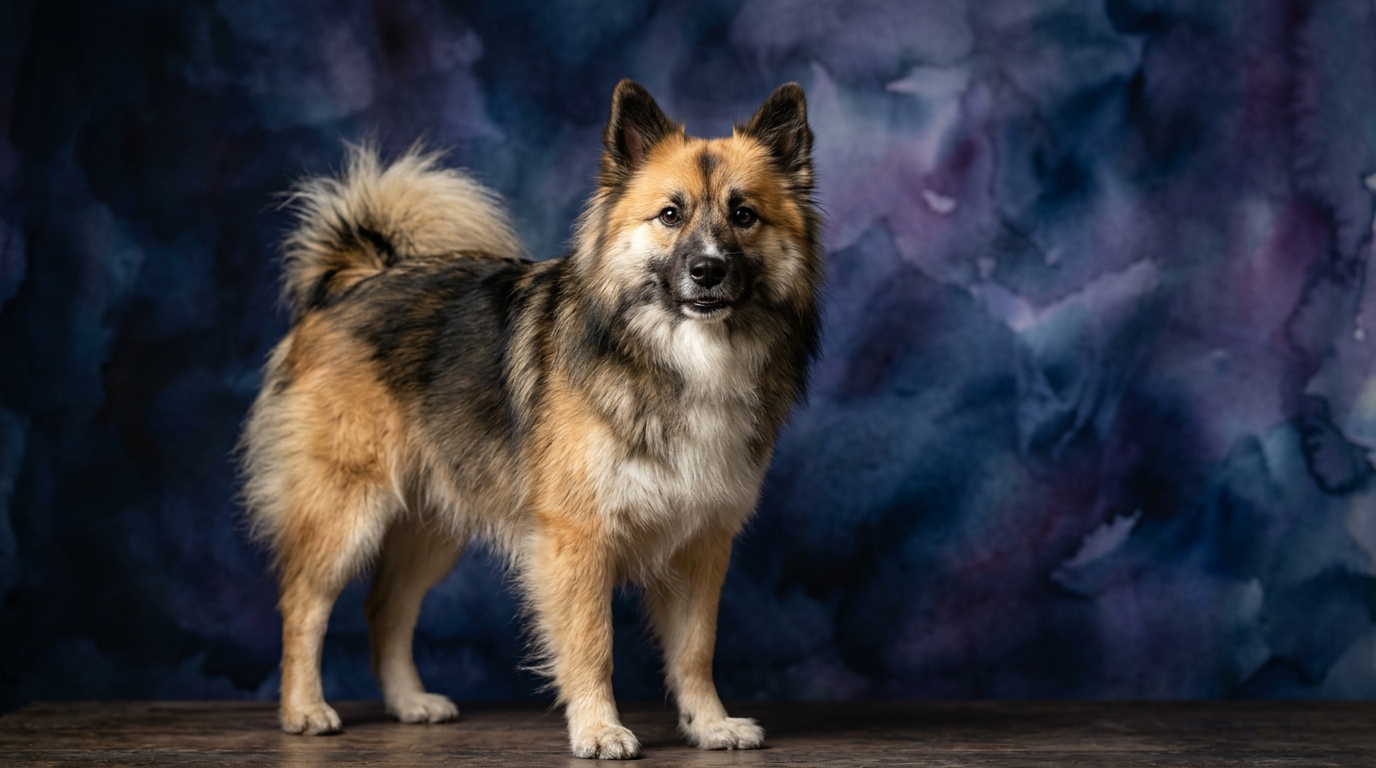
Side-by-Side IQ Profile: Cocker Spaniel vs. Icelandic Sheepdog
The Cosmic Pet Pet IQ Lab employs a five-dimensional framework to assess canine intelligence, offering a nuanced view beyond simple obedience. Here's how the Cocker Spaniel and Icelandic Sheepdog measure up:
**Cocker Spaniel IQ Breakdown (Sporting, Coren Rank #20):** Problem Solving: 3/5. This breed exhibits a moderate capacity for navigating novel challenges, often employing trial-and-error or seeking human guidance for complex tasks. Training Speed: 4/5. Cocker Spaniels typically grasp new commands and routines with efficiency, often showing an eagerness to learn. Social Intelligence: 5/5. Their exceptional ability to read human emotions and social cues makes them profoundly intuitive companions, deeply attuned to their family's needs. Instinctive Drive: 4/5. A strong, inherent drive for hunting and retrieving, particularly game birds, fuels their engagement in scent work and active participation. Memory: 4/5. They demonstrate good retention of learned behaviors, commands, and past experiences, contributing to their reliability.
**Icelandic Sheepdog IQ Breakdown (Herding, Not Coren-Ranked):** Problem Solving: 3/5. Icelandic Sheepdogs show a moderate, practical approach to problem-solving, often focused on environmental navigation and task-oriented solutions. Training Speed: 3/5. They learn at a steady pace, requiring consistent, positive reinforcement to solidify new behaviors. Social Intelligence: 3/5. These dogs possess a solid understanding of social dynamics within their 'pack,' communicating clearly and exhibiting friendliness, though perhaps with less nuanced empathy than some breeds. Instinctive Drive: 3/5. Their primary drive is herding, characterized by a natural inclination to gather and manage movement, expressed as a desire to keep their human 'flock' together. Memory: 3/5. They have a decent memory for established routines, familiar environments, and learned boundaries, which aids in their overall manageability once trained.
Where the Cocker Spaniel Excels Cognitively
The Cocker Spaniel's cognitive strengths distinctly shine in areas of social interaction and rapid learning. Their perfect 5/5 score in Social Intelligence means they possess an unparalleled ability to interpret human body language, vocal tones, and emotional states. This isn't just about being friendly; it's a deep, intuitive understanding that allows them to anticipate needs, offer comfort, or adjust their behavior based on their human's mood, making them exceptionally empathetic companions. This cognitive perceptiveness fuels a profound bond and a highly responsive nature.
Furthermore, their 4/5 score in Training Speed, coupled with their strong social intelligence, positions them as particularly amenable to learning. Cocker Spaniels often pick up new commands with fewer repetitions and a greater enthusiasm for cooperation. This cognitive nimbleness makes them adaptable to various training disciplines, from basic obedience to complex agility courses or even service work. Their good memory (4/5) reinforces this, ensuring that once a behavior is learned, it is retained effectively over time, leading to consistent performance.
Where the Icelandic Sheepdog Excels Cognitively
While their numerical scores might not always surpass the Cocker's, the Icelandic Sheepdog's cognitive strengths lie in the practical application of their instincts and their robust environmental awareness. Their 3/5 in Problem Solving is not about abstract puzzles, but about navigating their surroundings with purpose, such as finding the most efficient path to gather scattered 'flock' members or alerting to environmental changes. This practical intelligence is honed by centuries of working in challenging landscapes.
Their Instinctive Drive (3/5), though numerically lower than the Cocker's, represents a highly specialized and complex cognitive function: herding. This involves sophisticated spatial reasoning, an understanding of movement patterns, and the ability to manage groups, all without direct human command in many historical contexts. Their social intelligence (3/5) complements this, manifesting as clear communication within their 'pack'—be it canine or human—and a strong sense of group cohesion. They are adept at expressing their needs and observations, making them effective communicators in their own right, vital for a working dog.
Which is Easier to Train and Why?
Comparing training ease, the Cocker Spaniel generally presents a more straightforward experience for the average owner due to their higher scores in Training Speed (4/5) and Social Intelligence (5/5). Their inherent desire to please their human companions, combined with their ability to quickly interpret cues and emotional feedback, means they often learn new commands rapidly and with enthusiasm. They thrive on positive reinforcement and engagement, making training a highly interactive and rewarding process where their cooperative nature shines. Their strong memory further solidifies learned behaviors.
The Icelandic Sheepdog, with a Training Speed of 3/5, requires a more patient and consistent approach. While certainly capable of learning, they may take longer to grasp new concepts and can display a degree of independent thought stemming from their herding roots. Their herding drive means they might be more inclined to make their own decisions in certain situations, requiring handlers to be clear, fair, and firm in their leadership. Training success with an Icelandic Sheepdog relies on understanding their working dog mentality and channeling their instincts rather than trying to suppress them, making it a different, though equally rewarding, endeavor.
Which Suits Active Owners vs. Relaxed Owners?
Both breeds require significant engagement, but their needs differ in nature. The Cocker Spaniel, with its sporting background and strong instinctive drive (4/5), thrives with active owners who can provide consistent mental stimulation and physical exercise. They excel in activities like retrieving, scent work, and agility, needing outlets for their curiosity and desire to 'work' alongside their human. Their high social intelligence also means they need ample companionship and interaction to prevent boredom and anxiety.
The Icelandic Sheepdog, while sharing a similar problem-solving score, possesses a distinct herding drive that demands substantial physical activity and mental engagement, ideally in open spaces. They are not suited for truly relaxed, sedentary owners. An Icelandic Sheepdog needs an owner prepared to provide opportunities for running, exploring, and engaging their innate herding behaviors, whether through structured dog sports or extensive outdoor adventures. Without sufficient outlets, their energy and vocal nature can become challenging in a relaxed home environment.
The Verdict
Choose the Cocker Spaniel if you seek an exceptionally empathetic, highly cooperative, and readily trainable companion who thrives on close interaction and diverse mental challenges.
Opt for the Icelandic Sheepdog if you appreciate an independent, resilient, and vocal working breed, prepared to engage their herding instincts and provide ample outdoor activity and stimulating 'work'.
🧠 Find Your Pet's IQ Score
Our Pet IQ Lab assessment covers 25+ tests across 5 cognitive dimensions — personalized to your breed.
Take the Full IQ Test →Frequently Asked Questions
Are Cocker Spaniels good with children?
Yes, their high social intelligence and gentle nature typically make them excellent family pets, often showing patience and empathy with children. Supervision is always recommended, but they generally enjoy being part of family activities and thrive on companionship.
Do Icelandic Sheepdogs bark a lot?
Icelandic Sheepdogs are recognized for being vocal, using barks to communicate and alert, a trait stemming from their herding roots. Consistent training and appropriate outlets for their energy can help manage excessive barking, but it is a fundamental part of their breed character and should be anticipated.
Which breed is better for apartment living?
While a Cocker Spaniel can adapt to apartment living with sufficient daily walks and mental stimulation, their need for constant companionship means they thrive best when integrated into family life. The Icelandic Sheepdog, with its strong herding drive and need for space to run, is generally less suited for small apartment environments and prefers a home with a yard.