
Side-by-Side IQ Profile
The Cosmic Pet Pet IQ Lab assesses canine intelligence across five key dimensions, providing a granular view of each breed's cognitive strengths and tendencies.
**Cocker Spaniel (Sporting Group)**
**Problem Solving (3/5)**: Competent at navigating new situations and basic puzzles, often blending learned behaviors with natural curiosity to adapt to minor environmental changes. They can typically unravel basic puzzles and adapt to minor environmental changes with reasonable efficiency.
**Training Speed (4/5)**: A notable aptitude for rapidly learning new commands and routines. Their eagerness to please and focus on human interaction means they often require fewer repetitions for mastery.
**Social Intelligence (5/5)**: Excels in understanding and responding to human cues, exhibiting a profound ability to read emotions and intentions, fostering strong empathetic bonds. Their high social awareness makes them exceptionally attuned to their family's dynamics and moods.
**Instinctive Drive (4/5)**: A robust drive for scent work, flushing game, and retrieving, stemming from their sporting heritage, requiring outlets for these natural inclinations. This drive manifests as an eagerness to engage in activities that mimic their historical roles.
**Memory (4/5)**: Strong capacity to retain learned commands, routines, and past interactions, contributing to consistent behavior and reliability. This solid memory aids in consistent behavior and makes them reliable in remembering past interactions and training.
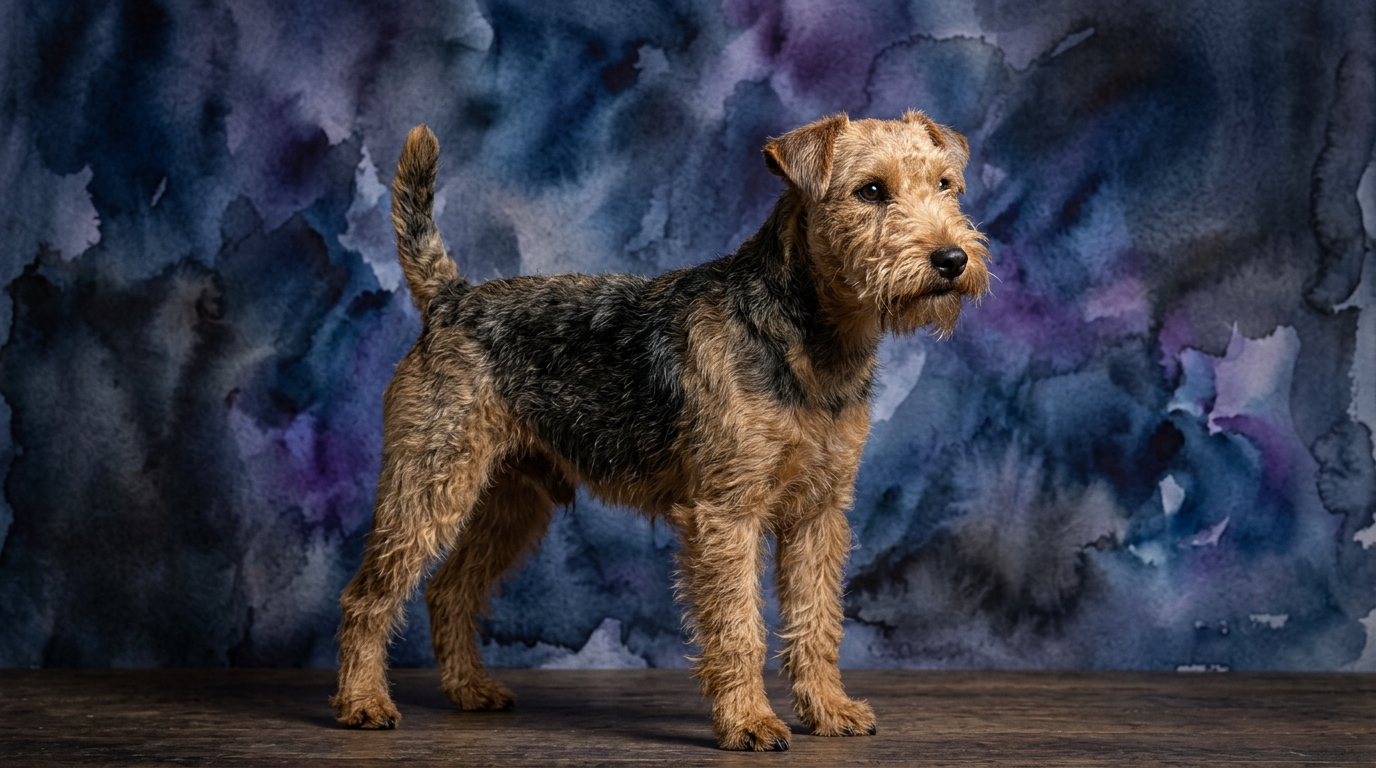
**Lakeland Terrier (Terrier Group)**
**Problem Solving (3/5)**: Approaches challenges with terrier tenacity and resourcefulness. While not always quick, they are persistent in working through problems, especially those involving exploration or access. They tend to be methodical rather than swift in their solutions.
**Training Speed (3/5)**: Learns at an average pace, requiring consistent, patient training. Their independent streak necessitates engaging methods and positive reinforcement to maintain focus. They may require more engaging methods and positive reinforcement to maintain focus and motivation during training sessions.
**Social Intelligence (3/5)**: Possesses an average level of social intelligence, forming bonds but often exhibiting more independence. They understand cues but may respond based on their own assessment, rather than immediate deference.
**Instinctive Drive (3/5)**: A focused, persistent drive for hunting vermin, manifesting as an intense inclination for digging, chasing small animals, and exploration in relevant contexts. This drive is deeply rooted in their terrier purpose.
**Memory (3/5)**: Demonstrates average memory capacity, retaining learned information and experiences adequately, though recall might not be as immediate or infallible as breeds with higher scores. They will remember routines and commands, but sometimes require refreshers.
Where Cocker Spaniel Wins Cognitively
The Cocker Spaniel's cognitive profile highlights clear strengths in areas demanding close partnership and rapid learning. Their superior **Social Intelligence (5/5)** makes them exceptionally adept at interpreting human emotions and intentions. This translates to a dog that often anticipates an owner's needs and integrates seamlessly into family dynamics, offering intuitive companionship. Their **Training Speed (4/5)** provides a significant edge in skill acquisition, allowing them to grasp new commands with fewer repetitions and respond enthusiastically to positive reinforcement. This simplifies training for complex tasks or dog sports. Furthermore, their strong **Memory (4/5)** supports consistent recall of a wide array of commands and routines, making them reliable partners. This combination of social acumen, quick learning, and robust memory particularly suits the Cocker Spaniel for roles where responsive partnership is paramount, such as therapy work or advanced obedience.
Where Lakeland Terrier Wins Cognitively
While the Lakeland Terrier's scores are consistently at 3/5, this 'average' profile, especially for a terrier, translates into unique cognitive strengths beneficial for specific lifestyles. Their **Problem Solving (3/5)**, though not the quickest, is marked by tenacious and independent effort. Faced with a challenge, a Lakeland Terrier methodically works through it—perhaps by digging or persistent manipulation—rather than quickly giving up or waiting for human intervention. This self-reliant problem-solving is valuable in situations requiring resourcefulness. Their **Instinctive Drive (3/5)**, while numerically average, is sharply focused on their historical purpose of hunting vermin. This manifests as a keen instinct for tracking scents, navigating varied terrain, and unwavering focus when engaged in tasks that tap into this predatory drive, like earthdog trials. Unlike the Cocker's broader sporting drive, the Lakeland's drive is often more singular and intense in its specific application. Finally, their **Social Intelligence (3/5)** fosters a degree of independence, meaning they are often less prone to separation anxiety and can be content with their own company. Owners who appreciate a dog with a distinct, self-sufficient personality will find these traits advantageous.
Which Is Easier to Train and Why
Based on The Cosmic Pet Pet IQ Lab's metrics, the **Cocker Spaniel (Training Speed 4/5)** is generally easier to train than the Lakeland Terrier (Training Speed 3/5). The Cocker Spaniel's higher training speed score indicates a quicker grasp of new commands and a greater willingness to comply, largely driven by their exceptional **Social Intelligence (5/5)** and desire to please. They respond positively to instruction, maintain focus, and require fewer repetitions to solidify behaviors. Their strong **Memory (4/5)** ensures consistent retention. In contrast, the Lakeland Terrier's average training speed and social intelligence mean they require more patience, creativity, and consistency. While capable of learning, their characteristic terrier independence can lead to a 'what's in it for me?' attitude, making them less inherently compliant. Training a Lakeland often involves making lessons highly engaging and rewarding to overcome occasional stubbornness, whereas a Cocker Spaniel often finds owner approval sufficient reward.
Which Suits Active Owners vs Relaxed Owners
Matching a dog's inherent drives and social needs to an owner's lifestyle is crucial. The **Cocker Spaniel**, with its **Instinctive Drive (4/5)** for flushing and retrieving, combined with high **Social Intelligence (5/5)**, generally suits moderately active owners who enjoy interactive engagement. They thrive on fetch, brisk walks, and training sessions, valuing partnership and consistent interaction. While they appreciate downtime, their need for engagement means they are not ideal for entirely sedentary owners; their strong social connection demands integration into family life, as isolation can cause anxiety.
The **Lakeland Terrier**, despite an 'average' **Instinctive Drive (3/5)**, possesses a focused terrier drive for exploration, digging, and chasing. This, coupled with their independent nature, makes them better suited for active owners who can channel this specific energy and tenacity. They benefit from daily vigorous exercise like long walks, hiking, or earthdog trials that tap into their problem-solving and predatory instincts. While calm indoors after sufficient activity, their independence means they may not constantly seek out human interaction. Owners appreciating a robust, spirited personality capable of providing consistent mental and physical challenges will find a rewarding companion. They are less suited for owners seeking a purely relaxed lapdog.
The Verdict
If you seek a highly responsive, emotionally attuned companion eager to learn and deeply integrate into family life, thriving on partnership and consistent interaction, the Cocker Spaniel is an excellent choice.
Opt for the Lakeland Terrier if you appreciate an independent, tenacious companion with a spirited personality, capable of self-reliance, and thrive on channeling a focused working drive through vigorous activity and engaging challenges.
🧠 Find Your Pet's IQ Score
Our Pet IQ Lab assessment covers 25+ tests across 5 cognitive dimensions — personalized to your breed.
Take the Full IQ Test →Frequently Asked Questions
Are Cocker Spaniels prone to separation anxiety due to their high social intelligence?
Yes, Cocker Spaniels' exceptional social intelligence and strong desire for companionship can make them more susceptible to separation anxiety if not properly socialized and trained to be comfortable alone. Their deep bond with humans means they thrive on interaction and can become distressed when isolated for extended periods.
Can a Lakeland Terrier live peacefully with other small pets given its instinctive drive?
While a Lakeland Terrier's instinctive drive is geared towards hunting small vermin, peaceful coexistence with other small pets can be achieved with early, consistent socialization and supervision. However, their inherent chase drive means owners must remain vigilant, especially with very small, fast-moving animals.
How does the 'Not Coren-ranked' status of the Lakeland Terrier impact its cognitive abilities compared to the Cocker Spaniel?
The 'Not Coren-ranked' status for the Lakeland Terrier primarily means it wasn't included in Coren's specific ranking of breeds for obedience and working intelligence, which often favors breeds with high biddability and quick command response. It doesn't imply a lack of cognitive ability, but rather highlights that their intelligence might manifest more in independent problem-solving and specific terrier-related tasks rather than immediate obedience.