
Side-by-side IQ Profile
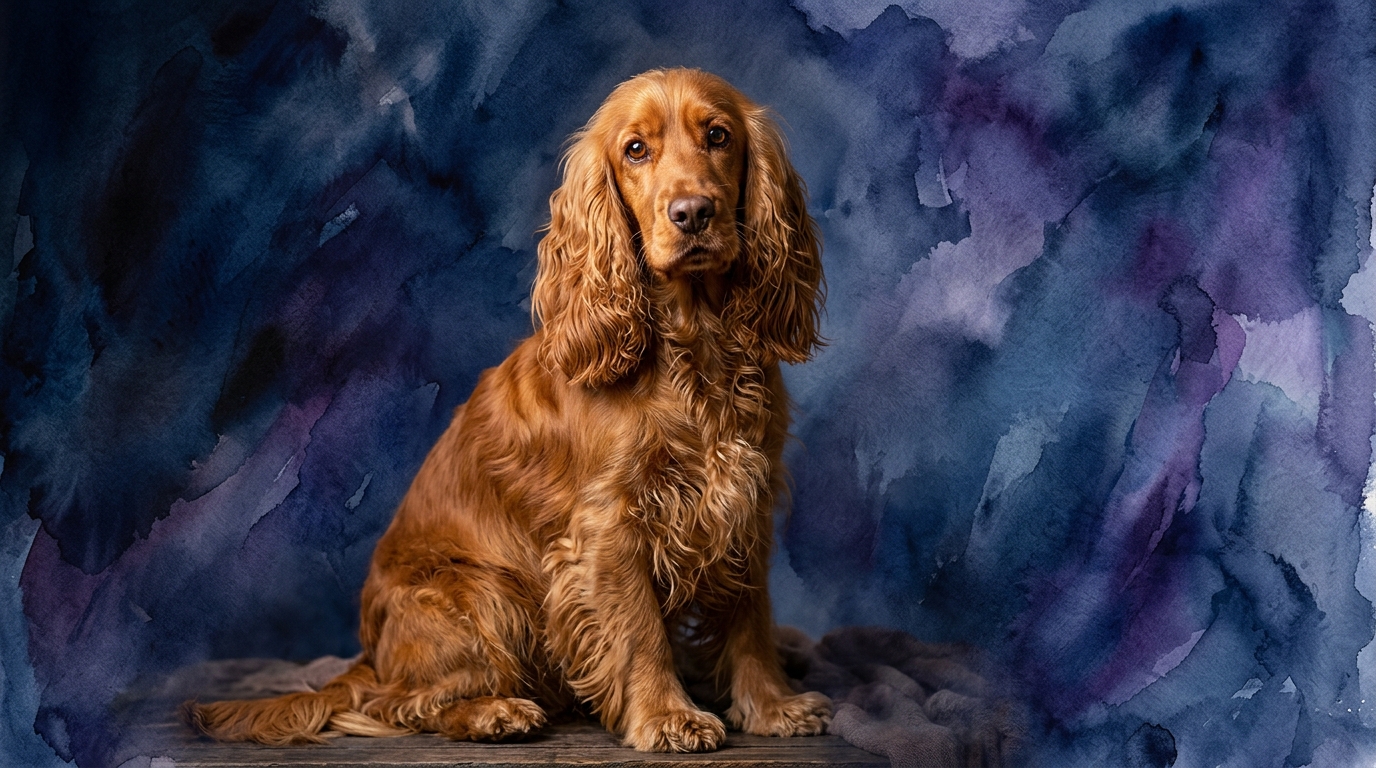
Cocker Spaniel (Sporting Group): Ranking at Coren #20, the Cocker Spaniel exhibits a well-rounded cognitive profile geared towards partnership. Their Problem Solving score of 3/5 indicates a moderate capacity for navigating novel challenges, often with human guidance. A Training Speed of 4/5 highlights their eagerness to learn and respond to cues, making them generally receptive to instruction. Their Social Intelligence truly shines at 5/5, reflecting a profound ability to understand human emotions and dynamics, fostering strong bonds. An Instinctive Drive of 4/5 points to their historical role as gun dogs, retaining a strong urge to retrieve and work alongside people. Finally, their Memory at 4/5 suggests a good capacity for retaining learned behaviors and routines, contributing to their overall trainability.
Lhasa Apso (Non-Sporting Group): With a Coren rank of #68, the Lhasa Apso presents a distinct cognitive makeup, rooted in its ancient role as a sentinel. Their Problem Solving score also stands at 3/5, indicating a similar moderate ability to tackle new puzzles, often with an independent approach. A Training Speed of 3/5 suggests they can learn, but might require more patience and consistent motivation, often preferring to decide for themselves. Their Social Intelligence at 3/5 reflects a more discerning and less overtly people-pleasing nature; they form deep bonds but are not typically as effusive or eager to anticipate human needs. An Instinctive Drive of 3/5 means they possess a moderate drive, less about active partnership and more about inherent guarding instincts. Their Memory also scores 3/5, indicating a fair ability to recall information, though perhaps not with the same precision or speed as breeds with higher scores.
Where Cocker Spaniel Wins Cognitively
The Cocker Spaniel clearly outshines the Lhasa Apso in several key cognitive dimensions, largely due to its breed purpose. Its superior Social Intelligence (5/5 vs. 3/5) is perhaps its most significant cognitive advantage, reflecting a deep understanding of human cues and emotional states. This allows them to form incredibly tight, responsive partnerships, often anticipating needs and working collaboratively. This high social intelligence also underpins their faster Training Speed (4/5 vs. 3/5); they are inherently motivated to engage with and please their human, making the learning process smoother and more rewarding. Furthermore, their higher Instinctive Drive (4/5 vs. 3/5) means they possess a natural inclination for tasks and activities like scent work or retrieving. This drive, when channeled, translates into a dog eager for engagement and purpose. Their Memory (4/5 vs. 3/5) also provides an edge, allowing them to retain a broader repertoire of commands and experiences, contributing to consistent performance and reliability.
Where Lhasa Apso Wins Cognitively
While the Lhasa Apso may not achieve higher numerical scores in our IQ dimensions compared to the Cocker Spaniel, its cognitive profile represents a "win" for specific lifestyles and owner preferences, particularly in its unique blend of independence and discerning social acumen. The Lhasa Apso's moderate Social Intelligence (3/5) and Instinctive Drive (3/5), coupled with its Training Speed (3/5), cultivate a self-reliant and less demanding companion. This allows it to be more self-sufficient and potentially less prone to separation anxiety, making it a good choice for individuals who desire a companion that is present but not constantly seeking interaction. This independence isn't a deficit; it's a cognitive trait fostering a dog less reliant on constant human direction for its well-being, capable of entertaining itself or simply observing its surroundings with quiet dignity. For owners who value a dog with a strong, independent personality and a self-contained cognitive approach to life, the Lhasa Apso's distinct set of traits offers a significant advantage, providing a loyal but not overtly clingy presence.
Which Is Easier to Train and Why
The Cocker Spaniel is generally easier to train than the Lhasa Apso, a difference clearly reflected in their respective cognitive profiles. The Cocker Spaniel's Training Speed of 4/5, compared to the Lhasa Apso's 3/5, is a primary indicator, stemming directly from the Cocker's exceptional Social Intelligence (5/5) and robust Instinctive Drive (4/5). Cocker Spaniels are bred to work in partnership with humans, making them naturally eager to please and highly responsive to cues. They thrive on human approval, which acts as a powerful motivator, leading to quicker mastery of commands and a desire for cooperative engagement.
In contrast, the Lhasa Apso's training journey requires more patience and a different approach. Their lower Training Speed (3/5) is influenced by their moderate Social Intelligence (3/5) and Instinctive Drive (3/5). Lhasa Apsos are more independent thinkers, with a historical role as sentinels. They are not inherently driven to "please" in the same way a Cocker Spaniel is, often needing to be convinced that performing a command is worthwhile for *them*. This can manifest as a perceived stubbornness or selective hearing. Training benefits from highly engaging, reward-based methods and short, frequent sessions, appealing to their curiosity rather than trying to force compliance.
Which Suits Active Owners vs. Relaxed Owners
The cognitive profiles of these breeds distinctly point to different ideal owner lifestyles. For active owners seeking a highly engaged and enthusiastic companion, the Cocker Spaniel is an excellent match. Their high Instinctive Drive (4/5) means they possess a natural zest for activity, whether long walks, fetch, or structured dog sports. This drive, combined with their exceptional Social Intelligence (5/5), means they thrive on shared experiences and mental stimulation alongside their human partners. An active owner can fulfill the Cocker's need for purpose, preventing boredom and potential behavioral issues. They are often "up for anything," ideal for hiking, jogging, or extended playtime.
Conversely, the Lhasa Apso is a far better fit for more relaxed owners who appreciate an independent and self-contained companion. Their moderate Instinctive Drive (3/5) means they require less intense physical exercise than a Cocker Spaniel. While they enjoy walks, their need for constant high-energy engagement is lower. Their moderate Social Intelligence (3/5) translates to a dog that, while loyal, isn't as overtly demanding of attention or prone to separation anxiety. They are often content to observe or enjoy quiet companionship. A relaxed owner can appreciate the Lhasa Apso's calm demeanor and its ability to entertain itself. They are well-suited to apartment living or homes where a less physically demanding, yet mentally alert, companion is desired.
The Verdict
Opt for a Cocker Spaniel if you desire a highly social, eager-to-please companion for an active lifestyle, thriving on partnership, consistent training, and engaging activities. Their exceptional social intelligence and strong drive make them ideal for owners who seek a deep, collaborative bond and enjoy participating in dog sports or regular outdoor adventures.
Select a Lhasa Apso if you prefer an independent, self-reliant, and discerning companion, suited for a more relaxed home environment. They are perfect for owners who appreciate a dog with a strong personality, less demanding exercise needs, and a loyal presence without constant overt interaction.
🧠 Find Your Pet's IQ Score
Our Pet IQ Lab assessment covers 25+ tests across 5 cognitive dimensions — personalized to your breed.
Take the Full IQ Test →Frequently Asked Questions
Is the Cocker Spaniel prone to separation anxiety due to its high social intelligence?
Cocker Spaniels, with their 5/5 social intelligence, form deep bonds and can be prone to separation anxiety if not properly socialized and trained for independence. Their strong desire for companionship means they thrive best when integrated into family life and given consistent attention.
Do Lhasa Apsos require less grooming because they are less active?
Despite their lower activity levels, Lhasa Apsos require significant grooming due to their long, dense double coat, which needs daily brushing to prevent matting. Their coat is a hallmark of the breed and is not related to their cognitive activity scores or exercise needs.
Can a Lhasa Apso excel in dog sports like agility, given its moderate training speed?
While a Lhasa Apso's 3/5 training speed and independent nature might make it a slower learner than a Cocker Spaniel, they absolutely can excel in dog sports like agility with patient, consistent, and highly motivating training. Their agility and self-possession can be an asset when properly channeled.