Side-by-Side IQ Profile: A Deeper Look
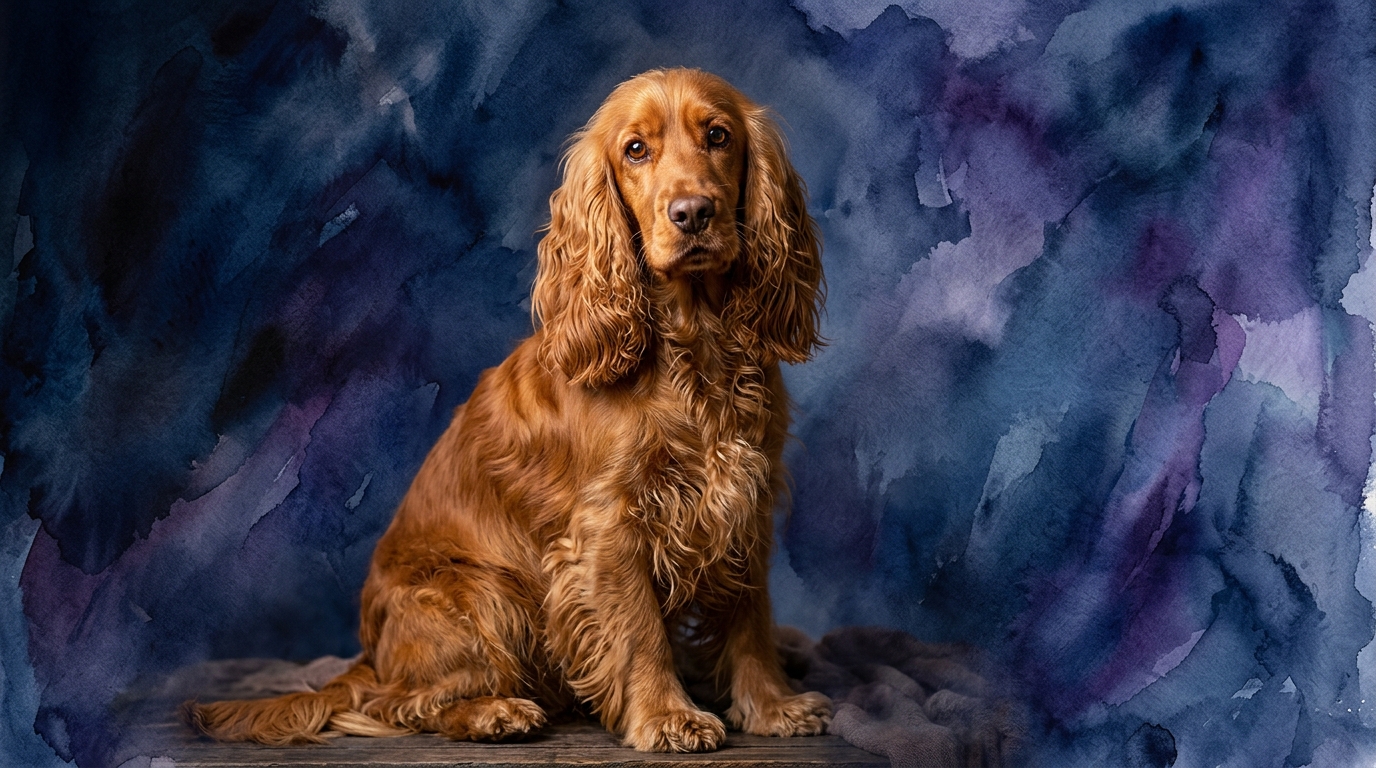
The Cosmic Pet Pet IQ Lab employs a multi-faceted approach to assess canine intelligence, moving beyond simplistic 'smartness' to examine specific cognitive dimensions. For the Cocker Spaniel, a Sporting group member with a Coren rank of #20, its profile paints a picture of a perceptive and adaptable companion. Its Problem Solving is rated 3/5, indicating a solid capacity to navigate novel situations and figure out solutions, often by observing and adapting. Training Speed stands at 4/5, suggesting a quick uptake of new commands and routines, largely due to its eagerness to collaborate. Social Intelligence, a standout at 5/5, highlights its profound attunement to human emotions and cues, making it exceptionally responsive to social learning. Instinctive Drive, rated 4/5, reflects its heritage as a flushing gundog, possessing a strong, focused drive for pursuit and retrieval, while Memory at 4/5 means it retains lessons and experiences effectively over time, building on past knowledge.
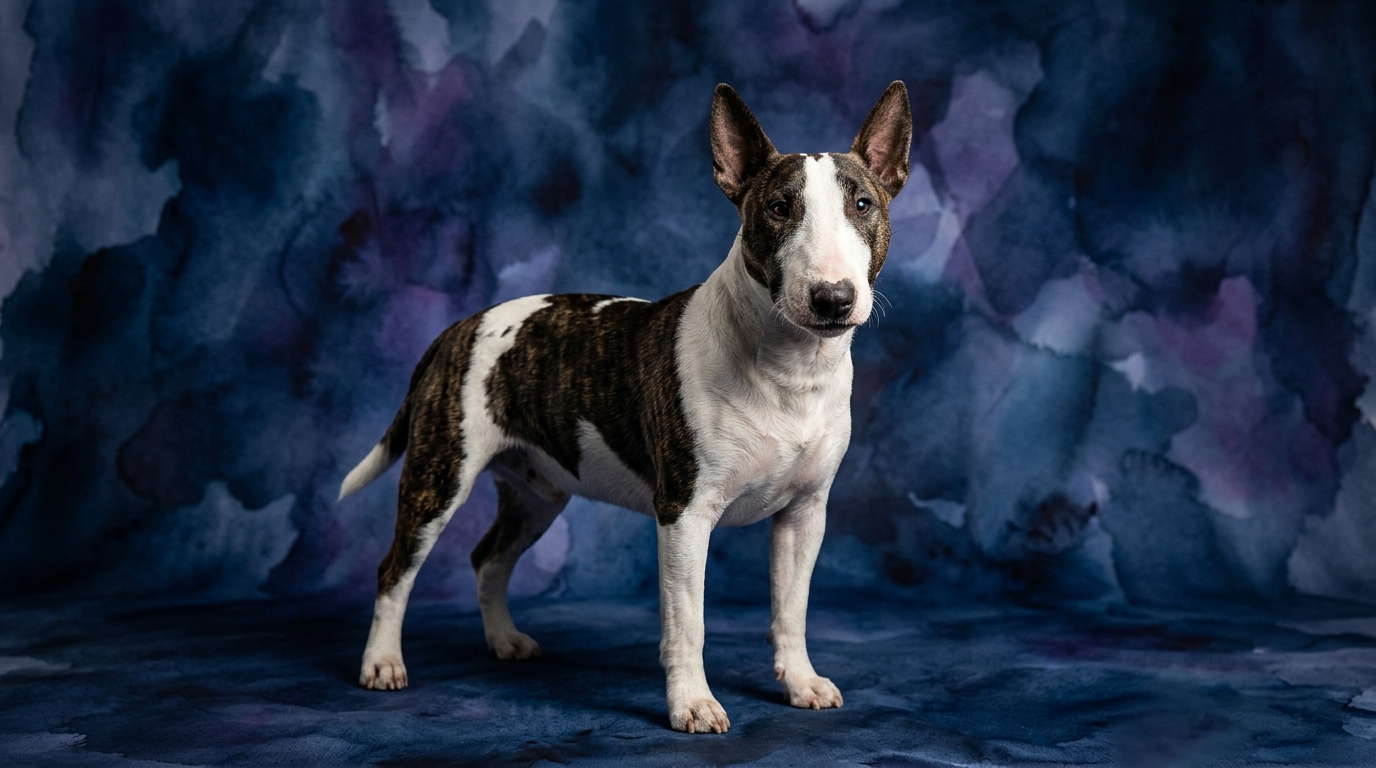
In contrast, the Miniature Bull Terrier, a Terrier group member without a Coren rank, presents a distinct cognitive signature. Its Problem Solving also registers 3/5, but this manifests as a more independent, persistent approach to challenges, often requiring self-directed exploration rather than immediate human guidance. Training Speed is 3/5, suggesting a moderate pace of learning where consistency and patience are key, reflecting its independent streak. Social Intelligence at 3/5 indicates it processes human cues, but often with a filter of its own strong will, leading to less immediate compliance than a highly socially driven breed. Instinctive Drive, also 3/5, is channeled into the tenacious pursuit and digging characteristic of terriers, requiring focused mental and physical engagement. Memory at 3/5 implies it learns and remembers, but may require more repetitions to solidify new information compared to breeds with higher memory scores.
Where the Cocker Spaniel Excels Cognitively
The Cocker Spaniel's cognitive strengths primarily lie in its exceptional social intelligence and rapid training acquisition. Its 5/5 Social Intelligence means it possesses an uncanny ability to read human body language, vocal inflections, and emotional states, allowing for nuanced communication and a strong empathetic bond. This translates directly into its 4/5 Training Speed; a Cocker will often anticipate what is expected of it, making the learning process feel intuitive and collaborative. This breed thrives on positive human interaction and feedback, using social cues as powerful motivators for learning complex tasks and obedience routines. Their 4/5 Memory supports this, enabling them to recall a vast repertoire of commands and social protocols, building on past successes.
Furthermore, the Cocker's 4/5 Instinctive Drive, rooted in its gundog lineage, is a cognitive advantage when channeled into activities requiring focused attention and task completion. Their drive to flush and retrieve is not merely physical; it demands problem-solving (3/5) to locate hidden objects, memory (4/5) to recall where prey might be, and social intelligence (5/5) to work cooperatively with a handler. This combination makes them adept at scent work, agility, and competitive obedience, where their eagerness to please and intellectual capacity for intricate sequences shine.
Where the Miniature Bull Terrier Shows Its Unique Strengths
While the Miniature Bull Terrier's scores might appear lower across the board, their cognitive profile reveals a different kind of strength: independent problem-solving and tenacious persistence. Their 3/5 in Problem Solving, combined with a lower Social Intelligence, suggests a dog that is less inclined to look to a human for immediate answers and more likely to experiment and figure things out on its own terms. This can manifest as inventive ways to bypass obstacles or a focused, almost stubborn, approach to solving a puzzle toy, even if it takes them longer than a more handler-dependent breed.
The Miniature Bull Terrier's 3/5 Instinctive Drive, though not as high as a Cocker's, is intensely focused and resilient. This drive is geared towards the traditional terrier role of pursuit and digging, which requires a specific kind of cognitive engagement: sustained attention to a task, whether it's tracking a scent or attempting to excavate a perceived burrow. This persistence, while sometimes challenging in training, is a valuable cognitive asset for specific tasks that require prolonged, self-motivated effort. Their 3/5 Memory, while not exceptional, is sufficient to learn and adapt, reinforcing successful independent strategies over time.
Which Is Easier to Train and Why?
Based on our IQ profiles, the Cocker Spaniel is generally easier to train than the Miniature Bull Terrier, a distinction largely driven by their divergent social intelligence and training speed scores. The Cocker Spaniel's 5/5 Social Intelligence means it is intrinsically motivated by human approval and connection, making it highly receptive to positive reinforcement and eager to comply with commands. Their 4/5 Training Speed reflects this, as they quickly pick up new behaviors, often needing fewer repetitions and responding well to subtle cues. They possess a strong desire to work alongside their human companions, interpreting training as a collaborative effort rather that an imposition.
Conversely, the Miniature Bull Terrier's 3/5 Social Intelligence and 3/5 Training Speed indicate a more independent and less overtly compliant nature. While capable of learning, they are not as driven by the desire to please and may require more patience, consistency, and creative motivation during training sessions. Their strong, independent will means they are more likely to question a command or attempt to find a workaround if they perceive it as tedious or without immediate reward. Training a Miniature Bull Terrier demands an understanding of their terrier tenacity, focusing on making training engaging, rewarding, and consistent, rather than relying on their innate desire for collaboration.
Suited for Active vs. Relaxed Owners
The choice between a Cocker Spaniel and a Miniature Bull Terrier also hinges on an owner's lifestyle and their preferred level of engagement with their canine companion. The Cocker Spaniel, with its balanced drives and high social intelligence, is an excellent fit for active owners who enjoy interactive activities like long walks, fetch, agility, or scent work, and who desire a constant, emotionally attuned companion. They thrive on being involved in family life and require consistent mental stimulation through training and play, making them suitable for owners who enjoy dedicating time to their dog's enrichment and companionship.
The Miniature Bull Terrier, while also requiring regular exercise and mental engagement, suits owners who appreciate a dog with a robust personality and an independent streak. They need owners who are prepared for their tenacious nature and can provide structured outlets for their instinctive drives, such as earthdog trials, tracking, or challenging puzzle toys. While they enjoy companionship, they might not seek constant validation in the same way a Cocker does. They are better suited for active, experienced owners who enjoy channeling a dog's strong will into productive activities and can provide firm, consistent, and patient guidance, appreciating their unique, often comical, individuality.
The Verdict: When to Choose Each Breed
The Verdict
Choose a Cocker Spaniel if you seek a highly sociable, eager-to-please companion who thrives on collaborative training and deep emotional connection, adapting well to various family activities. They are ideal for owners who enjoy interactive engagement and desire a dog that is readily attuned to their moods and commands.
Opt for a Miniature Bull Terrier if you appreciate an independent, spirited, and tenacious companion with a unique personality, and you are prepared for consistent, patient training tailored to their strong will. They suit experienced owners who can provide structured outlets for their distinct drives and cherish a dog with a bold, often humorous, character.
🧠 Find Your Pet's IQ Score
Our Pet IQ Lab assessment covers 25+ tests across 5 cognitive dimensions — personalized to your breed.
Take the Full IQ Test →Frequently Asked Questions
Do Cocker Spaniels require a lot of grooming due to their coat?
Yes, Cocker Spaniels, particularly the American variety, have a luxurious coat that requires regular grooming to prevent matting and maintain skin health. Daily brushing and professional grooming every 4-6 weeks are generally recommended to keep them comfortable and looking their best.
Are Miniature Bull Terriers good with children?
Miniature Bull Terriers can be good with children, especially if raised with them and properly socialized from a young age. However, their robust play style and independent nature mean supervision is crucial, and they may be better suited for families with older, respectful children who understand how to interact with a strong-willed dog.
What kind of mental stimulation do Miniature Bull Terriers need?
Miniature Bull Terriers thrive on mental challenges that engage their problem-solving skills and tenacious nature. This includes puzzle toys, scent work, structured training sessions that require focus, and activities like earthdog trials or agility that channel their instinctive drives in a productive way.