Side-by-Side IQ Profile: Cocker Spaniel vs. Parson Russell Terrier
At The Cosmic Pet Pet IQ Lab, we evaluate canine intelligence across five key dimensions, offering a nuanced perspective beyond simple rankings. Understanding these profiles helps illuminate the unique cognitive makeup of each breed, guiding owners toward a fulfilling partnership.
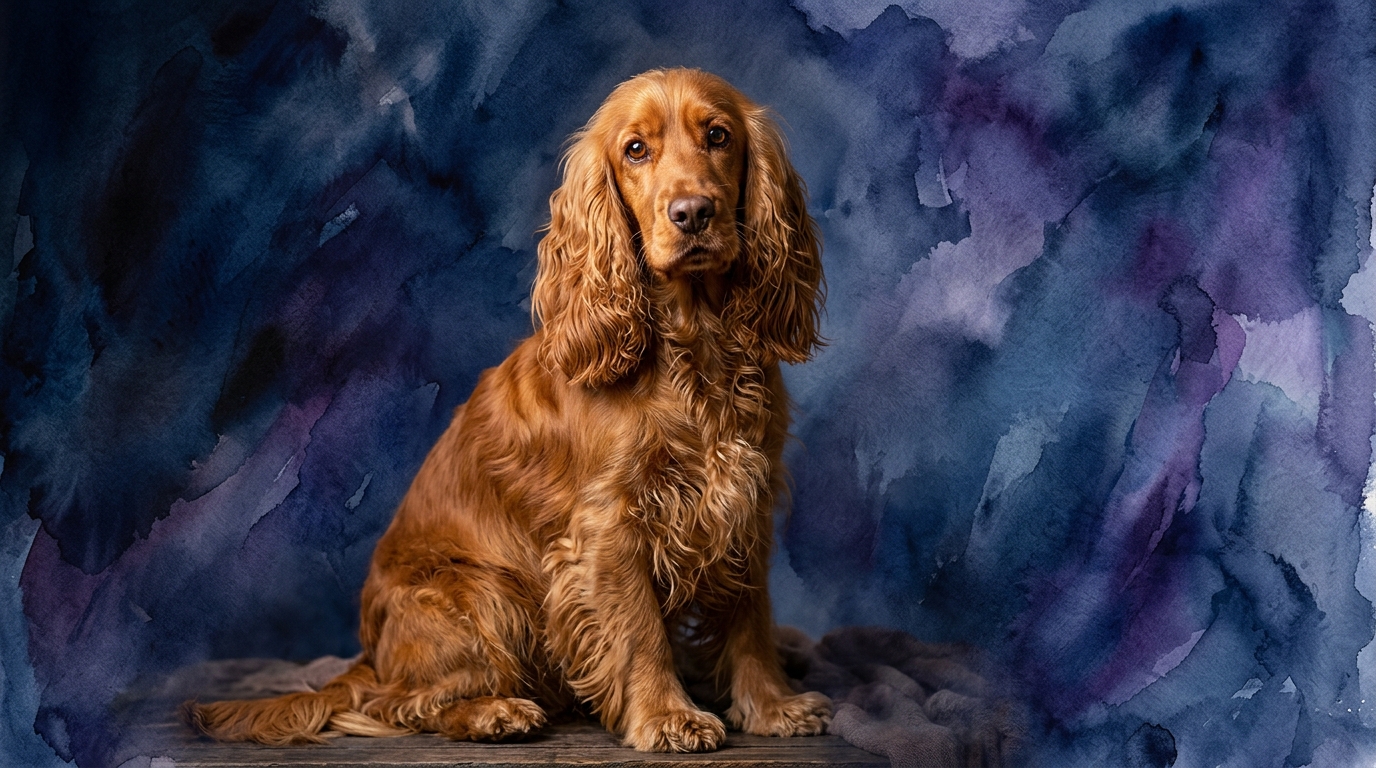
**Cocker Spaniel (Coren Rank #20, Sporting Group):** This breed’s profile reflects its history as a cooperative gundog, eager to work alongside humans. Their **Problem Solving (3/5)** is adept at navigating familiar tasks like retrieving dropped items or finding hidden toys, though complex, multi-step puzzles might require more guidance, often relying on learned sequences. **Training Speed (4/5)** is a standout, as they typically grasp new commands swiftly, showing a keen eagerness to please and respond to positive reinforcement. Their **Social Intelligence (5/5)** is exceptional; they excel at interpreting human cues, understanding social dynamics, and adapting their behavior accordingly, forming strong emotional bonds. The Cocker’s **Instinctive Drive (4/5)** is rooted in their retrieving heritage, manifesting as a desire for scent work and carrying objects, channeled effectively through structured play. Finally, their **Memory (4/5)** ensures they retain learned behaviors and routines reliably over time, aiding in consistent behavior and mastering complex skill sets.
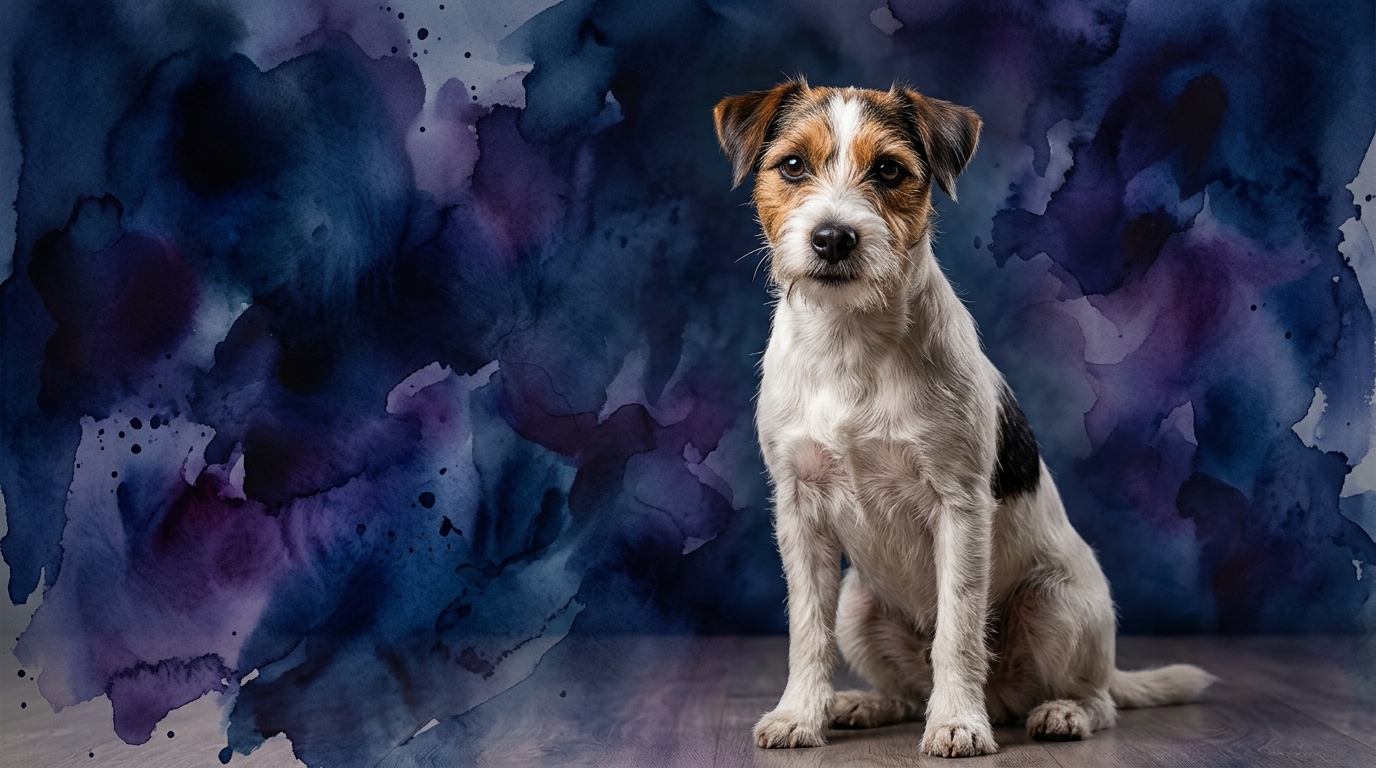
**Parson Russell Terrier (Not Coren-Ranked, Terrier Group):** The Parson Russell's profile reveals a resourceful and independent spirit, bred for tenacious hunting. Their **Problem Solving (3/5)** demonstrates resourcefulness when faced with obstacles, particularly if it involves reaching a desired object or exploring an interesting scent; their persistence often leads to successful outcomes through a practical, hands-on approach. **Training Speed (3/5)** indicates they can learn commands, but their independent nature often requires more repetition and consistent motivation, thriving on engaging, varied sessions. Their **Social Intelligence (3/5)**, while capable of forming strong bonds, is often more direct and less nuanced than the Cocker’s; they understand basic family dynamics but may not always intuit subtle human emotions with the same sensitivity. The Parson Russell’s **Instinctive Drive (3/5)** is a potent hunting instinct for digging and chasing small prey, which can be a distraction in training, requiring careful management. Their **Memory (3/5)** allows them to remember commands and routines, though occasional lapses might occur if a more interesting stimulus presents itself, making consistent reinforcement crucial.
Where the Cocker Spaniel Wins Cognitively
The Cocker Spaniel distinctly outshines the Parson Russell Terrier in several cognitive domains, primarily due to its purpose-bred role as a companionable gun dog. Their **Social Intelligence (5/5)** is a paramount strength, allowing them to form deep, empathetic connections with their human families. This manifests as a keen ability to read body language, interpret vocal inflections, and even anticipate emotional states, making them exceptionally attuned companions. They are often the first to offer comfort or adjust their behavior based on the household's mood, a nuanced understanding that is less pronounced in the more independent Parson Russell.
Furthermore, the Cocker Spaniel's **Training Speed (4/5)** is notably superior. Their inherent desire to work cooperatively with humans, a trait refined over generations for retrieving game alongside hunters, translates into a rapid acquisition of new commands and complex sequences. They process training cues efficiently and show a sustained focus during learning sessions, readily accepting guidance. This contrasts with the Parson Russell's more individualistic approach, which can sometimes lead to a slower or more challenging training process due to their independent nature. The Cocker's **Memory (4/5)** also contributes to this advantage, solidifying learned behaviors and routines with greater consistency, ensuring commands stick over the long term without frequent refreshers. Their capacity to reliably recall sequences and rules means less reteaching and a more predictable behavioral repertoire.
Where the Parson Russell Terrier Wins Cognitively
While the Parson Russell Terrier doesn't outscore the Cocker Spaniel in any of the specific IQ dimensions provided, their unique combination of traits leads to a different kind of cognitive advantage, particularly in specific real-world scenarios. Their **Problem Solving (3/5)**, while numerically equal to the Cocker's, often manifests with a distinct terrier tenacity and resourcefulness. When faced with a challenge, especially one involving access to something intriguing or a pursuit of a scent, a Parson Russell will often display an unwavering persistence, trying various approaches until they succeed. This isn't about elegant solutions but rather a determined, trial-and-error methodology that can be highly effective in overcoming physical barriers or achieving self-motivated goals, like navigating a tricky garden fence.
Their **Instinctive Drive (3/5)**, though numerically lower than the Cocker's, is a powerful force that fuels their independent problem-solving and exploration. This drive is less about cooperative work and more about self-directed investigation and the relentless pursuit of perceived 'prey.' While it can present training challenges, it also means they possess a robust inner motivation to engage with their environment, explore new spaces, and investigate interesting smells. This inherent curiosity and drive for independent discovery can make them highly adaptable in novel situations where a more socially-dependent breed might look to their owner for direction. They are less likely to be deterred by initial failures, instead viewing them as opportunities for another attempt.
Which is Easier to Train and Why
Based on their respective IQ profiles, the Cocker Spaniel is generally easier to train than the Parson Russell Terrier. The Cocker Spaniel’s **Training Speed (4/5)** and exceptional **Social Intelligence (5/5)** are key factors. They possess a deep-seated desire to please their human companions, a trait honed by generations of working closely with hunters. This eagerness translates into a dog that is highly receptive to instruction, quickly grasps new commands, and is motivated by positive reinforcement and owner approval. Their ability to read human cues and intentions also streamlines the training process, as they better understand what is being asked of them. Furthermore, their superior **Memory (4/5)** ensures that once a behavior is learned, it is retained reliably, reducing the need for constant reteaching.
In contrast, the Parson Russell Terrier, with a **Training Speed (3/5)** and **Social Intelligence (3/5)** score, presents a different training dynamic. While capable of learning, their strong **Instinctive Drive (3/5)** and independent nature mean they are often more self-motivated and less inclined to blindly follow commands if something more stimulating captures their attention. Their primary drive is often focused on exploration, digging, and chasing, which can be a significant distraction during training sessions. Trainers often need to be more creative and persistent, employing varied techniques and high-value rewards to keep a Parson Russell engaged. While they remember commands, their recall might be more 'selective' if a squirrel or intriguing scent is present, reflecting a cognitive landscape less centered on human cooperation and more on independent pursuit.
Which Suits Active Owners vs. Relaxed Owners
Both breeds require regular activity, but their cognitive profiles suggest different types of engagement that align with active versus more relaxed ownership styles. The **Cocker Spaniel** generally suits owners seeking an active companion who enjoys cooperative activities and structured engagement. Their moderate **Instinctive Drive (4/5)** for retrieving and their high **Social Intelligence (5/5)** make them ideal for activities like obedience, agility, rally, or even scent work, where working together with their human is central. They thrive on mental stimulation that involves problem-solving within a cooperative framework, such as learning new tricks or navigating complex agility courses. While they enjoy vigorous walks and play, their energy is often channeled into tasks that strengthen the bond and involve shared focus. A relaxed owner who enjoys consistent, moderate walks, regular training sessions, and plenty of interactive play within the home would find a Cocker Spaniel a rewarding companion, as long as their social and cooperative needs are met. They are less suited for owners who prefer a dog to entertain itself entirely or who neglect consistent interaction.
The **Parson Russell Terrier**, with its tenacious **Instinctive Drive (3/5)** and resourceful **Problem Solving (3/5)**, is better suited for truly active owners who appreciate a dog with independent spirit and a need for vigorous, often self-directed, physical and mental output. These dogs excel in activities that tap into their natural prey drive and exploratory instincts, such as earthdog trials, barn hunting, or extensive off-leash hiking in secure areas where they can investigate scents and terrain. Their energy is often higher and more persistent, requiring sustained outlets to prevent boredom and destructive behaviors. A relaxed owner might find a Parson Russell challenging, as their independent drive for action can lead to them creating their own 'fun' if not adequately stimulated, which might include digging up the garden or persistently exploring perceived escape routes. They thrive with owners who are prepared for consistent, high-energy engagement that allows them to use their natural instincts in a constructive manner, making them excellent partners for adventurous individuals.
The Verdict
Choose a Cocker Spaniel if you desire a highly cooperative, emotionally attuned companion who excels in structured training and thrives on deep social interaction. They are ideal for owners who enjoy consistent engagement in activities like obedience, agility, or therapy work, and value a dog that integrates seamlessly into family life with a strong desire to please.
Opt for a Parson Russell Terrier if you are an active, adventurous owner who appreciates a tenacious, independent spirit and can provide consistent, high-energy outlets that channel their strong hunting instincts. They are best suited for individuals who enjoy engaging in earthdog trials, barn hunting, or extensive outdoor exploration, and are prepared for a dog that requires creative and persistent training.
🧠 Find Your Pet's IQ Score
Our Pet IQ Lab assessment covers 25+ tests across 5 cognitive dimensions — personalized to your breed.
Take the Full IQ Test →Frequently Asked Questions
Are Cocker Spaniels better at learning new tricks than Parson Russell Terriers?
Yes, Cocker Spaniels generally learn new tricks more quickly due to their higher Training Speed (4/5) and strong desire to cooperate with their owners. Their keen social intelligence also helps them interpret cues effectively, leading to faster skill acquisition compared to the more independent Parson Russell Terrier.
Which breed is more likely to dig in the yard, a Cocker Spaniel or a Parson Russell Terrier?
A Parson Russell Terrier is far more likely to engage in digging due to their ingrained terrier instincts and powerful Instinctive Drive (3/5) for hunting small prey. While a Cocker Spaniel might dig occasionally, it's a primary behavioral manifestation for the Parson Russell, often requiring dedicated management.
Do Cocker Spaniels or Parson Russell Terriers bond more closely with their families?
Cocker Spaniels typically bond more closely and overtly with their families, thanks to their exceptional Social Intelligence (5/5). They are highly attuned to human emotions and thrive on companionship, often seeking out physical closeness and interaction, whereas Parson Russell Terriers tend to be more independent in their affectionate displays.