Side-by-Side IQ Profile: Cocker Spaniel vs. Pekingese
The Cosmic Pet Pet IQ Lab employs a five-dimensional framework to assess canine intelligence, providing a granular view of each breed's cognitive landscape. Understanding these specific scores helps illuminate their inherent capabilities and tendencies.
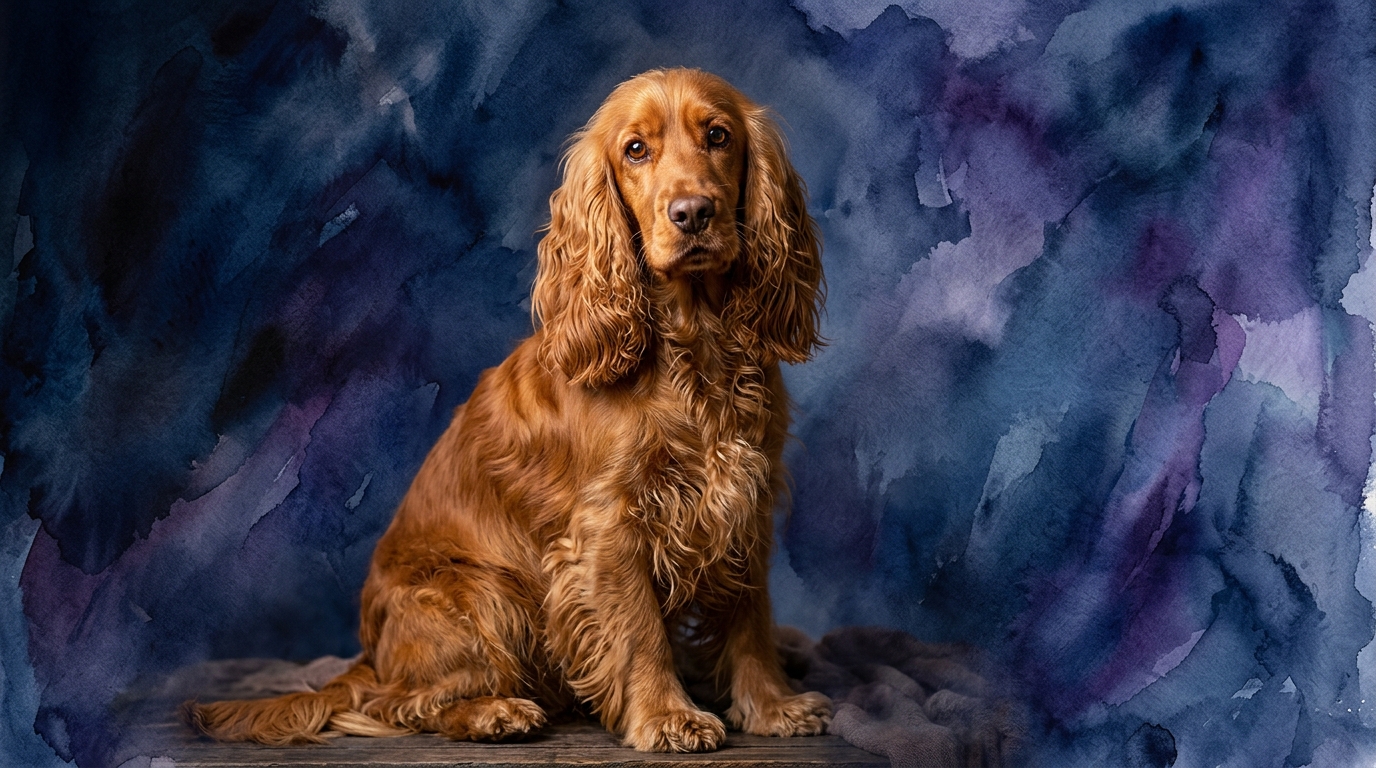
**Cocker Spaniel (Sporting, Coren rank #20)**
**Problem Solving (3/5):** Cocker Spaniels are capable of navigating practical tasks, especially those involving scent work or retrieving. Their cognitive approach is effective in real-world scenarios rather than abstract puzzles.
**Training Speed (4/5):** Eager to please and quick to grasp new commands, Cocker Spaniels respond well to positive reinforcement. Their enthusiasm for interaction significantly aids rapid learning.
**Social Intelligence (5/5):** Exceptionally attuned to human emotions and social cues, they form strong bonds and often anticipate owner needs. This breed is highly adaptable to various family dynamics.
**Instinctive Drive (4/5):** Possessing a robust hunting and retrieving instinct, their drive manifests as a strong desire to explore, follow scents, and carry objects. This inherent drive can be effectively channeled into activities.
**Memory (4/5):** Cocker Spaniels retain commands and learned behaviors effectively over time. They remember routines, people, and places with clarity, aiding consistent performance and recall.
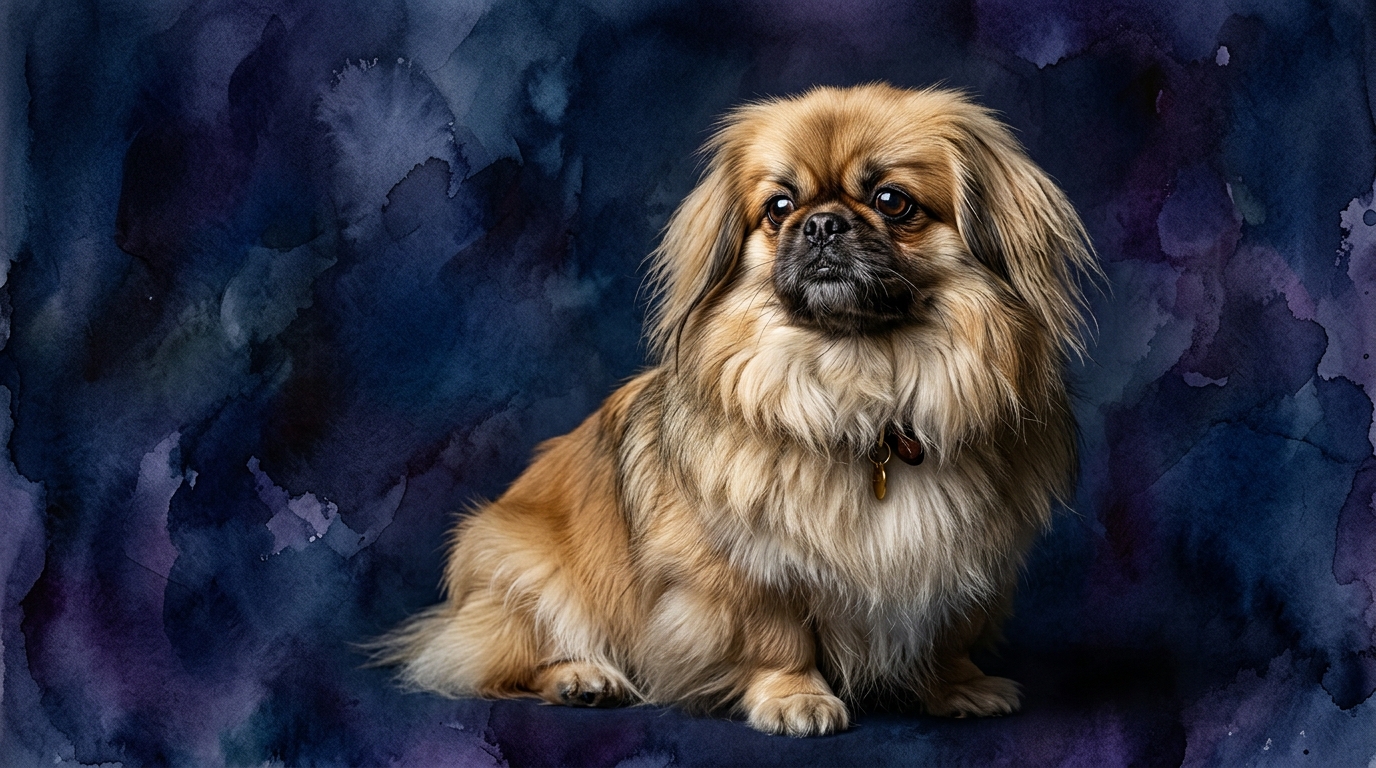
**Pekingese (Toy, Coren rank #77)**
**Problem Solving (3/5):** While not driven by complex practical needs, Pekingese can cleverly figure out how to achieve personal comfort or desires within their environment, often through persistent, self-serving solutions.
**Training Speed (3/5):** Capable of learning commands, their independent streak means they may require more repetition and patience. They aren't inherently driven to please in the same way as more cooperative breeds.
**Social Intelligence (3/5):** Pekingese form deep bonds with their chosen few but can be reserved or indifferent towards strangers. They understand household dynamics but may not actively seek to anticipate human needs.
**Instinctive Drive (3/5):** Primarily driven by companionship and comfort, their territorial instinct is less about active pursuit and more about guarding their space and people. Their 'drive' centers on personal well-being.
**Memory (3/5):** They are capable of remembering routines and people important to their comfort and security. They recall what directly impacts their immediate well-being and daily life.
Where the Cocker Spaniel Wins Cognitively
The Cocker Spaniel distinctly excels in areas requiring cooperation and social engagement, reflecting their heritage as working gundogs. Their 4/5 training speed is a testament to an eagerness to learn and please, making them exceptionally responsive to instruction and adept at quickly picking up new cues. This responsiveness stems from a deep-seated desire to work alongside humans. Their perfect 5/5 social intelligence highlights an unparalleled ability to read human emotions and adapt to family dynamics, often anticipating needs before they are verbalized. This profound empathy fosters strong, intuitive bonds, making them highly attuned companions. Furthermore, their 4/5 instinctive drive, rooted in their retrieving heritage, translates into a sustained focus on tasks, whether tracking a scent or engaging in a game of fetch. This drive, combined with a 4/5 memory, means they retain complex sequences and commands with impressive consistency. For owners seeking a dog that thrives on collaboration and nuanced communication, the Cocker Spaniel's cognitive profile offers significant advantages.
Where the Pekingese Wins Cognitively
While the Pekingese may not boast higher numerical scores across the board, their cognitive strengths lie in unique areas, reflecting their history as revered companions. Their 3/5 problem-solving, though not focused on retrieving, manifests as a clever persistence in achieving personal comfort, often through ingenious, self-serving solutions within their environment. This independence, a hallmark of their character, allows them to be self-sufficient and content in their own company, a distinct form of cognitive autonomy. Unlike breeds driven to constantly seek human direction, the Pekingese possesses an internal compass, making decisions based on immediate desires for comfort and security. Their social intelligence, while rated 3/5, is highly selective; they form incredibly deep, unwavering bonds with their chosen family members, demonstrating discerning loyalty rather than broad amiability. This exclusivity means their affection, once earned, is profound and singular, a unique cognitive 'win' for those who appreciate a devoted bond. Their memory (3/5) is particularly strong for routines and people important to their comfort and security.
Training Ease: Cocker Spaniel vs. Pekingese
When it comes to ease of training, the Cocker Spaniel holds a distinct advantage, primarily due to their higher scores in training speed (4/5) and social intelligence (5/5). Cocker Spaniels are inherently motivated by interaction and approval, eagerly seeking to understand and execute commands. Their strong desire to please, combined with their ability to quickly grasp new concepts, means they respond well to positive reinforcement and consistency. They thrive on structured learning environments and view training as a collaborative activity, often displaying genuine enthusiasm. This behavioral trait, rooted in their working heritage, makes them highly receptive students.
In contrast, the Pekingese, with a training speed of 3/5, presents a different dynamic. While capable of learning, their independent and often self-serving nature means they are less inclined to perform simply to please an owner. They require patience, consistency, and a clear understanding of what motivates them, which is often comfort or a highly valued treat. A Pekingese might learn a command, but whether they choose to execute it depends on their mood and perceived benefit at that moment. Their cognitive approach to learning is less about enthusiastic cooperation and more about discerning personal advantage, requiring an owner to be more persuasive and less demanding in their training approach. For those seeking a dog that readily embraces training and enjoys the process, the Cocker Spaniel is typically the more straightforward choice.
Owner Suitability: Active vs. Relaxed Lifestyles
Considering their distinct cognitive and behavioral profiles, the choice between these two breeds largely hinges on an owner's lifestyle and expectations. The Cocker Spaniel, with its robust instinctive drive (4/5) and need for social engagement (5/5), is an ideal match for active owners. They require regular physical exercise, such as brisk walks, runs, or engaging play sessions, to channel their energy and intelligence. Furthermore, their cognitive abilities thrive on mental stimulation, making them excellent candidates for dog sports like agility, obedience, or scent work. An owner who enjoys outdoor activities, is committed to consistent training, and desires a highly interactive companion will find the Cocker Spaniel’s zest for life and cooperative spirit incredibly rewarding.
Conversely, the Pekingese is exceptionally well-suited for more relaxed owners who appreciate a companion content with a less demanding pace of life. While they enjoy short, leisurely strolls, their primary needs revolve around comfort, companionship, and a secure environment. Their independent nature means they are less reliant on constant human interaction for entertainment, making them good companions for individuals who spend time at home but may not be able to provide extensive physical activity. A relaxed owner who cherishes a devoted, somewhat independent, and low-key presence will find the Pekingese a perfect fit, appreciating their unique charm and self-assured demeanor without the need for constant high-energy engagement.
The Verdict
Choose the Cocker Spaniel if you seek an eager, highly trainable companion for an active lifestyle, thriving on social interaction, mental challenges, and collaborative activities like dog sports or extended outdoor adventures.
Opt for the Pekingese if you prefer a self-sufficient, devoted companion who values comfort and a relaxed pace, content with short walks and deep bonds, requiring patience in training and appreciating a discerning loyalty.
🧠 Find Your Pet's IQ Score
Our Pet IQ Lab assessment covers 25+ tests across 5 cognitive dimensions — personalized to your breed.
Take the Full IQ Test →Frequently Asked Questions
Are Cocker Spaniels good family dogs?
Yes, their exceptional social intelligence (5/5) and affectionate nature make them wonderful family additions, forming strong bonds and adapting well to various household dynamics, often intuiting children's moods.
Is a Pekingese hard to train?
While capable of learning, their independent streak and lower training speed (3/5) mean they require more patience and consistent, positive reinforcement; they are less motivated by a desire to please and more by personal gain.
Do Cocker Spaniels need a lot of exercise?
Absolutely, their strong instinctive drive (4/5) and background as Sporting dogs mean they require significant daily physical activity and mental engagement to prevent boredom and maintain their well-being.