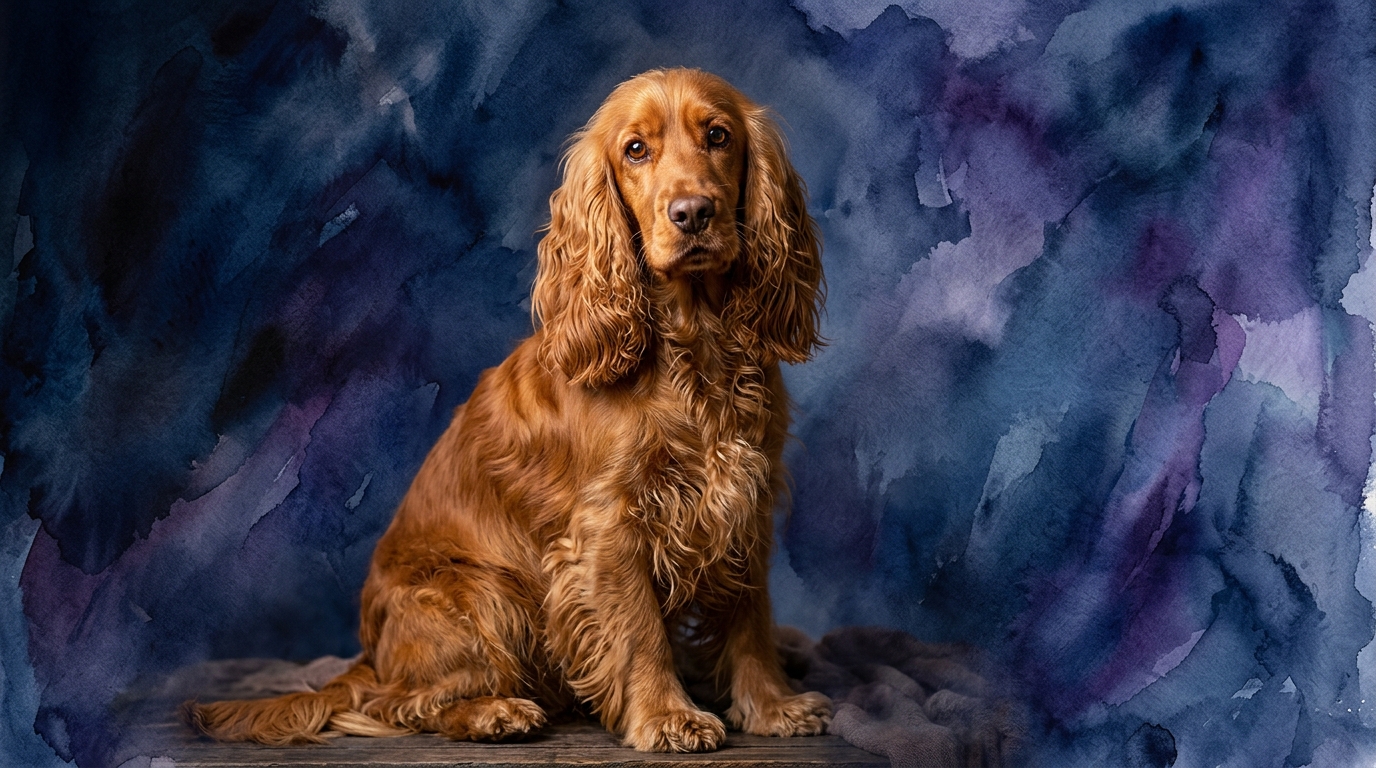
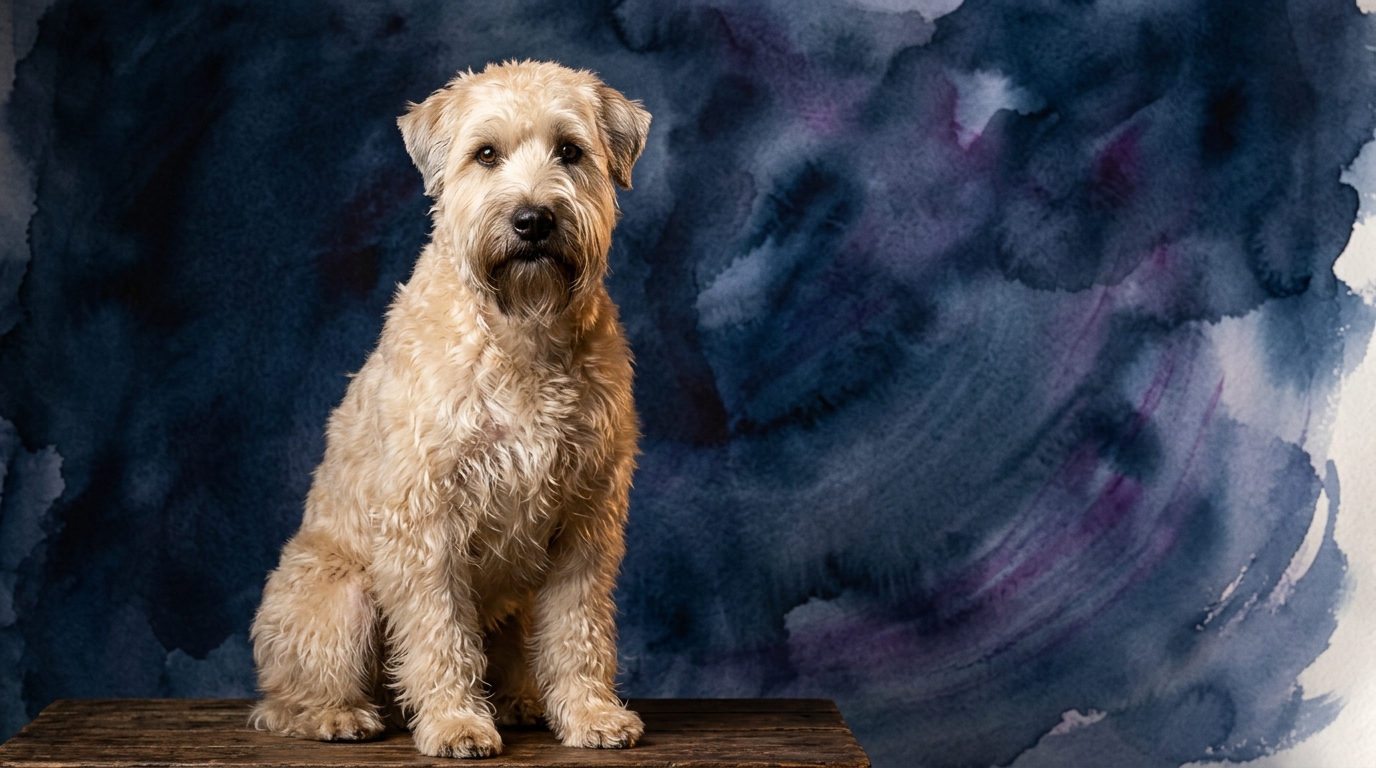
Side-by-Side IQ Profile: Cocker Spaniel vs. Soft Coated Wheaten Terrier
At The Cosmic Pet Pet IQ Lab, we evaluate canine intelligence across five key dimensions, providing a nuanced understanding beyond simple rankings. The Cocker Spaniel, a Sporting Group dog, holds a respectable Coren rank of #20, indicating a strong capacity for obedience and working intelligence. In contrast, the Soft Coated Wheaten Terrier, a member of the Terrier Group, is not Coren-ranked, which doesn't diminish their mental faculties but suggests a different kind of working style and cognitive approach.
For the **Cocker Spaniel**, our IQ scores reveal a well-rounded and highly cooperative mind:
Problem Solving (3/5): Cocker Spaniels demonstrate a moderate aptitude for navigating novel challenges, often approaching them methodically rather than through spontaneous bursts of innovation. They can competently solve simple puzzles, like opening a treat-dispensing toy with a lever, but might require more guidance for multi-step or abstract problems that demand complex sequential thought. Their solutions are often rooted in prior learning and observation.
Training Speed (4/5): Their inherent eagerness to please and strong focus on human direction makes them exceptionally responsive learners. Cocker Spaniels quickly grasp new commands, routines, and even intricate sequences of actions. Consistent positive reinforcement, coupled with their desire for approval, yields swift and impressive results in obedience and skill acquisition.
Social Intelligence (5/5): This is arguably the Cocker Spaniel's most distinguishing cognitive strength. They possess an exceptional understanding of human emotions, subtle social cues, and intricate family dynamics. This profound empathy allows them to anticipate needs, offer comfort, and form remarkably deep, intuitive bonds, making them highly attuned and sensitive companions.
Instinctive Drive (4/5): Rooted deeply in their historical role as flushing and retrieving gundogs, Cocker Spaniels display a robust drive for scent work, retrieving games, and engaging with their environment through sensory exploration. This drive is not merely for independent action but often seeks to involve their human partner, channeling into cooperative play or structured working activities.
Memory (4/5): Cocker Spaniels demonstrate a solid recall for commands, established routines, and the identities of familiar people and places. They retain learned behaviors over extended periods, contributing significantly to their consistent trainability and overall reliability in various home and public settings.
Turning to the **Soft Coated Wheaten Terrier**, their cognitive profile reflects their terrier heritage:
Problem Solving (3/5): Soft Coated Wheaten Terriers, like Cockers, exhibit a moderate capacity for problem-solving. Their approach, however, is often characterized by a persistent, independent trial-and-error method rather than seeking human direction. They might figure out how to open a gate through sheer determination, but complex, abstract tasks requiring nuanced understanding can prove challenging, often met with a direct, physical attempt.
Training Speed (3/5): Wheatens learn at a steady, if not rapid, pace. Their terrier independence means that while they process information well, they may require more patience, creative motivation, and consistent reinforcement to ensure compliance. They are intelligent but often choose to follow their own agenda if the reward isn't immediately compelling or if a more interesting distraction presents itself.
Social Intelligence (3/5): Wheatens connect warmly with their immediate families, displaying affection and loyalty. However, their social acumen is generally more direct and less nuanced than a Cocker's. They enjoy interaction but might not pick up on subtle human emotional shifts with the same sensitivity, often expressing their exuberance and playful nature without always reading the room.
Instinctive Drive (3/5): As a terrier breed, Wheatens possess a natural drive for digging, chasing small prey, and vigorous exploration, often with a characteristic tenaciousness. This drive is typically geared towards independent investigation of their immediate surroundings rather than cooperative tasks, making them self-sufficient in their pursuit of environmental engagement.
Memory (3/5): Soft Coated Wheaten Terriers possess a reliable memory for established routines, learned commands, and familiar faces, especially when behaviors are regularly reinforced and tied to positive experiences. However, a lack of consistent practice or strong motivation might see them "forgetting" less frequently used commands more readily than a breed with higher memory scores.
Where the Cocker Spaniel Wins Cognitively
The Cocker Spaniel’s superior social intelligence, scoring 5/5 compared to the Wheaten Terrier’s 3/5, marks a significant cognitive advantage. This allows Cockers to possess an exceptional ability to interpret human emotions, subtle body language, and vocal inflections, fostering an almost telepathic bond with their owners. They are highly attuned to their human's needs, often anticipating actions or offering comfort without explicit prompting. Furthermore, their higher training speed (4/5 vs 3/5) allows them to absorb and execute new commands and complex sequences with remarkable alacrity, making them exceptionally responsive partners in structured activities and daily life. This quick uptake and emotional sensitivity combine to make the Cocker Spaniel a profoundly interactive and cooperative companion.
Where the Soft Coated Wheaten Terrier Wins Cognitively
While the Soft Coated Wheaten Terrier's individual cognitive scores might appear lower, their unique strengths lie in their robust independence and persistent, often resourceful approach to challenges. Though their problem-solving score is similar (3/5), a Wheaten will typically tackle an obstacle with a characteristic terrier tenacity, attempting various self-directed solutions until one works, rather than immediately seeking human intervention. This independent streak, while sometimes requiring a more inventive training approach, signifies a dog capable of engaging with its environment and pursuing goals autonomously. They are less prone to "learned helplessness" and will often persist where a more cooperative breed might give up, showcasing a distinct kind of self-reliance.
Which is Easier to Train and Why?
The Cocker Spaniel is generally considered the easier breed to train, primarily due to its combination of high training speed (4/5) and exceptional social intelligence (5/5). These traits manifest as an innate eagerness to please and a keen awareness of human intentions, making them highly receptive pupils. They thrive on positive reinforcement, readily forming strong associations between commands and actions, and quickly internalizing new behaviors. A Cocker will often look to its owner for guidance and approval, making the training process feel like a cooperative, rewarding partnership where lessons are absorbed with enthusiasm and consistency.
The Soft Coated Wheaten Terrier, with a training speed of 3/5 and a more independent social intelligence (3/5), presents a different training dynamic. While capable of learning, their characteristic terrier independence means they often have their own ideas about what's important or interesting in a given moment. This requires a trainer to be exceptionally patient, creative, and consistent, using high-value rewards and engaging methods to maintain their focus. Wheatens will learn, but they might test boundaries or choose to follow a more enticing scent over a known command, demonstrating a classic terrier trait of selective hearing when not fully motivated. Their resourcefulness means they might also find creative ways around training rules if not adequately managed.
Which Suits Active Owners vs. Relaxed Owners?
For active owners seeking a highly engaged and cooperative partner in various pursuits, the Cocker Spaniel is often an excellent match. Their moderate instinctive drive (4/5) for retrieving and scent work means they relish structured activities such as obedience trials, agility courses, or scent detection games that involve working closely with their human. Their strong social intelligence ensures they thrive on shared experiences and intellectual companionship during outings, eager to participate in any adventure you propose. They need regular mental and physical engagement, but prefer to do it with you.
Owners seeking a truly relaxed, low-maintenance companion might find the Wheaten Terrier's independent and persistent spirit (instinctive drive 3/5) a bit more demanding than anticipated. While they enjoy activity, their preference might lean towards independent romps and explorations, potentially involving digging or chasing, rather than constant human-directed tasks. Owners who appreciate a dog with a distinct, often exuberant personality and are prepared for the occasional "terrier deafness" during walks, coupled with a need for consistent engagement, might find a great match. For those seeking quiet companionship and a dog that is always eager to please and easily directed, the Cocker's nature makes it a more natural fit, though it too requires regular stimulation to prevent boredom.
The Verdict
Opt for a Cocker Spaniel if you prioritize a highly empathetic, cooperative, and easily trainable companion who thrives on close human interaction and excels in structured learning environments.
Select a Soft Coated Wheaten Terrier if you appreciate an independent, persistent, and spirited companion who offers unique cognitive challenges and rewards a patient, engaging training approach.
🧠 Find Your Pet's IQ Score
Our Pet IQ Lab assessment covers 25+ tests across 5 cognitive dimensions — personalized to your breed.
Take the Full IQ Test →Frequently Asked Questions
Are Cocker Spaniels good at learning tricks?
Yes, Cocker Spaniels generally excel at learning tricks due to their high training speed (4/5) and strong desire to please. Their memory (4/5) helps them retain sequences, making them responsive to complex trick training sessions.
Do Soft Coated Wheaten Terriers get bored easily?
Soft Coated Wheaten Terriers can indeed get bored if not sufficiently stimulated. Their moderate instinctive drive (3/5) and independent nature mean they need engaging activities to prevent them from creating their own "fun," which might involve digging or exploring things you'd rather they didn't.
Which breed is better for a first-time dog owner?
The Cocker Spaniel is often recommended for first-time dog owners due to its higher trainability and social intelligence, which makes communication and bonding more straightforward. The Wheaten Terrier's independent streak can be more challenging for those new to dog ownership.