Side-by-side IQ profile
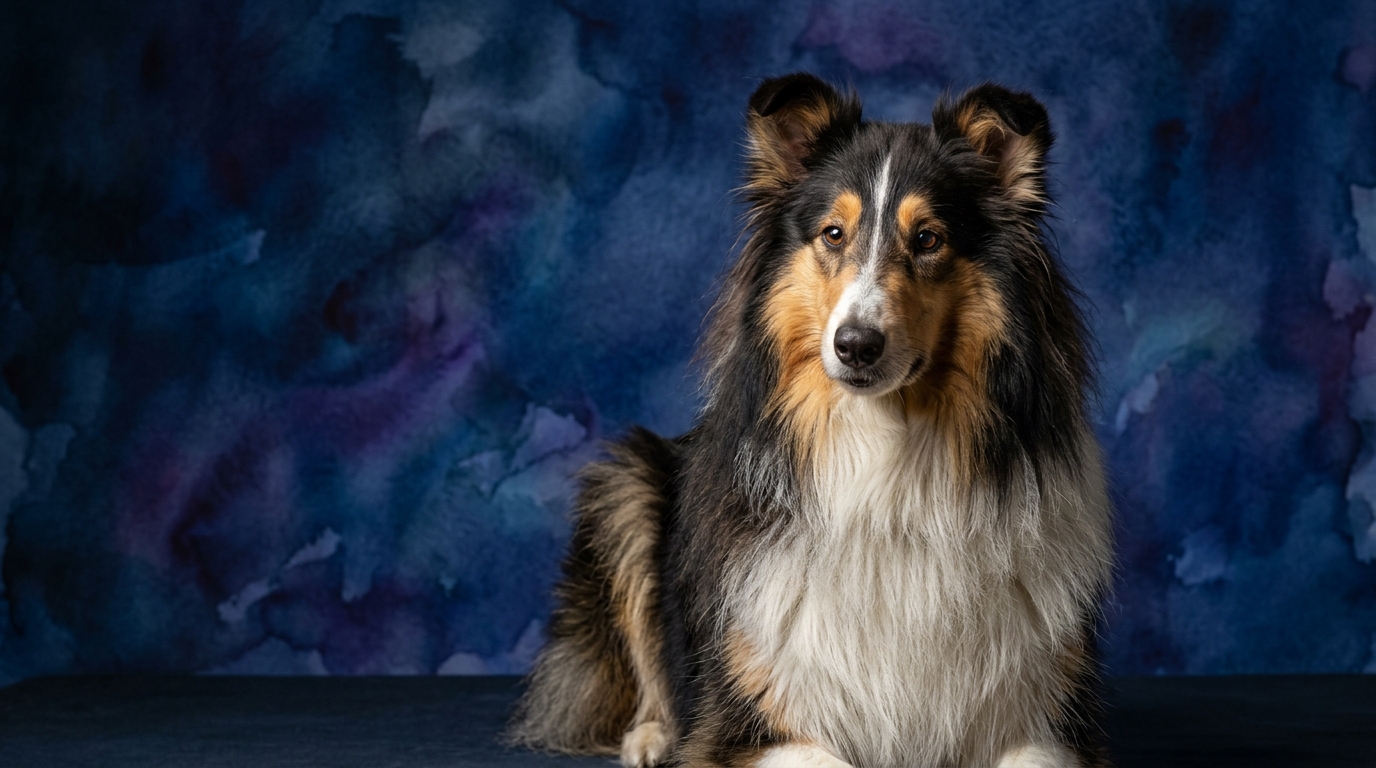
The Collie (Rough), a Herding group member with a Coren ranking of #16, presents a cognitive profile geared towards sophisticated work and interaction. Its Problem Solving is rated 4/5, indicating an ability to navigate complex situations and understand multi-step tasks. Training Speed also scores 4/5, reflecting a quick uptake of commands and new concepts. Social Intelligence stands at 3/5, suggesting a capacity for appropriate interaction, particularly within its familiar human circle, while its Instinctive Drive is a moderate 3/5. A standout feature is its Memory, scoring an impressive 5/5, allowing for excellent recall of routines, commands, and past experiences.
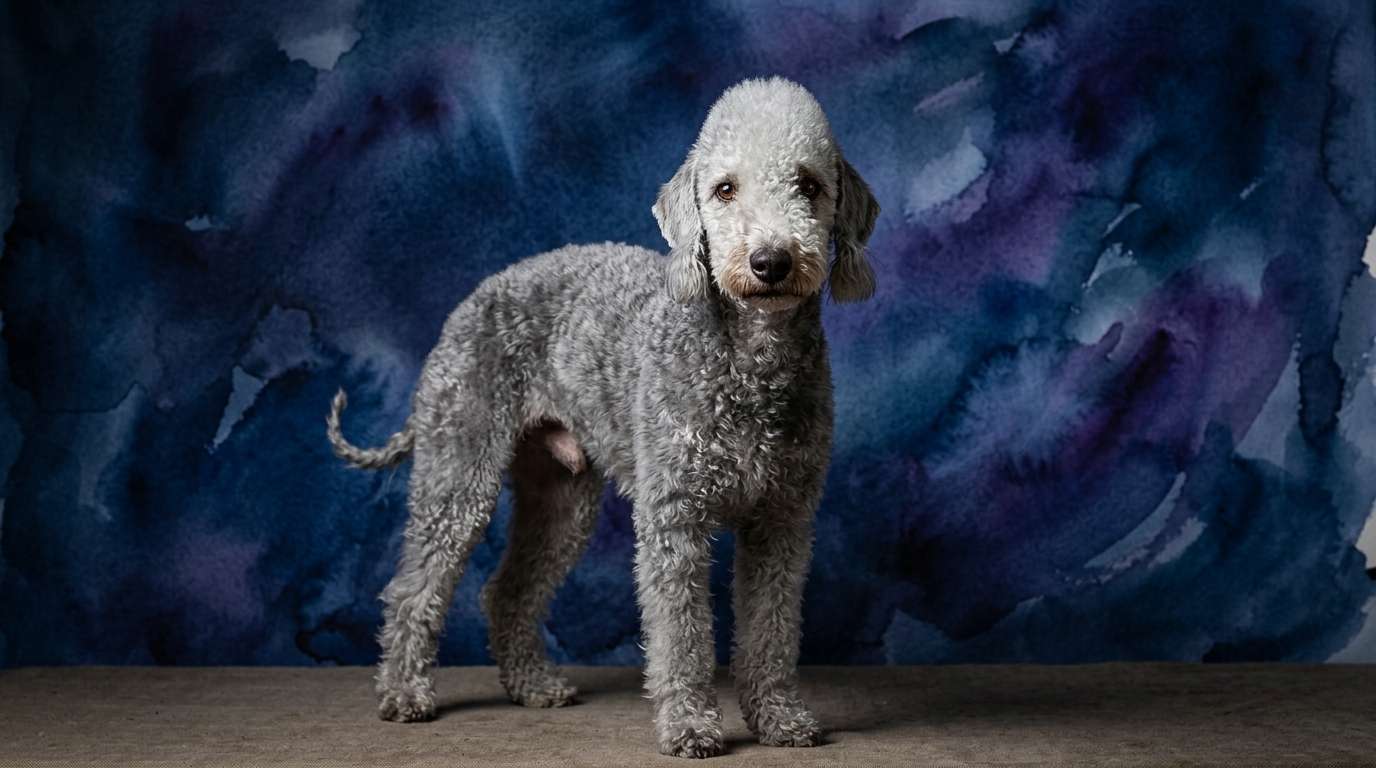
In contrast, the Bedlington Terrier, a member of the Terrier group and not Coren-ranked, shows a more balanced, albeit slightly lower, cognitive distribution. Its Problem Solving is rated 3/5, indicating a practical, functional ability to figure things out without the same depth of abstract reasoning as the Collie. Training Speed is also 3/5, meaning it learns steadily but may require more repetitions than its Herding counterpart. Social Intelligence is 3/5, suggesting it forms strong bonds but can be reserved, and its Instinctive Drive is 3/5, typical of a terrier's propensity for chasing or digging. Its Memory is rated 3/5, capable of retaining commands and routines, though not with the same profound recall as the Collie.
Where Collie (Rough) wins cognitively
The Collie (Rough) demonstrates clear cognitive advantages, particularly in its superior Memory (5/5 vs. 3/5) and Problem Solving (4/5 vs. 3/5). This breed's exceptional memory allows it to retain complex command sequences and recall rules over extended periods, making it highly consistent in its learned behaviors. When faced with novel challenges, its problem-solving aptitude often manifests as foresight, enabling it to strategize and navigate intricate scenarios more effectively, whether it's figuring out a puzzle toy or understanding a new household routine.
Furthermore, the Collie's faster Training Speed (4/5 vs. 3/5) gives it an edge in learning new skills and commands with fewer repetitions. This translates into quicker mastery of obedience cues, agility sequences, or even intricate tricks. Owners seeking a companion that readily absorbs and executes complex instructions, and maintains that knowledge over time, will find the Collie's cognitive architecture particularly suited to their aspirations for advanced training and collaborative activities.
Where Bedlington Terrier wins cognitively
While the Collie's scores generally outpace the Bedlington's in several cognitive dimensions, the Bedlington Terrier's unique terrier mindset offers distinct advantages in specific contexts. Its 3/5 score in Problem Solving, combined with a 3/5 Instinctive Drive, often translates into a practical, tenacious approach to challenges rather than the Collie's more analytical contemplation. This pragmatic intelligence allows the Bedlington to excel at tasks requiring quick, decisive action and independent thought, such as navigating a complex agility course where self-reliance and rapid adaptation are crucial. Its focused, driven nature can be a cognitive asset when an owner seeks a companion adept at pursuing specific, tangible goals with unwavering determination, rather than a dog primarily oriented towards complex instruction following.
Which is easier to train and why
The Collie (Rough) generally proves easier to train due to its higher Training Speed (4/5) and exceptional Memory (5/5). These cognitive strengths mean Collies grasp new concepts quickly and retain them over time, requiring fewer repetitions and less frequent refreshers. Their heritage as herding dogs also predisposes them to work cooperatively with humans, making them naturally attentive to direction and eager to please, which smooths the training process considerably. Their moderate instinctive drive is typically manageable, allowing focus during learning sessions.
The Bedlington Terrier, while certainly trainable, can present more of a challenge. Its Training Speed (3/5) and Memory (3/5) suggest a steady, but not rapid, learning pace, often requiring more consistent reinforcement and patience. As a terrier, the Bedlington possesses an independent spirit and a moderate instinctive drive (3/5) that can sometimes lead to stubbornness or a focus on self-directed activities like chasing or digging. Successful training with a Bedlington relies heavily on positive reinforcement, engaging methods, and an owner prepared to be persistent and creatively redirect its natural terrier tendencies.
Which suits active owners vs relaxed owners
For owners with a moderately active lifestyle, the Collie (Rough) can be an excellent fit. While they enjoy regular exercise, their needs are often met with daily walks, playtime, and, crucially, consistent mental stimulation through training or puzzle toys, leveraging their Problem Solving (4/5) and Memory (5/5). They thrive in environments where their thoughtful nature and desire for collaboration are engaged, making them suitable for owners who enjoy interactive training sessions or participate in low-impact dog sports, rather than seeking an extreme athlete.
The Bedlington Terrier, despite its moderate instinctive drive score, is a physically agile and mentally alert breed that suits active owners. Their quickness and terrier tenacity mean they require consistent outlets for their energy, thriving on brisk walks, playful runs, and structured activities that engage their Problem Solving (3/5) and Instinctive Drive (3/5). A Bedlington is not a sedentary companion; owners who can provide regular, engaging physical and mental activities, such as dog sports like agility or earthdog trials, will find this breed to be a spirited and rewarding partner, preventing boredom and potential destructive behaviors.
The Verdict
Choose the Collie (Rough) if you seek a highly trainable, thoughtful companion that excels in complex obedience and collaborative activities, retaining knowledge with impressive consistency.
Opt for the Bedlington Terrier if you appreciate an independent, tenacious spirit, are prepared for consistent, patient training, and can provide ample outlets for an agile, driven companion.
🧠 Find Your Pet's IQ Score
Our Pet IQ Lab assessment covers 25+ tests across 5 cognitive dimensions — personalized to your breed.
Take the Full IQ Test →Frequently Asked Questions
Is the Collie (Rough) a good choice for first-time dog owners?
Yes, the Collie (Rough) is generally a good choice for first-time dog owners due to its responsive nature and eagerness to learn. However, prospective owners should be prepared for its grooming needs and its sensitivity, which requires a gentle, consistent training approach.
How does the Bedlington Terrier's instinctive drive manifest?
The Bedlington Terrier's 3/5 instinctive drive typically manifests as a strong desire to dig, chase small animals, or independently investigate its surroundings. This requires owners to have secure yards and consistent leash training to manage these natural terrier tendencies effectively.
Can a Bedlington Terrier participate in dog sports?
Absolutely, Bedlington Terriers are well-suited for various dog sports, leveraging their agility, speed, and practical Problem Solving (3/5). With consistent training, they can excel in activities like agility, earthdog trials, and flyball, which provide excellent mental and physical stimulation.