Side-by-Side IQ Profile
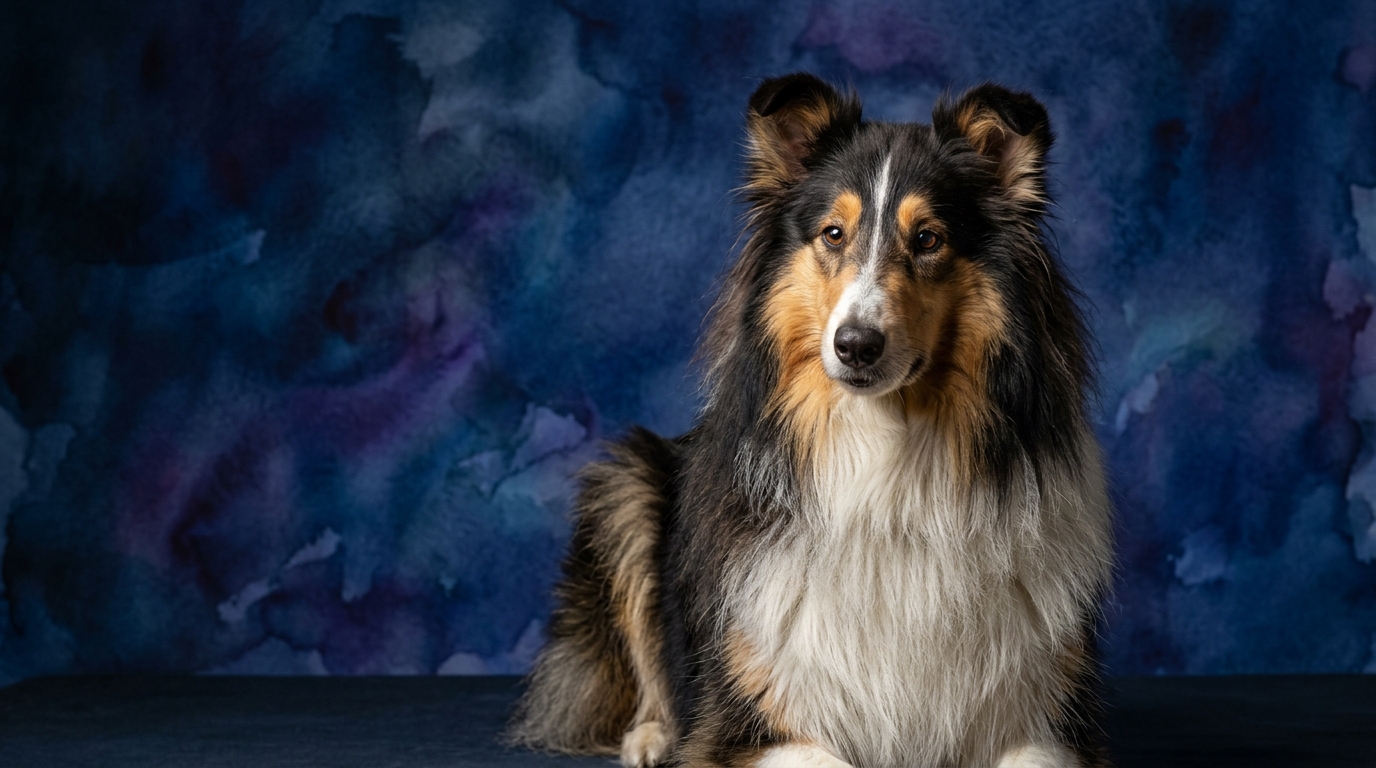
**Collie (Rough)**: This breed, a Herding group member Coren-ranked at #16, exhibits a robust cognitive toolkit. Their Problem Solving is rated 4/5, indicating a strong capacity for navigating complex scenarios and adapting solutions. Training Speed is 4/5, showing they pick up new commands with impressive swiftness. Social Intelligence stands at 3/5, reflecting a solid understanding of human cues and emotional states within their family. Instinctive Drive is 3/5, manifesting as a gentle herding tendency that can be channeled. Crucially, their Memory is an exceptional 5/5, ensuring commands and routines are retained over long periods.
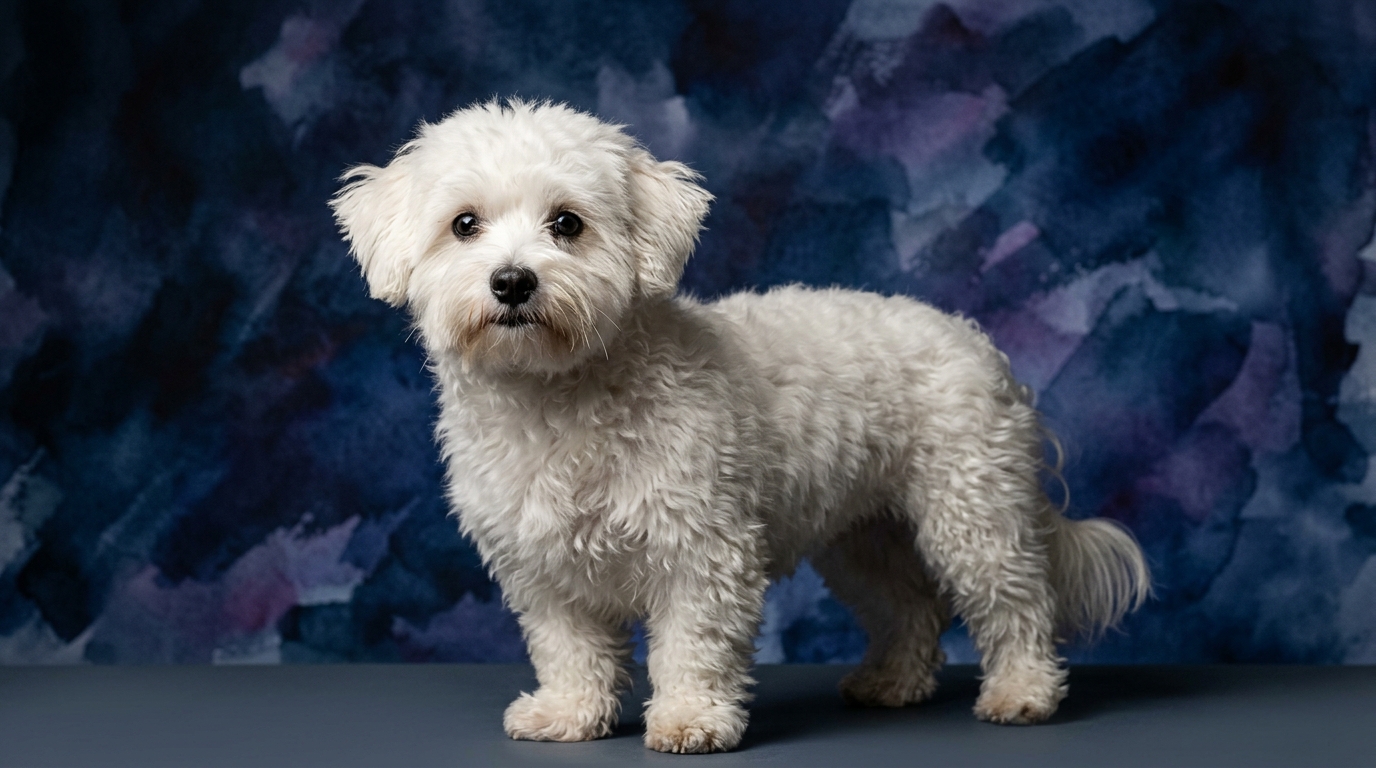
**Coton de Tuléar**: As a Non-Sporting companion breed, the Coton de Tuléar possesses a distinct cognitive makeup, not Coren-ranked but highly effective for its purpose. Their Problem Solving is 3/5, demonstrating practical skills for everyday situations. Training Speed is 3/5, meaning they learn at a steady pace with consistent reinforcement. Social Intelligence is 3/5, highlighting their deep attunement to human companions and family dynamics. Instinctive Drive is also 3/5, primarily focused on social engagement and interaction rather than specific tasks. Their Memory is 3/5, allowing them to retain fundamental household rules and beloved tricks with regular reinforcement.
Where Collie (Rough) Wins Cognitively
The Collie (Rough) truly shines in areas demanding structured thinking and precise execution, largely due to its superior memory and problem-solving abilities. A Collie can master intricate obedience routines, multi-step agility courses, or complex scent work, remembering lengthy sequences of commands and applying them accurately. Their 5/5 memory score means they don't just learn a command; they embed it deeply, allowing for reliable performance even after long breaks. Furthermore, their 4/5 problem-solving acumen equips them to independently navigate challenges within a framework, such as figuring out the best path through an obstacle course or identifying a specific item in a search. This combination makes them exceptionally adept at tasks requiring mental stamina and logical progression, far surpassing the Coton's more practical, immediate problem-solving approach. They excel in environments where their cognitive abilities are consistently challenged through structured activities.
Where Coton de Tuléar Wins Cognitively
While the Coton de Tuléar may not match the Collie's aptitude for complex, task-oriented problem solving, its cognitive strengths lie in areas that foster exceptional companionship and adaptability within a home environment. The Coton's 3/5 social intelligence, when viewed through the lens of its companion role, translates into a profound ability to read and respond to human emotions, making them incredibly empathetic and comforting pets. They excel at understanding nuances in tone and body language, often anticipating their owner's needs or moods without explicit commands. Their instinctive drive, also rated 3/5, is almost entirely directed towards social engagement, a crucial cognitive advantage for a companion breed. This means they are inherently motivated by interaction and affection, making them highly adaptable to varied social situations and family dynamics, often thriving in busy households or quiet, one-person homes alike. This social acumen and adaptability, though not reflected in high scores for traditional "working" intelligence, are paramount for their specific purpose.
Which is Easier to Train and Why
Based on their cognitive profiles, the Collie (Rough) is generally easier to train, especially for complex tasks, due to its higher Training Speed (4/5) and exceptional Memory (5/5). Collies grasp new concepts quickly and retain them with remarkable consistency, meaning they require fewer repetitions to solidify a command or behavior. They are often eager to learn and thrive on mental stimulation, making training sessions productive and rewarding. Their ability to recall long sequences of commands allows for advanced obedience or specialized skill development.
The Coton de Tuléar, with a Training Speed of 3/5 and Memory of 3/5, requires more patience and consistency in training. While perfectly trainable, they may need more repetitions to master new commands, and occasional refreshers to keep them sharp. Their strong social intelligence and desire to please their owners are significant motivators, making them willing participants in training, but their cognitive processing for new information is simply not as rapid or deeply embedded as the Collie's. Training a Coton often benefits from shorter, more frequent sessions that capitalize on their affectionate nature and focus on positive reinforcement.
Which Suits Active Owners vs Relaxed Owners
The Collie (Rough) is an ideal match for active owners who are prepared to engage their dog both physically and mentally. Their history as herding dogs means they possess a moderate instinctive drive (3/5) and a robust need for purpose. Owners who enjoy activities like long hikes, competitive obedience, agility, or even trick training will find a Collie eager to participate and excel. Their superior memory and problem-solving skills mean they thrive when given complex challenges and consistent mental stimulation. A Collie without enough engagement can become bored or restless, potentially developing undesirable behaviors.
The Coton de Tuléar, on the other hand, is wonderfully suited for more relaxed owners seeking a devoted and adaptable companion. While they appreciate daily walks and playtime, their exercise needs are generally moderate, aligning well with a less intense lifestyle. Their primary drive is social engagement (instinctive drive 3/5, focused on companionship), meaning they are content to be close to their people, whether on the couch or accompanying them on errands. Their cognitive strengths are geared towards seamless integration into family life and providing emotional support rather than performing demanding tasks. They are happy to adapt to their owner's pace, making them excellent companions for individuals or families with varying energy levels, provided they receive ample attention and affection.
The Verdict
Choose the Collie (Rough) if you are an active individual or family who thrives on structured activities, enjoys mental challenges, and is prepared to channel a keen working intelligence into advanced training, sports, or complex tasks.
Choose the Coton de Tuléar if you desire a highly adaptable, emotionally attuned companion who thrives on social interaction, integrates easily into a relaxed home environment, and whose cognitive strengths lie in fostering deep, affectionate bonds.
🧠 Find Your Pet's IQ Score
Our Pet IQ Lab assessment covers 25+ tests across 5 cognitive dimensions — personalized to your breed.
Take the Full IQ Test →Frequently Asked Questions
Can a Coton de Tuléar learn complex tricks like a Collie?
A Coton de Tuléar can certainly learn many tricks, especially with patient and consistent positive reinforcement, but their cognitive profile suggests they may take longer to master very complex or multi-step sequences compared to a Collie (Rough). Their memory is good for practical commands, but not as expansive for intricate routines.
Do Collies (Rough) need a job to be happy?
Collies (Rough) thrive on having a "job" in the sense of regular mental and physical engagement, though it doesn't necessarily need to be traditional herding. Activities like obedience training, agility, puzzle toys, or even learning complex tricks fulfill their problem-solving and memory needs, preventing boredom and promoting a well-adjusted temperament.
Is one breed more prone to separation anxiety due to their intelligence profile?
While both breeds can develop separation anxiety, the Coton de Tuléar's strong social intelligence and instinctive drive for companionship might make them slightly more prone if left alone for extended periods. Their cognitive strengths are so intertwined with human interaction that prolonged absence can be particularly distressing, whereas a Collie might cope better if their mental and physical needs were adequately met beforehand.